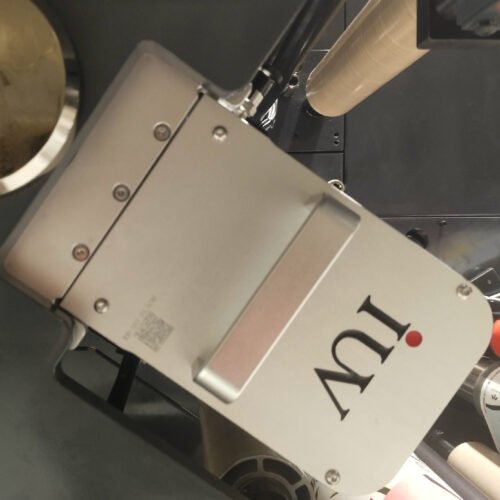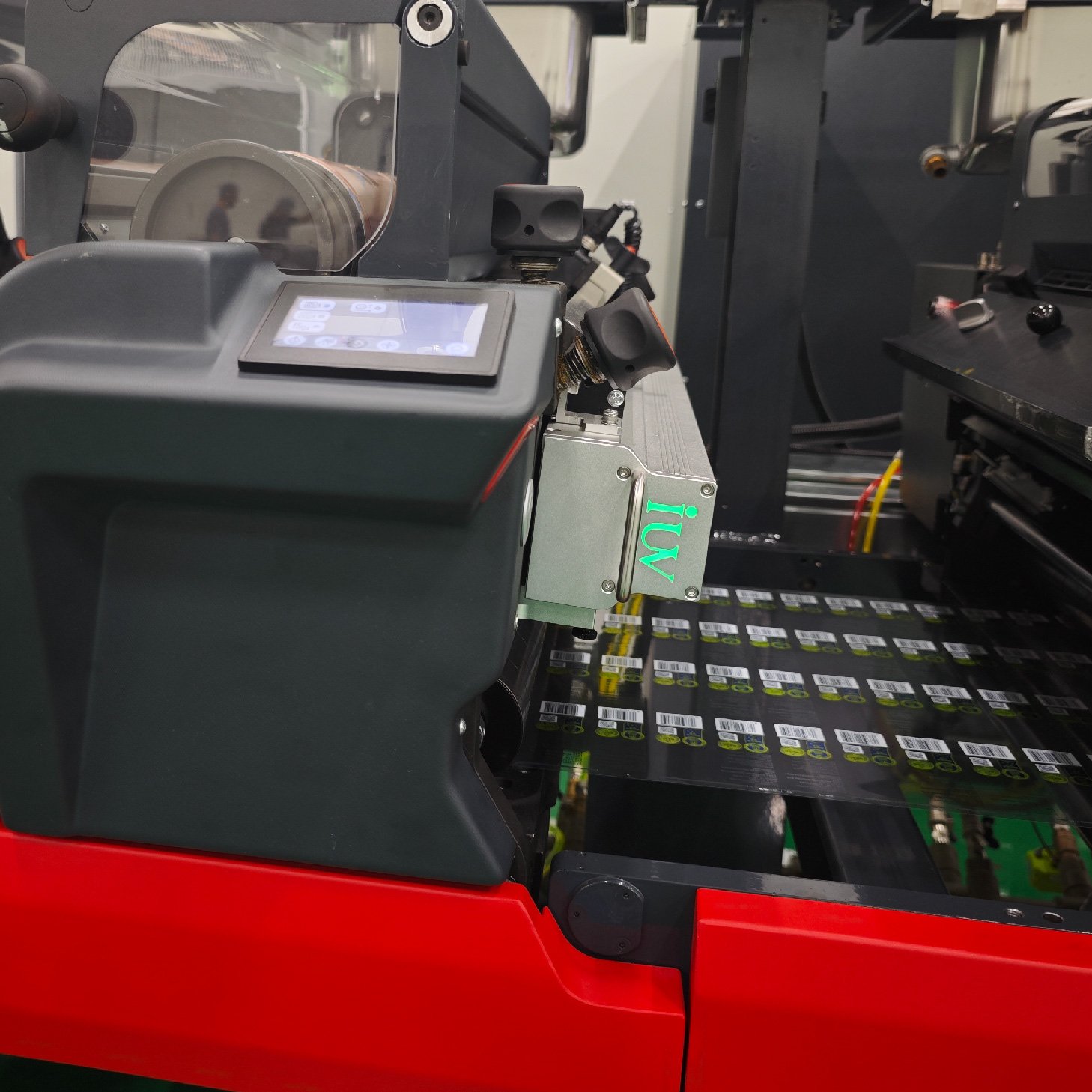
In the rapidly evolving world of printing technology, understanding the differences between traditional UV lamps and modern LED UV curing systems is crucial for optimizing print quality and efficiency. This comparison becomes particularly important in specialized printing methods such as flexographic, letterpress, relief, and narrow-web printing, where UV curing plays a pivotal role in achieving high-speed production and impeccable results.
Traditional UV Lamps in Printing
For decades, traditional UV curing relied on mercury vapor lamps to harden inks and coatings. These curing units emit broad-spectrum UV light, which initiates the photo-polymerization process of UV-sensitive inks. Their widespread use is due to their established technology and relatively low initial investment. However, they come with several limitations that have spurred the search for more advanced solutions.
One significant challenge with traditional UV lamps is their comparatively short lifespan, typically around 1,000 to 2,000 hours. Frequent lamp replacements not only increase operational costs but also introduce downtime, affecting productivity. Furthermore, these lamps generate considerable heat, which can cause substrate deformation or warping — especially problematic in narrow-web and label printing where dimensional stability is vital.
Energy consumption is another concern. Mercury vapor lamps require high power levels to achieve full UV output, leading to higher energy costs and environmental concerns related to mercury disposal. Their warm-up and cool-down periods can result in inconsistent curing, especially when rapid changeovers are necessary in high-volume printing environments.
LED UV Curing in Flexographic and Label Printing
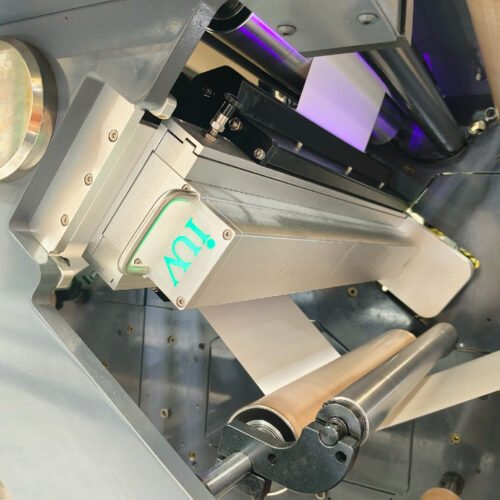
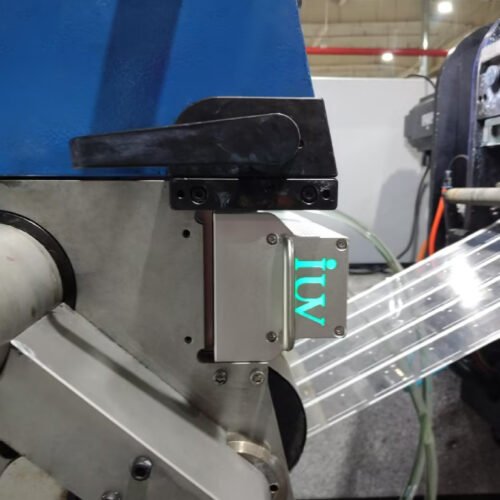
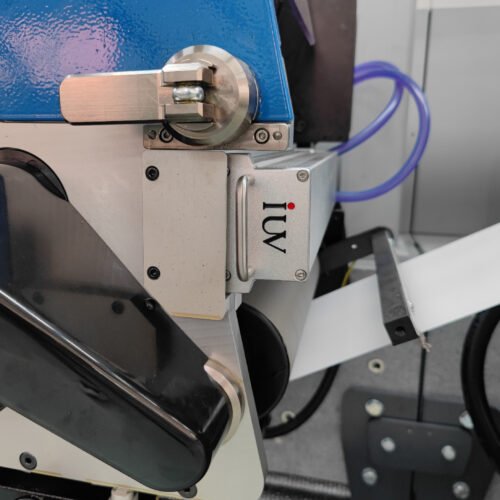
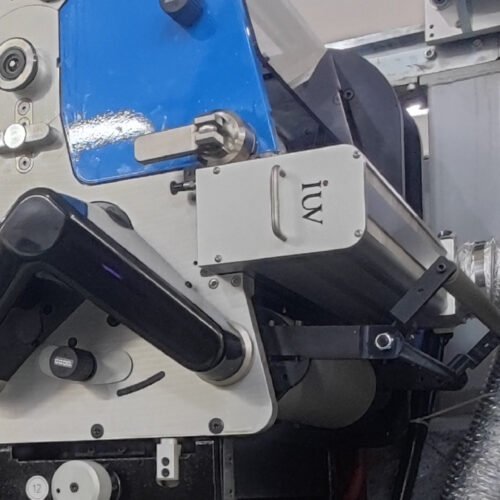
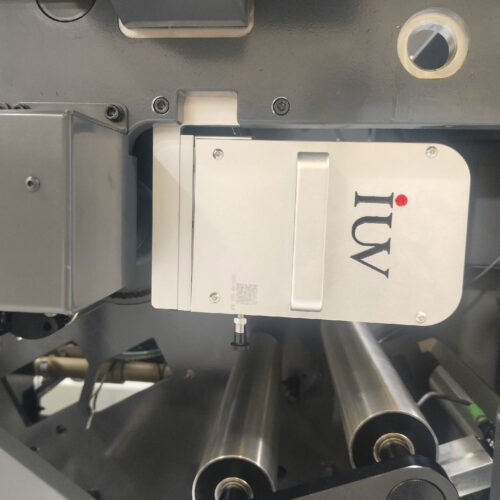
LED UV curing systems represent a quantum leap forward in printing technology. Using light-emitting diodes, these systems produce a targeted UV wavelength that activates photoinitiators in inks and coatings with remarkable efficiency. Their compact size and instant on/off capability make them ideally suited for label printing, narrow-web applications, and flexible packaging.
One of the most prominent advantages of LED UV systems is their significantly longer lifespan. Units often operate between 20,000 to 30,000 hours, reducing maintenance and replacement costs over time. Their low heat emission minimizes substrate warpage, enabling high-quality printing on thin, sensitive materials — a crucial factor in label and flexible packaging applications.
LED UV systems also consume far less energy. They require lower voltage and power, resulting in reduced operational costs and a greener footprint. The instant start-up eliminates warm-up times, boosting productivity by reducing machine downtime. Consistent UV output ensures uniform curing throughout large production runs, enhancing print quality and adhesion.
Impact on Tag Printing, Flexo, and Relief Printing
Tag printing and flexographic presses benefit substantially from the shift toward LED UV curing. These processes demand rapid curing of thick inks, adhesives, and coatings. With LED’s precise wavelength control, inks cure quickly without overexposure, leading to sharper images and richer colors.
In relief and letterpress printing, especially with sensitive substrates, managing heat is critical. The reduced thermal load from LED UV units allows for achieving detailed, crisp impressions without damaging stamper or substrate. This capability extends to narrow-web print jobs, where fine detail and color accuracy are paramount.
Advantages in Narrow-Web and Specialty Printing
Narrow-web printing techniques like label and tag production rely heavily on curing speed and accuracy. LED UV systems excel here, enabling faster press speeds and shorter make-ready times. Their ability to precisely control UV output helps avoid overcure, which can cause cracking or reduced flexibility of the printed material.
For specialty applications involving clear or transparent substrates, LED UV offers enhanced adhesion and substrate compatibility. Its low heat emission and focused wavelength make it easier to achieve durable, high-quality finishes on a variety of substrates, including thin films, foils, and plastics.
Key Considerations in UV Curing Systems
When choosing between traditional UV lamps and LED systems, several practical factors come into play. Cost analysis should include not only the initial investment but also ongoing maintenance, energy consumption, and potential productivity gains. Although LED systems may require a higher upfront investment, their long-term savings and performance benefits often outweigh initial costs.
Technological compatibility is also essential. Modern LED UV units are designed to integrate seamlessly with existing printing presses. Compatibility with diverse inks, coatings, and substrates ensures a smoother transition and broader application flexibility.
Environmental and safety considerations are increasingly influencing decision-making. LED UV systems contain no mercury and produce less ozone, making them safer and more environmentally friendly. Their reduced heat emissions also contribute to healthier working environments and lower cooling costs.
Future Trends in UV Curing for Printing
The trend towards LED UV curing is poised to accelerate as innovations continue to enhance their performance and affordability. Advances in photoinitiator technology are expanding the spectrum and curing speed, allowing even broader application ranges. In parallel, intelligent controls and digital interfaces are making LED UV systems more user-friendly and adaptable to varying production needs.
In specialized fields such as label, flexible packaging, and niche printing markets, LED UV will continue to push the envelope, delivering faster, greener, and more precise curing solutions. The convergence of these innovations will likely redefine standards in the printing industry and elevate the quality and sustainability of printed products.
Overall, the transition from traditional UV lamps to LED UV curing systems in print production, especially in tag, flexo, relief, and narrow-web printing, signals a paradigm shift. It combines technological efficiency, environmental responsibility, and enhanced print quality, fostering a new era where productivity and sustainability go hand in hand.