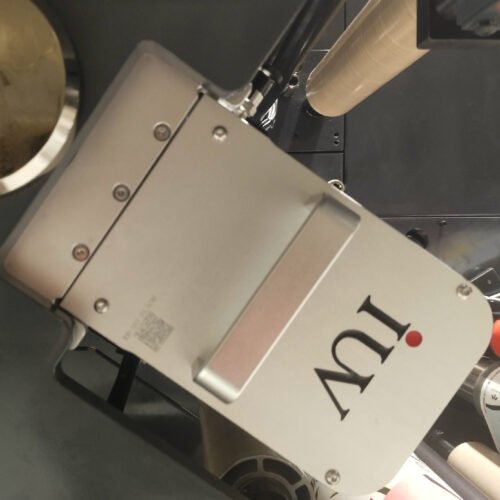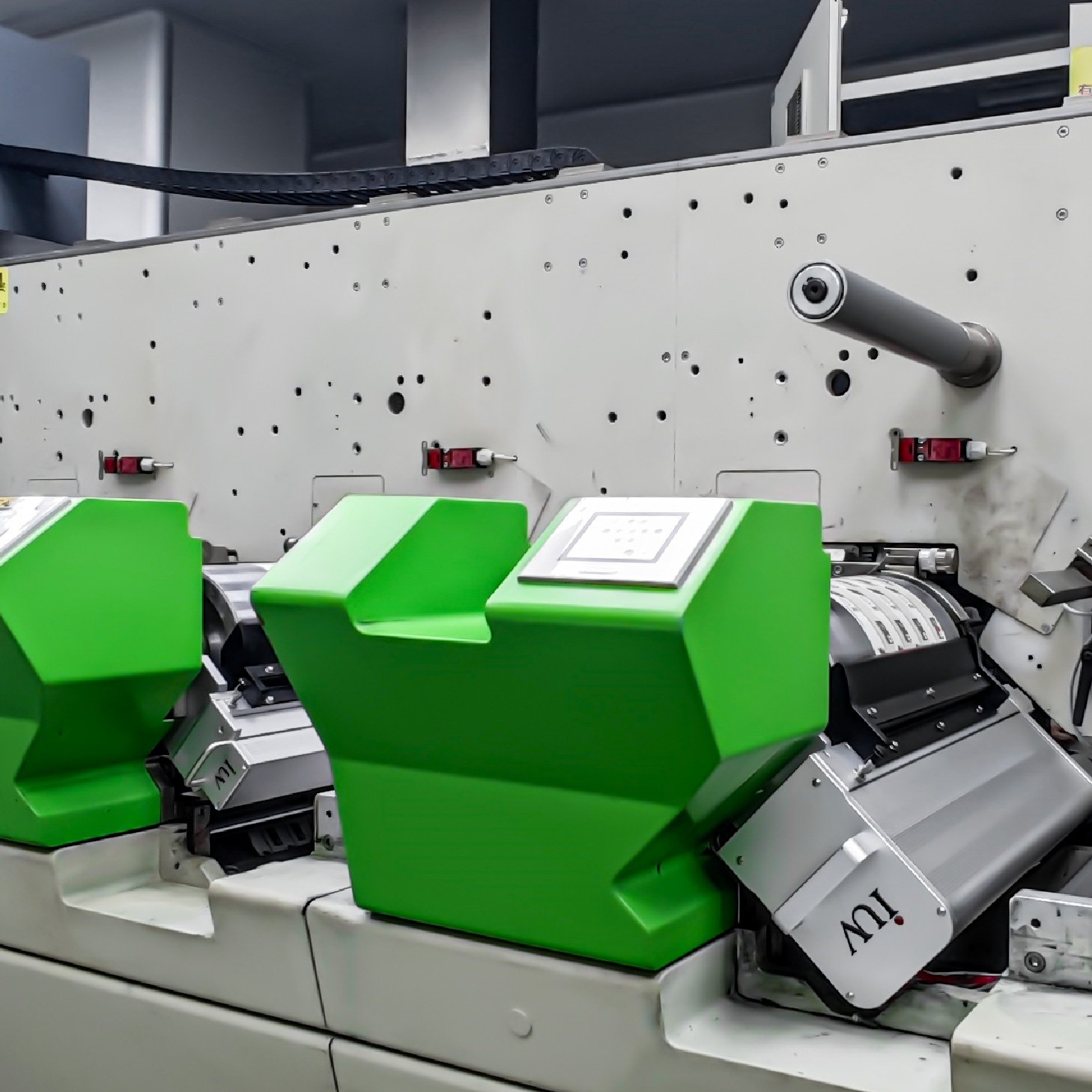
In today’s competitive printing industry, ensuring print durability and resistance is essential. UV curing technology, particularly LED UV curing, has revolutionized how printers achieve superior print quality while enhancing the longevity and resilience of printed materials. This article explores the role of UV curing technology in boosting print durability, particularly in narrow-web, flexographic, and label printing, along with its advantages in improving the overall print quality and performance.
Understanding UV Curing Technology
UV curing refers to the process of using ultraviolet light to dry or cure ink and coatings on printed materials. Unlike traditional heat-based drying, UV curing uses short-wavelength ultraviolet light to trigger a photochemical reaction in special UV inks, causing them to dry instantly when exposed to UV rays. This technology provides numerous benefits, including faster production speeds, improved print quality, and, most importantly, greater durability.
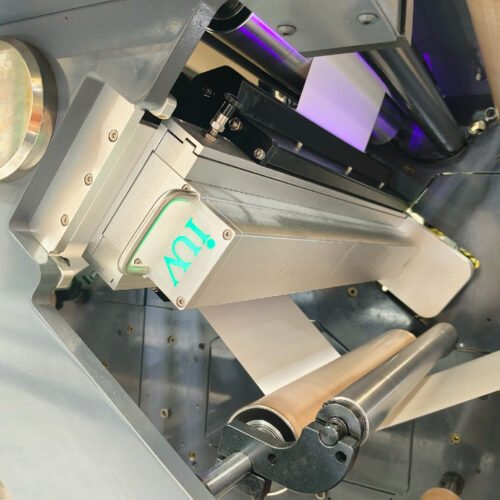
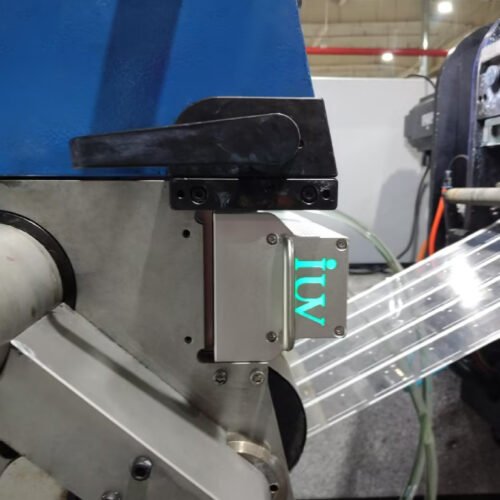
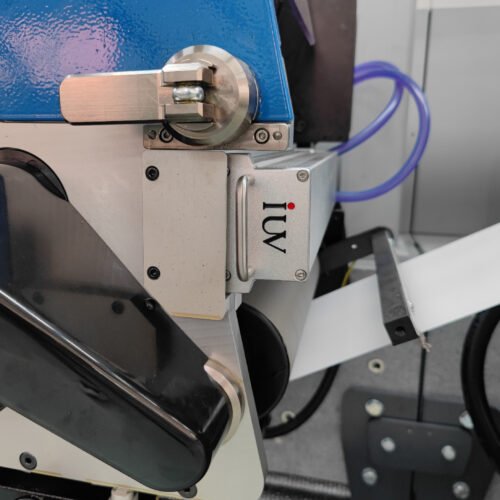
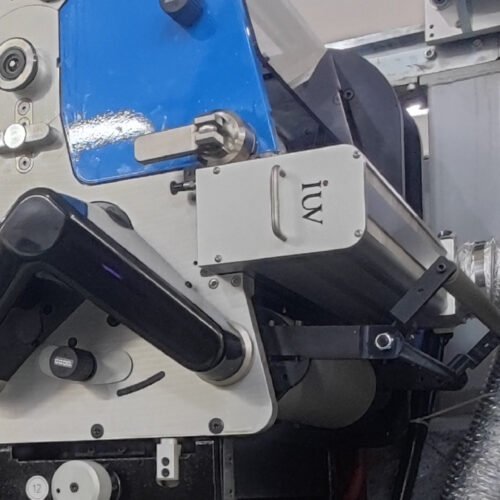
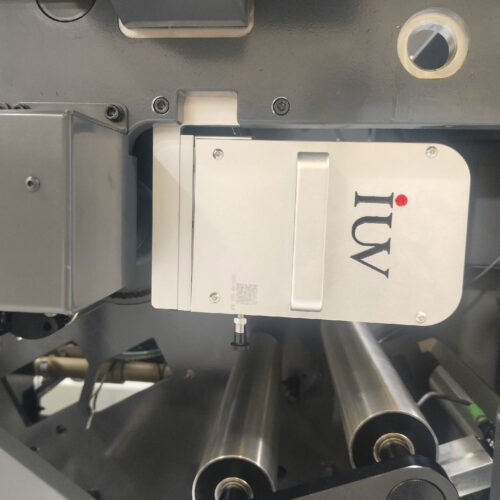
LED UV curing technology is an advanced form of UV curing. Compared to traditional mercury vapor lamps, LED UV lamps are more energy-efficient, offer longer lifespans, and provide higher levels of precision in curing. This makes them especially beneficial in the production of printed labels, flexible packaging, and other narrow-web printing applications.
The Role of UV Curing in Label and Narrow-Web Printing
Label printing and narrow-web printing are key applications where UV curing technology has a significant impact. In these applications, the durability of prints is crucial, as they often need to withstand harsh environmental conditions such as exposure to moisture, chemicals, and abrasion.
Flexographic Printing
Flexographic printing, often used for labels and flexible packaging, benefits immensely from UV curing. Flexo printing uses flexible plates to transfer ink onto a variety of substrates, including plastics, films, and paper. With UV-cured inks, the prints maintain their color vibrancy and resist fading or smudging, even in challenging environments. Additionally, UV curing speeds up production time since the ink dries instantly, eliminating the need for long drying times and reducing the risk of contamination.
Narrow-Web Printing
In narrow-web printing, where precision and high-quality results are critical, UV curing provides significant advantages. UV inks offer better adhesion to a variety of substrates, including films, foils, and paper. This ensures that the prints maintain their integrity over time, even in environments where they are exposed to moisture or chemicals. UV curing also enables faster throughput, allowing for higher productivity without compromising quality.
Ink Durability and Resistance
UV-cured inks are known for their exceptional durability. They offer superior resistance to scratching, fading, and chemicals, making them ideal for applications like labels that need to endure handling, storage, and transport. The inks’ ability to form a tough, high-performance coating on substrates ensures that printed materials maintain their visual appeal and functionality over an extended period.
Advantages of UV Curing Technology in Print Durability
UV curing technology offers several notable advantages when it comes to enhancing print durability and resistance:
1. Faster Drying Times
Traditional printing methods require extended drying times, which can lead to delays in production and increased costs. UV curing eliminates this problem by drying ink instantly upon exposure to UV light. This results in quicker turnaround times, higher production efficiency, and reduced risk of smudging or damage to prints.
2. Improved Adhesion
UV curing technology enhances the adhesion of inks to a wide range of substrates. This is particularly important in label and flexible packaging printing, where different types of materials are often used. The strong bond between the ink and the substrate ensures that the print is more resistant to scratching, fading, and chemical exposure.
3. Enhanced Color Brightness and Vibrancy
One of the key benefits of UV curing is the ability to maintain the brightness and vibrancy of colors. Unlike traditional inks that can fade over time, UV inks remain bold and vivid for longer, even under harsh conditions. This makes UV curing a great choice for high-quality, eye-catching labels and packaging.
4. Energy Efficiency
LED UV curing is far more energy-efficient than traditional curing methods. The lower energy consumption of LED lamps leads to cost savings, making it an attractive option for high-volume printing operations. LED lamps also have a longer operational life compared to mercury vapor lamps, reducing maintenance costs over time.
5. Eco-Friendly Printing
UV inks do not release harmful volatile organic compounds (VOCs) into the atmosphere, making UV curing a more eco-friendly choice compared to conventional drying systems. This is particularly important as sustainability becomes a growing concern in the printing industry.
UV Curing in Flexo and Plate Printing
Flexographic Printing
In flexographic printing, UV curing technology offers significant benefits. Flexo printing often involves printing on non-porous substrates like plastic films or foils. Traditional drying methods can be ineffective on these materials, but UV curing provides instant curing, resulting in better adhesion, durability, and faster production speeds. This makes flexo printing with UV inks a popular choice for applications such as food packaging, beverage labels, and cosmetic packaging.
Plate Printing
Plate printing involves the use of printing plates to transfer ink to a substrate. UV curing enhances the durability and quality of prints in plate printing by ensuring that the ink dries quickly and adheres firmly to the surface. This is particularly useful for high-quality, long-lasting prints in narrow-web applications.
The Future of UV Curing Technology
As the printing industry continues to evolve, UV curing technology, particularly LED UV curing, is likely to play an even more significant role. With advances in curing systems, inks, and substrates, the potential for UV curing to revolutionize print durability and resistance is vast. The combination of faster production times, energy efficiency, and superior print quality makes it a clear choice for printers looking to improve their operations and meet the increasing demands of consumers and markets.
Conclusion
UV curing technology, and particularly LED UV curing, has proven to be a game-changer for the printing industry. It enhances print durability and resistance, offering superior protection against abrasion, fading, and chemical exposure. Whether in narrow-web, flexographic, or label printing applications, UV curing provides faster drying times, improved adhesion, and long-lasting vibrant colors. As technology continues to advance, the benefits of UV curing will only become more pronounced, making it an essential tool for printers aiming to deliver high-quality, durable prints to their customers.