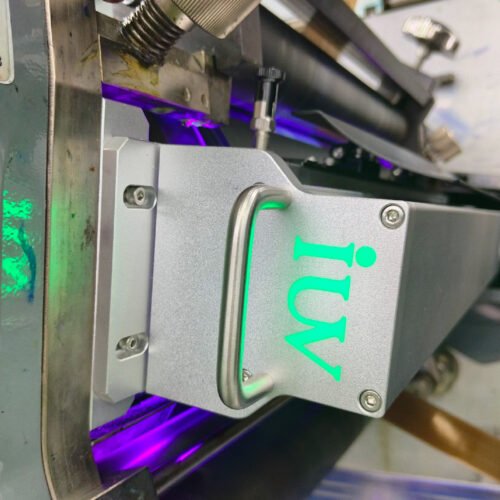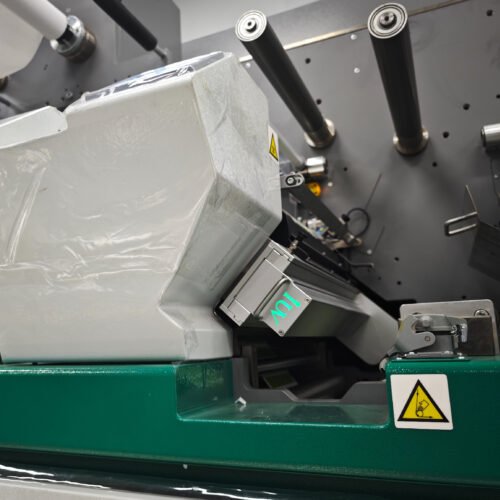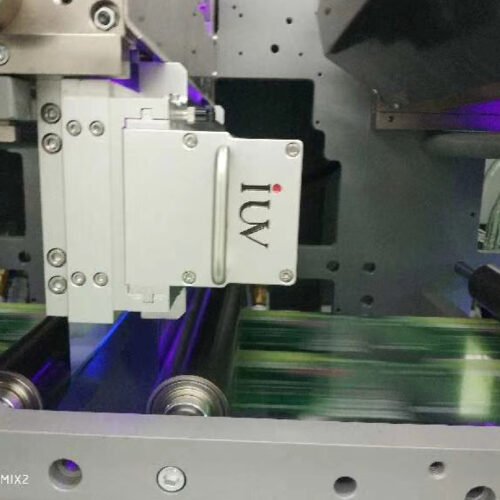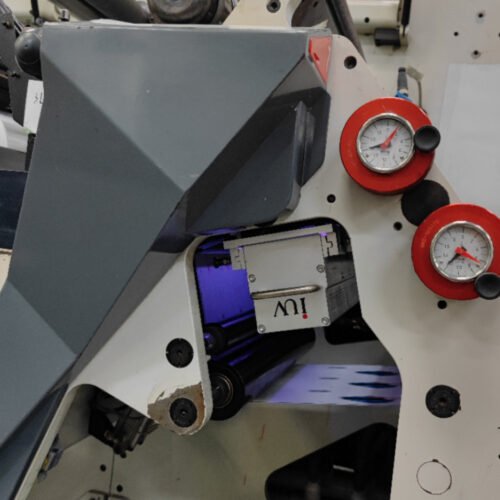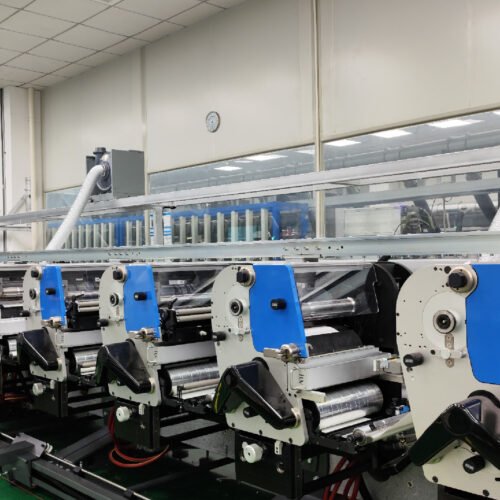
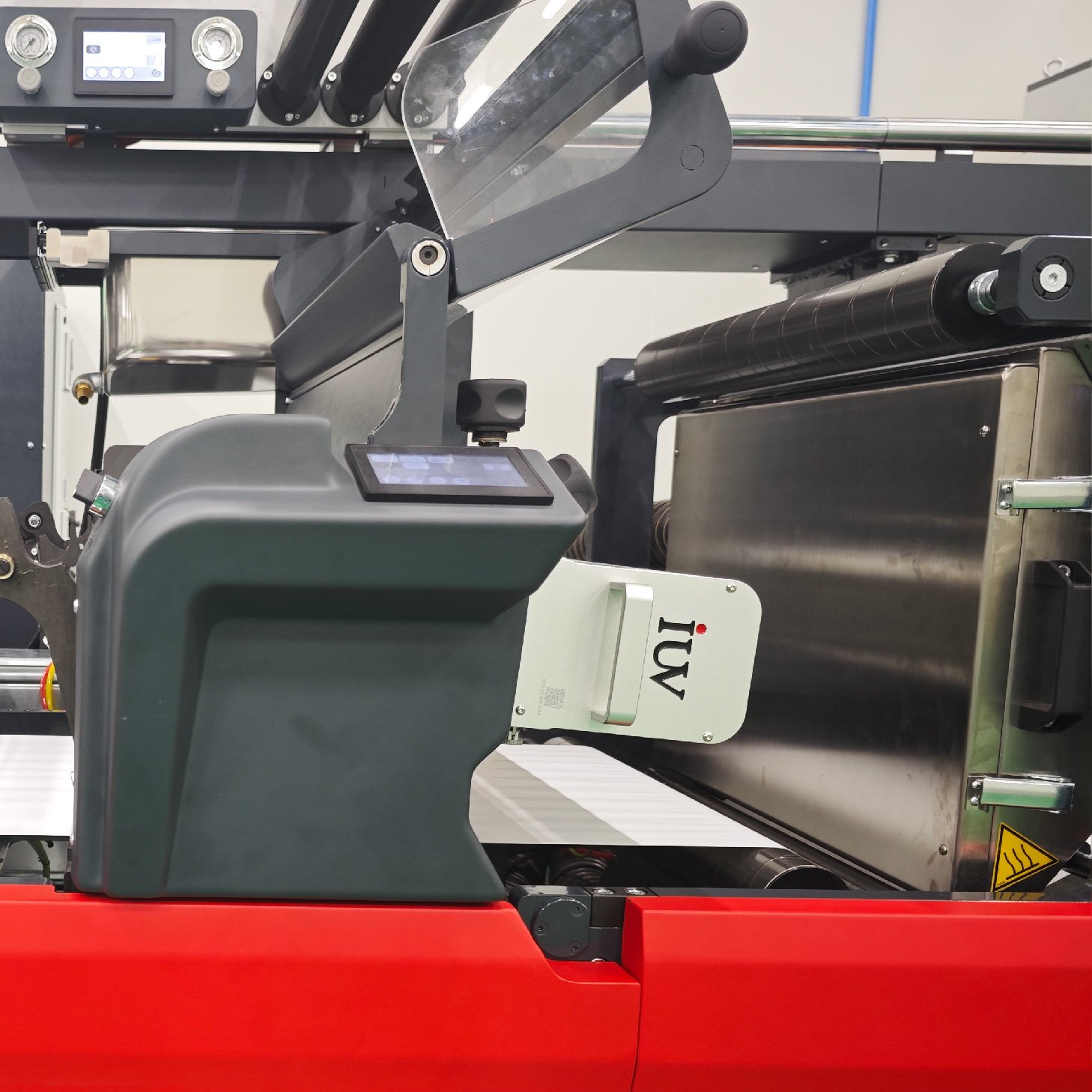
In the fast-evolving world of printing technology, achieving precise print registration is vital to delivering high-quality prints with accuracy and consistency. Print registration refers to the alignment of colors and designs in the final printed product, and any misalignment can cause significant defects, such as color inconsistencies or blurry text. With the introduction of modern UV curing systems, specifically LED UV curing, the ability to optimize print registration has advanced significantly. This article explores how UV curing systems, especially LED technology, play a pivotal role in improving registration accuracy in label printing, flexographic printing, and narrow-web printing.
Understanding UV Curing Technology
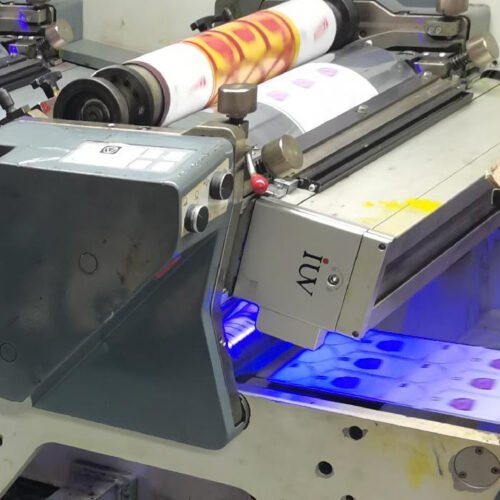
UV curing is a process that uses ultraviolet light to instantly dry or cure ink or coating. When UV ink is exposed to UV light, it undergoes a chemical reaction, turning from liquid to solid almost instantly. LED UV curing, in particular, uses LEDs as the light source, offering several advantages over traditional mercury vapor lamps. These advantages include lower energy consumption, longer lifespans, and more precise control over curing.
UV curing plays a crucial role in preventing misregistration issues. This is because UV inks dry faster, allowing each printed layer to set in place quickly. As a result, the risk of smudging or shifting between print layers is minimized, leading to more accurate registration during multi-pass printing processes.
The Role of UV Curing in Flexographic Printing
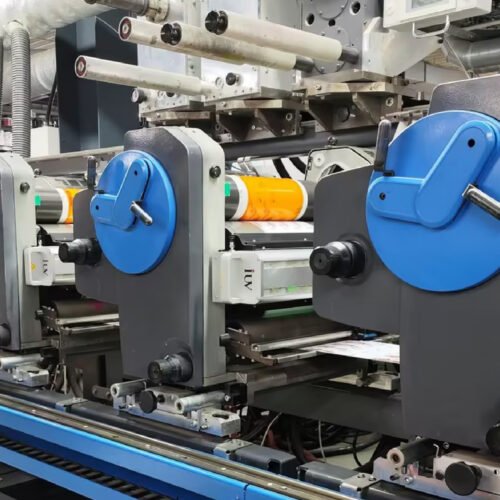
Flexographic printing is widely used in packaging, especially for labels and flexible materials. This method uses flexible plates to transfer ink onto the substrate, often in multiple color layers. Achieving perfect registration in flexographic printing is challenging due to the flexibility of the plates and the fast speeds at which the press operates.
In the past, misregistration in flexographic printing often occurred due to the time it took for the inks to dry, especially when using solvent-based inks. However, with LED UV curing, the curing process occurs in a fraction of the time, drastically reducing the chances of ink misalignment between color layers. Additionally, the instant curing process minimizes the effect of environmental factors, such as humidity, which can impact registration accuracy. With LED UV curing, print registration becomes more reliable, leading to sharper images and more vibrant colors.
Benefits for Narrow-Web Printing
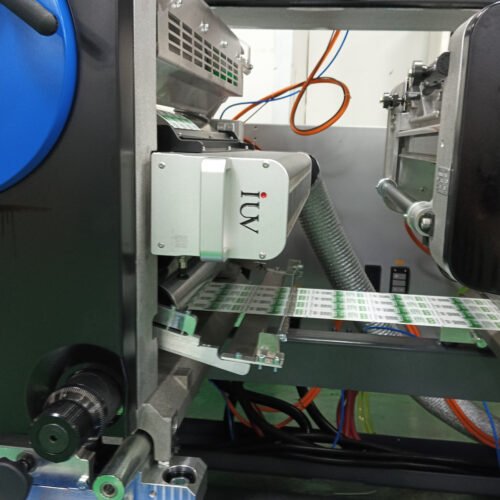
Narrow-web printing refers to the printing of labels, tags, and other small-format materials. Like flexographic printing, narrow-web printing often requires precise color registration to ensure high-quality results. The compact nature of narrow-web presses requires quick ink curing to maintain registration accuracy, and this is where LED UV technology shines.
With narrow-web printing, traditional drying methods (such as air drying or conventional heat drying) can cause delays in the registration process, particularly when handling multiple ink layers. UV curing, on the other hand, allows the inks to cure immediately after they pass through the press, significantly reducing the likelihood of misalignment during subsequent printing passes. This instant curing not only improves registration but also enhances overall productivity by shortening drying times.
Label Printing and UV Curing
Label printing is one of the sectors that benefit the most from advanced UV curing systems. Whether it’s pressure-sensitive labels, shrink sleeves, or other types of printed labels, achieving high-quality registration is critical for the branding and functionality of the product. With LED UV curing systems, printers can maintain precise alignment even in high-speed, multi-color printing jobs.
One of the main challenges in label printing is managing the intricate designs and fine details that often accompany modern labels. With traditional drying methods, these designs can shift or blur, especially if the ink has not dried completely before subsequent layers are applied. The UV curing process minimizes this risk by ensuring that the ink is dry and stable almost immediately, reducing the potential for misregistration or color discrepancies between layers.
Furthermore, LED UV curing systems are particularly advantageous when it comes to printing on non-porous substrates, such as films and plastics. These materials, which are commonly used in label printing, do not absorb ink the way paper does. This can result in longer drying times with conventional inks. LED UV inks, however, cure almost instantly, leading to sharper prints and better registration.
How LED UV Curing Optimizes Print Registration
LED UV curing technology addresses several issues that traditionally hindered print registration:
- Instant Drying: LED UV inks dry almost instantaneously under UV light, preventing ink from shifting or smudging between print passes. This immediate curing helps maintain the correct alignment of printed images, especially when multiple layers are involved.
- Consistent Curing: Unlike traditional curing methods, which can vary in temperature and drying times, LED UV curing provides consistent and uniform curing. This consistency ensures that all printed layers cure uniformly, which is essential for accurate registration.
- Reduced Set-Off and Smudging: In traditional printing methods, uncured ink can transfer from one printed surface to another, causing smudging or misalignment. Since LED UV ink is fully cured before it touches the next surface, this issue is minimized, leading to more precise registration.
- Increased Speed and Efficiency: With faster curing times, LED UV curing systems enable higher press speeds without compromising on registration accuracy. This results in more efficient production and reduced waste.
- Improved Adhesion: UV-curable inks provide strong adhesion to a wide variety of substrates, including difficult-to-print materials like plastic films. Strong adhesion is key to ensuring that the printed image remains in place throughout the production process, further improving registration accuracy.
Conclusion
Optimizing print registration is crucial for maintaining high-quality output in label printing, flexographic printing, and narrow-web printing. The integration of LED UV curing technology into modern printing presses has proven to be a game-changer in this regard. By providing faster drying times, more consistent curing, and improved adhesion, LED UV curing minimizes the risks of misregistration, resulting in sharper, more vibrant prints.
Whether in high-speed label printing, intricate flexographic jobs, or narrow-web applications, LED UV curing systems are an essential tool for achieving precise print registration. With its ability to cure ink instantly, it ensures that each layer of ink remains in place, reducing the risk of misalignment between colors. As a result, print manufacturers can enhance quality, reduce waste, and improve overall efficiency—making LED UV curing a key component of modern printing technology.