Enhancing Sustainability in Printing: Embracing Energy-Efficient UV Curing Systems
In today’s competitive printing industry, environmental responsibility and operational efficiency are more critical than ever. Print shops strive to reduce emissions, minimize energy consumption, and ensure high-quality output. Among the solutions gaining momentum is the adoption of UV curing systems, especially those utilizing LED technology. This shift not only benefits the environment but also amplifies productivity and enhances print quality across various printing processes, including flexo, letterpress, and narrow-web printing.
Understanding UV Curing in Printing
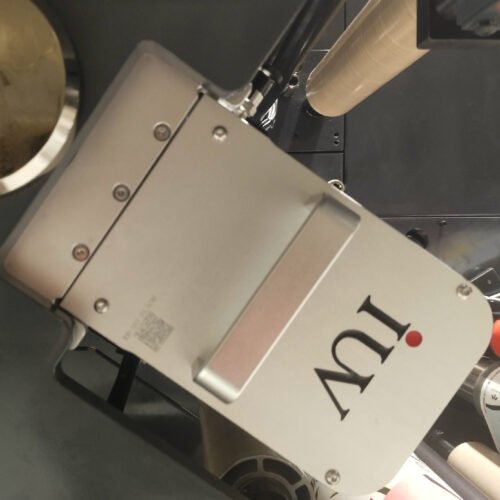
UV curing involves using ultraviolet light to instantly dry or cure inks, coatings, and adhesives. Traditional mercury vapor lamps have been the standard, but they consume significant energy and produce considerable heat, leading to higher emissions. The evolution toward LED UV curing systems offers a sustainable alternative. LED UV systems are more energy-efficient, generate less heat, and have longer operational lifespans. This transition improves overall environmental impacts, aligning with industry goals of reducing carbon footprint and complying with stricter emissions regulations.
Benefits of LED UV Curing Systems
Energy Efficiency: LED UV systems consume up to 70% less energy compared to traditional mercury lamps. This reduction in energy use directly translates to lower emissions associated with electricity production.
Reduced Heat Generation: The lower heat output minimizes thermal stress on substrates. This is particularly beneficial for thin or heat-sensitive materials used in labels, flexible packaging, and other narrow-web applications.
Enhanced Productivity: LED UV lamps have a longer lifespan—up to 20,000 hours—reducing downtime and maintenance costs. Instant on/off capabilities accelerate production cycles.
Eco-Friendly Operation: By eliminating hazardous mercury lamps, LED systems reduce environmental hazards and disposal concerns, contributing to safer working environments and sustainable practices.
Applicability in Various Printing Processes
Label Printing and Narrow Web Applications
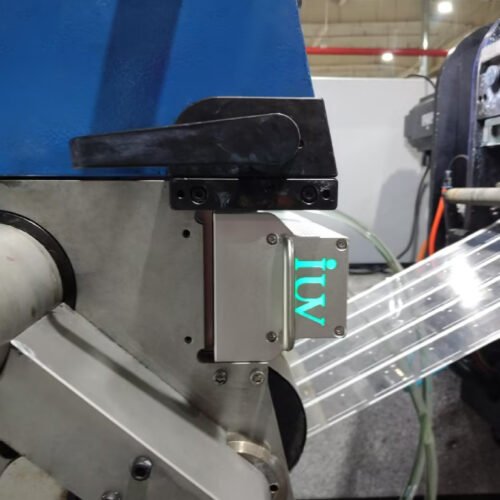
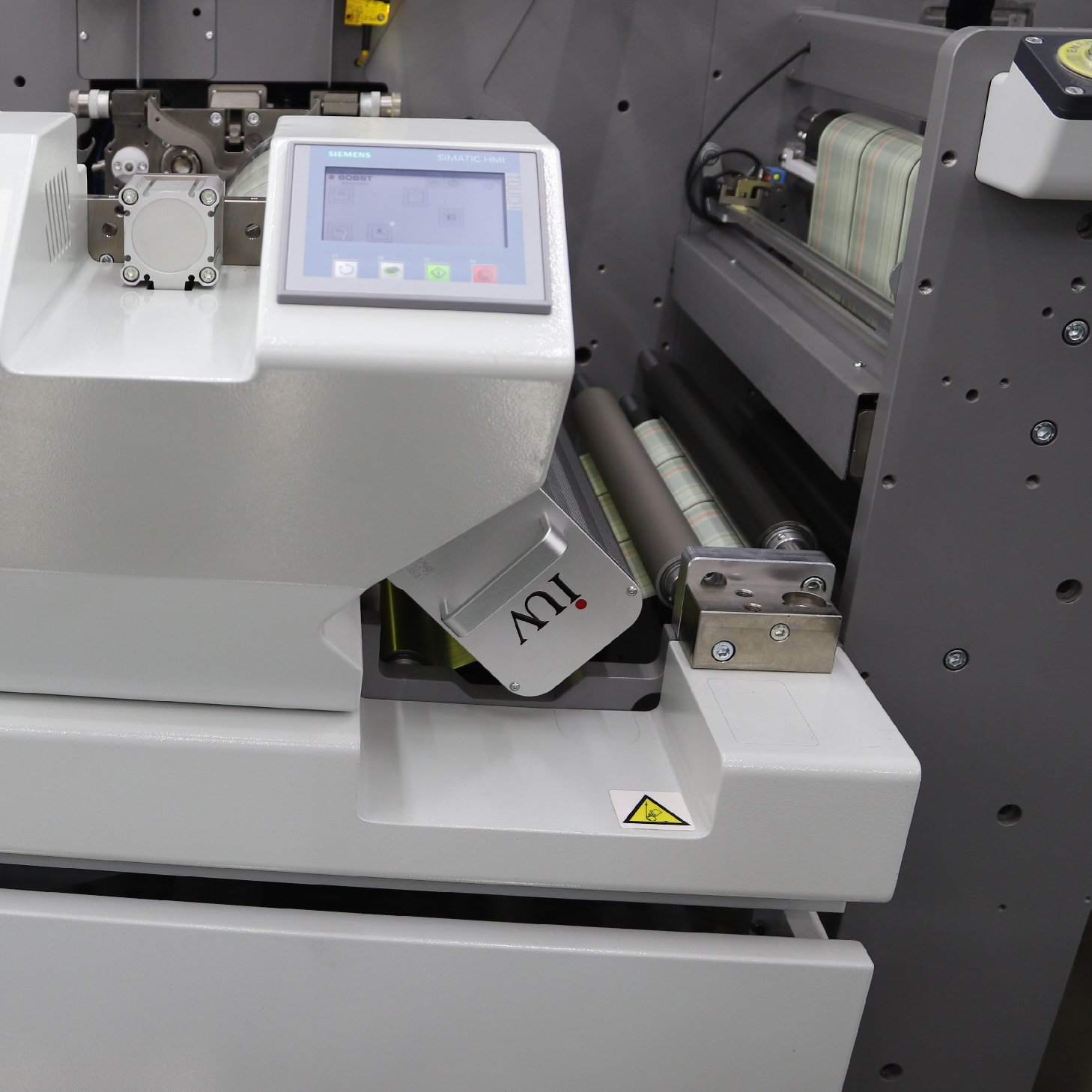
In label and narrow web printing, the demand for vibrant colors and fast turnaround times is high. LED UV curing systems quickly dry water- or solvent-based inks, enabling rapid production. The ability to cure inks instantly enhances lamination and embossing processes, ensuring higher quality and durability. Additionally, lower heat emissions protect delicate substrates like polyester films or paper labels, preventing warping or distortion.
Flexo Printing
Flexo printing benefits significantly from LED UV curing systems due to their precision and speed. The instant curing capability reduces downtime between print jobs and allows for more complex printing with finer details. The energy-efficient nature of LEDs aligns well with flexo presses operating continuously, especially in vibrant package printing where color fidelity is vital. The consistent curing level ensures dye and pigment stability, translating into consistent color reproduction.
Letterpress and Traditional Printing
While letterpress and traditional printing methods are often associated with older techniques, integrating LED UV curing can rejuvenate workflows. Fast curing times enable quicker turnaround, increasing operational throughput. LED UV systems help maintain ink adhesion and color brilliance, preserving the craft’s aesthetic qualities while reducing environmental impact.
Ink Compatibility and Substrate Versatility
LED UV curing systems are compatible with a wide range of inks including spot, process, and specialty inks. Their rapid curing capabilities facilitate printing on diverse substrates, from rigid plastics to flexible films. This versatility makes them ideal for label printing, flexible packaging, and other niche markets. Additionally, the low heat output allows for printing on heat-sensitive materials such as foils and thin papers, broadening substrate options.
Optimizing Print Quality with LED UV Systems
Achieving high-quality print output is paramount. LED UV curing ensures consistent curing across the substrate, reducing the risk of smudges or incomplete drying. The stable and focused UV light source produces sharp images with vibrant colors and fine detail. Furthermore, the instant curing process minimizes ink spreading or bleeding, resulting in crisp, clean images suitable for high-end branding and packaging.
Environmental Impact and Compliance
Many regions enforce strict regulations on industrial emissions, including volatile organic compounds (VOCs) emitted during conventional solvent-based printing. UV inks inherently emit fewer VOCs, and combining these with energy-efficient LED systems further reduces environmental impact. This combination supports compliance with environmental standards and enhances a company’s sustainability profile.
Implementing LED UV Curing Systems
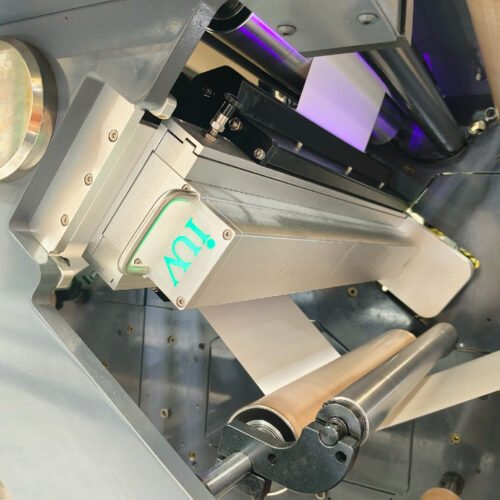
Transitioning to LED UV technology involves assessing existing equipment and workflows. Retrofitting or upgrading printing presses with compatible LED UV modules offers a seamless switch. It’s prudent to work with experienced suppliers who can tailor solutions to specific applications—whether for narrow-web, flexo, or sheet-fed operations.
Cost Considerations and ROI
While initial investments in LED UV curing systems might be higher than traditional mercury vapor lamps, the long-term savings are significant. Reduced energy consumption, lower maintenance costs, extended lamp life, and faster production cycles contribute to a favorable return on investment. Moreover, the improved environmental performance can enhance brand reputation and meet regulatory requirements.
Conclusion
Adopting energy-efficient UV curing systems represents a strategic move for modern print shops aiming to reduce emissions, lower operational costs, and produce superior print quality. The advantages of LED UV technology—improved sustainability, operational efficiency, and substrate versatility—make it an ideal choice across various printing sectors. Embracing this innovation not only aligns with ecological responsibility but also positions print businesses competitively in an evolving market landscape.