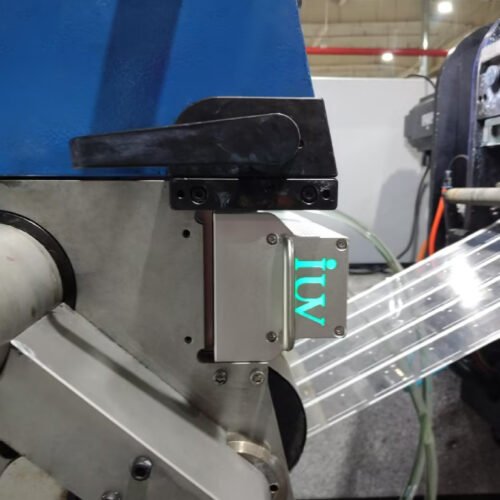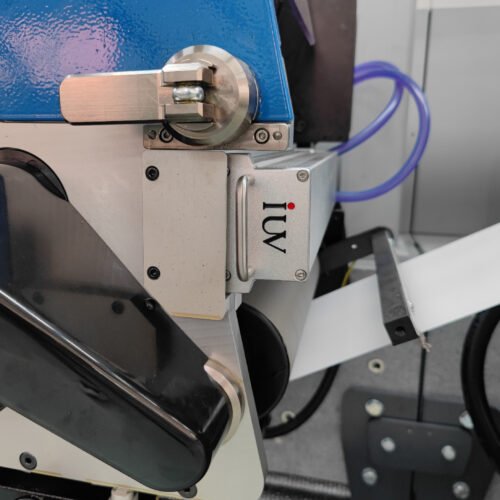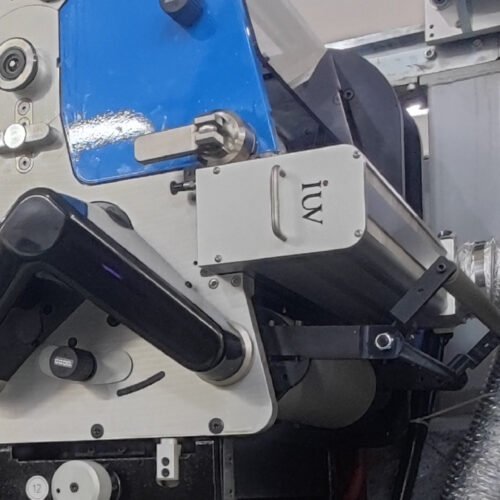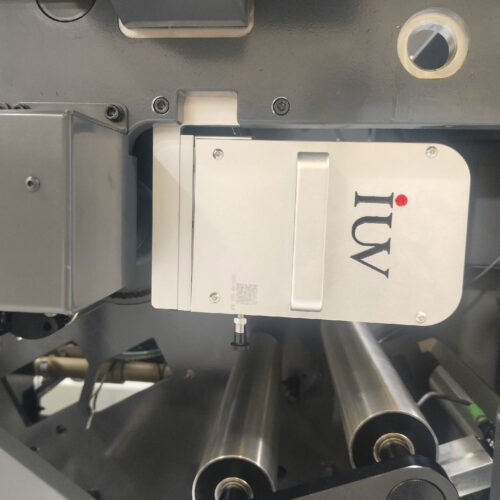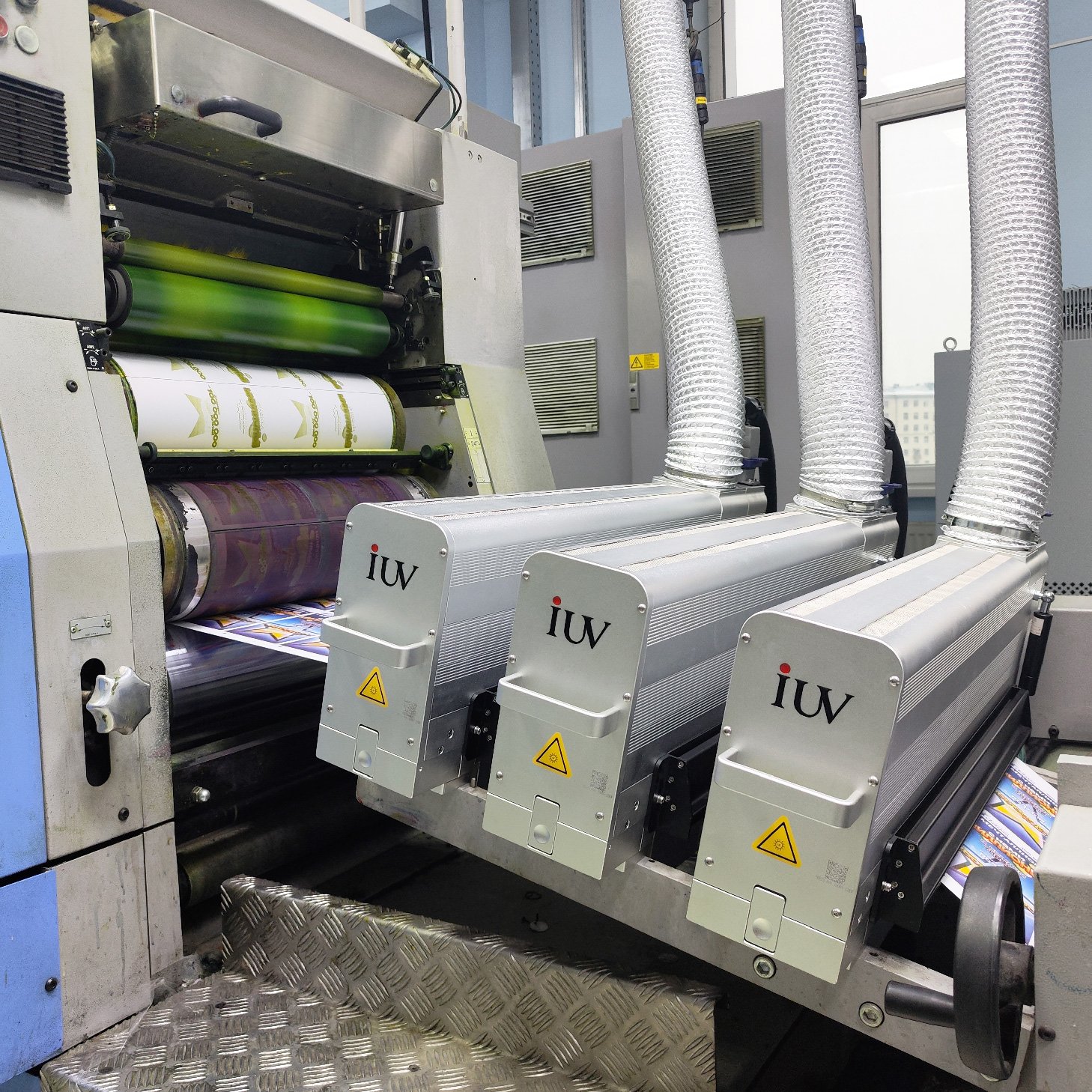
Achieving flawless print quality at rapid production paces is a constant challenge in the printing world. High-speed printing demands efficient and reliable curing methods. This is where UV curing systems truly shine, especially for demanding applications like labels, flexography, offset, and narrow web printing. They offer a technological leap, ensuring every printed piece is perfectly cured, no matter how fast the press is running.
The core of this effectiveness lies in the science of UV curing. Unlike traditional drying methods that rely on evaporation or oxidation, UV curing uses ultraviolet light to initiate a photochemical reaction. This reaction, known as polymerization, transforms liquid inks, coatings, or adhesives into a solid, durable film almost instantaneously. The process is incredibly fast, which is precisely why it’s become indispensable for high-speed operations.
In the realm of label printing, where intricate designs and vibrant colors need to pop while withstanding wear and tear, UV curing is a game-changer. Presses can churn out thousands of labels per minute. If the ink doesn’t cure properly, smudging, scratching, or poor adhesion can lead to a high rate of waste. UV systems, whether traditional mercury lamp-based or the more modern LED UV, deliver a powerful burst of UV energy. This energy penetrates the ink layer, initiating rapid polymerization. The result is ink that is instantly dry, hard, and ready for the next stage of finishing or packaging. This reliability drastically reduces downtime and rejects, boosting overall profitability.
Flexographic printing, widely used for packaging and labels, also benefits immensely from UV curing. Flexo presses are designed for speed and volume. UV inks and coatings cure so quickly under UV lamps that they don’t have time to spread or blur. This means sharper dots, crisper lines, and a more consistent print appearance across the entire run. Furthermore, UV-curable inks are often more robust than their water-based counterparts. They offer superior scratch resistance, chemical resistance, and durability, which are critical for many packaging applications. The speed of UV curing allows flexo printers to maintain their impressive production speeds without compromising on the quality or performance of the final printed product.
Offset printing, especially in narrow web applications for high-volume labels and commercial prints, also leverages UV curing for its speed and quality benefits. Traditional offset inks require time to dry through absorption and oxidation, which can limit press speeds. UV offset inks, when exposed to UV light, cure in seconds. This allows for immediate post-press processing, such as die-cutting or lamination, without the risk of smearing or offsetting onto the next sheet or web. The intense energy from UV lamps ensures thorough curing, even in dense ink areas, leading to prints with excellent gloss, color saturation, and resistance to abrasion.
Narrow web printing, a specialized segment often focusing on labels, flexible packaging, and specialty printing, thrives on efficiency. Presses in this category are engineered for tight tolerances and high throughput. UV curing systems are perfectly suited to these demands. The precise control offered by UV systems ensures that the energy delivered is optimal for the specific ink or coating being used. This prevents under-curing, which leads to poor performance, and over-curing, which can cause ink brittleness or substrate damage. The ability to cure instantly means that printers can handle a wider variety of substrates, including heat-sensitive films, without concerns about heat-related distortion.
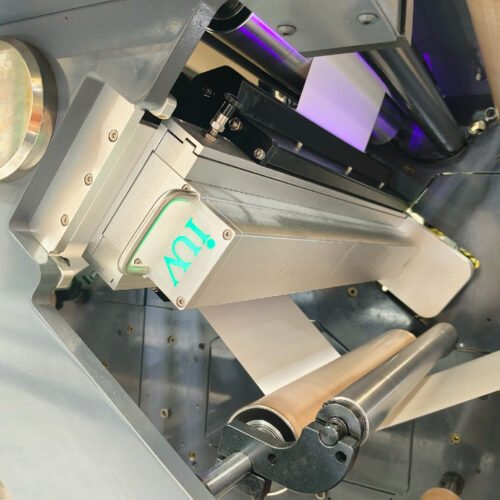
The evolution of UV curing technology, particularly the advent of LED UV systems, has further enhanced these capabilities. LED UV offers several advantages over traditional mercury lamps. They consume less energy, produce less heat, and have a much longer lifespan. More importantly for high-speed printing, LEDs offer a very narrow spectral output that can be precisely matched to the absorption characteristics of UV inks and coatings. This targeted energy delivery leads to extremely efficient and consistent curing, even at the fastest press speeds. The instant on/off nature of LEDs also means there’s no warm-up time, and they only consume power when the lamp is active, contributing to further energy savings and a reduced carbon footprint.
For printers, the implications of perfect curing at high speeds are profound. It translates directly into increased productivity. Less time is wasted waiting for ink to dry. More jobs can be completed in a given shift. It also means improved product quality. Prints are more durable, colors are more vibrant, and defects are minimized. This leads to greater customer satisfaction and reduced costs associated with reprints or handling customer complaints. The enhanced resistance properties of UV-cured inks and coatings also open up new application possibilities, allowing printers to offer higher-value products.
The integration of UV curing systems into modern printing presses is seamless. Control systems allow operators to precisely adjust UV intensity and exposure time to match the specific requirements of each job. This level of control, combined with the inherent speed of the UV curing process, ensures that printers can confidently push their presses to their maximum speeds while maintaining impeccable print quality. Whether it’s the vibrant graphics on a product label, the robust print on a flexible package, or a high-volume commercial run, UV curing systems are the silent workhorses ensuring perfect results, every time, at every speed.