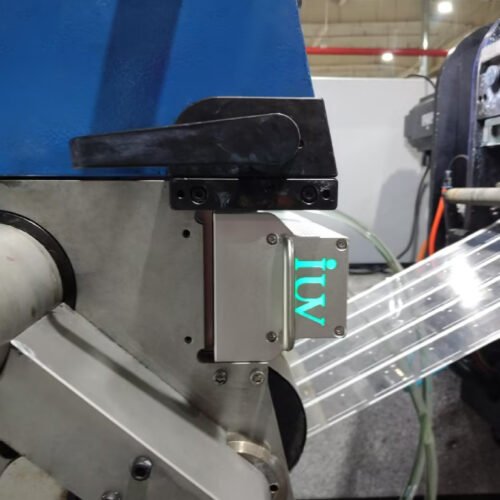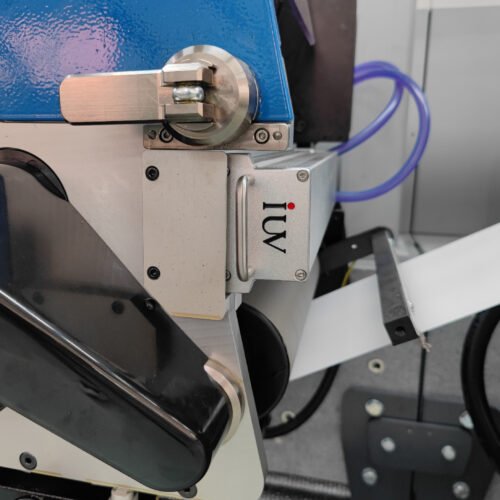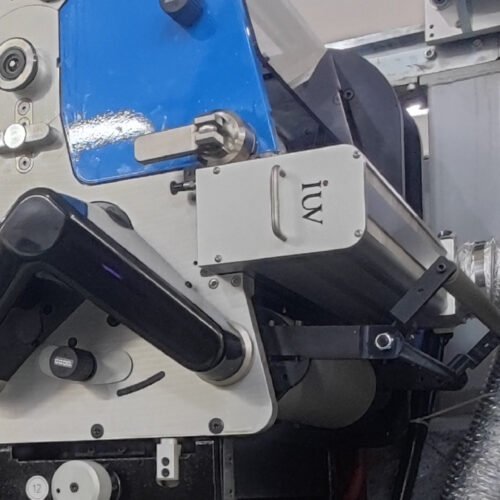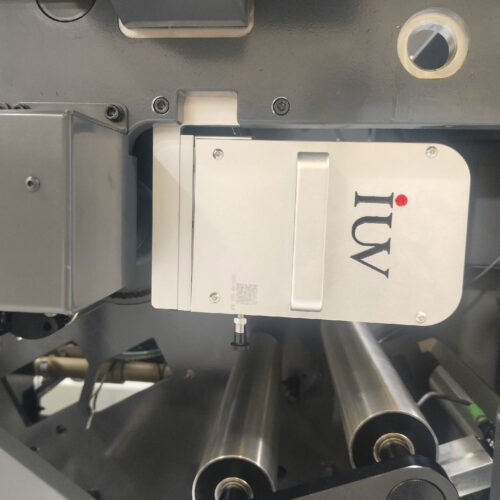
The world of label printing is constantly evolving. As demand for high-quality, durable, and visually striking labels grows, converters are seeking technologies that can keep pace. This is where UV curing systems have become indispensable. They aren’t just an upgrade; they’re a fundamental requirement for staying competitive in today’s market.
Modern label converters face a unique set of challenges. Customers expect vibrant colors, intricate designs, and labels that can withstand harsh environments. This means printers need to use inks and coatings that dry instantly and perform exceptionally. Traditional drying methods often fall short. They can be slow, energy-intensive, and may not offer the necessary level of durability. This is precisely why UV curing technology has emerged as a game-changer.
At its core, UV curing is a photochemical process. When inks, coatings, or adhesives are exposed to specific wavelengths of ultraviolet light, they undergo a rapid transformation. Photoinitiators within the formulation absorb the UV energy. This triggers a polymerization reaction. The liquid material instantly solidifies, or “cures,” into a durable film. This process is remarkably fast, often occurring in a fraction of a second.
For label converters, this speed is a massive advantage. It means higher press speeds are achievable. This directly translates to increased productivity and lower per-label costs. Imagine a narrow web flexographic press running at top speed, with each printed label instantly cured and ready for the next stage. This is the reality that UV curing enables.
The benefits extend far beyond just speed. UV-cured inks and coatings offer superior performance characteristics. They are known for their excellent scratch and abrasion resistance. This is crucial for labels that might be handled frequently or exposed to rough conditions. Think about product labels on cleaning supplies, automotive parts, or outdoor equipment. Durability is paramount.
Furthermore, UV inks provide exceptional chemical resistance. They can stand up to a wide range of solvents, oils, and other substances. This broadens the application possibilities for converters, allowing them to serve more diverse industries. The vibrant colors often associated with UV inks are another significant plus. They offer high gloss, excellent color vibrancy, and good lightfastness, making labels pop off the shelf.
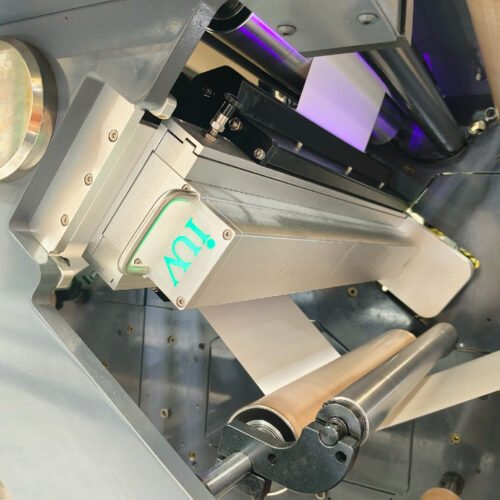
The transition to LED UV curing technology has further amplified these advantages. While traditional mercury-vapor UV lamps have served the industry well, LED UV systems offer a compelling set of improvements. LEDs are highly energy-efficient. They consume significantly less power than their mercury-vapor counterparts. This leads to substantial cost savings on electricity bills, a significant operational expense for any printing facility.
Another key advantage of LED UV is their longevity. LEDs have a much longer operational lifespan. They can last for tens of thousands of hours, often for years, without needing replacement. This reduces downtime associated with lamp changes and lowers maintenance costs. Unlike mercury lamps, LEDs do not contain hazardous materials, making disposal more environmentally friendly.
The spectral output of LEDs can also be precisely controlled. This allows for optimized curing of specific ink and coating formulations. Converters can fine-tune the UV output to match their materials perfectly. This ensures consistent, high-quality curing every time, minimizing waste and rejections. The lower heat output of LEDs is also beneficial. It reduces the risk of heat-sensitive substrates, like thin films or certain plastics, warping or deforming during the curing process.
For narrow web label printing, UV curing, especially with LED technology, is becoming the de facto standard. Flexography, the dominant printing method in this sector, works exceptionally well with UV inks. The high impression cylinder speeds of flexo presses are perfectly complemented by the instant curing capabilities of UV. This synergy allows for high-volume, high-quality label production.
Offset printing, or sheetfed lithography, also benefits immensely from UV curing, particularly for specialized label applications. While traditionally more associated with sheetfed applications, UV has found its niche in producing premium labels where exceptional print quality and durability are required. The ability to overprint and spot-coat with UV varnishes adds another layer of design flexibility and protective value.
The choice of UV curing system is a critical decision for any label converter. Factors to consider include the type of press, the substrates being used, the ink and coating formulations, and the desired production output. Modern presses often come pre-equipped with UV curing stations, but retrofitting existing equipment is also a common and effective practice.
Implementing UV curing technology is an investment, but the return is substantial. The increased press speeds, improved product quality, reduced waste, and lower operational costs all contribute to a healthier bottom line. It empowers label converters to meet the evolving demands of their customers and to tackle more complex and profitable print jobs.
In essence, UV curing systems are no longer a luxury; they are a necessity. For label converters looking to thrive in a competitive landscape, embracing this technology is a strategic imperative. It allows for the creation of labels that are not only visually appealing but also robust, durable, and produced with maximum efficiency.