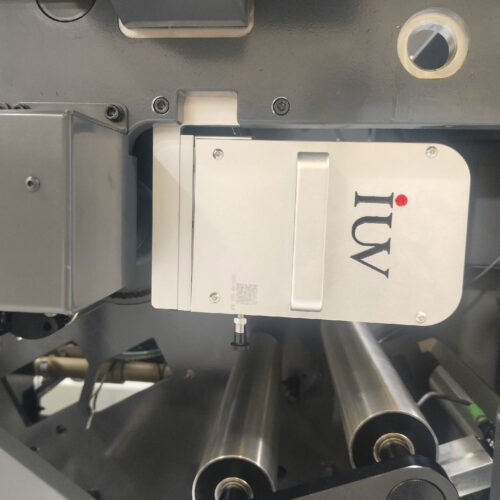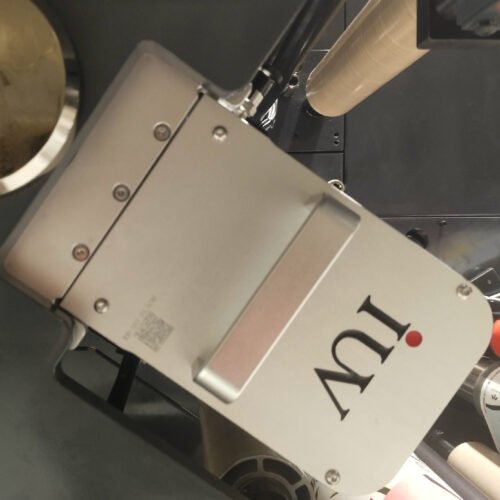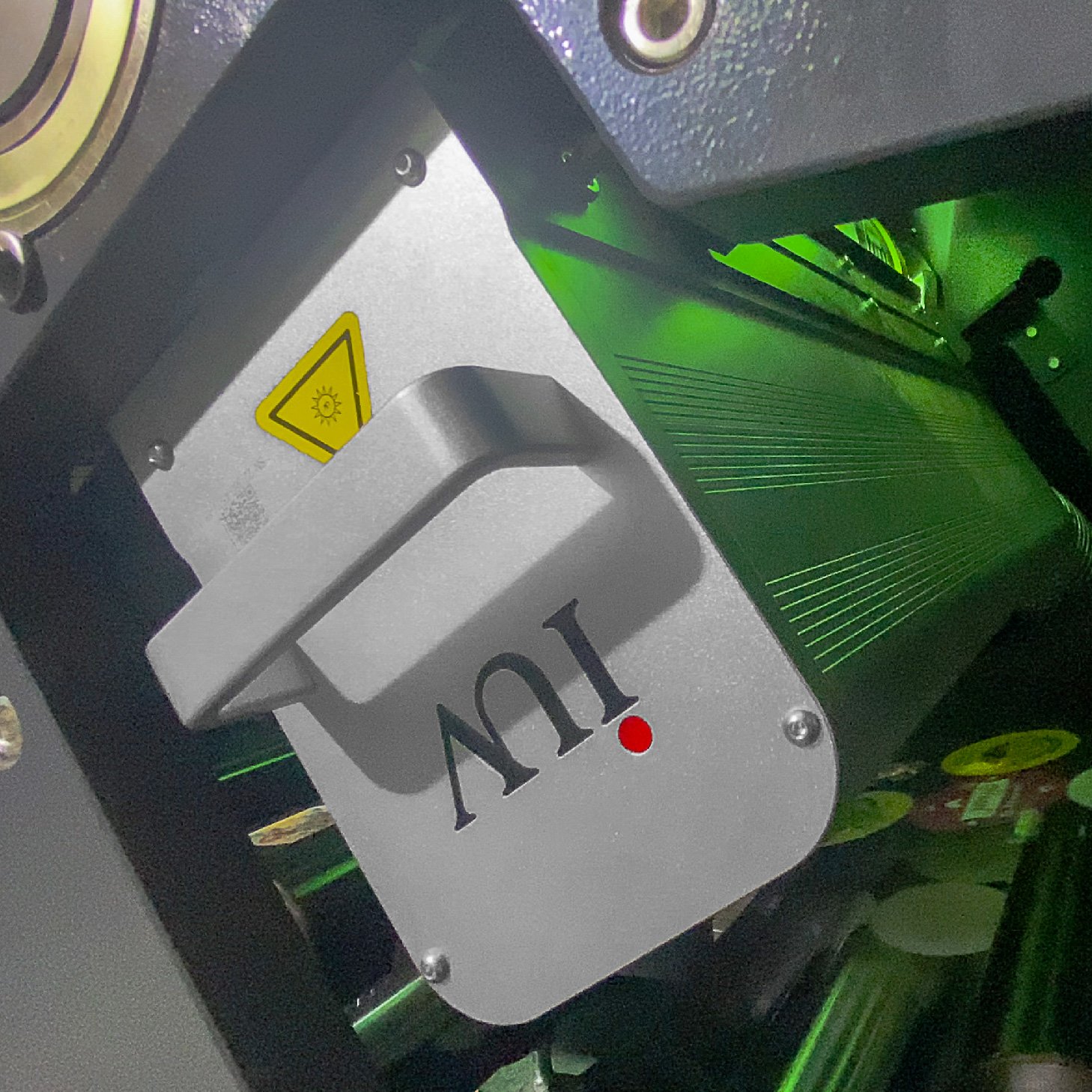
Choosing the right UV curing system is a significant decision for any printing operation. This technology offers numerous advantages — from faster drying times to enhanced print durability and reduced energy consumption.
When selecting a UV curing system for label, flexographic, offset, or narrow web printing, several key factors must be considered. Understanding these elements helps you make an informed choice that boosts both productivity and print quality.
1. Types of UV Curing Technology
Mercury Vapor Lamps
Traditionally, mercury vapor lamps have been the industry standard. They are powerful, versatile, and suitable for a wide range of inks and substrates.
However, they generate significant heat, consume more energy, and have a shorter lifespan. This can be problematic for heat-sensitive substrates, which are common in label printing.
LED UV Curing Systems
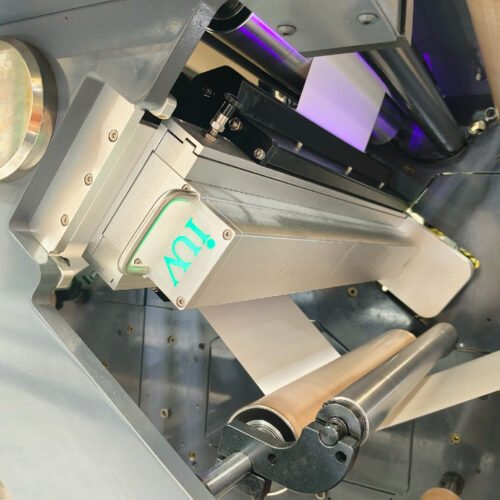
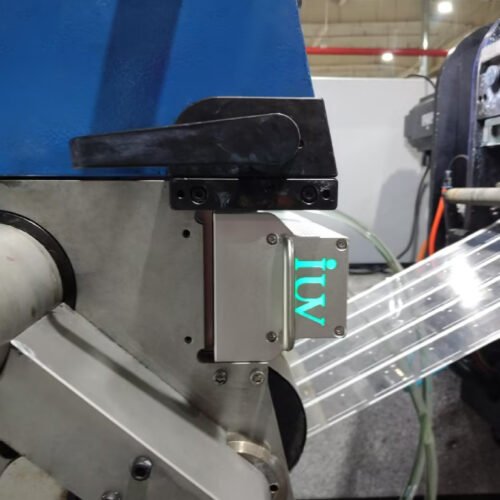
In recent years, LED UV curing has become a leading alternative. LED systems emit a more focused UV spectrum and generate much less heat — a game-changer for plastic films, thin papers, and other delicate materials.
Key advantages of LED UV systems:
Lower heat generation — ideal for heat-sensitive substrates
Exceptional energy efficiency
Longer operational life and lower maintenance costs
Instant on/off capability for faster job changeovers
2. Matching UV Wavelengths with Ink Requirements
Each UV ink or coating is designed to cure under specific wavelengths.
Mercury lamps emit a broad UV spectrum.
LEDs produce narrow wavelengths (typically 365nm, 385nm, 395nm, or 405nm).
Always match your UV system’s wavelength to the ink or coating supplier’s recommendations. Incorrect wavelength matching can lead to incomplete curing, causing adhesion problems, scuffing, or reduced chemical resistance — especially critical in label printing applications.
3. UV Intensity and Curing Speed
UV output intensity (measured in W/cm²) directly affects curing speed.
For high-speed flexographic or narrow web presses, sufficient intensity is crucial to maintain production efficiency.
The required intensity depends on:
Ink or coating formulation
Substrate type
Press speed
Consult your equipment supplier to determine optimal intensity for your specific applications.
4. UV System Size and Configuration
UV systems vary widely in size and configuration:
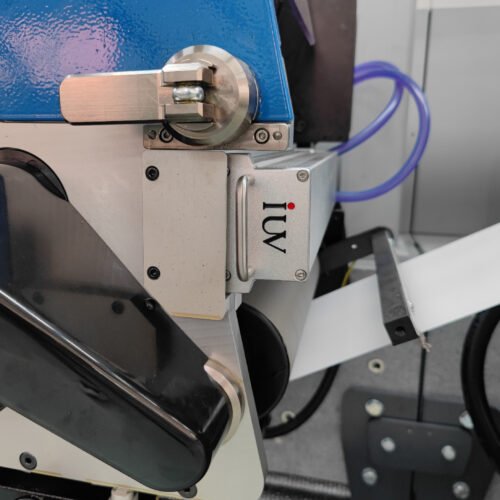
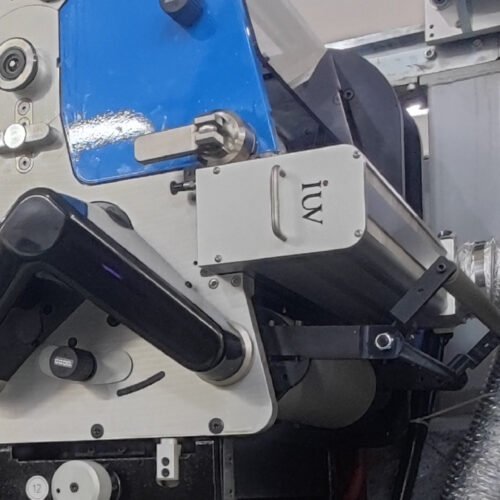
Compact units for single-color stations
Larger systems for multi-color or flood coating applications
When installing a UV curing system:
Ensure proper fit within the press architecture
Avoid compromising web handling or adding excessive weight
For offset printing, ensure full coverage across the sheet width
5. Cooling Requirements
For Mercury Lamps
Mercury systems generate significant heat and require robust air or water cooling.
For LED Systems
LED UV curing systems produce less heat but still need effective water cooling to maintain performance and extend lamp life.
Overheating can lead to premature emitter failure.
6. Substrate Compatibility
If you frequently print on heat-sensitive materials (e.g., plastic films or thin label stocks), LED UV curing is the superior choice due to its low heat output.
For offset printing, which handles a wider substrate range, both LED and mercury systems are viable — but LED still offers advantages in energy efficiency and reduced thermal stress.
7. Application Suitability: Flexographic & Narrow Web Printing
Flexographic and narrow web printing benefit greatly from UV curing’s instant-dry performance and precise detail reproduction.
LED UV advantages for flexo presses:
Seamless integration
Immediate curing between printing units
Prevention of ink transfer or set-off
Enhanced print sharpness and color vibrancy
8. Ink and Coating Compatibility
Different UV inks require specific energy levels and wavelengths for full polymerization.
Examples:
Water-based UV-curable inks have distinct curing needs
Solvent-based or traditional UV coatings may demand higher intensity
Always consult your ink supplier to confirm compatibility with the UV system. Request data on wavelength, intensity, and exposure time to ensure consistent curing performance.
9. Operational Environment Considerations
Your print room’s temperature and ventilation affect system performance.
LED UV curing produces less heat, maintaining a stable environment.
Mercury lamps can raise ambient temperatures, potentially affecting print consistency or operator comfort.
10. Long-Term Cost of Ownership
While LED UV systems typically have a higher upfront cost, they offer significant long-term savings through:
Reduced energy consumption
Extended lamp life
Lower maintenance and downtime
Evaluate total cost of ownership (TCO) — not just the initial investment.
11. Partnering with Reputable UV System Suppliers
Choosing the right UV curing system manufacturer or supplier is crucial.
A trusted partner can:
Assess your printing requirements
Recommend the ideal configuration
Conduct curing tests with your materials
Provide support during installation and operation
Conclusion
A well-chosen UV curing system can revolutionize your printing workflow — delivering faster turnaround, superior print quality, and greater energy efficiency.
Whether you operate flexographic, offset, or label printing presses, understanding the technology behind LED and mercury UV curing helps you make the right investment for long-term success.