Hybrid printing, combining offset and flexo capabilities, is a game-changer in the label printing industry. It offers a unique blend of benefits. Offset printing excels at sharp, detailed graphics and vibrant solid colors. Flexography, on the other hand, is fantastic for consistent color reproduction and printing on a wide range of substrates, especially those with uneven surfaces. When you bring these two powerful printing methods together on a single press, you unlock a new level of versatility. This is where the integration of UV curing systems becomes not just beneficial, but truly essential.
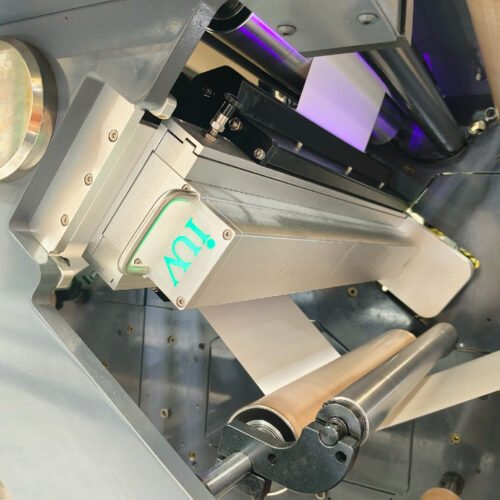
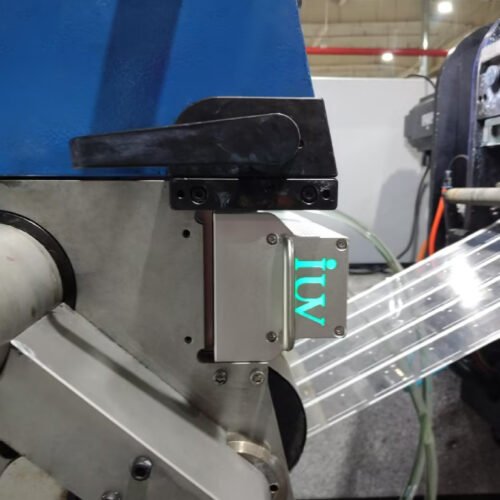
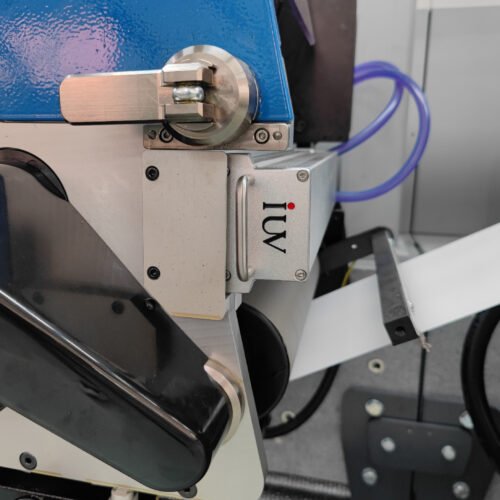
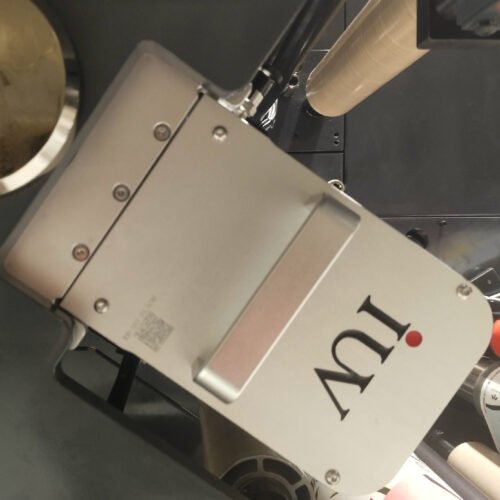
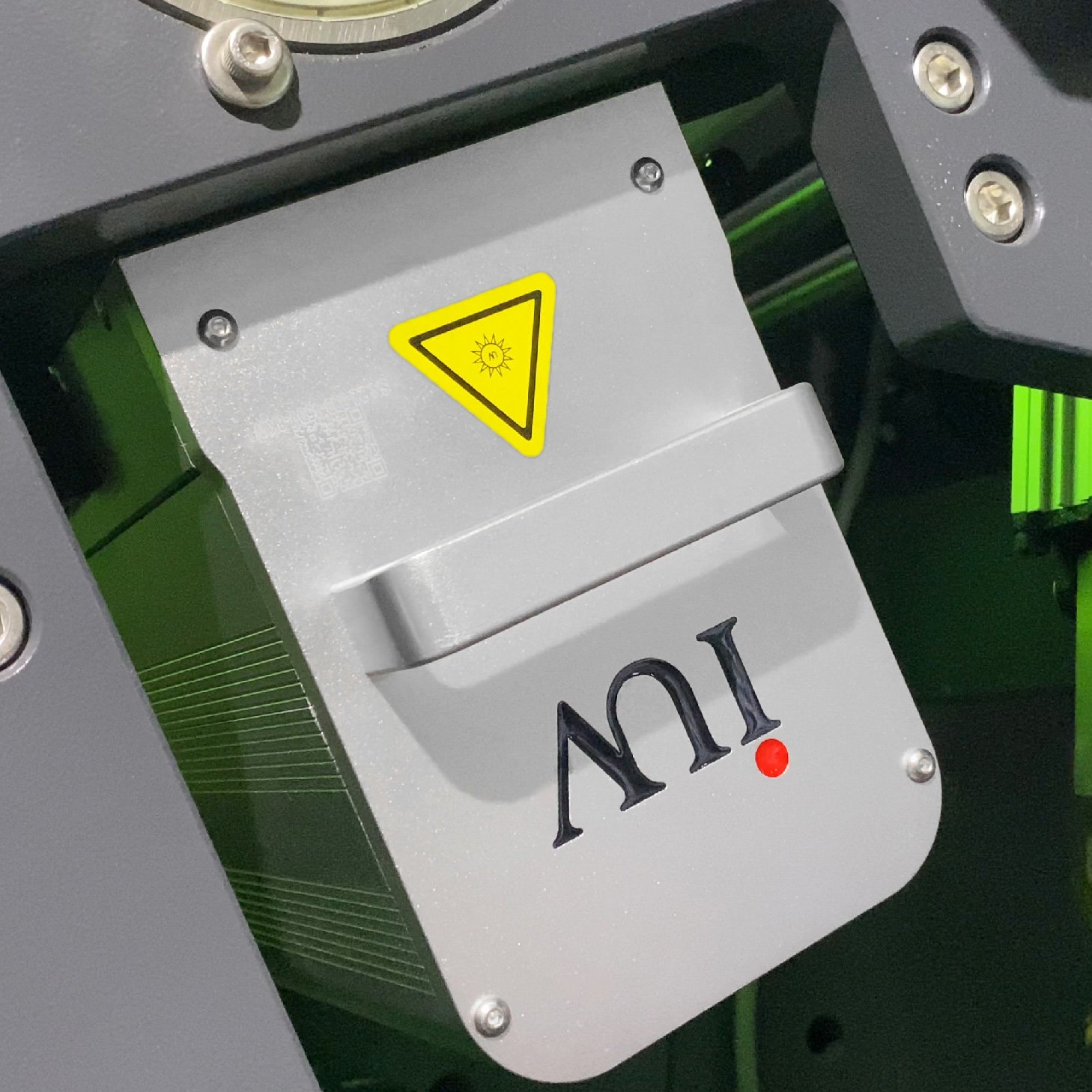
UV curing technology, particularly the advancements in LED UV, plays a pivotal role in making these hybrid lines so effective. Traditional UV lamps generate a lot of heat and consume significant energy. They also have a finite lifespan and can degrade over time. LED UV systems, however, offer a more focused and efficient light spectrum. This means faster curing times and reduced energy consumption. The heat generated by LED UV is also much lower, which is a huge advantage when printing on heat-sensitive materials common in narrow web applications.
Integrating UV curing into a hybrid offset-flexo printing line allows for immediate drying of inks. This is critical. In a conventional printing process, inks need time to dry, which can slow down the entire production line. With UV curing, inks are instantly solidified by the UV light. This means you can print at much higher speeds without worrying about ink smudging or transferring. For label printers, this translates directly into increased throughput and faster turnaround times. Imagine printing complex, multi-color labels at speeds previously only dreamed of.
The flexibility offered by hybrid printing with UV curing is immense. You can use offset for your high-resolution graphics and photographs, achieving that premium look. Then, you can switch to flexo for spot colors, metallic inks, or textured effects. Throughout this process, UV curing ensures each layer of ink is perfectly cured before the next one is applied. This prevents ink interference between stations and ensures the final printed product has exceptional clarity and durability.
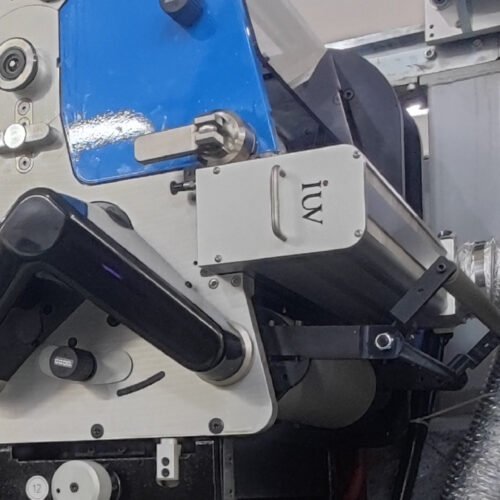
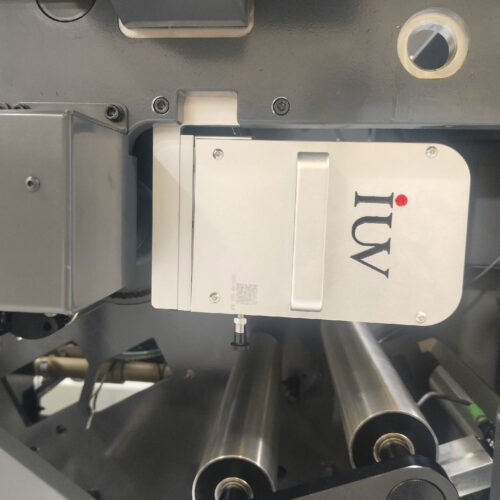
Narrow web printing, the domain of label and packaging production, particularly benefits from this synergy. The compact nature of narrow web presses means space is often at a premium. LED UV curing systems are often more compact than their mercury vapor counterparts, making them an ideal fit for retrofitting or designing new hybrid lines. Their lower heat output also means less need for extensive cooling systems, further saving space and complexity.
The type of UV curing technology matters. While traditional UV lamps have been around for decades, LED UV curing is rapidly becoming the industry standard. The benefits are manifold. The specific wavelengths emitted by LED UV lamps are precisely tuned to initiate the polymerization of UV-curable inks and coatings. This precise control leads to highly efficient curing. Furthermore, LED lamps have a much longer operational life, often tens of thousands of hours, compared to just a few thousand for traditional lamps. This reduces maintenance costs and downtime significantly.
When considering UV-curable inks for hybrid printing, it’s important to understand their formulation. These inks contain monomers, oligomers, photoinitiators, and pigments. When exposed to UV light, the photoinitiators absorb the UV energy and create free radicals. These free radicals then initiate a chain reaction, causing the monomers and oligomers to link together, forming a solid, cross-linked polymer film. This process is what we refer to as curing.
The choice of UV-curable inks and coatings is crucial for optimal performance in a hybrid offset-flexo setup. Different inks are designed for specific printing methods. For offset, you’ll find sheetfed UV inks and web offset UV inks. For flexo, there are flexo UV inks tailored for different substrates and press speeds. The hybrid system allows for the application of both, with UV curing ensuring each is properly set. This allows for a vast array of finishes, from high gloss to matte, and the application of special effects like varnishes and tactile coatings, all cured instantly.
The environmental aspect is also worth noting. UV-curable inks are typically 100% solids, meaning they contain very little to no volatile organic compounds (VOCs). This is a significant advantage over solvent-based inks, which release VOCs into the atmosphere. By using UV curing systems, printers can significantly reduce their environmental footprint and comply with increasingly stringent environmental regulations. This is a win for the planet and a win for businesses looking to operate more sustainably.
The operational advantages extend beyond speed and environmental benefits. The durability of UV-cured inks is exceptional. They are highly resistant to abrasion, chemicals, and fading, making them ideal for labels and packaging that need to withstand harsh environments or extensive handling. This means your printed products will look great for longer, enhancing brand perception and customer satisfaction.
In essence, integrating UV curing systems, especially LED UV, into hybrid offset-flexo printing lines is a strategic move for any label printer looking to stay competitive. It unlocks new levels of speed, quality, versatility, and sustainability. The ability to seamlessly combine the strengths of offset and flexo, backed by the instant, efficient curing of UV light, creates a powerful production solution. This technology empowers printers to tackle complex jobs, meet demanding deadlines, and deliver high-quality, durable products that stand out in the market. The investment in such systems represents a commitment to innovation and a forward-looking approach to label printing.