The printing industry is constantly evolving. New demands for speed, quality, and durability push innovation. One key area of advancement is curing technology. UV curing systems have become essential. They offer significant advantages over traditional methods. This technology is transforming how we print labels, flexible packaging, and more.
Understanding UV curing starts with its basic principle. Ultraviolet light causes inks and coatings to harden, or “cure,” almost instantly. This process is driven by photoinitiators within the ink formulation. When exposed to UV light, these initiators absorb energy. They then trigger a rapid polymerization reaction. This transforms the liquid ink into a solid, durable film.
There are two main types of UV curing systems used today. Traditional mercury vapor lamps have been the standard for a long time. They are powerful and effective. However, they generate significant heat. This can limit the types of substrates that can be printed on. They also have a shorter lifespan. They require frequent maintenance and replacement.
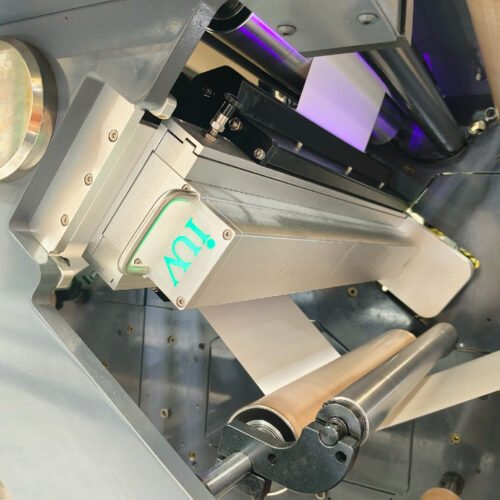
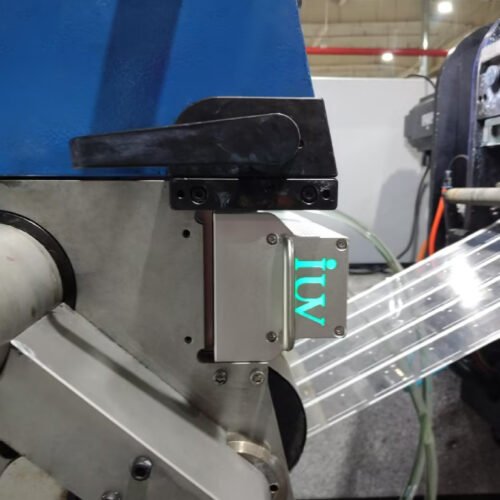
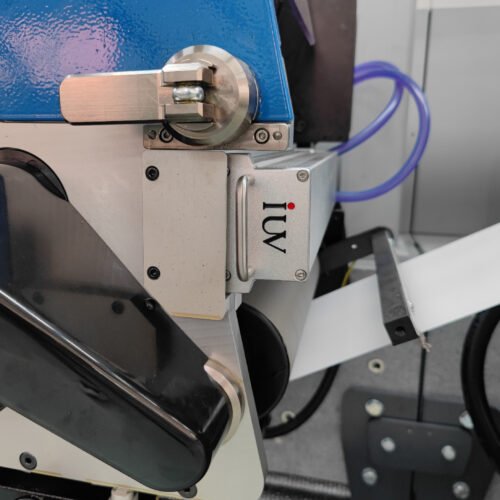
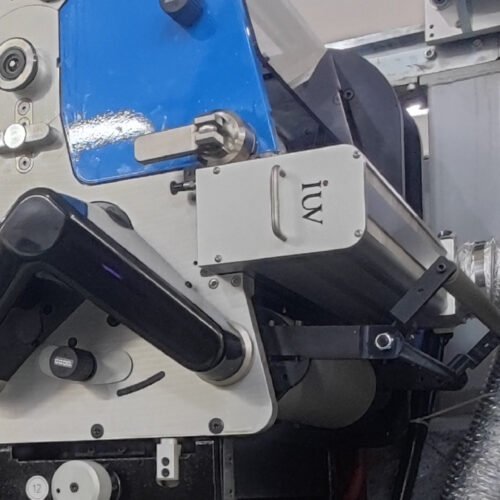
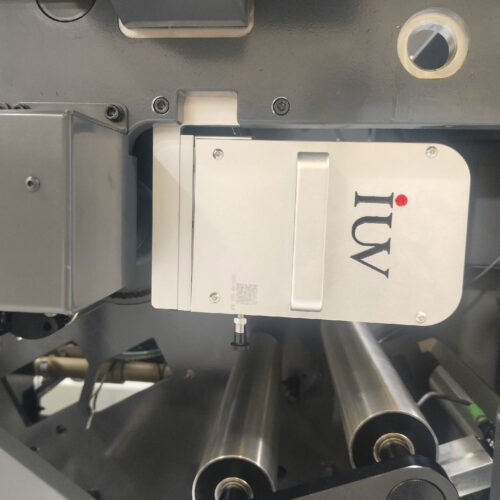
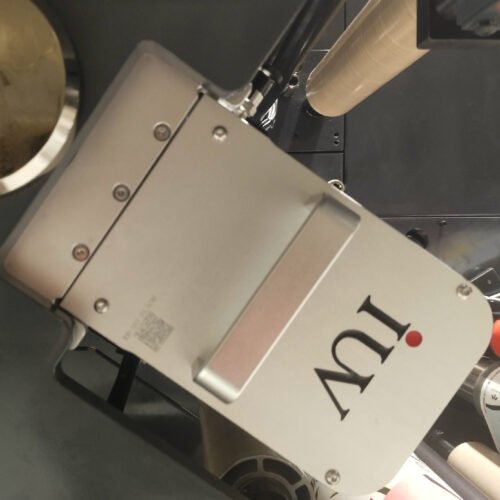
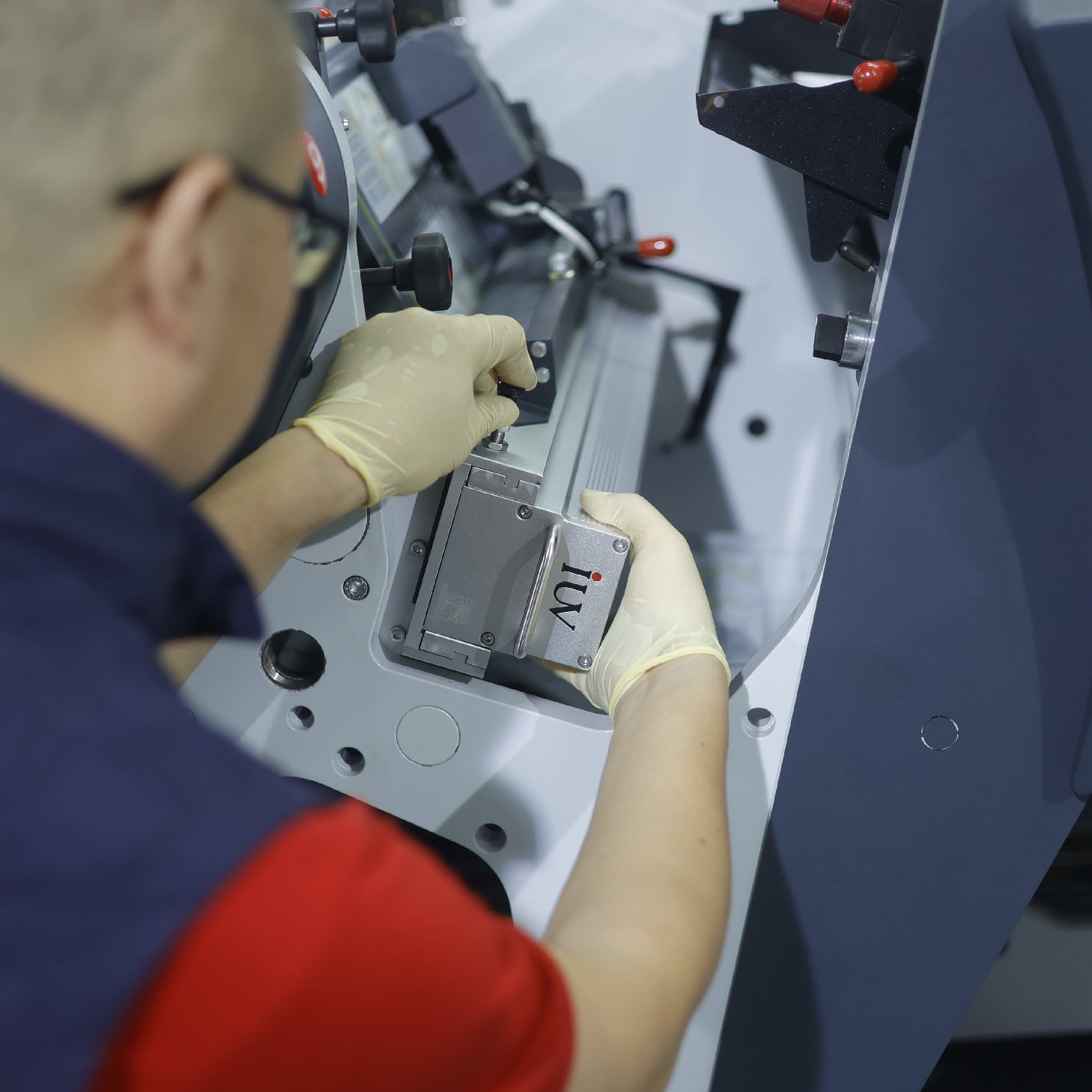
The future of UV curing is undeniably LED. LED UV curing systems offer a more energy-efficient solution. They produce less heat than mercury lamps. This allows for printing on a wider range of heat-sensitive materials. Think delicate films and thin plastics. LED systems also offer a longer lifespan. Their lamps last much longer. They require less maintenance. This translates to reduced operational costs. They are also more environmentally friendly. They consume less power.
In narrow web printing, speed is paramount. This is especially true for label and flexible packaging production. UV curing systems are ideal for these high-speed applications. They cure inks instantly. This means printed webs can be immediately rewound or sent to the next printing station. There is no need for long drying tunnels. This saves valuable space on the printing press. It also increases overall production throughput.
Flexographic printing, or flexo, is widely used for packaging. It relies on raised printing plates. Flexo often runs at high speeds. UV-cured inks are a perfect match for this process. The instant curing prevents ink from smudging or transferring. This is critical for maintaining print quality on a variety of substrates. From coated papers to plastic films, UV flexo delivers vibrant, durable prints. The ability to achieve fine details and sharp text is enhanced.
Offset printing, also known as lithographic printing, is another major printing process. It uses flat plates. While traditionally associated with heatset or air drying inks, UV offset is gaining traction. UV offset printing is particularly beneficial for short-run jobs. It also excels in applications requiring high print durability. Think high-end brochures or specialty packaging. The immediate curing means finished sheets can be handled right away. This reduces turnaround times significantly.
The benefits of UV curing extend beyond just speed and durability. UV inks and coatings are often VOC-free. Volatile Organic Compounds are harmful to the environment. Eliminating them is a major plus. This leads to a safer working environment for printers. It also helps companies meet stricter environmental regulations.
Print quality is another area where UV curing shines. The instant hardening of the ink prevents it from soaking into porous substrates. This results in sharper dots. It leads to brighter, more vibrant colors. Ink laydown is more consistent. This is crucial for achieving the desired aesthetic. For brand owners, this means their packaging and labels will stand out on the shelf.
When considering UV curing systems, several factors come into play. The specific application is key. What kind of substrate will you be printing on? What are your production speed requirements? What level of durability do you need? These questions will guide the selection of the right UV technology.
For narrow web label printing, a compact, efficient LED UV system is often preferred. For high-volume flexible packaging produced via flexo, a robust, high-intensity UV system is necessary. In offset printing, the choice might depend on sheet size and throughput.
The interaction between the UV lamp and the ink is also critical. Different UV lamps emit light at different wavelengths. Different inks are formulated with specific photoinitiators. Matching the lamp output to the ink chemistry ensures optimal curing. This is where an understanding of both printing processes and UV technology becomes invaluable.
The cost of UV curing systems is also a consideration. While the initial investment for LED UV systems might be higher than for older mercury systems, the long-term savings are substantial. Lower energy consumption, reduced maintenance, and longer lamp life all contribute to a lower total cost of ownership.
The versatility of UV curing cannot be overstated. It enables printing on a vast array of materials. This includes paper, cardboard, plastics like PET, PVC, and PP, as well as metals and even some textiles. The ability to print on non-porous substrates without extensive pre-treatment is a significant advantage.
The development of specialized UV inks and coatings continues to expand possibilities. High-build varnishes can create tactile effects. Specialty inks can offer metallic finishes or color-shifting properties. The combination of advanced printing techniques and UV curing opens up new avenues for creative expression.
In summary, UV curing systems are no longer a niche technology. They are a fundamental component of modern, high-performance printing. Their ability to deliver speed, quality, and durability is unmatched. Whether you are involved in narrow web label printing, flexographic packaging, or offset printing, understanding UV curing is essential. It is key to optimizing your production. It is also vital for meeting the ever-increasing demands of the market. The shift towards LED UV technology further solidifies its position. It offers a sustainable and cost-effective path forward for the printing industry.