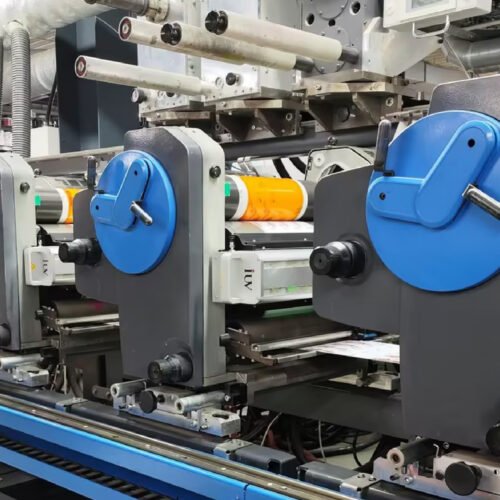
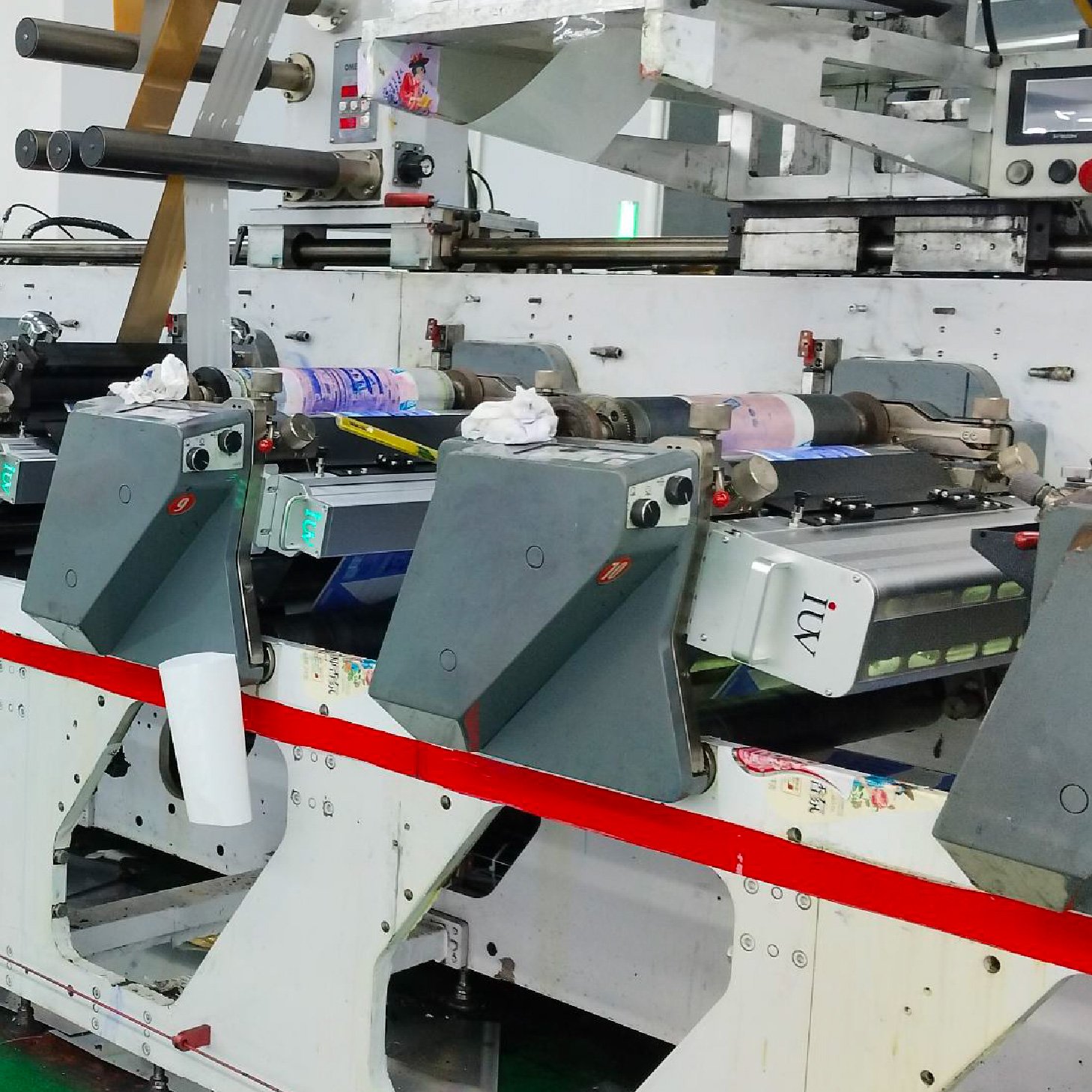
Achieving perfect registration on narrow web presses is a constant pursuit. It’s the hallmark of a high-quality print job. Every color needs to align precisely with the others. Even a slight misregistration can render a label unusable. This is especially true for intricate designs or when using fine detail. Narrow web presses are the workhorses for many label and flexible packaging applications. They handle a wide variety of substrates and print volumes. The demand for vibrant colors and crisp details continues to grow. This puts increased pressure on press operators and manufacturers alike.
Historically, achieving this level of precision has been a complex dance. It involves precise tension control, accurate plate mounting, and meticulous ink viscosity management. The curing process also plays a vital role. Traditional UV curing systems have been around for a while. They use mercury vapor lamps. These lamps emit a broad spectrum of UV light. They also generate a significant amount of heat. This heat can cause issues with delicate substrates. It can also lead to premature drying of inks if not managed perfectly. Furthermore, the energy consumption of these older systems is quite high. They also require frequent lamp replacement.
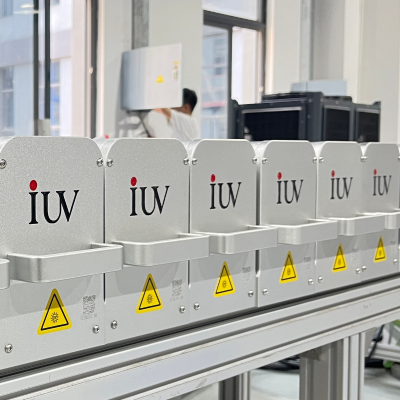
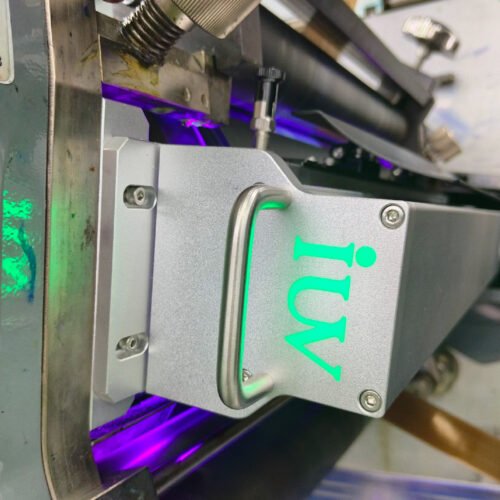
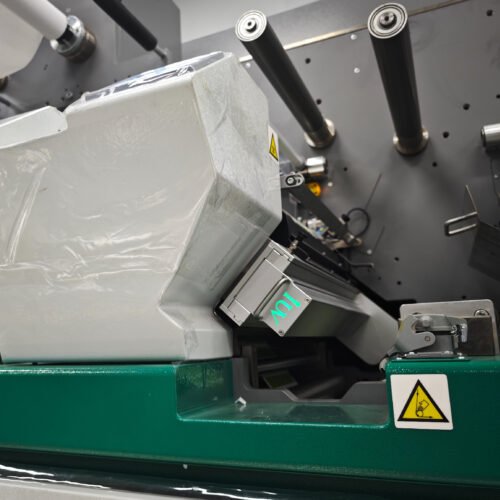
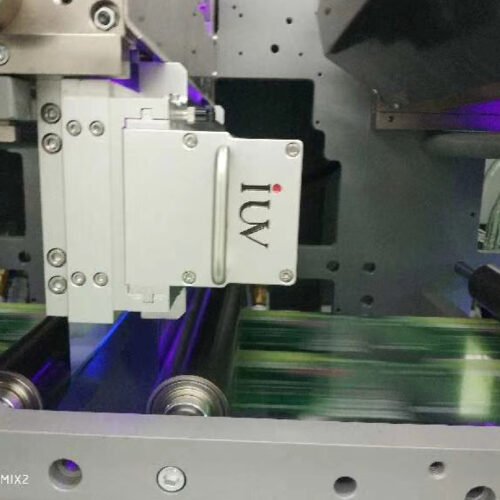
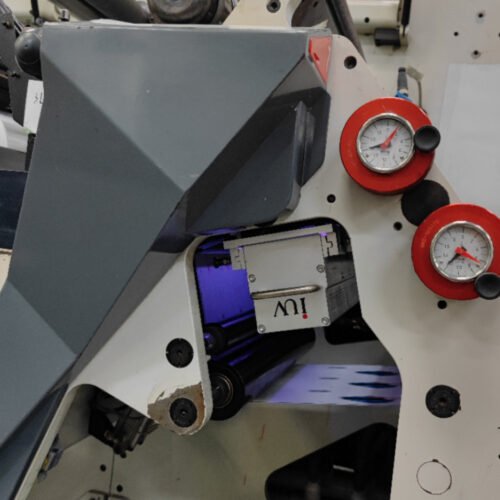
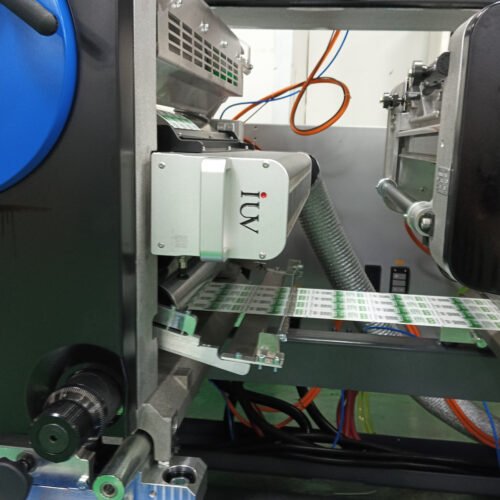
Enter LED curing systems. These modern systems offer a compelling alternative. They utilize light-emitting diodes (LEDs) to generate UV light. This technology brings several distinct advantages to the narrow web printing environment. One of the most significant is their precise wavelength output. LEDs emit UV light within a very narrow band. This targeted spectrum is highly efficient. It promotes rapid and complete ink polymerization. This means inks cure faster and more thoroughly. This speed is crucial for high-speed narrow web presses. It allows for quicker job turnaround times.
The impact on registration is profound. Because LED curing is so efficient, it generates far less heat than traditional mercury lamps. This reduced heat transfer to the substrate is a game-changer. It minimizes the risk of substrate expansion or contraction during the curing process. These dimensional changes are a primary culprit behind registration problems. When a substrate expands or shrinks, all subsequent colors will inevitably be out of place. LED systems help maintain the substrate’s dimensional stability. This stability is fundamental to maintaining perfect registration.
Furthermore, the instant on/off capability of LEDs is another benefit. Unlike mercury lamps that require a warm-up period, LEDs are ready to go immediately. This allows for tighter control over the curing process between print stations. If a registration issue is detected, an operator can quickly adjust settings or pause the press. The curing system responds instantly. This immediate control helps prevent further waste and makes troubleshooting more efficient. This level of responsiveness is invaluable in a fast-paced production setting.
The consistent energy output of LEDs also contributes to better registration. Mercury lamps can experience fluctuations in intensity over their lifespan. This inconsistency can lead to variations in ink curing. These variations can then manifest as registration shifts. LEDs, on the other hand, provide a stable and predictable UV output. This consistency ensures that each color station cures identically. This uniformity across the entire print run is essential for maintaining consistent registration from start to finish.
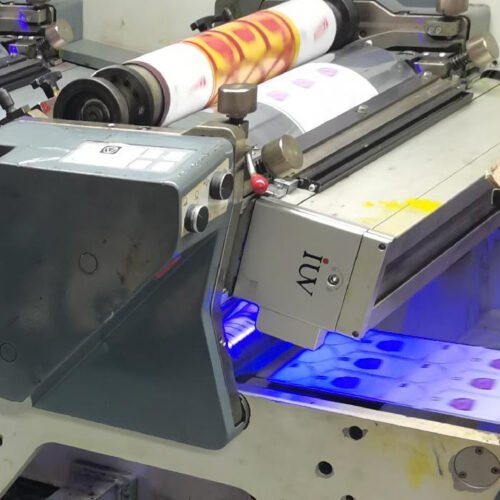
Flexographic printing, or flexo, is a dominant technology on narrow web presses. It relies on flexible relief plates to transfer ink. The inherent flexibility of these plates makes them susceptible to movement. This movement can be exacerbated by heat. LED curing’s low-heat profile directly benefits flexographic printing. It helps keep the plates stable. This stability translates directly into sharper images and more accurate registration. The ability to cure inks rapidly also allows for faster print speeds. This is critical for the high-volume nature of label production.
Offset printing, or lithography, also finds its place on narrow web presses. While offset plates are generally more rigid than flexo plates, substrate stability is still paramount. The precise control offered by LED curing systems ensures that the substrate remains dimensionally consistent throughout the printing process. This is vital for the fine dot reproduction that offset printing is known for. Achieving perfect registration in offset printing requires an unwavering foundation, and LED curing helps provide that.
The environmental benefits of LED curing also indirectly support better operations. Reduced energy consumption means lower operating costs. Less waste generated from misregistration also contributes to a more sustainable print process. While not directly related to the mechanics of registration, a more efficient and cost-effective operation often leads to better overall focus on quality control.
The lifespan of LED lamps is also significantly longer than that of mercury lamps. This reduces downtime for maintenance and replacement. Less downtime means more time spent printing and less time dealing with equipment issues. This reliability is a key factor in ensuring consistent production quality, including registration.
In conclusion, LED curing systems are not just an upgrade; they represent a significant advancement for narrow web printing. Their ability to provide efficient, low-heat, and consistent UV light output directly addresses the challenges of achieving perfect registration. By minimizing substrate distortion and ensuring uniform ink curing, LEDs empower printers to produce higher quality labels and packaging with greater speed and reliability. This technology is becoming indispensable for any label converter focused on precision and excellence.