Alright, let’s dive into the world of LED UV curing and see why it’s a game-changer for equipment longevity and your bottom line. As a seasoned pro in printing equipment and processes, and someone who knows how to get eyes on important information online, I can tell you this is a topic that truly matters.
When we talk about printing, especially in the narrow web, flexo, and offset sectors, the demands on equipment are significant. Think about the high speeds, the constant operation, and the need for precision. Traditional curing methods, like mercury vapor lamps, while effective, come with a lot of baggage. They generate a lot of heat, which can stress components over time. They also have a finite lifespan that can be unpredictable, leading to unexpected downtime and replacement costs.
This is where LED UV curing systems really shine. They offer a fundamentally different approach to drying inks and coatings. Instead of broad-spectrum UV light and heat, LEDs emit a very specific wavelength of UV light. This targeted energy is incredibly efficient at initiating the polymerization process in UV-curable inks and coatings.
One of the most immediate benefits you’ll notice is the drastic reduction in heat output. Because LEDs are so efficient, they generate far less infrared radiation. This means your printing press, its rollers, and other temperature-sensitive parts are subjected to a much gentler environment. Less heat stress translates directly into longer equipment life. Components last longer, require less frequent maintenance due to thermal degradation, and you avoid the costly repairs that come with overheating.
Furthermore, the lifespan of LED lamps themselves is astonishingly long. We’re talking tens of thousands of hours of operation, often exceeding 20,000 to 50,000 hours. Compare that to mercury lamps, which might need replacement every 1,000 to 2,000 hours. This massive difference in lamp life means significantly less downtime for replacements. Less downtime means more production time, which directly impacts your revenue.
The return on investment (ROI) with LED UV curing systems is a compelling story. It’s not just about the longer equipment life and reduced maintenance. Consider the energy savings. LEDs are significantly more energy-efficient than their mercury counterparts. They consume less power to deliver the same curing effect. This reduction in energy consumption translates into lower operating costs month after month, year after year.
Think about the consistency in curing. LEDs provide a stable and consistent output of UV light throughout their lifespan. Unlike mercury lamps, which degrade in intensity over time, LEDs maintain their performance. This consistent curing means you get repeatable print quality. Fewer rejections, less waste of ink and substrate, and happier customers. This consistency is a cornerstone of efficient narrow web and flexo printing operations.
For label printers, the ability to cure quickly and efficiently is paramount. Whether you’re using flexography or offset for labels, UV-curable inks and coatings are popular for their durability and vibrant finishes. LED curing accelerates this process even further. You can achieve full cure almost instantly, allowing for faster throughput on the press. This means you can take on more jobs and deliver them faster, boosting your capacity and profitability.
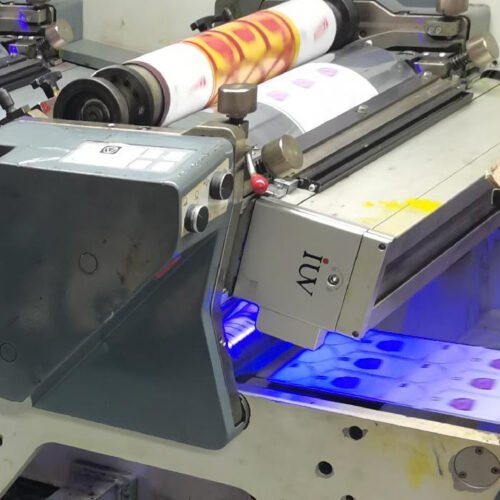
In flexographic printing, where substrate choices can be vast, including heat-sensitive materials, the low heat of LED curing is a major advantage. It allows printers to work with a wider range of substrates without worrying about distortion or damage. This flexibility opens up new market opportunities and allows for more creative printing applications.
Offset printing, particularly web offset for commercial or publication work, also benefits. While offset has traditionally relied on heat-set or UV curing, LED technology is making inroads. The same advantages of reduced heat, longer lamp life, and energy efficiency apply, leading to better press performance and lower operating costs.
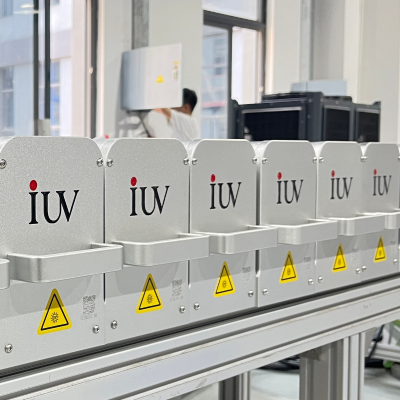
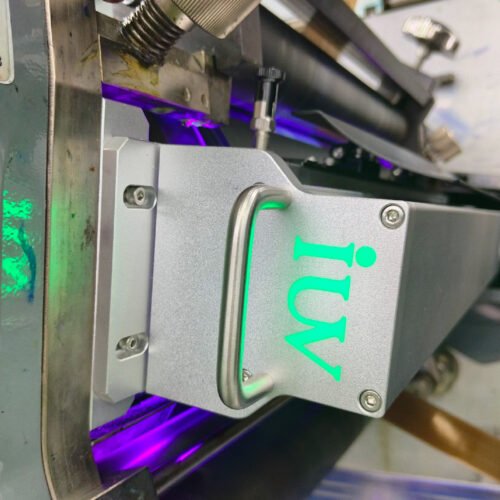
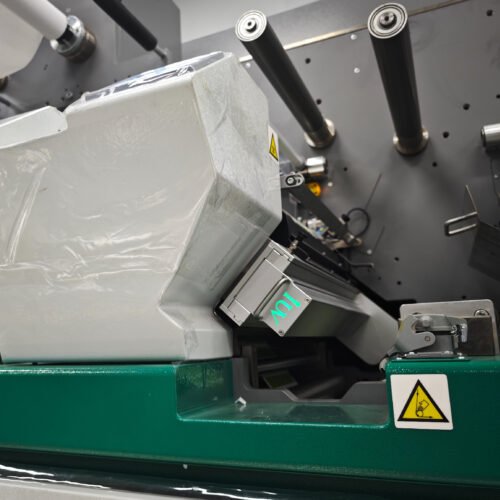
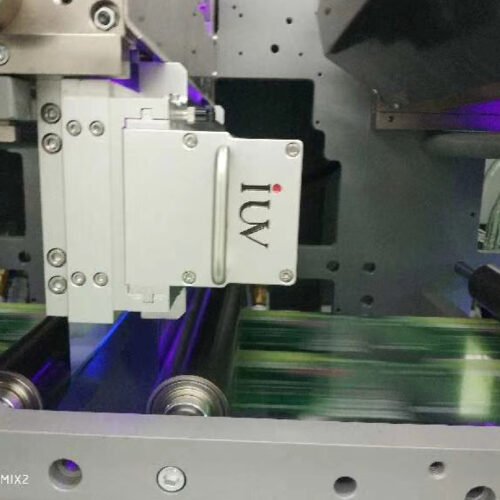
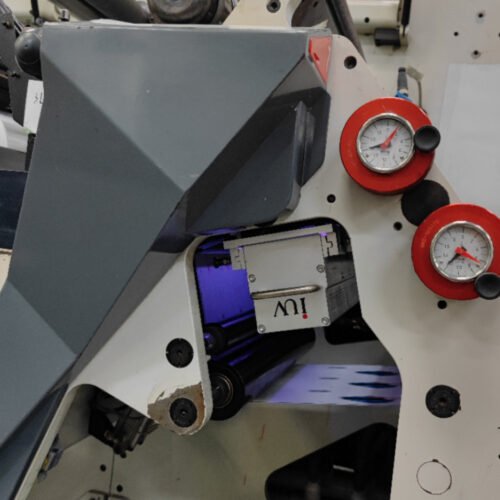
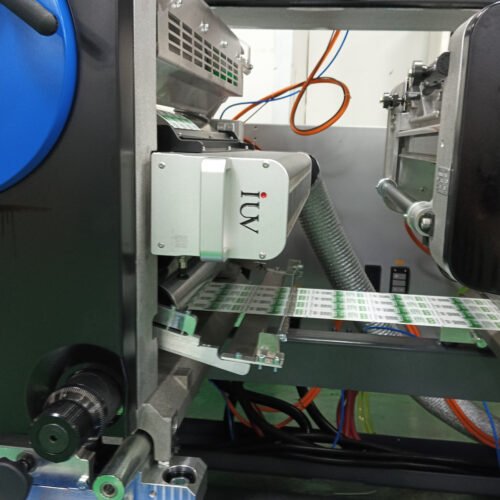
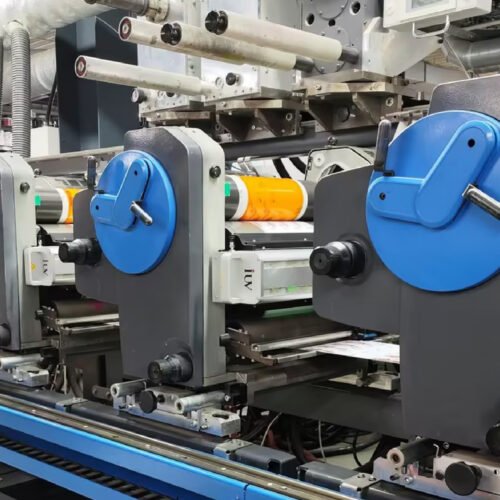
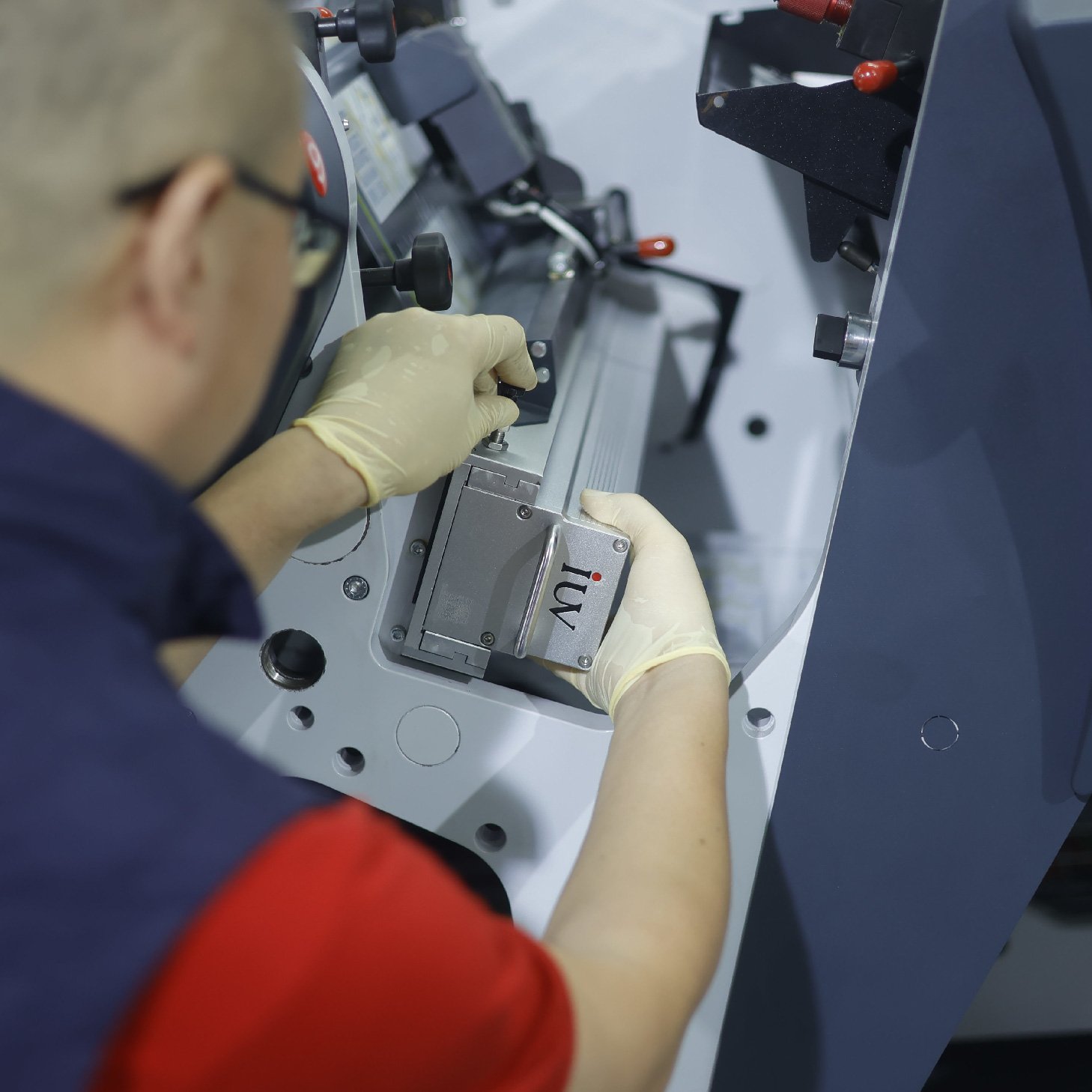
The narrow web printing sector, dominated by labels and packaging, is a prime example of where LED UV technology has revolutionized processes. The compact nature of LED curing units makes them ideal for retrofitting onto existing narrow web presses or for integration into new equipment. The speed requirements of narrow web printing are perfectly matched by the instantaneous curing capabilities of LEDs.
The environmental impact is another factor worth considering. The reduced energy consumption of LED systems contributes to a smaller carbon footprint. Additionally, LED curing typically uses solvent-free UV inks and coatings, which are better for the environment and for the health of printing staff. This aligns with a growing demand from brands and consumers for more sustainable printing practices.
When you look at the total cost of ownership, the ROI becomes very clear. While the initial investment in an LED UV curing system might seem higher, the long-term savings on energy, maintenance, replacement lamps, and reduced waste quickly offset this. You’re investing in a technology that pays for itself through increased efficiency, reduced operating expenses, and improved product quality.
The precision and control offered by LED systems are also noteworthy. You can often control the intensity and even the wavelength of the UV light, allowing for fine-tuning of the curing process for specific inks and substrates. This level of control is harder to achieve with older technologies.
In conclusion, the move to LED UV curing systems for label printing, flexo, offset, and narrow web applications is not just an upgrade; it’s a strategic decision that enhances equipment longevity and delivers a superior return on investment. The combination of reduced heat, incredibly long lamp life, energy efficiency, and consistent performance makes it a powerful tool for any modern printing operation looking to optimize its processes and its profits.