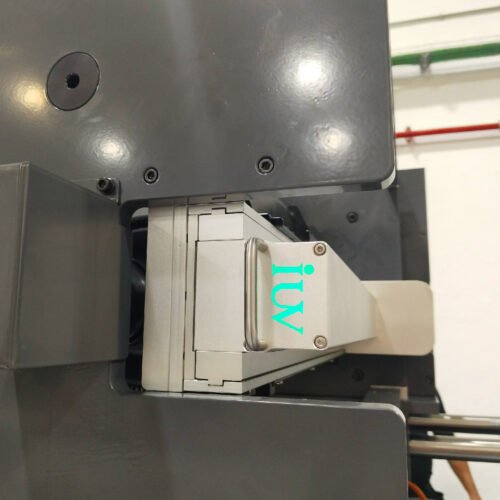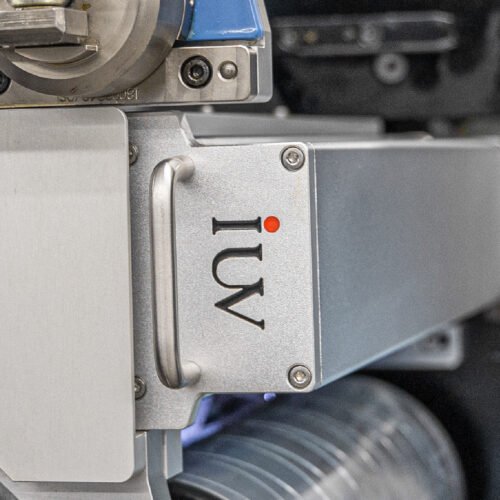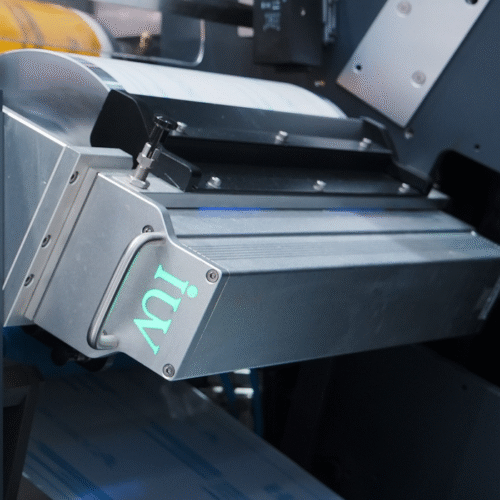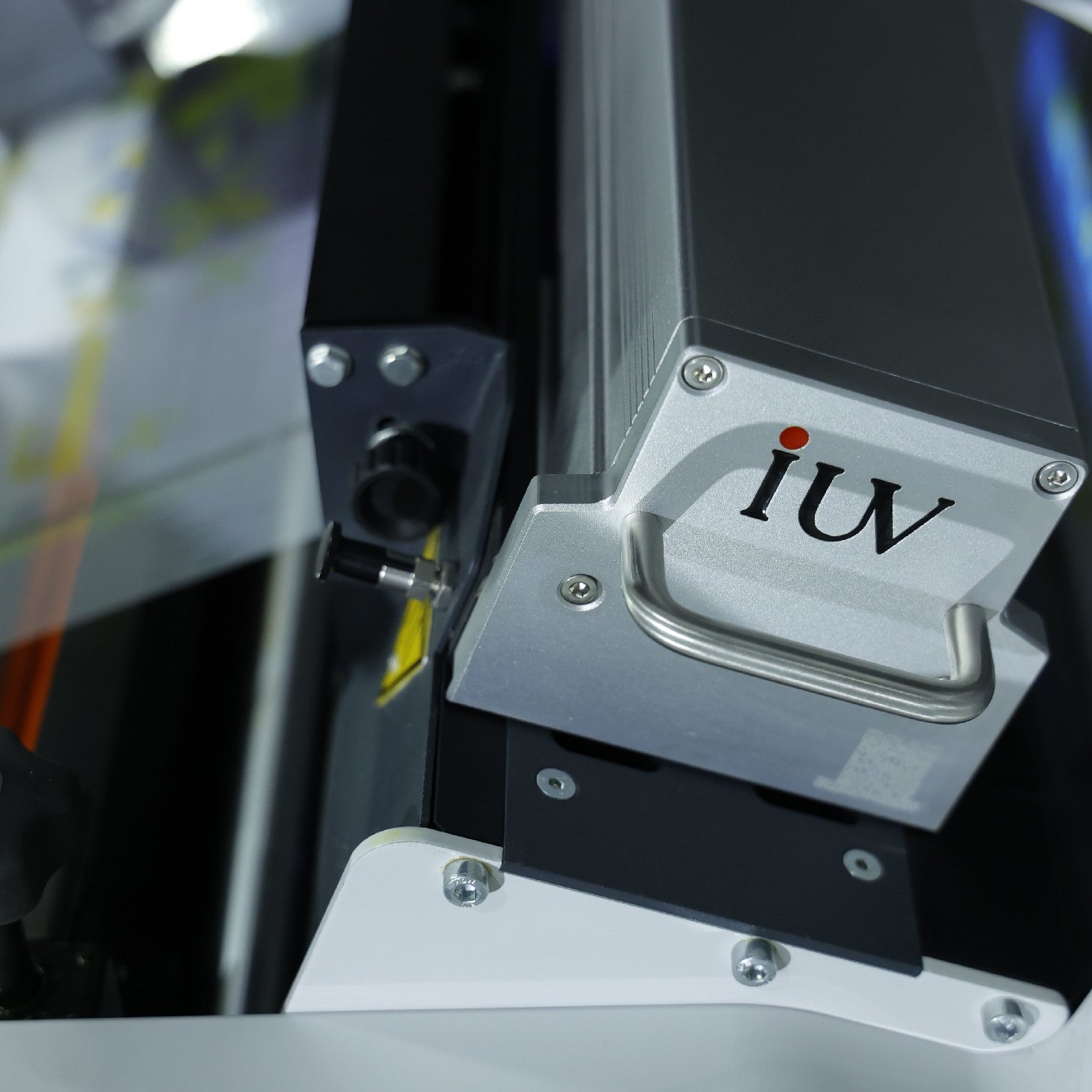
Elevating your narrow web printing, whether in flexographic, offset, or label production, often hinges on achieving superior adhesion and a brilliant gloss finish. The quest for these qualities has led many printers to explore advanced curing technologies. Among these, LED UV curing systems are emerging as a transformative solution, offering distinct advantages over traditional mercury lamp systems. This technology directly impacts the quality and durability of your printed products, making it a compelling investment for businesses looking to stand out in a competitive market.
The science behind UV curing is fascinating. When UV light hits specially formulated inks or coatings, it initiates a rapid chemical reaction called polymerization. This process instantly transforms the liquid ink into a solid, durable film. LED UV systems utilize light-emitting diodes to produce this UV light. Unlike older mercury lamps that emit a broad spectrum of UV light and significant heat, LEDs are highly efficient, emitting specific wavelengths of UV light precisely where they are needed. This targeted approach is key to their effectiveness in enhancing both adhesion and gloss.
In flexographic and offset printing, particularly for narrow web labels, ink adhesion is paramount. Labels are often subjected to harsh conditions, including abrasion, chemicals, and varying temperatures. Poor adhesion can lead to premature wear, fading, and ultimately, product failure. LED UV curing provides a robust solution. The high-intensity, focused UV light from LEDs drives a complete and rapid polymerization of the ink or coating. This thorough curing process creates a stronger bond between the ink and the substrate, significantly improving its resistance to rubbing, scratching, and other forms of physical stress. This enhanced durability translates directly to longer-lasting, more professional-looking labels.
Gloss is another critical aspect that consumers and brands value. A high-gloss finish not only makes a label visually appealing but also communicates a sense of quality and premium appeal. LED UV curing systems are exceptionally good at achieving this. The controlled energy output and specific wavelengths of LEDs promote the formation of a smooth, uniform ink surface. This uniformity minimizes surface imperfections that can scatter light, allowing for a much higher degree of reflection. The result is a dazzling, mirror-like gloss that captures attention on the shelf. Furthermore, the consistent performance of LED systems ensures that you achieve this high gloss level reliably, batch after batch, which is essential for brand consistency.
The benefits extend beyond just the final print quality. LED UV curing systems offer significant operational advantages for label printers and those involved in narrow web applications. Energy efficiency is a major draw. LEDs consume considerably less power than mercury lamps, leading to substantial savings on electricity bills. They also produce less heat, which is crucial when printing on heat-sensitive substrates like thin films or certain plastics commonly used in label production. This reduced heat load minimizes substrate distortion and allows for faster press speeds, boosting overall productivity.
Another advantage is the longer lifespan of LED lamps. While mercury lamps need frequent replacement, LED systems can last for tens of thousands of hours. This longevity reduces maintenance downtime and the ongoing cost of replacement parts. The instant on/off capability of LEDs also contributes to efficiency and reduced wear, as they don’t require a warm-up period and can be switched off immediately when not in use, further saving energy.
For converters working with a variety of substrates in flexographic and offset printing, the versatility of LED UV curing is a game-changer. The ability to achieve excellent adhesion and gloss on a wide range of materials, from paper and films to foils, allows for greater creative freedom and the ability to serve diverse market needs. The precise control over curing intensity and wavelength means you can tailor the process to optimize performance for specific inks, coatings, and substrates, ensuring consistent, high-quality results every time.
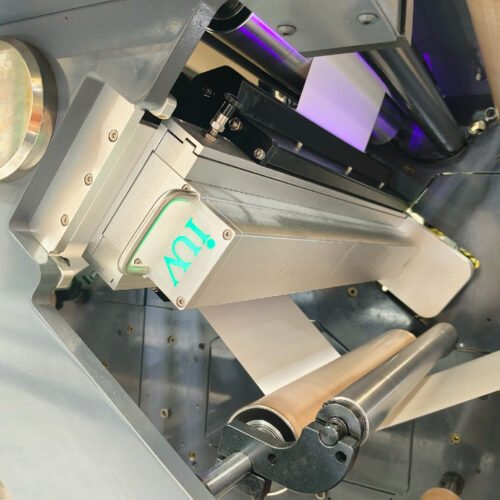
In the realm of narrow web printing, where space and efficiency are at a premium, LED UV curing systems are a perfect fit. Their compact design often allows for easier integration into existing press lines. The immediate curing means no waiting time for inks to dry, allowing for faster job turnaround and increased throughput. This is particularly beneficial for short-run, variable data printing, where speed and efficiency are paramount.
When considering LED UV curing for your printing operations, it’s about more than just a new piece of equipment; it’s about adopting a technology that enhances your product’s appeal, durability, and your operational efficiency. The improvements in print adhesion mean your labels will withstand the rigors of the supply chain and daily use, maintaining their integrity and your brand’s reputation. The superior gloss achieved with LEDs elevates the aesthetic of your printed materials, making them more attractive to consumers and differentiating them from the competition.
The transition to LED UV curing systems represents a forward-thinking approach to printing. It addresses the evolving demands for higher quality, greater sustainability, and improved cost-effectiveness in the label and narrow web printing sectors. By investing in this technology, you are investing in the future of your business, ensuring that your printed products not only meet but exceed customer expectations for both performance and visual impact. The enhanced adhesion and gloss are not just marketing buzzwords; they are tangible benefits that translate directly into a better product and a stronger competitive position in the marketplace.