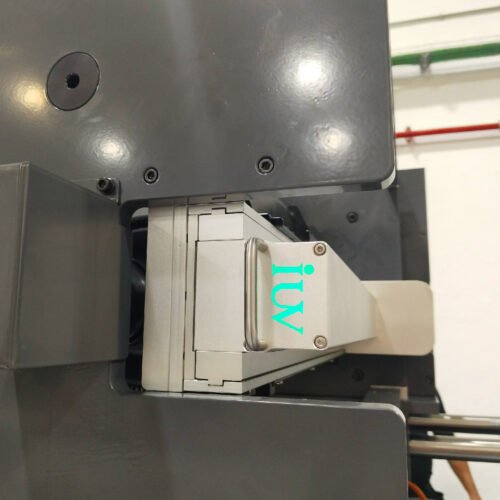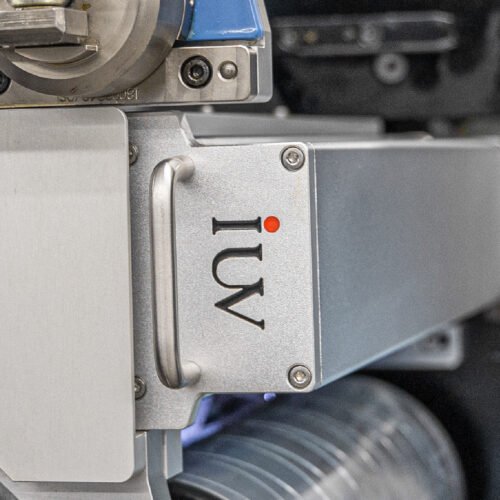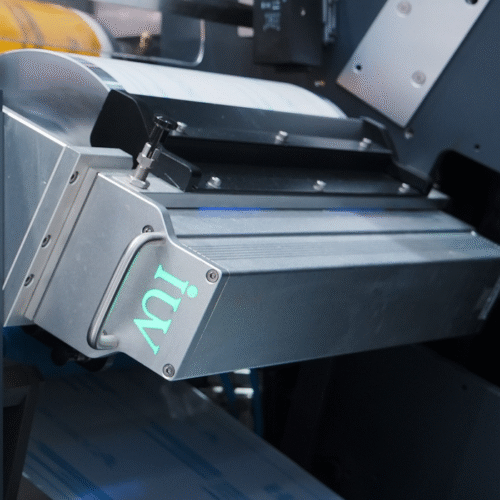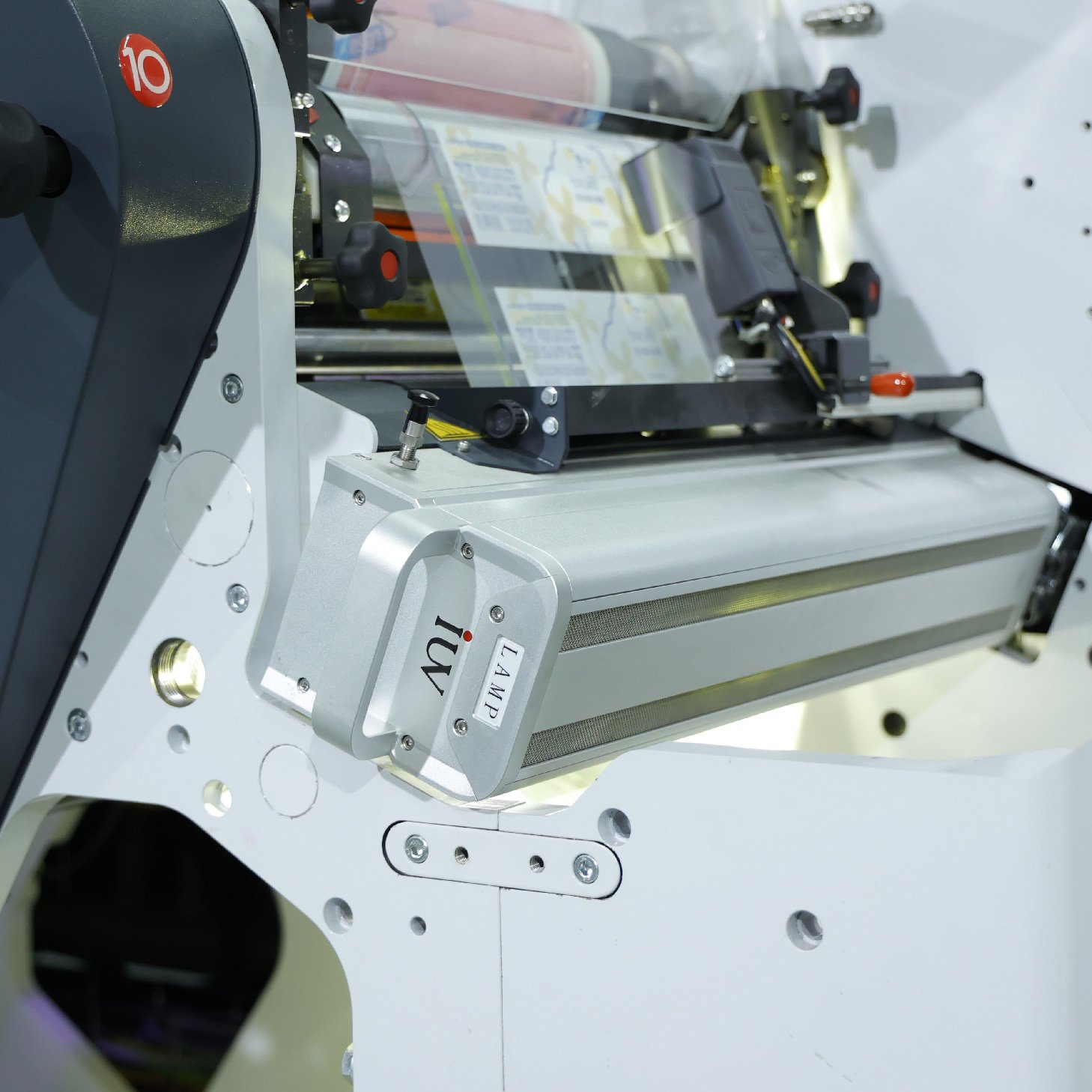
LED curing systems represent a significant leap forward for the printing industry. They offer a greener, more efficient way to achieve high-quality prints across various applications. This shift towards LED UV technology is not just a trend; it’s a fundamental change in how we approach printing processes.
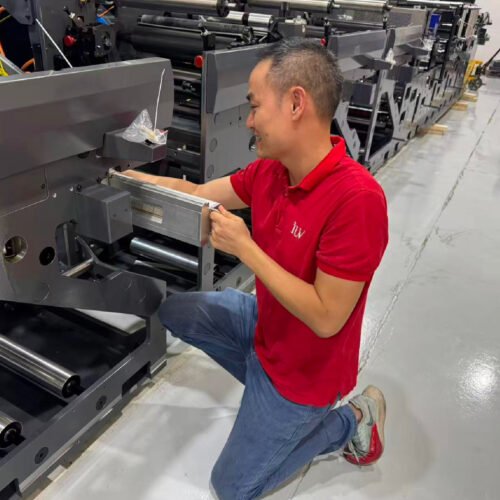
For narrow web printing, especially in the label sector, speed and precision are paramount. Traditional UV curing methods often involve mercury vapor lamps. These lamps consume considerable energy and produce ozone. They also have a shorter lifespan, requiring frequent replacement and generating hazardous waste. LED UV curing, on the other hand, offers a much more sustainable alternative. The systems are highly energy-efficient, consuming a fraction of the power of mercury lamps. This directly translates to lower operational costs and a reduced carbon footprint. Furthermore, LED lamps emit no ozone, contributing to a healthier working environment.
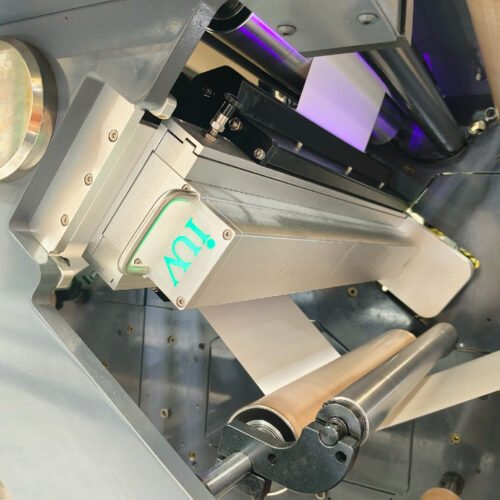
Flexographic printing, a workhorse for packaging and labels, benefits immensely from LED curing. The ability of LED UV to cure inks almost instantaneously allows for faster press speeds. This increased throughput means more product can be produced in less time. It also enables printers to handle more complex, multi-layer jobs without ink smudging or poor adhesion issues. The precise wavelength control of LED systems ensures optimal ink curing, leading to enhanced print quality and durability. This is crucial for brand owners who rely on consistent, high-impact visuals.
Offset printing, or lithography, is also embracing LED UV technology. While traditionally associated with longer drying times, the integration of LED UV curing is revolutionizing this process. For sheet-fed offset, LED systems can be integrated into the printing press to cure inks and coatings as the sheets move through. This eliminates the need for extensive drying rooms and reduces waiting times. The result is a more streamlined production workflow and a significant reduction in energy consumption compared to traditional drying methods. The improved efficiency directly impacts profitability and the overall sustainability of offset printing operations.
The core of LED UV curing technology lies in its specific wavelengths of light. Unlike broad-spectrum mercury lamps, LEDs emit light within narrow, targeted bands. This precise control means the energy is delivered exactly where it’s needed to initiate the polymerization of UV-curable inks and coatings. This targeted approach leads to more efficient curing with less wasted energy. It also allows for greater control over ink properties, such as gloss, adhesion, and chemical resistance.
The environmental advantages of LED UV curing are undeniable. Reduced energy consumption is a major factor. Lower energy usage means a smaller demand on power grids, which often rely on fossil fuels. This directly contributes to a decrease in greenhouse gas emissions. The elimination of ozone is another significant benefit, leading to cleaner air within printing facilities and reducing the need for costly exhaust and ventilation systems. Moreover, the longer lifespan of LED lamps means less waste. Fewer lamps are sent to landfills, and the associated transportation and disposal costs are minimized.
From a cost perspective, the initial investment in LED curing systems can be higher. However, the long-term savings quickly offset this. Reduced energy bills, lower ink and coating consumption due to efficient curing, and minimized maintenance due to longer lamp life all contribute to a significantly lower total cost of ownership. The increased productivity and ability to take on more demanding jobs also enhance revenue potential.
The versatility of LED UV curing makes it suitable for a wide range of substrates. From conventional paper and board to plastics and films, LED systems can effectively cure inks and coatings on diverse materials. This broad substrate compatibility is particularly valuable in the flexible packaging and narrow web label markets, where material variety is high. The ability to cure on heat-sensitive substrates without causing warping or degradation is another key advantage, opening up new printing possibilities.
In conclusion, the adoption of LED UV curing systems represents a powerful shift towards a more sustainable and efficient printing future. The benefits extend across various printing methods, including narrow web, flexography, and offset. These systems deliver environmental advantages through reduced energy consumption and the elimination of ozone. They also offer significant economic benefits through lower operational costs and increased productivity. As the printing industry continues to evolve, LED UV curing stands out as a vital technology for achieving both high-quality results and responsible manufacturing practices. The precise control and targeted energy delivery of LEDs are transforming what’s possible in modern printing.