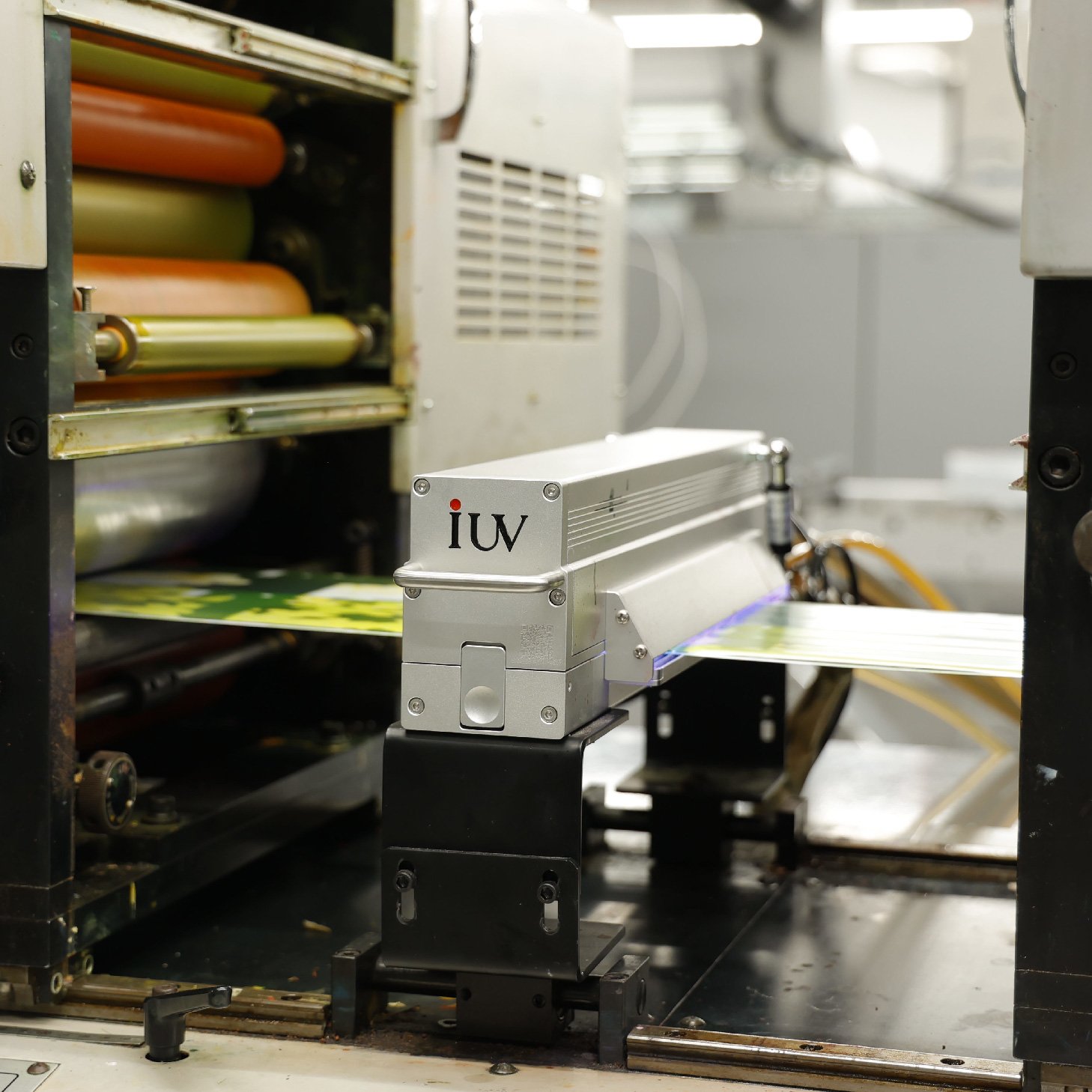
Achieving consistent color in flexographic printing is a constant challenge. Many factors can shift the final output. Ink properties, substrate variations, and press speed all play a role. Traditional UV curing systems often introduce their own inconsistencies. These older lamps can fluctuate in power output. This fluctuation directly impacts ink curing. Inconsistent curing leads to variable ink film hardness. It also affects ink adhesion. Both of these directly influence the final color appearance.
LED curing systems offer a superior solution. They provide a stable and predictable UV light source. This stability is key to maintaining color consistency. Unlike mercury vapor lamps, LEDs emit a very narrow spectrum of UV light. This precise spectrum is tailored to the specific inks being used. The result is more efficient and uniform curing. The energy output of an LED system is highly consistent. It does not degrade over time like older lamps. This means the curing performance remains the same, job after job.
In the world of narrow web flexographic printing, especially for labels and flexible packaging, color accuracy is paramount. Customers expect vibrant, true-to-brand colors. Any deviation can be costly, leading to print run rejections. The narrow web format often involves high speeds. Maintaining consistent ink tack and cure at these speeds is critical. LED curing excels here. Its instant on/off capability means no warm-up time is needed. This is beneficial for quick job changes. More importantly, the consistent energy delivery ensures inks cure fully, even at high press speeds.
Consider the process of color matching. Printers spend significant time achieving precise color targets. This involves adjusting ink formulations and press parameters. If the curing process is inconsistent, the color matching effort is undermined. A batch of labels printed with slightly under-cured ink might appear different. They might even feel different to the touch. Then, the next batch, cured with a slightly more intense output, could shift in hue. This creates a visible and unacceptable variation across the print run.
LED curing technology eliminates much of this variability. The focused UV spectrum ensures the photoinitiators in the ink react efficiently. This leads to thorough and rapid polymerization of the ink film. A consistently cured ink film behaves predictably. Its gloss level, its dot gain, and its overall color saturation remain stable. This translates directly into repeatable color results. Printers can confidently reproduce previous jobs. They can also meet stringent color specifications for new projects.
The benefits extend beyond just color consistency. LED UV curing systems are also more energy-efficient than traditional systems. They consume significantly less power. This translates to lower operating costs for printing companies. They also generate less heat. This is beneficial for heat-sensitive substrates, common in label printing. Less heat buildup on the substrate means less risk of distortion. This further contributes to dimensional stability and print accuracy.
For label printers, especially those producing high-volume or short-run labels, efficiency and reliability are key. The ability to achieve consistent color quickly and without constant adjustments is a major advantage. Flexographic printing, with its inherent scalability and speed, is well-suited for high-volume label production. Integrating LED curing enhances these strengths. It allows for higher throughput without sacrificing quality.
The initial investment in LED curing systems might be higher. However, the long-term benefits often outweigh the upfront cost. Reduced waste due to color variations means less material is discarded. Fewer job rejections lead to improved profitability. The extended lifespan of LED lamps also reduces maintenance costs and downtime compared to replacing traditional mercury vapor lamps.
In offset printing (sheetfed and web), color consistency is also vital. While offset plates and inks have different characteristics, the principle remains the same. Consistent ink curing is essential for predictable color reproduction. LED curing is increasingly being adopted in offset applications. It offers similar advantages in terms of stability and efficiency. For applications requiring high-fidelity color, like commercial printing or high-end packaging, this consistency is invaluable.
The ability of LED UV systems to provide precise control over the UV output is a game-changer. Printers can select specific wavelengths to match their ink sets. This optimization ensures maximum curing efficiency. It minimizes the potential for under-cure or over-cure. Under-cured inks can lead to poor rub resistance and ink transfer issues. Over-cured inks can become brittle. Both can impact the perceived color.
Furthermore, the environmental benefits of LED curing are noteworthy. Reduced energy consumption contributes to a smaller carbon footprint. LED lamps do not contain mercury, unlike traditional UV lamps. This makes disposal of old lamps safer and more environmentally friendly. This aligns with the growing demand for sustainable printing practices.
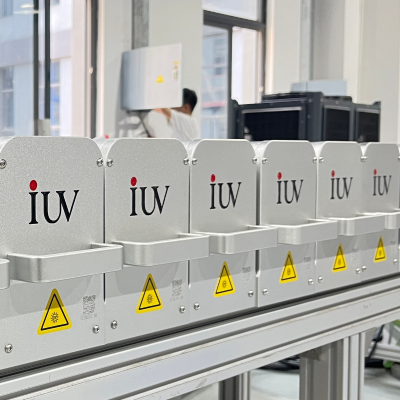
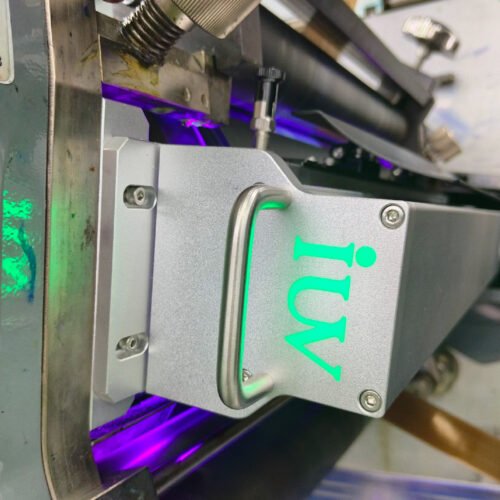
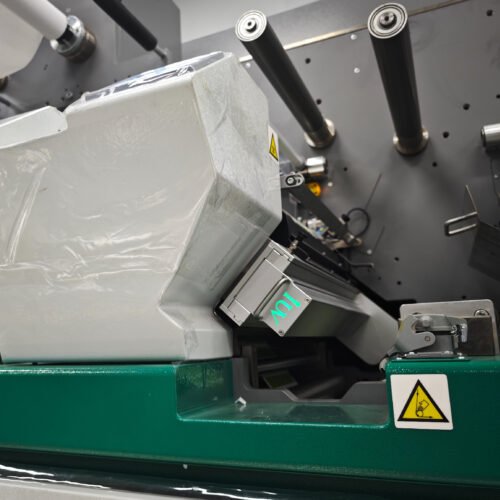
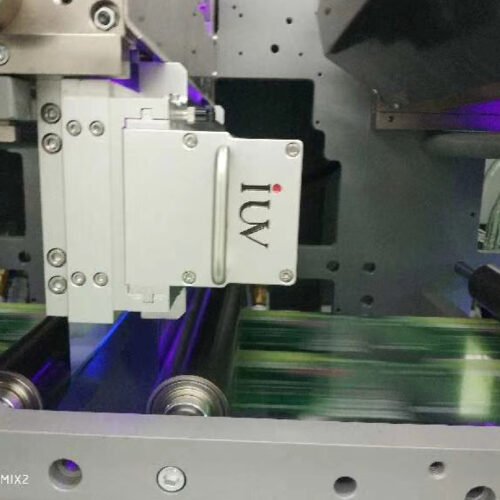
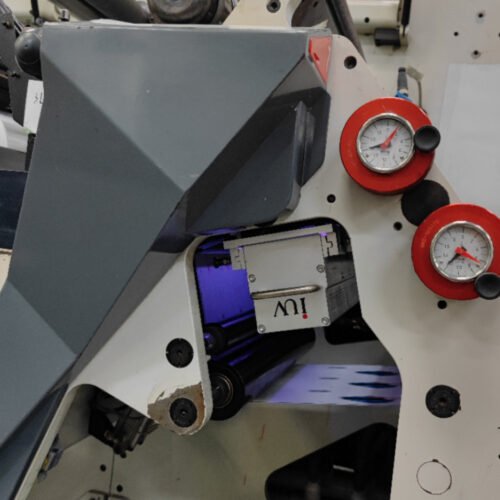
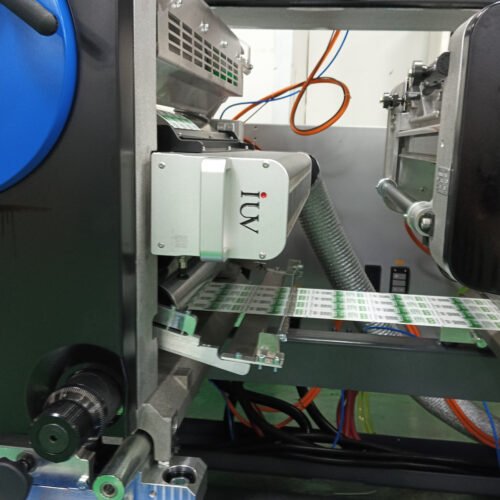
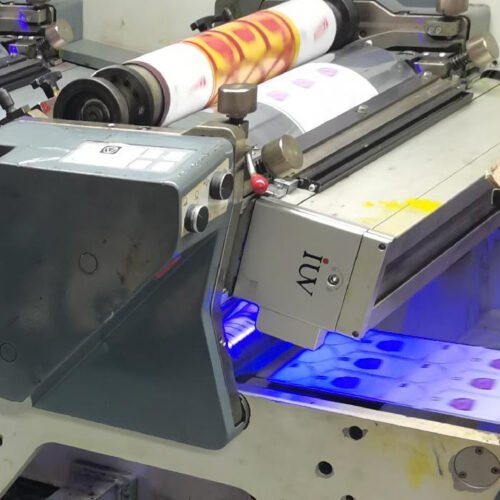
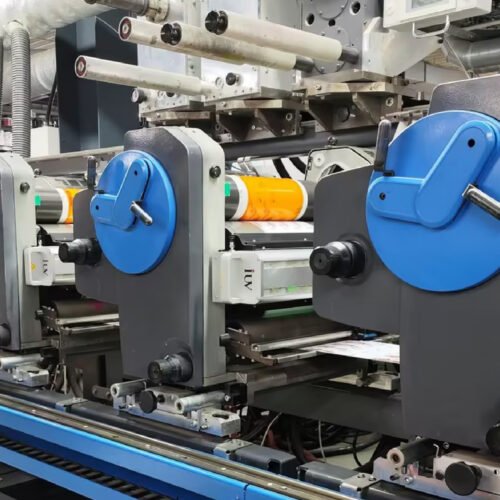
The narrow web printing sector, a powerhouse for labels and small flexible packaging, benefits immensely. The compact nature of LED heads makes them easy to integrate onto existing flexographic presses. This retrofit capability allows printers to upgrade their equipment without a complete press replacement. The immediate improvement in curing performance and color consistency is often dramatic.
In summary, for any printer striving for unparalleled color consistency in flexographic applications, especially in the demanding narrow web label and packaging markets, LED curing systems represent a significant technological leap. Their stable, predictable, and efficient UV light output directly addresses the root causes of color variation associated with older curing technologies. This leads to more reliable production, reduced waste, and ultimately, a higher quality end product that meets the exacting demands of brand owners and consumers alike.