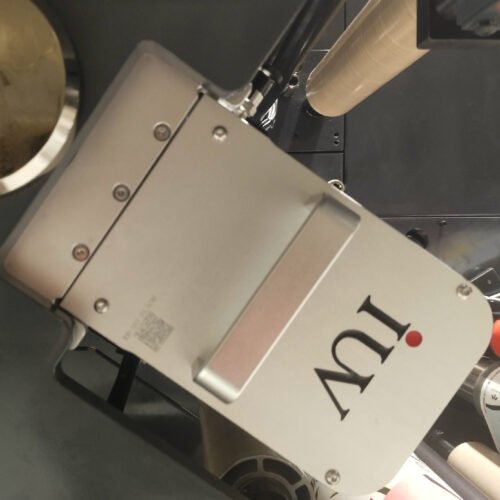
One of the most compelling advantages is energy efficiency. Traditional UV curing lamps consume a significant amount of power. They generate a lot of heat, which is wasted energy. LED systems, on the other hand, are far more energy-efficient. They use a fraction of the electricity compared to mercury vapor lamps. This reduction in energy consumption directly translates to lower operating costs for printing businesses. Over time, these savings can be substantial, boosting a company’s bottom line.
Longer lifespan is another major draw. Mercury vapor lamps have a limited operational life. They need frequent replacement, which incurs costs for both the lamps themselves and the labor involved in changing them. LED curing systems boast an exceptionally long lifespan, often lasting tens of thousands of hours. This dramatically reduces maintenance downtime and the associated expenses. Printers can rely on their LED systems to perform consistently for years.
Instant on/off capability offers significant practical benefits. Unlike traditional lamps that require a warm-up period, LEDs are ready to cure immediately. They also turn off instantly when not in use. This allows for greater control over the curing process and reduces energy waste when the press is stopped, even for brief intervals. This dynamic control is particularly valuable in high-speed printing environments.
Lower heat output is a game-changer, especially for heat-sensitive substrates. Traditional UV lamps emit a considerable amount of infrared radiation, generating substantial heat. This can cause problems when printing on delicate materials like certain plastics, thin films, or even some papers. This heat can lead to warping, deformation, or ink spreading, compromising print quality. LED curing systems produce much less heat. This allows printers to expand their substrate options and achieve sharper, more consistent results on a wider range of materials without degradation.
The environmental impact is also a strong motivator. Traditional UV lamps contain mercury, a hazardous substance. Their disposal requires special handling and can be costly and environmentally damaging. LED systems are mercury-free, making them a safer and more environmentally responsible choice. This aligns with growing corporate sustainability goals and consumer demand for eco-friendly products.
Improved curing speed and performance are key. While both systems cure inks, LEDs offer a more focused and efficient energy output. Specific wavelengths are emitted, which can be precisely matched to the photoinitiators in UV inks. This leads to faster and more complete curing. This means faster production speeds and the ability to handle complex jobs with confidence. The result is higher quality prints with excellent adhesion and durability.
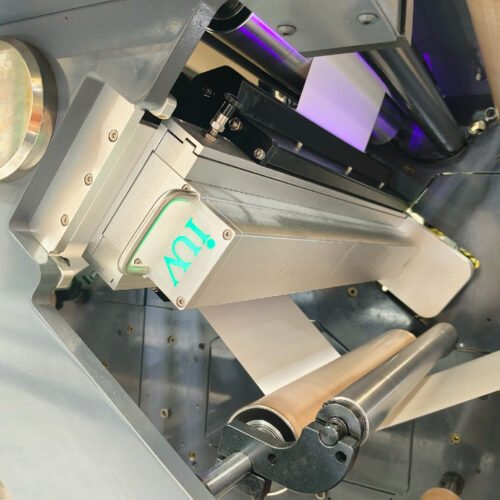
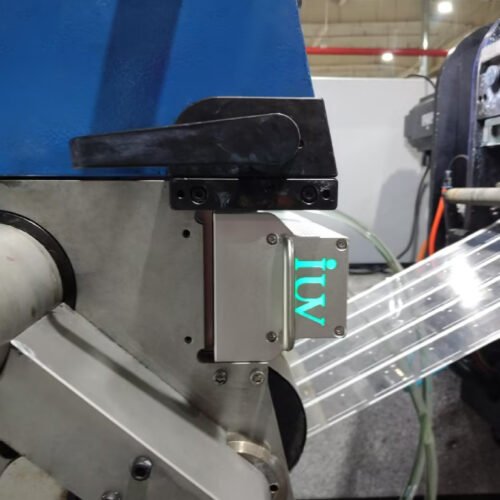
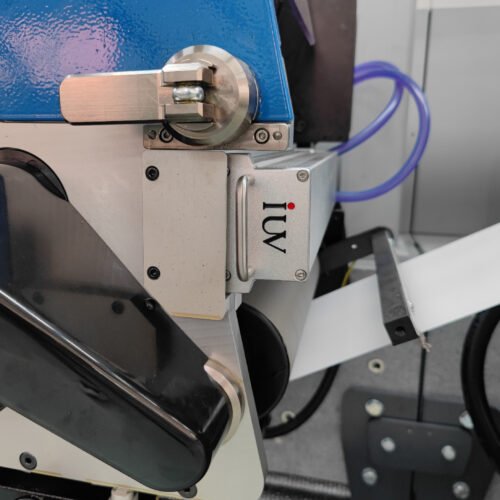
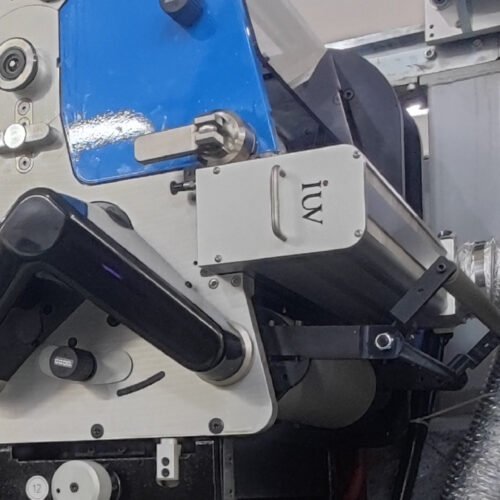
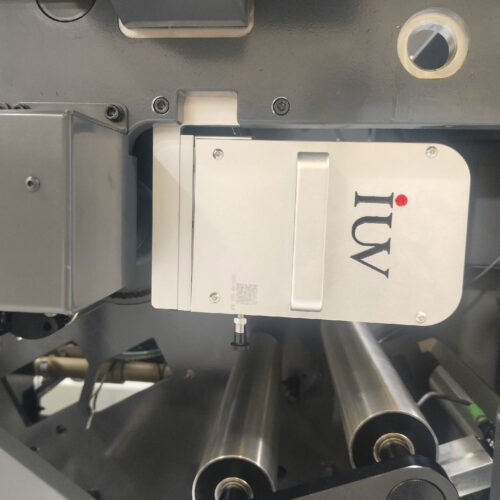
For narrow web printing, especially in label and flexible packaging, LED curing is revolutionizing the industry. The compact nature of LED units allows for easier integration into existing presses. They can be retrofitted without extensive modifications. This is crucial for label printers who often operate older equipment. The ability to cure a wider range of inks and coatings on challenging substrates like films and foils is also a significant advantage. This opens up new market opportunities.
In flexographic printing, LEDs are similarly transformative. They enable faster press speeds and better registration control. The reduced heat also minimizes substrate shrinkage, which is vital for achieving precise multicolor prints. The consistency of LED output ensures uniform curing across the entire web, eliminating common printing defects. This leads to less waste and higher profitability for flexo printers.
Offset lithography is also benefiting immensely. For sheetfed and web offset, LED curing allows for faster make-ready times and improved print quality. The ability to print on a wider variety of non-absorbent stocks, previously a challenge, becomes much more feasible. This expands the applications for offset printing, making it a more versatile technology in today’s competitive market. The elimination of heat reduces the risk of paper jams and set-off issues.
The cost-effectiveness of LED curing, when viewed holistically, is undeniable. While the initial investment might be higher than for some traditional systems, the long-term savings in energy, consumables, maintenance, and reduced waste paint a compelling financial picture. For businesses looking to improve efficiency and reduce operating expenses, LED curing presents a clear path forward.
The versatility of LED technology cannot be overstated. Different wavelength outputs are available, allowing printers to select the best system for their specific ink formulations and applications. This customizability ensures optimal curing performance for a vast array of printing jobs, from high-volume commercial work to specialized packaging.
Finally, the print quality achieved with LED curing is often superior. The precise control over the curing process, combined with the lower heat output, results in sharper dots, better color density, and enhanced durability of the printed image. This means higher customer satisfaction and a stronger competitive edge for printers who adopt the technology.