Unlock Significant Savings with LED Curing in Your Print Operations
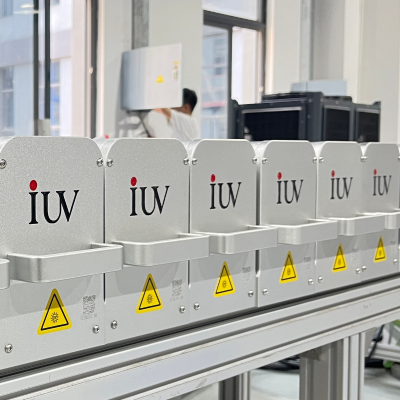
The printing industry is always seeking ways to enhance efficiency and reduce operational expenses. One of the most impactful advancements in recent years has been the shift to LED UV curing systems. This technology offers a compelling pathway for printers, particularly those involved in narrow web, flexographic, and offset printing, to achieve substantial cost savings. Understanding how LED curing contributes to this is key to making informed decisions about your equipment upgrades.
For label printers, the demand for high-quality, durable, and fast-drying prints is constant. Traditional UV curing methods, while effective, often come with high energy consumption and require significant maintenance. LED UV systems present a modern alternative that addresses these challenges head-on. They provide instant curing, allowing for faster production speeds and immediate handling of printed materials. This directly translates to increased throughput and reduced turnaround times, crucial factors in the competitive label market.
The Energy Advantage of LED UV Curing
The core benefit driving cost reduction with LED UV systems is their remarkable energy efficiency. Unlike conventional mercury lamp UV systems that generate a broad spectrum of light and significant heat, LEDs emit a very specific wavelength of UV light. This focused emission means far less energy is wasted. Mercury lamps, for instance, are always on, consuming a substantial amount of power even when not actively curing. LEDs, on the other hand, can be switched on and off instantly, consuming power only when printing is in progress. This on-demand operation leads to dramatic reductions in electricity bills, often reported to be as much as 70-80% lower than traditional systems.
Furthermore, the reduced heat output from LED curing is another significant cost saver. Traditional UV lamps generate considerable heat, which necessitates robust and often energy-intensive cooling systems. This excess heat can also affect the substrate, potentially leading to issues with heat-sensitive materials or requiring additional environmental controls for the pressroom. LED systems produce minimal heat, significantly reducing or even eliminating the need for extensive cooling. This not only lowers energy costs associated with cooling but also contributes to a more stable and comfortable working environment for press operators.
Durability and Longevity: A Long-Term Investment
Beyond immediate energy savings, LED UV curing systems offer superior durability and a longer operational lifespan. The individual LEDs have a much longer service life compared to mercury lamps. While mercury lamps typically need replacement after 1,000 to 3,000 hours of use, LEDs can last for 20,000 to 50,000 hours or even more. This extended lifespan dramatically reduces the frequency and cost of replacement parts, minimizing downtime and the associated labor costs for maintenance.
The consistent and precise UV output of LED systems also contributes to better print quality and substrate durability. The specific wavelengths are optimized for curing UV-ink formulations, ensuring a complete and robust cure. This results in prints with excellent scratch resistance, chemical resistance, and colorfastness, meeting the demanding requirements of many label applications, from food packaging to industrial labels. For flexographic and offset printers, this means fewer rejected jobs and a higher proportion of saleable product, further enhancing profitability.
Optimizing for Different Printing Processes
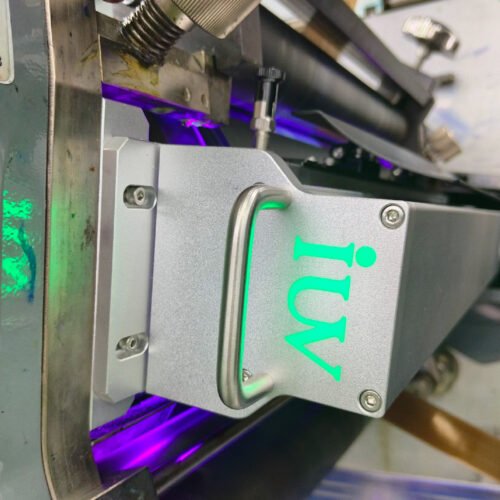
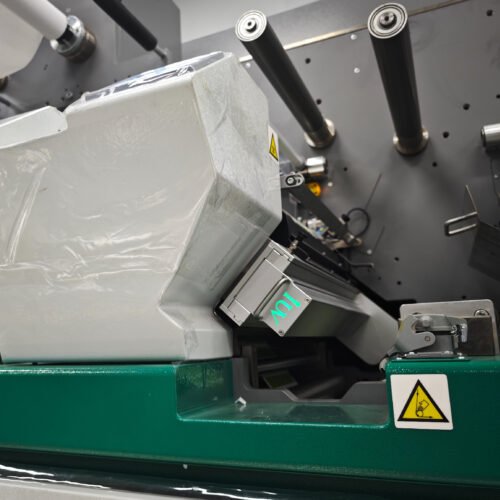
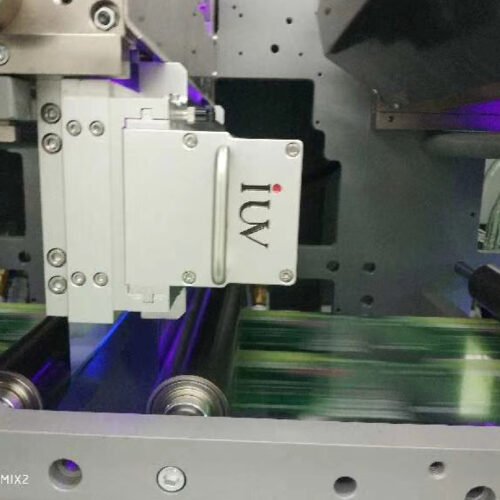
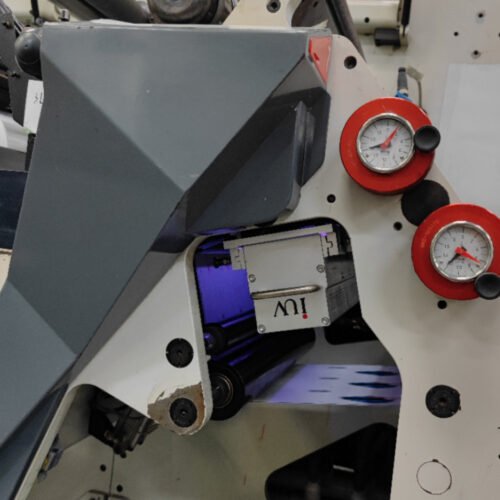
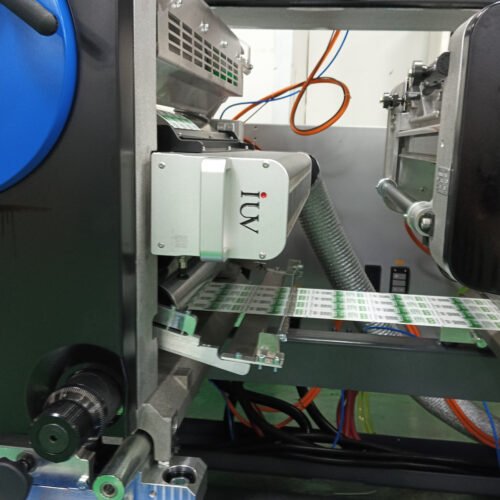
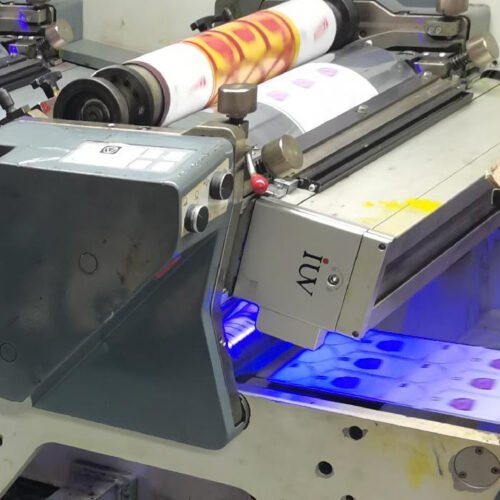
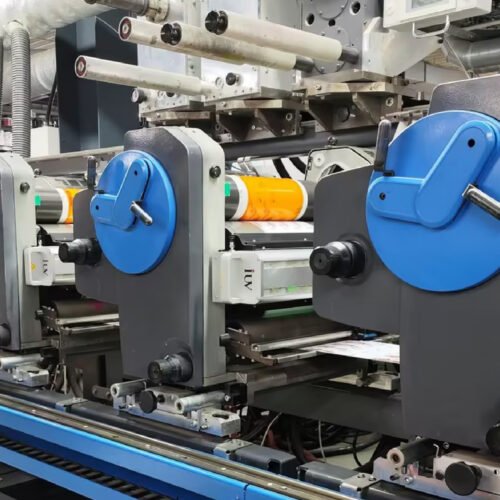
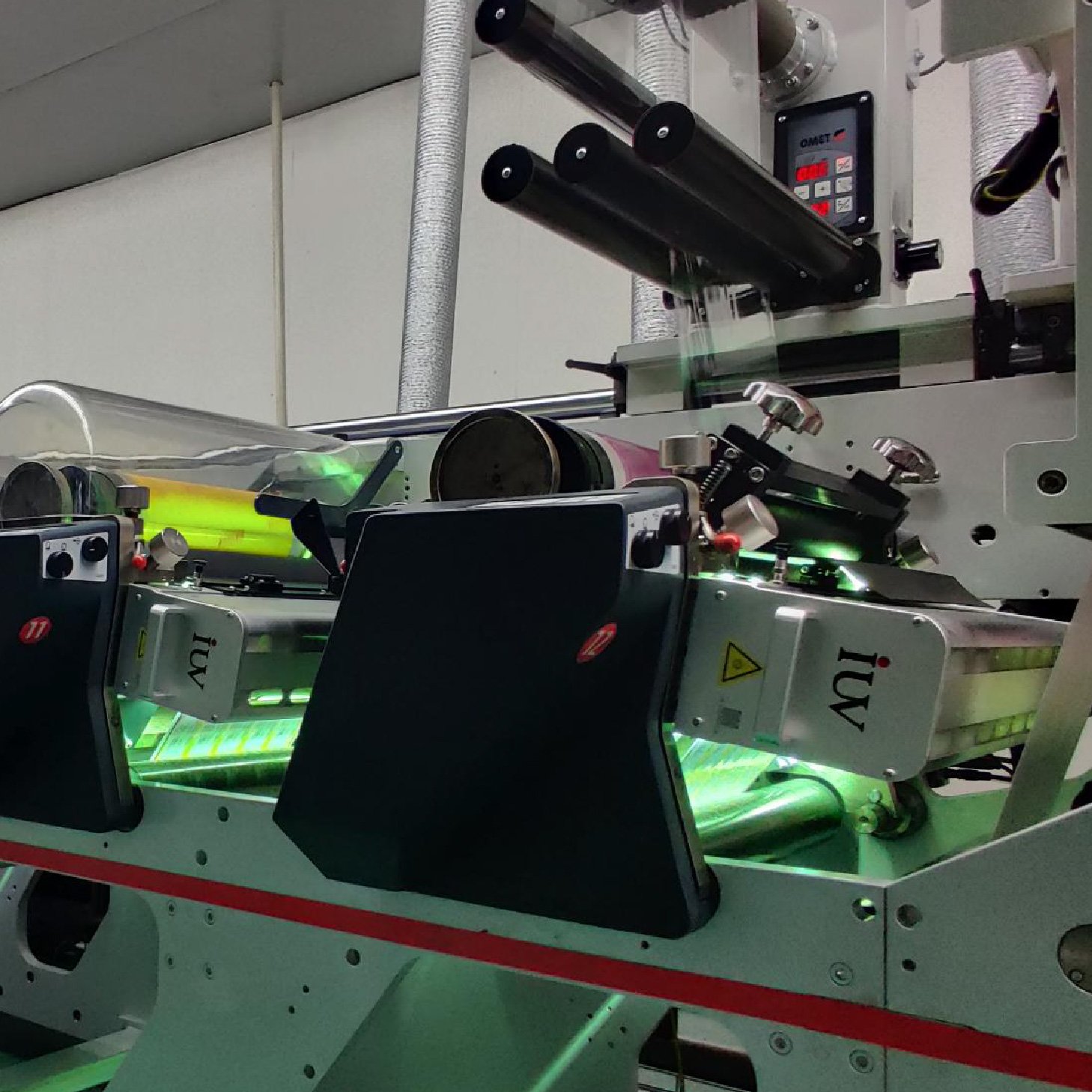
Narrow Web and Flexographic Printing: In the world of narrow web and flexo printing, speed and efficiency are paramount. LED UV curing systems integrate seamlessly into these high-speed press environments. The instant curing capabilities of LEDs allow for faster press speeds without compromising ink adhesion or finish quality. This is particularly beneficial for printers producing short runs or multiple job changes throughout the day. The smaller footprint and lower heat generation of some LED systems also make them ideal for retrofitting onto existing flexographic presses, offering a cost-effective upgrade path.
Offset Printing: While offset printing has traditionally relied on different drying methods, LED UV curing is making significant inroads, especially in sheetfed and web offset applications. The ability to achieve immediate dry-to-dry printing with LED UV inks eliminates the need for lengthy drying times or inter-deck drying units, speeding up the entire printing process. This is a game-changer for printers looking to increase their productivity and handle a wider variety of jobs, including those requiring special finishes or heavy ink coverage, with greater efficiency. The environmental benefits are also notable, as LED UV inks are typically low-VOC (volatile organic compound) formulations.
The Economic Case for Switching
The economic advantages of adopting LED UV curing are multifaceted. The reduction in energy consumption directly impacts the bottom line, making operations more sustainable and less susceptible to energy price fluctuations. The decreased maintenance requirements and longer component lifespans lead to significant savings on consumables and labor. Moreover, the improved print quality and reduced waste contribute to higher customer satisfaction and increased profitability.
When evaluating the cost of transitioning to LED UV curing, it’s important to consider the total cost of ownership over the system’s lifespan, not just the initial investment. The long-term savings in energy, maintenance, and improved productivity often result in a rapid return on investment. Printers looking to stay competitive, improve their environmental footprint, and enhance their operational efficiency will find LED UV curing systems to be a highly valuable technology. This is not just about adopting new technology; it’s about strategically investing in a more cost-effective and efficient future for your printing business. The consistent performance and reliability of LED systems ensure that your pressroom operates at peak performance, delivering exceptional results while keeping overheads in check.