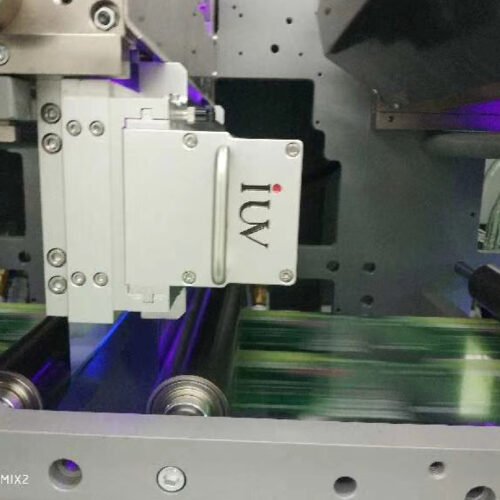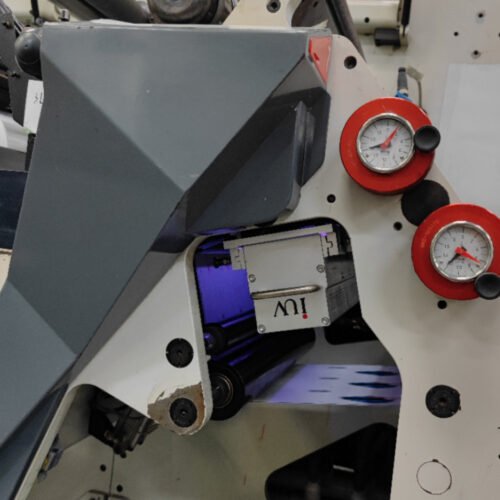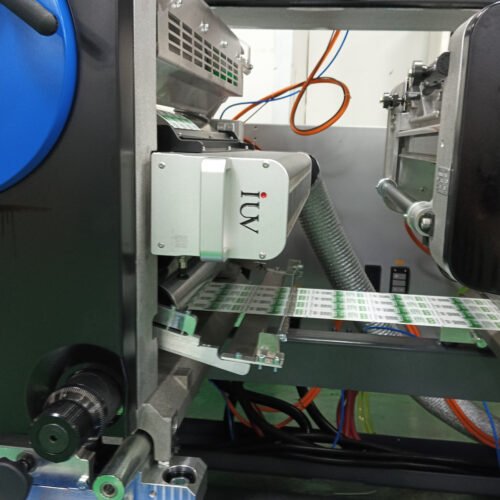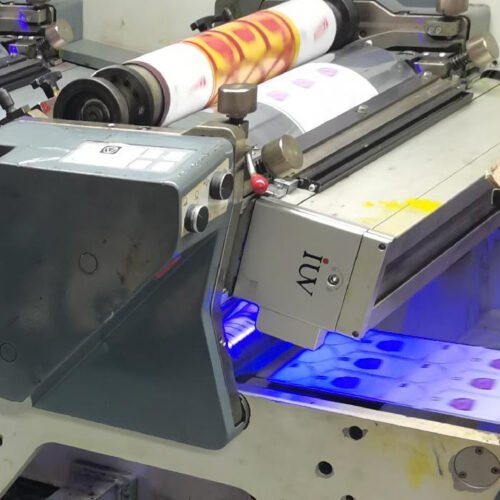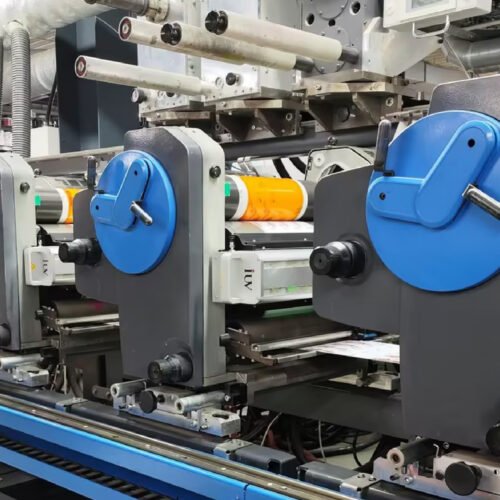
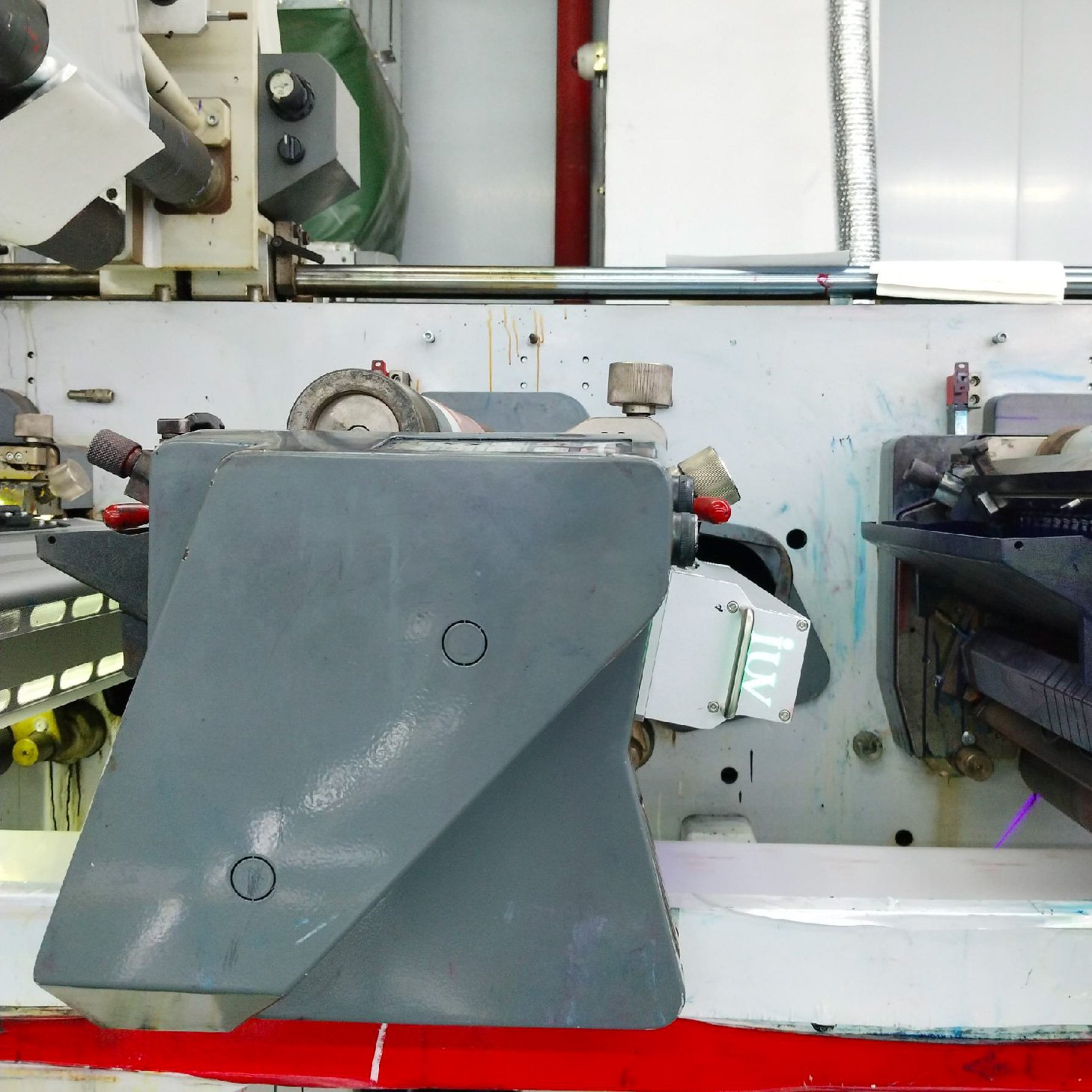
The printing industry is constantly evolving. We’re always looking for ways to improve efficiency and quality. Equally important is reducing our environmental footprint. In this pursuit, LED curing systems are emerging as a transformative technology. They offer significant advantages over traditional methods. This is especially true for label printing, flexography, offset printing, and narrow web applications.
Understanding UV Curing
Before diving into LED, let’s briefly touch upon UV curing. UV curing uses ultraviolet light to instantly dry or “cure” inks, coatings, and adhesives. This process is much faster than heat or air drying. It also uses less energy. Traditional UV curing often relies on mercury vapor lamps. These lamps have served the industry well. However, they come with certain drawbacks.
The Environmental Edge of LED Curing
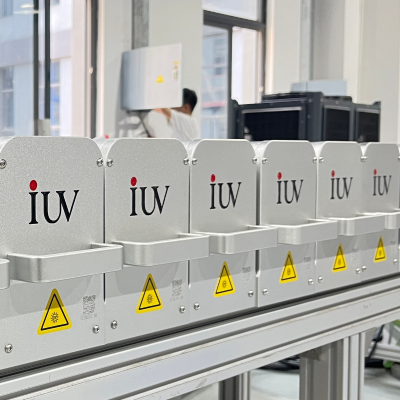
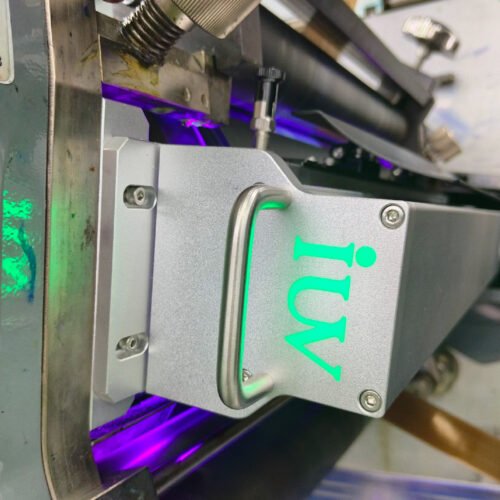
LED, or Light Emitting Diode, technology represents a significant leap forward. LED curing systems use a different spectrum of UV light. They are also far more energy-efficient. This efficiency translates directly into environmental benefits.
One of the most apparent advantages is reduced energy consumption. Mercury lamps require a significant warm-up period. They also consume a lot of power, even when not fully utilized. LED systems, on the other hand, are instant on and off. They deliver energy precisely where and when it’s needed. This targeted approach dramatically cuts down on wasted electricity. For printing operations, especially those running multiple shifts or short-run jobs, this energy saving can be substantial. Think about the cumulative effect over a year. It’s a considerable reduction in the overall energy demand of the printing press.
Reducing Waste and Emissions
Beyond energy savings, LED curing contributes to a cleaner printing environment. Traditional UV lamps generate a lot of heat. This heat can sometimes scorch substrates or require additional cooling systems. These cooling systems, in turn, consume more energy. LED systems produce very little heat. This allows printers to work with a wider range of heat-sensitive materials. It also means less energy is spent on cooling the press and the surrounding environment.
Furthermore, the process of curing itself can be optimized. LED technology allows for precise control over the light spectrum and intensity. This means inks and coatings can be cured more effectively and efficiently. For label printing and narrow web applications, where precise ink laydown is critical, this is a major plus. It leads to fewer misprints and less waste. Less waste means fewer materials sent to landfill. It also reduces the need for reprocessing or disposal of imperfect prints.
A Healthier Workplace
Mercury vapor lamps contain hazardous materials. Their disposal requires special handling and can be costly. LED systems, by contrast, are free of mercury. This makes them a safer choice for manufacturing and a more environmentally responsible option for disposal at the end of their lifespan. This is a significant consideration for printing companies aiming for sustainable practices. It contributes to a healthier and safer working environment for everyone on the production floor.
Applications Across Printing Types
The benefits of LED curing are not limited to one type of printing. They are highly relevant across various sectors:
- Label Printing: In the competitive label market, efficiency and cost-effectiveness are paramount. LED curing allows for faster production speeds and reduced energy bills. This makes labels more affordable and production more sustainable. The ability to cure on a wider range of substrates also opens up new possibilities for label design and application.
- Flexographic Printing: Flexography is a workhorse for packaging and labels. Implementing LED curing in flexo presses leads to quicker turnaround times. It also reduces the overall energy burden. This is particularly important for businesses focused on sustainable packaging solutions.
- Offset Printing: While traditionally associated with heat-set or conventional UV, offset printers can also benefit from LED technology. It offers faster drying, enabling immediate post-press finishing. This streamlines workflows and reduces the need for long drying times or additional energy-intensive processes.
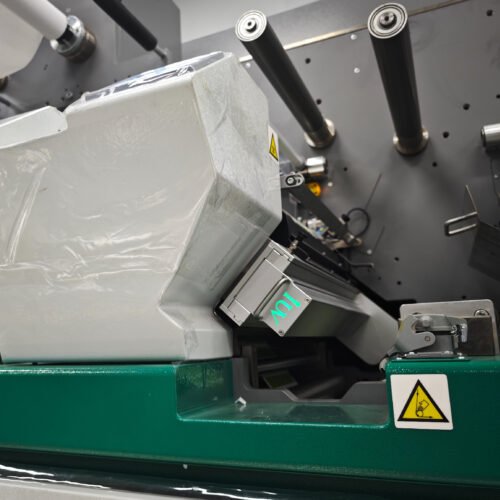
- Narrow Web Printing: This niche is perfect for LED curing. Narrow web presses often handle short runs and variable data printing. The instant on/off nature of LEDs aligns perfectly with the stop-and-start demands of these operations. This optimizes energy usage and minimizes waste on each job.
The Future is Bright and Green
The transition to LED curing systems is a clear indicator of the printing industry’s commitment to sustainability. By embracing this technology, printers can achieve lower operating costs, higher print quality, and a significantly reduced environmental impact. It’s a win-win scenario. Businesses can remain competitive while contributing positively to the planet. As the technology continues to advance, we can expect even more innovation in this space, further solidifying LED curing’s role in a greener future for printing.