LED Curing Systems for Packaging: Enhancing Print Quality and Production Speed
The world of packaging demands perfection. From vibrant labels to durable product protection, every printed element tells a story. Achieving this requires advanced printing techniques and, crucially, cutting-edge curing technology. LED UV curing systems are revolutionizing the packaging industry, offering a potent blend of enhanced print quality and remarkable production speed. This technology is no longer a novelty; it’s a necessity for printers aiming for the top.
For narrow web printers, especially those in the label and flexible packaging sectors, efficiency is paramount. Traditional UV curing methods, while effective, can be energy-intensive and generate significant heat. This heat can warp sensitive substrates and impact the overall print job. LED UV curing addresses these issues head-on. These systems emit light at specific wavelengths, directly targeting the photoinitiators in UV-curable inks and coatings. The result is a highly efficient and controlled curing process.
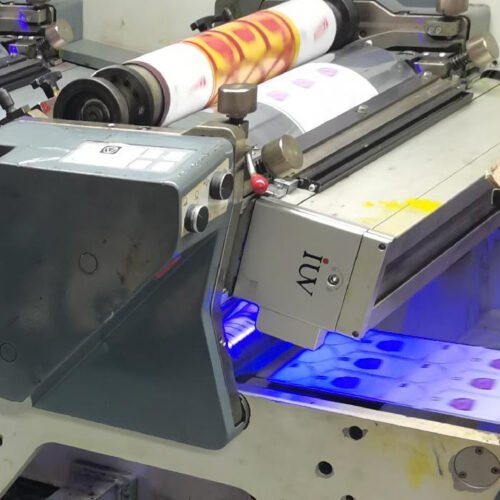
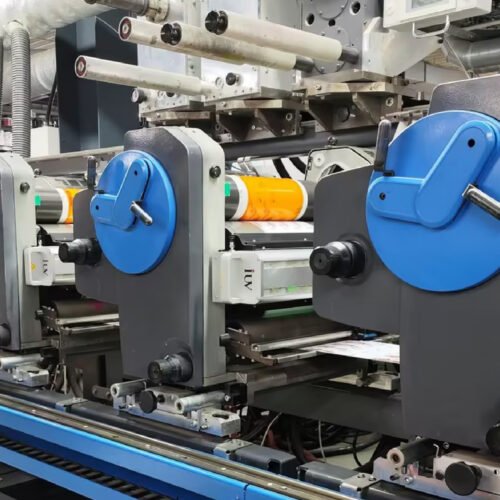
In the realm of flexographic printing, known for its versatility and widespread use in packaging, LED curing brings a new level of performance. Flexo presses, whether printing on paper, film, or foil, benefit immensely from the precise control offered by LED technology. The rapid curing capabilities mean faster press speeds are achievable without compromising ink adhesion or vibrancy. This translates directly into higher throughput and increased profitability for packaging converters. Imagine running your press at its maximum potential, confident that every printed layer is instantly and perfectly cured. That’s the power of LED.
Offset printing, often referred to as sheetfed or commercial printing, also finds significant advantages with LED UV curing, particularly for certain packaging applications. While traditionally associated with longer print runs, offset presses can now integrate LED curing to achieve faster turnaround times and handle a wider variety of specialty inks and coatings. The reduced heat output of LED systems is a boon for delicate paperboard stocks commonly used in folding cartons. This allows for high-quality, visually stunning packaging to be produced more efficiently than ever before.
The benefits of LED curing extend beyond just speed. Print quality sees a significant uplift. Inks cured with LED technology exhibit exceptional sharpness, superior color gamut, and remarkable scratch and abrasion resistance. This is critical for packaging that needs to withstand the rigors of the supply chain and maintain its aesthetic appeal on the shelf. The precise wavelength output of LEDs ensures that inks cure uniformly, eliminating issues like “chalking” or “poor adhesion” that can plague traditional curing methods. This consistency is vital for brand owners who rely on their packaging to be a perfect representation of their product.
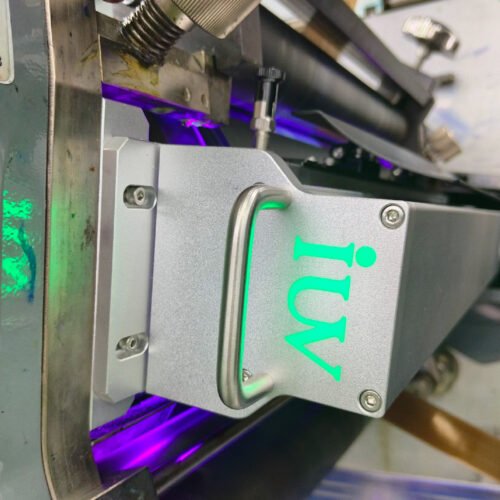
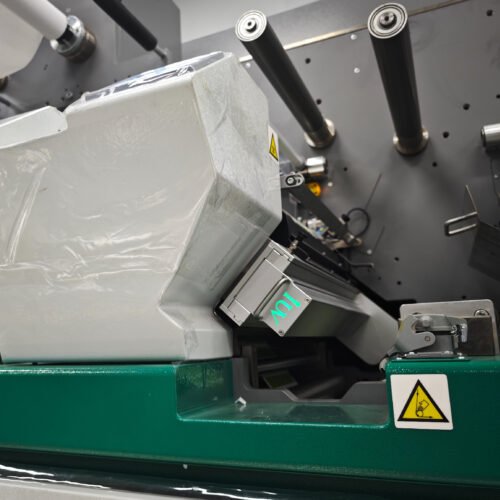
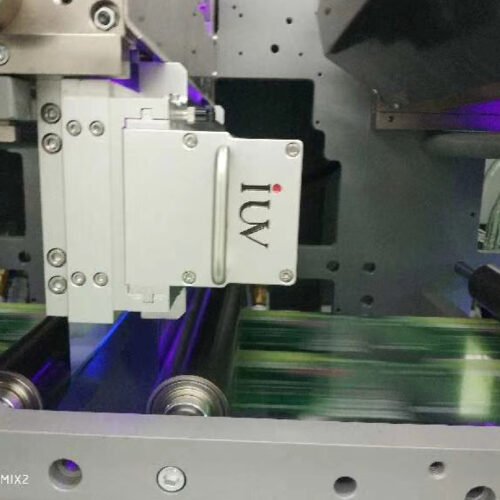
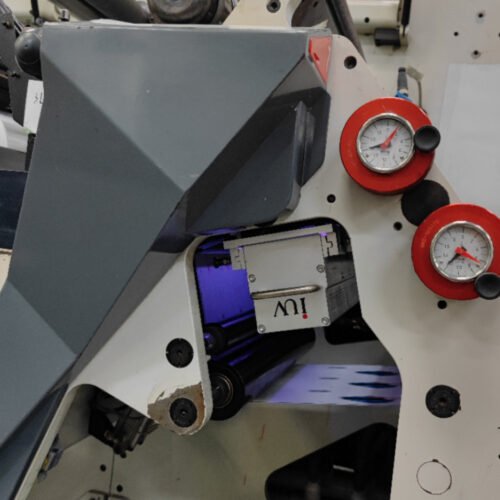
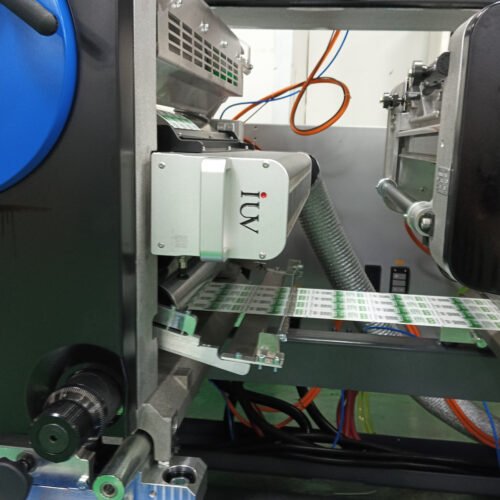
When discussing narrow web printing, the advantages of LED UV curing are particularly pronounced. These compact systems can be easily integrated into existing flexo presses, often requiring minimal modification. The energy efficiency is another major selling point. LED lamps consume significantly less power than traditional mercury vapor lamps, leading to substantial cost savings on electricity bills. Furthermore, LED lamps have a much longer lifespan, reducing maintenance downtime and the frequency of lamp replacements. This operational efficiency contributes to a lower total cost of ownership.
The technology behind LED UV curing is based on solid-state semiconductor devices. These devices emit light when an electric current passes through them. The specific wavelengths emitted can be finely tuned, typically in the UVA range (365nm, 385nm, 395nm, 405nm), which is ideal for curing most UV-curable inks and coatings. This precise control over the light spectrum ensures optimal polymerization of the ink, leading to a fully cured, durable finish. Unlike mercury lamps that emit a broad spectrum of light, including heat-generating infrared radiation, LEDs produce very little heat, making them ideal for heat-sensitive substrates.
For label printers, the ability to achieve high-quality, vibrant prints quickly is essential. Whether it’s for food and beverage, health and beauty, or industrial applications, labels are often the first point of contact between a product and the consumer. LED curing enables label printers to produce intricate designs, fine text, and full-color graphics with exceptional clarity and durability. The fast curing allows for inline finishing processes, such as lamination or die-cutting, to be performed immediately after printing, streamlining production workflows and reducing lead times.
In the flexible packaging market, where materials like films and foils are common, the low-heat characteristics of LED curing are a distinct advantage. Traditional curing methods could potentially damage or distort these thin substrates. LED systems, by contrast, cure the ink from the surface inwards with minimal thermal impact, preserving the integrity of the packaging material. This allows for the creation of visually appealing and highly functional packaging that protects its contents effectively.
The environmental benefits of LED UV curing are also noteworthy. The reduced energy consumption contributes to a smaller carbon footprint. Furthermore, UV-curable inks and coatings are often formulated with fewer volatile organic compounds (VOCs) compared to solvent-based inks, making them a more environmentally friendly option. The extended lifespan of LED lamps also means less waste generated from discarded lamps.
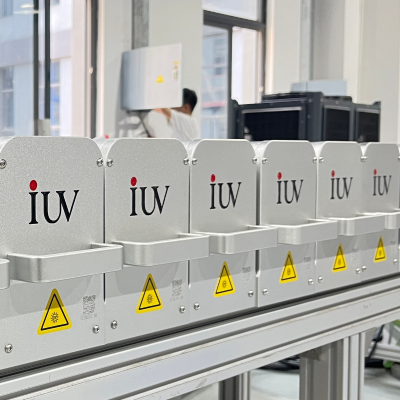
When considering an investment in new curing technology, understanding the nuances of LED systems is crucial. Factors such as lamp intensity, wavelength output, and cooling requirements should be evaluated based on the specific printing applications and ink systems being used. Many manufacturers now offer modular LED curing solutions that can be customized to fit various press configurations and production needs. This flexibility ensures that printers can find a solution that perfectly matches their operational demands.
The transition to LED UV curing represents a significant step forward for the printing industry, particularly within the packaging sector. It offers a clear pathway to enhanced print quality, increased production speeds, greater operational efficiency, and a more sustainable printing process. For any printing operation looking to stay competitive and meet the ever-evolving demands of the packaging market, embracing LED curing technology is a strategic imperative that promises substantial returns. It’s about achieving more, faster, and better.