Illuminating the Future: LED Curing Systems Revolutionize Flexo Printing Efficiency
In the fast-paced world of label printing, efficiency is king. Flexographic printing, or flexo, has long been a workhorse for producing vibrant, high-quality labels. Now, a technological leap is dramatically enhancing its capabilities: LED UV curing systems. This advanced technology is not just an upgrade; it’s a complete transformation for flexo operations, especially within the narrow web sector.
For years, traditional UV curing methods relied on mercury vapor lamps. While effective, these lamps came with a significant energy footprint and generated considerable heat. They also required frequent replacement and careful disposal due to environmental concerns. Enter LED UV curing. This innovative approach harnesses the power of Light Emitting Diodes (LEDs) to cure inks, coatings, and adhesives. The benefits for flexo printing are profound and far-reaching.
One of the most immediate advantages of LED curing is its exceptional energy efficiency. Compared to conventional mercury lamps, LEDs consume a fraction of the power. This reduction in energy usage translates directly into lower operating costs for printing companies. Think about the consistent demand for power in a busy print shop. Cutting that demand by 70-80% is a substantial financial saving, month after month. This improved energy profile also contributes to a more sustainable printing process, a growing concern for brands and consumers alike.
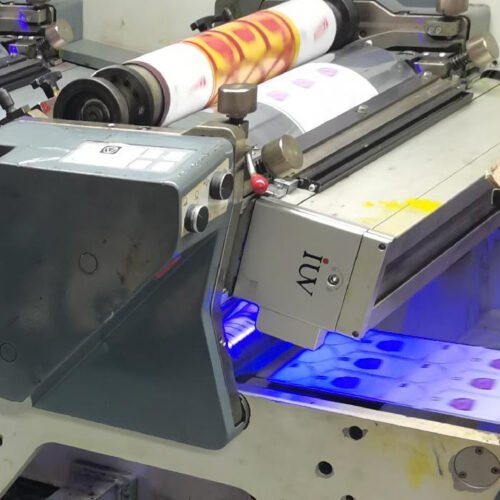
Heat is another critical factor in the printing process. Traditional UV lamps emit a broad spectrum of light, much of which is wasted as heat. This excess heat can cause problems for sensitive substrates, leading to warping or delamination, particularly with thinner films commonly used in label printing. LED curing, on the other hand, emits light in very specific wavelengths. This targeted energy delivery means significantly less heat is transferred to the substrate. The result is enhanced print quality, especially on heat-sensitive materials. This allows printers to expand their substrate options, opening doors to new markets and applications.
Downtime is the enemy of productivity in any manufacturing environment. LED UV curing systems boast an incredibly long lifespan, often exceeding 20,000 hours of operation. This is many times longer than mercury lamps, which typically last only a few thousand hours. The reduced frequency of lamp replacement means less downtime for maintenance and fewer spare parts to stock. This consistency in performance ensures that production lines keep running smoothly, maximizing output and minimizing costly interruptions. For narrow web printers dealing with tight deadlines, this reliability is invaluable.
The speed at which inks and coatings cure directly impacts printing press speeds. LED UV curing technology allows for faster curing times. This enables presses to run at higher speeds without compromising on print quality or adhesion. The ability to increase press speed means more labels can be produced in the same amount of time. This boost in throughput is a direct driver of increased productivity and profitability. It allows businesses to take on more jobs and deliver them faster, enhancing their competitiveness.
Beyond speed and efficiency, LED UV curing offers superior ink and coating performance. The precise wavelengths emitted by LEDs are optimized for specific UV-curable formulations. This leads to excellent ink adhesion, scratch resistance, and chemical resistance. The vibrant colors remain true, and the finished labels exhibit a professional, durable finish. This enhanced print durability is crucial for labels that need to withstand harsh environments or heavy handling.
The environmental benefits extend beyond energy savings. Mercury lamps contain hazardous materials that require careful disposal. LED systems, by contrast, are mercury-free. This makes them a more environmentally responsible choice throughout their lifecycle. As regulatory pressures increase and corporate sustainability goals become more ambitious, adopting mercury-free technology like LED curing becomes a strategic advantage.
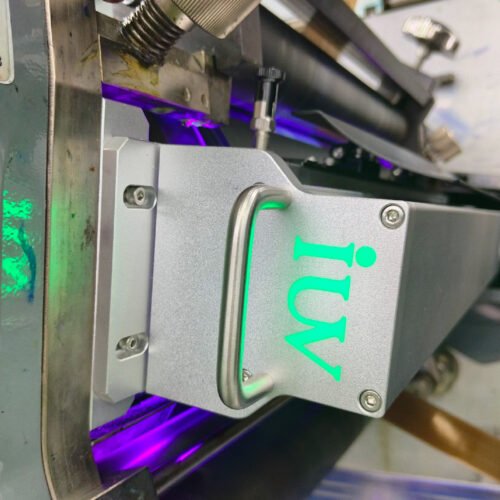
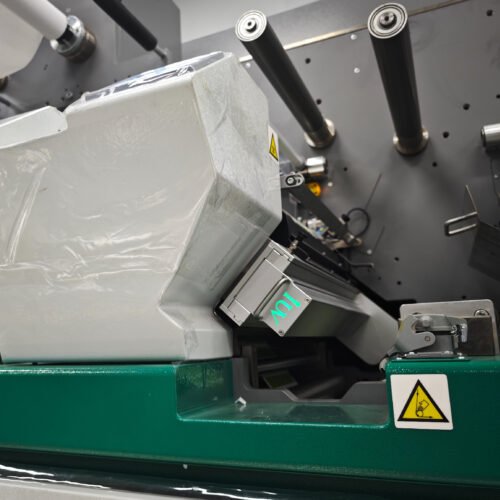
Integrating LED UV curing into existing flexo presses is often a straightforward process. Many manufacturers offer retrofitting options that can upgrade older machines to LED technology. This provides a pathway for businesses to benefit from the advancements without the need for an entirely new press. The return on investment for such upgrades can be remarkably swift, driven by the savings in energy, reduced maintenance, and increased throughput.
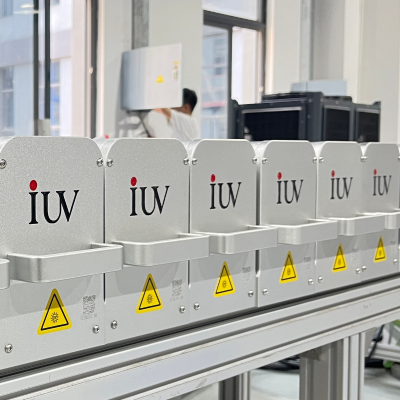
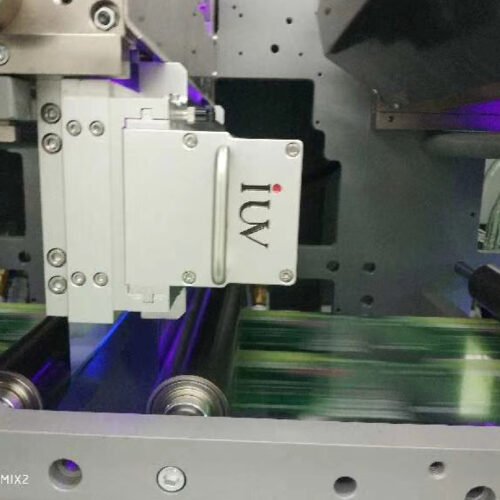
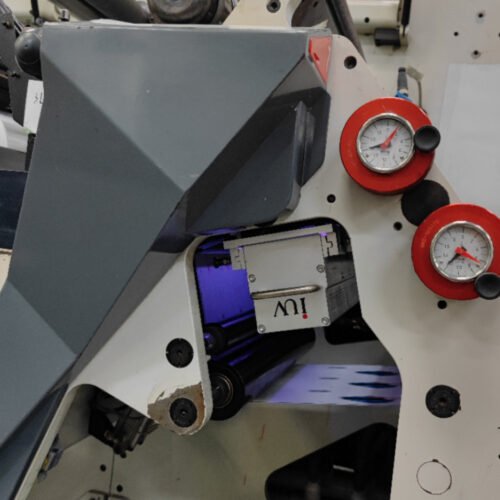
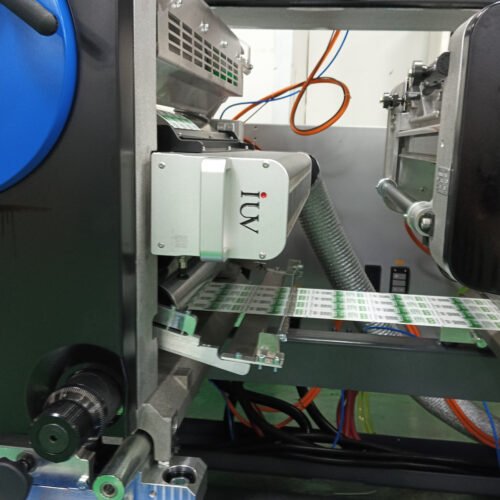
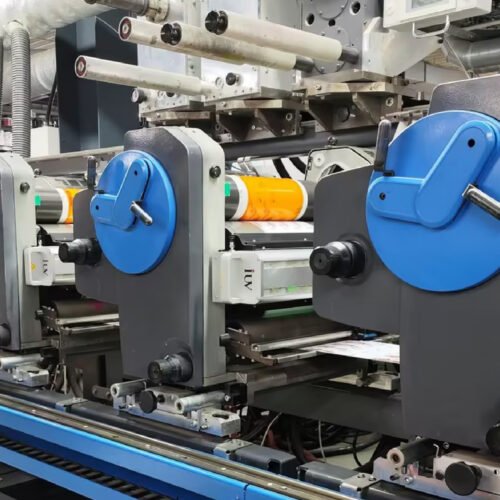
The narrow web printing sector, which specializes in producing small to medium-sized labels and flexible packaging, is particularly well-suited for LED UV curing. These presses often operate at high speeds and handle a variety of materials. The compact size of LED curing units also makes them ideal for fitting into the confined spaces of narrow web presses. This allows for seamless integration and efficient use of available real estate on the press.
Moreover, the consistent output of LED curing systems ensures uniform curing across the entire label. This uniformity is vital for achieving repeatable high-quality results, job after job. It eliminates the variability often associated with older curing technologies, providing printers with greater control and confidence in their output.
The flexibility of LED curing also extends to its ability to cure a wider range of specialty inks and coatings. From metallic effects to matte finishes and high-build varnishes, LED technology can effectively cure diverse formulations, enabling printers to offer a broader spectrum of premium label options to their clients. This creative potential, combined with the operational efficiencies, positions flexo printing with LED curing as a leading solution for modern label production.
In conclusion, the adoption of LED UV curing systems is not merely an incremental improvement for flexographic printing; it represents a significant leap forward in efficiency, sustainability, and quality. For businesses involved in label printing, especially within the narrow web segment, embracing this technology unlocks new levels of productivity and profitability. It’s an investment that illuminates the path to a more competitive and successful future.