Boosting Your Label and Packaging Output with UV Curing
The printing industry is constantly seeking ways to improve efficiency. This is especially true in label and packaging printing. Faster production speeds and higher quality are always in demand. One technology that significantly contributes to this is UV curing. Understanding its role is key to optimizing your printing operations.
UV curing uses ultraviolet light to instantly dry inks and coatings. This process is much faster than traditional drying methods. It has revolutionized how labels and packaging are produced. From narrow web flexography to offset printing, UV curing offers substantial benefits across various printing technologies.
The Science Behind UV Curing
UV curable inks contain photoinitiators. These are special compounds that react when exposed to UV light. When UV light hits the ink, it triggers a chemical reaction. This reaction causes the ink to polymerize. Polymerization is essentially the ink hardening or curing almost instantly.
This rapid curing means printed materials can be handled immediately. There’s no waiting for inks to air dry. This drastically reduces production bottlenecks. It also allows for faster turnaround times on print jobs. The efficiency gains are immediately noticeable.
UV Curing in Flexographic Printing
Flexographic printing, often called flexo, is a common method for label and packaging production. Narrow web flexo presses are specifically designed for this market. UV curing is a perfect fit for flexo. The high speeds of flexo presses require fast drying inks. Traditional inks would not be able to keep up.
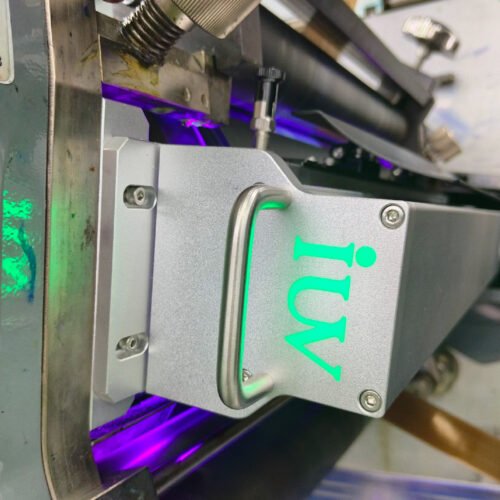
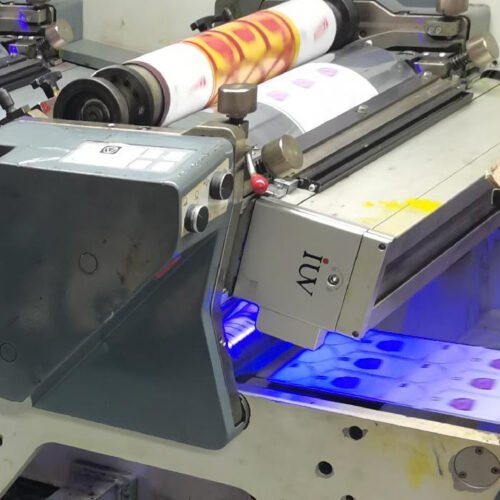
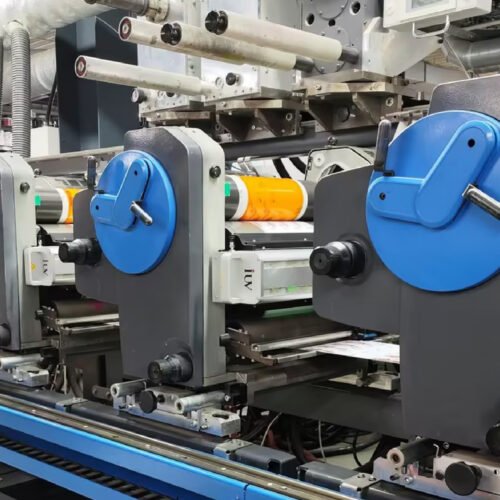
UV inks cure rapidly under UV lamps positioned after each print station. This allows for vibrant colors and sharp details. It also enables the use of multiple colors without ink smudging or transferring. Flexo printers can achieve excellent print quality and high output. This makes UV curing indispensable for modern flexo operations.
UV Curing in Offset Printing
Offset lithography is another dominant printing process. It’s widely used for high-volume label and packaging runs. Offset printing also benefits immensely from UV curing. UV offset inks cure instantly upon exposure to UV light. This eliminates the need for drying cabinets. It allows sheets to be immediately processed for finishing.
The immediate curing improves print durability. It also enhances resistance to abrasion and chemicals. This is vital for packaging that needs to withstand handling and transport. UV offset printing can achieve superb print definition and color consistency. It handles fine details and solid areas with ease.
Narrow Web Printing and UV Curing Synergy
Narrow web printing refers to presses that print on narrow rolls of material. These are typically used for labels and flexible packaging. The very nature of narrow web is speed and efficiency. UV curing is a natural partner for these presses.
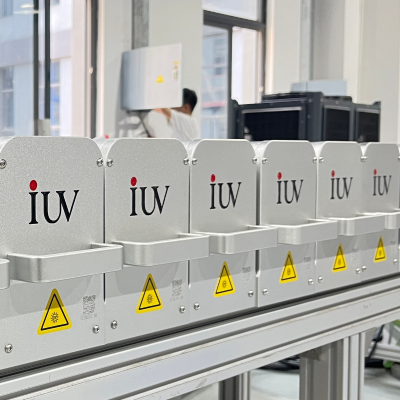
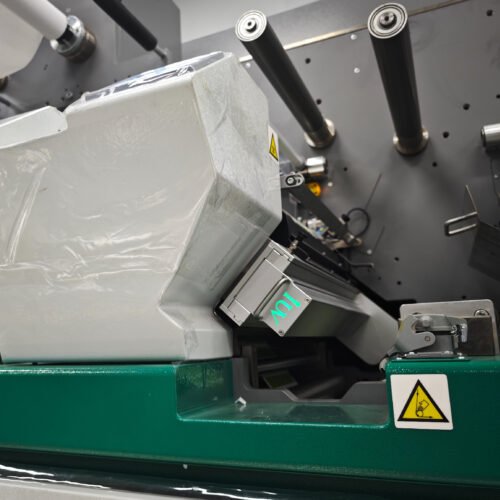
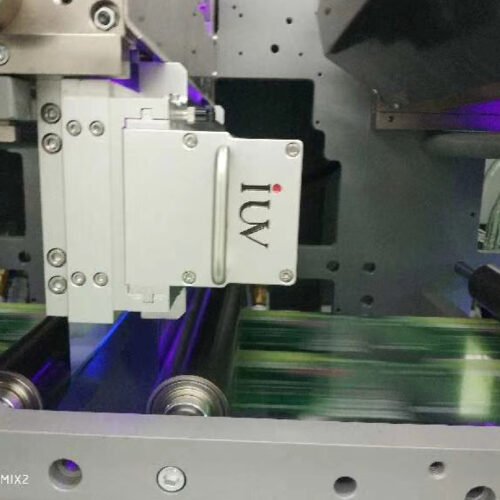
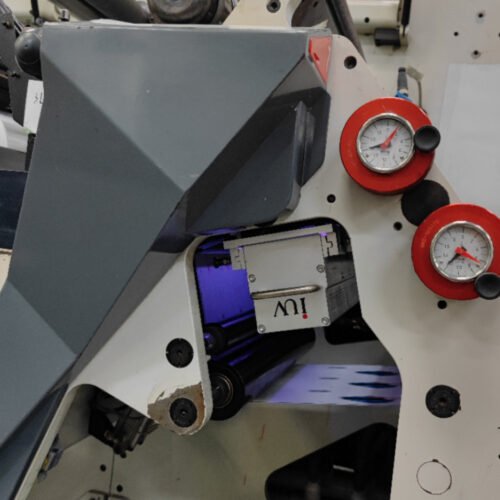
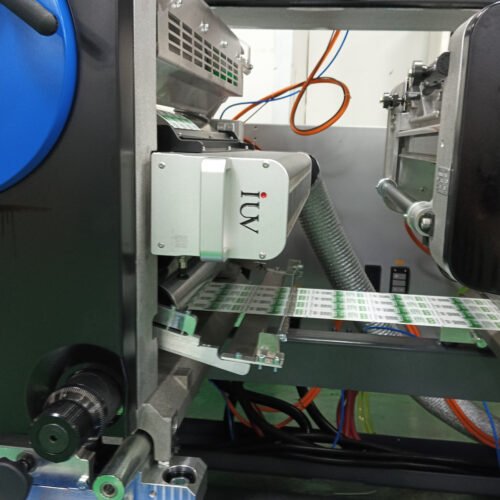
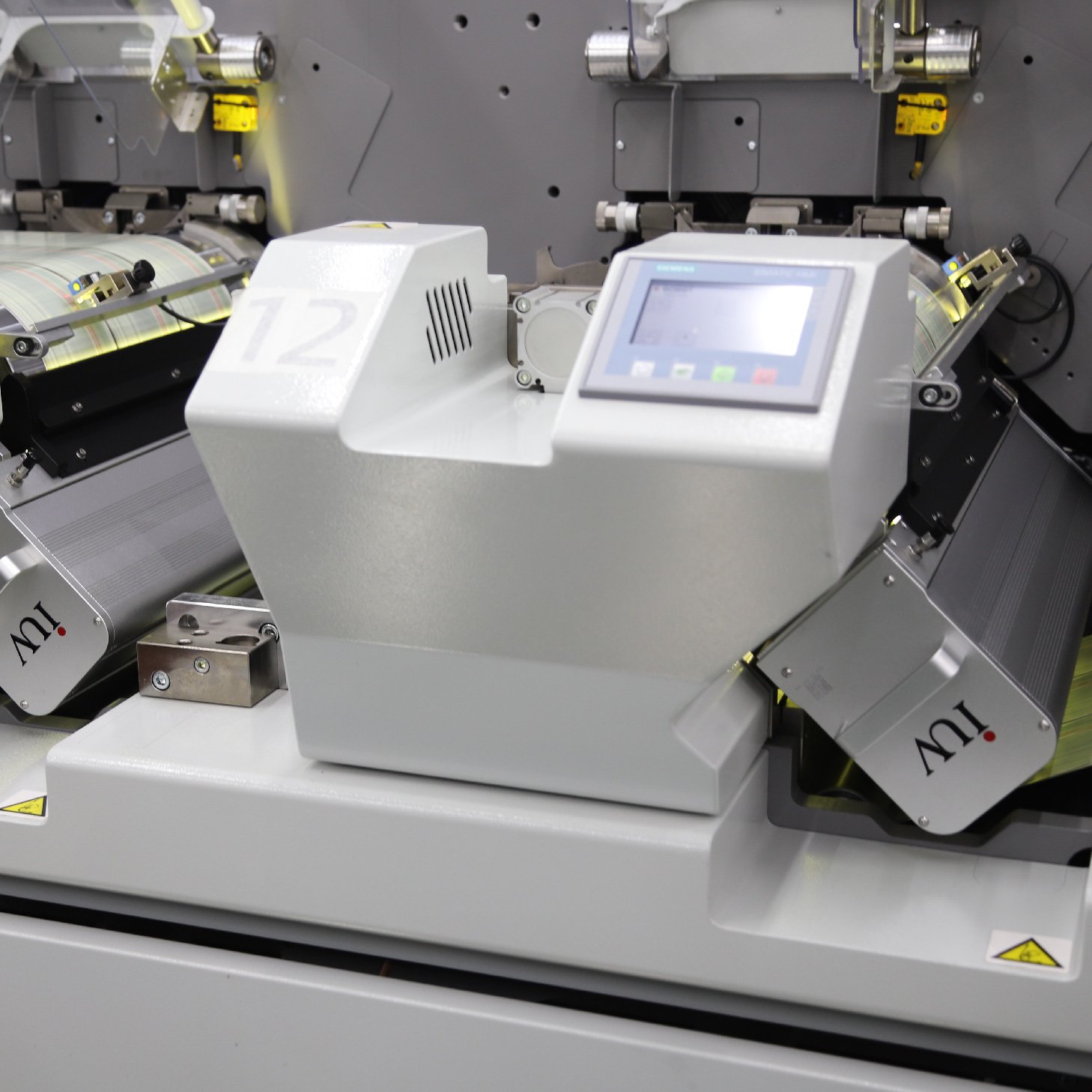
UV lamps integrate seamlessly into the press design. They allow for inline curing after each color station. This means printers can apply multiple coats or special effects. They can do so without compromising speed. Think metallic foils, varnishes, or tactile effects. UV curing makes these inline enhancements possible and practical. The energy efficiency of LED UV lamps is also a significant advantage here.
The Advantages of LED UV Curing
While traditional mercury vapor UV lamps are effective, LED UV technology is gaining significant traction. LED UV lamps offer several compelling advantages. They consume less energy than mercury lamps. This leads to lower operating costs and a reduced carbon footprint.
LED UV lamps also have a much longer lifespan. They don’t require frequent bulb replacements. This minimizes downtime and maintenance expenses. Another key benefit is their instant on/off capability. This saves energy and reduces heat buildup on the substrate. LED UV also provides a more consistent UV output over time. This contributes to more reliable curing and predictable print results.
Beyond Speed: Enhanced Print Quality and Durability
UV curing isn’t just about drying speed. It significantly enhances the quality and durability of the printed product. UV inks and coatings sit on the surface of the substrate. They don’t absorb into it like conventional inks. This results in brighter, more vivid colors. It also allows for a wider color gamut.
The cured ink film is tough and resistant. It protects the printed image from scratches, scuffing, and moisture. This is particularly important for labels and packaging that endure challenging environments. Products need to look good from the shelf to the consumer. UV curing helps ensure they do.
Environmental and Safety Considerations
UV curing technology has positive environmental aspects. UV inks typically contain very low levels of volatile organic compounds (VOCs). This is a significant improvement over some traditional solvent-based inks. Lower VOC emissions contribute to a healthier working environment. It also reduces air pollution.
The instant curing process means less waste. There are fewer spoilage issues due to slow drying. Furthermore, the energy efficiency of LED UV systems is a notable environmental plus. It reduces the overall energy consumption of the printing process.
Achieving Greater Efficiency in Your Printing Workflow
Incorporating UV curing into your label and packaging printing process offers a clear path to enhanced efficiency. It allows for faster production cycles. It reduces the risk of smudging and spoilage. It enables immediate post-press handling and finishing.
Whether you’re using flexographic or offset printing, especially in narrow web applications, UV curing technology can transform your capabilities. The ongoing advancements in LED UV systems make this even more attractive. By understanding and leveraging the power of UV curing, you can achieve higher throughput, superior print quality, and a more competitive edge in the market. It’s a smart investment for any modern print business focused on labels and packaging.