Enhancing Print Precision: How UV Curing Elevates Quality in High-Volume Operations
In the fast-paced realm of large-scale printing, maintaining consistent quality is paramount. From intricate label designs to expansive commercial runs, every job demands sharp details, vibrant colors, and durable finishes. Traditional drying methods often struggle to keep pace, leading to inconsistencies and potential defects. This is where the power of UV curing systems truly shines. By harnessing the rapid polymerization triggered by ultraviolet light, printers are achieving unprecedented levels of quality control across various printing technologies.
The Science Behind the Shine: LED UV Curing Explained
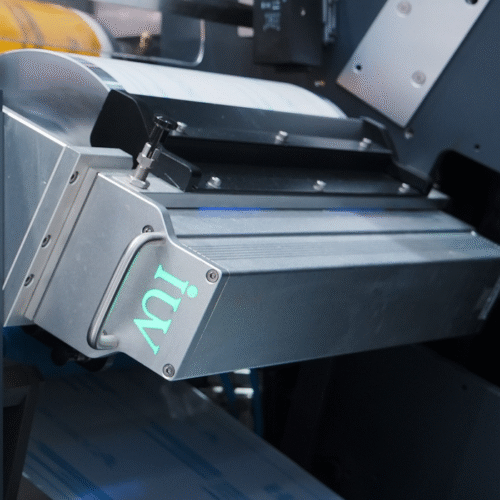
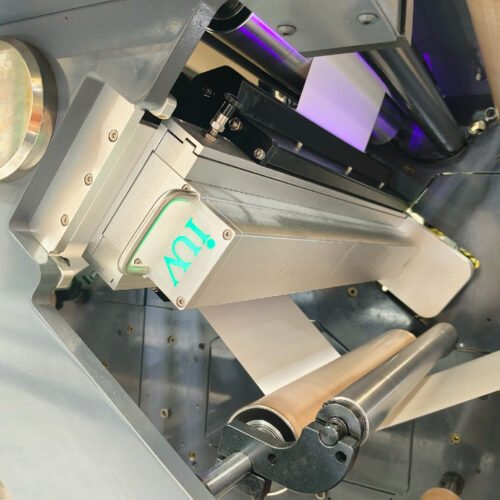
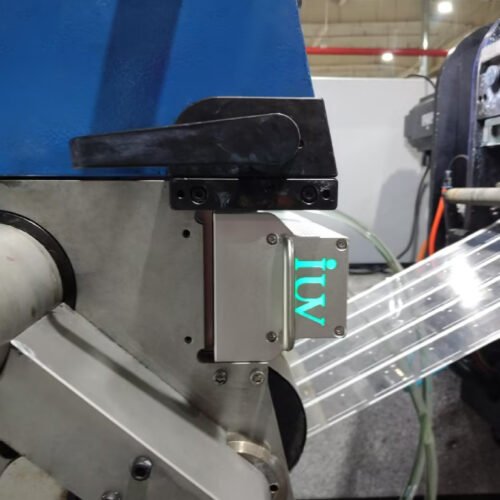
At its core, UV curing involves a photochemical process. Special inks and coatings contain photoinitiators. When exposed to specific wavelengths of UV light, these photoinitiators absorb the energy and initiate a chain reaction. This reaction causes the ink or coating to instantly transform from a liquid to a solid, cross-linked polymer. The advent of LED UV curing technology has further revolutionized this process. Unlike traditional mercury vapor lamps, LEDs offer a more focused, energy-efficient, and controllable light source. They emit specific wavelengths, leading to more precise curing and reduced heat generation. This precision is a game-changer for quality control.
Transforming Narrow Web and Label Printing
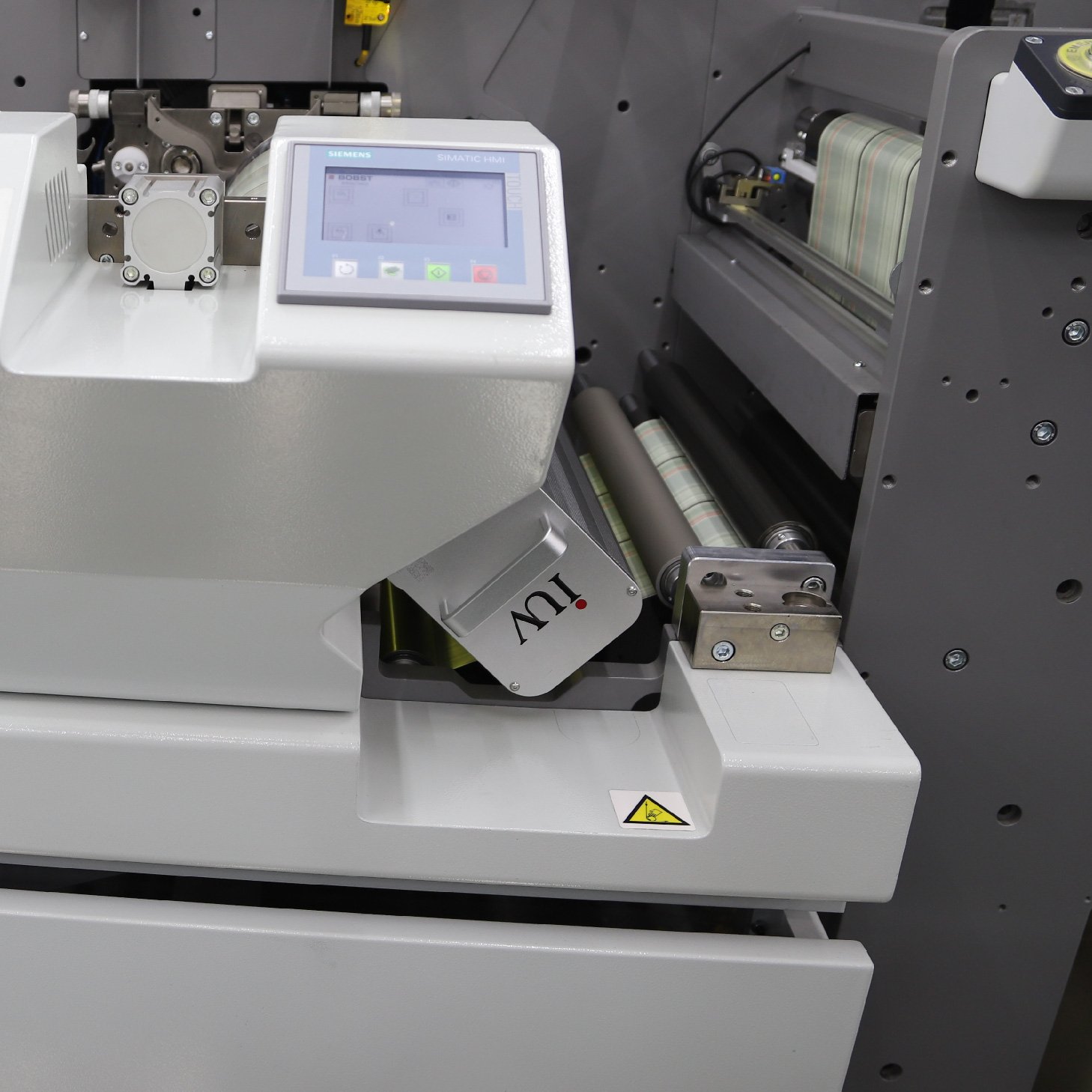
The narrow web and label printing sector is a prime beneficiary of UV curing advancements. These applications often require high print speeds and the ability to handle a diverse range of substrates, from delicate films to robust papers. With UV curing, inks dry instantaneously upon exposure to the UV lamps. This means no ink smudging or offsetting, even at incredible speeds. Operators can achieve sharper dot definition and crisper text, crucial for product identification and branding. Furthermore, UV-curable inks offer superior adhesion and resistance to abrasion, chemicals, and environmental factors. This enhanced durability directly translates to a higher quality end product that withstands rigorous handling and display conditions. For label printers, this means fewer rejected rolls due to poor print quality or inadequate performance.
Flexographic Printing’s Quality Boost
Flexographic printing, known for its versatility and ability to print on irregular surfaces, also sees significant quality enhancements with UV curing. In flexo, ink transfer is critical. UV-curable inks allow for tight control over ink laydown. The immediate cure prevents ink spread, ensuring that fine lines and small text remain distinct. This is particularly important for packaging where legibility and visual appeal are key. The ability to apply multiple UV-cured ink layers without intermediate drying steps also enables printers to achieve richer color saturation and complex visual effects, enhancing the overall aesthetic quality of the printed material. Reduced drying times mean faster job turnarounds, allowing printers to meet demanding deadlines without compromising on the fidelity of the print.
Offset Lithography: Precision and Speed Combined
Offset lithography, a workhorse for commercial printing, benefits immensely from UV curing technology. Traditional offset inks rely on oxidation and absorption for drying, a slower process that can sometimes lead to ink set-off issues or require longer waiting times before further processing. UV-curable inks, when used in offset presses, cure instantly, eliminating these drawbacks. This allows for immediate stacking of printed sheets and faster finishing operations. The consistent and rapid cure ensures that the ink film thickness remains uniform, contributing to precise color reproduction and sharp image detail. For high-volume print runs, this consistency is critical for maintaining quality from the first sheet to the last. It reduces the likelihood of color drift or subtle shifts in print quality that can occur with slower drying methods.
A Closer Look at Quality Control Benefits
The integration of UV curing systems directly impacts several facets of quality control in large-scale printing operations:
- Enhanced Image Sharpness and Definition: The rapid, non-migrating nature of UV curing ensures that ink stays exactly where it’s placed. This results in crisper dots, sharper lines, and more defined text, even in fine print.
- Vibrant and Consistent Color Reproduction: Because UV inks cure in place and don’t rely on absorption into the substrate, they retain their vibrancy. The consistent cure across the entire print run means colors remain true from start to finish, reducing batch-to-batch color variation.
- Superior Durability and Resistance: UV-cured inks and coatings create a robust, cross-linked polymer film. This finish offers excellent resistance to scratching, scuffing, water, and chemicals, extending the life and maintaining the appearance of the printed product. This is invaluable for packaging, labels, and commercial prints that undergo significant handling.
- Reduced Ink Defects: Issues like smudging, ghosting, and set-off are dramatically reduced, if not eliminated, with UV curing. This means fewer wasted sheets and a cleaner printing process.
- Substrate Versatility: UV curing enables printing on a wider array of substrates, including non-porous materials like plastics and foils, where traditional inks might struggle to adhere or dry properly. This expands creative possibilities and ensures quality across diverse applications.
- Environmental Advantages: Many UV-curable inks are formulated with low or zero VOCs (Volatile Organic Compounds), contributing to a healthier working environment and a reduced environmental footprint.
The Future is Cured
As printing demands for higher quality, faster turnarounds, and greater durability continue to grow, UV curing technology, particularly with the efficiency and precision of LEDs, stands as a cornerstone for modern large-scale printing. It’s not just about drying ink; it’s about fundamentally elevating the quality control capabilities of the entire printing process, ensuring that every printed piece meets the highest standards of visual appeal and performance. The precision offered by these systems allows printers to push the boundaries of what’s possible, delivering exceptional results consistently.