Printing is a vibrant industry. It brings life to products and information. However, traditional printing methods often carry an environmental cost. Many use volatile organic compounds (VOCs). These solvents can be harmful to air quality. They also contribute to pollution. The printing industry is actively seeking greener solutions. One powerful answer lies in UV curing systems. This technology is transforming how we print. It offers significant environmental benefits across various printing types.
Understanding UV Curing Technology
UV curing uses ultraviolet light. This light triggers a chemical reaction. This reaction instantly hardens inks and coatings. It’s a photochemical process. It requires special UV-curable inks and coatings. When exposed to UV light, monomers and oligomers link together. This creates a solid, durable film. The process is incredibly fast. It happens in fractions of a second. This speed is a key advantage. It boosts production efficiency. It also dramatically cuts down on energy use compared to heat curing.
Environmental Advantages: The Core Benefits
The primary environmental win with UV curing is its near-zero VOC content. Traditional solvent-based inks release VOCs into the atmosphere. This is a major concern for air pollution. UV-curable inks, on the other hand, are 100% solid. They contain no solvents that evaporate. This means cleaner air. It leads to safer working environments for printers. It also benefits the wider community. Reduced VOCs contribute to better overall environmental health.
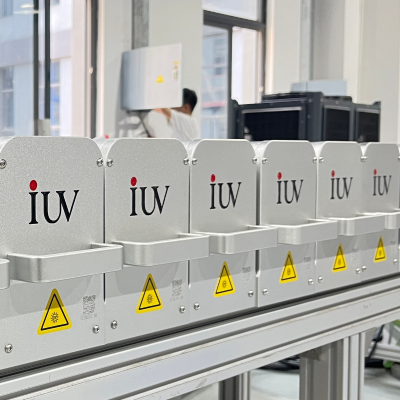
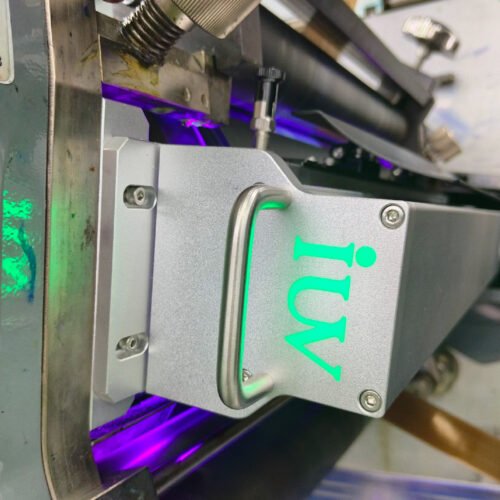
Beyond VOCs, UV curing is remarkably energy-efficient. Heat-set printing, for example, requires high temperatures. This consumes a lot of energy. UV lamps, especially modern LED UV systems, are much more efficient. They use less electricity to achieve the same curing result. LED UV systems are particularly noteworthy. They emit light more directionally. They generate less waste heat. This translates to lower energy bills and a smaller carbon footprint.
Impact on Different Printing Sectors
UV curing technology is not limited to one type of printing. It’s versatile. It’s making a difference across the board.
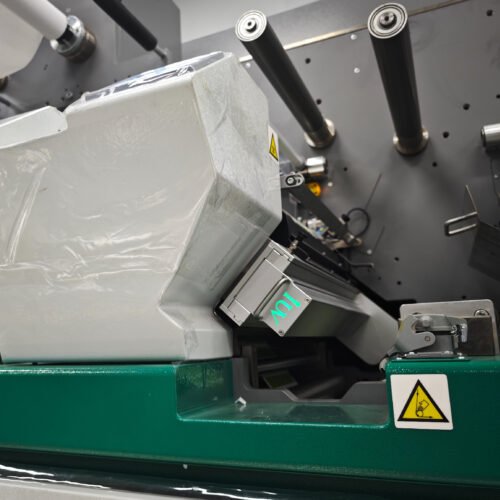
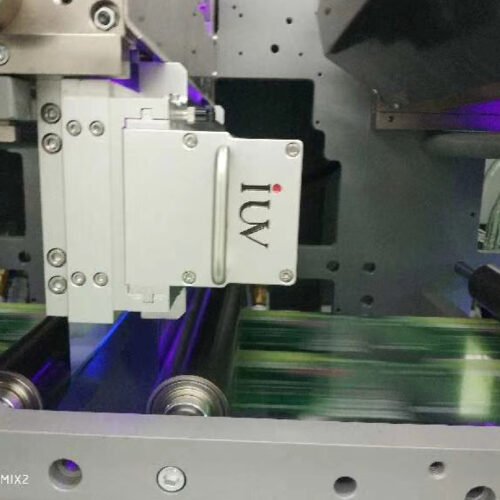
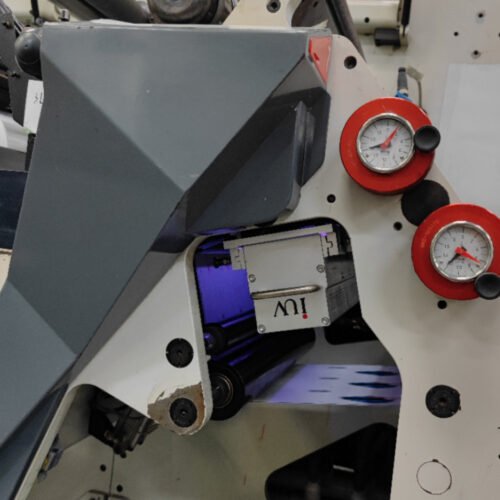
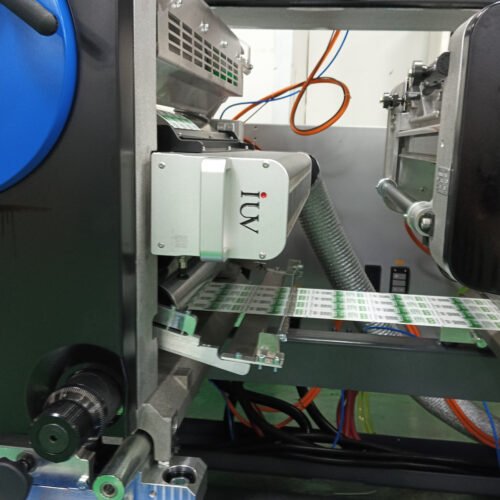
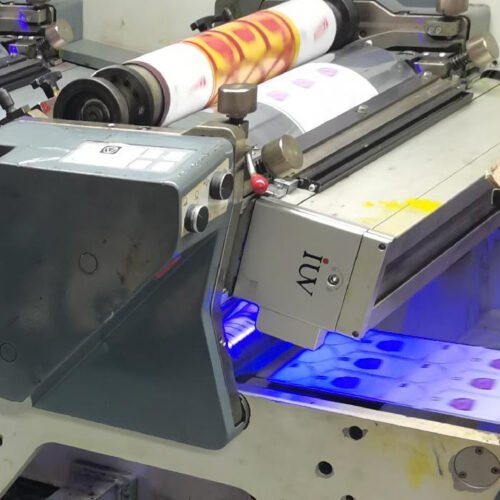
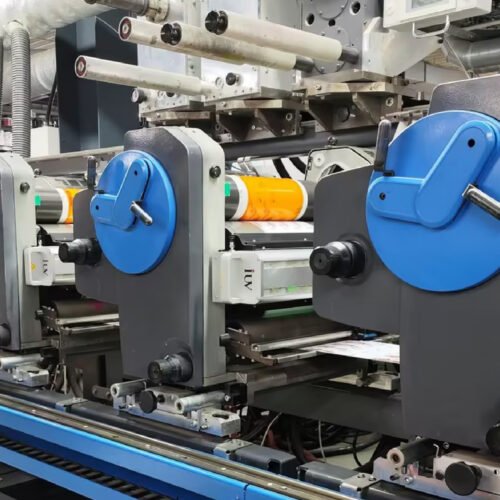
Narrow Web and Label Printing: This is a significant area for UV curing. Labels are everywhere. Think of food packaging, beverages, and cosmetic products. Narrow web presses are designed for high-volume, high-quality label production. UV inks are ideal here. They provide excellent adhesion. They offer scratch and chemical resistance. This is crucial for durable labels. The fast curing speeds allow for rapid production runs. This reduces waste due to slower processes. The absence of VOCs is also vital. Many labels are for food packaging. This means strict safety and environmental standards apply. UV curing meets these requirements effectively. It ensures product safety and reduces environmental impact.
Flexographic Printing: Flexography is widely used for packaging. This includes flexible films, corrugated board, and labels. Traditional flexo inks often contain solvents. UV-curable flexo inks offer a compelling alternative. They cure instantly. This allows for faster press speeds. It can also lead to cleaner print jobs. Ink transfer is precise. This can reduce ink waste. The environmental benefits of eliminating VOCs are substantial. This is especially important for food-contact materials. UV flexo printing enhances sustainability in the packaging supply chain.
Offset Printing (Sheetfed and Web): Offset printing is a workhorse for commercial printing. This includes magazines, brochures, and books. UV coatings and inks are increasingly used. They provide high gloss finishes. They offer enhanced durability. They also allow for immediate handling of printed sheets. This eliminates the need for anti-offset powders. These powders can be a nuisance and an environmental concern. UV offset printing reduces waste. It improves workplace safety by removing VOCs. It also allows printers to offer premium finishes with a lower environmental impact.
Digital Printing and UV: While not the focus of traditional methods, it’s worth mentioning UV’s role in digital printing. UV inkjet printers are common. They can print directly onto a wide range of substrates. This includes plastics, metal, and glass. This capability reduces the need for pre-treatment or specialized substrates. The UV curing process is integrated into the print head. It cures the ink immediately as it is jetted. This makes digital printing more versatile and environmentally friendly.
Reducing Material Waste and Improving Durability
Beyond emissions, UV curing contributes to sustainability by enhancing product durability. Prints cured with UV light are often more robust. They resist scratching, fading, and chemical damage. This means printed products last longer. They are less likely to be discarded prematurely. This reduces the overall consumption of resources. It also minimizes waste sent to landfills. For example, outdoor signage or product labels that need to withstand harsh conditions benefit greatly from UV curing. Their extended lifespan is a direct environmental advantage.
The precision of UV curing also plays a role. The instant hardening prevents ink spread or feathering. This results in sharper, cleaner prints. This means fewer rejected jobs due to poor print quality. Reduced spoilage directly translates to less waste of paper, ink, and energy.
The Shift Towards LED UV
The evolution of UV curing technology has been rapid. Traditional mercury vapor lamps were common. However, these lamps consumed significant power. They also generated a lot of heat. They contained hazardous materials. The advent of LED UV systems marks a significant leap forward.
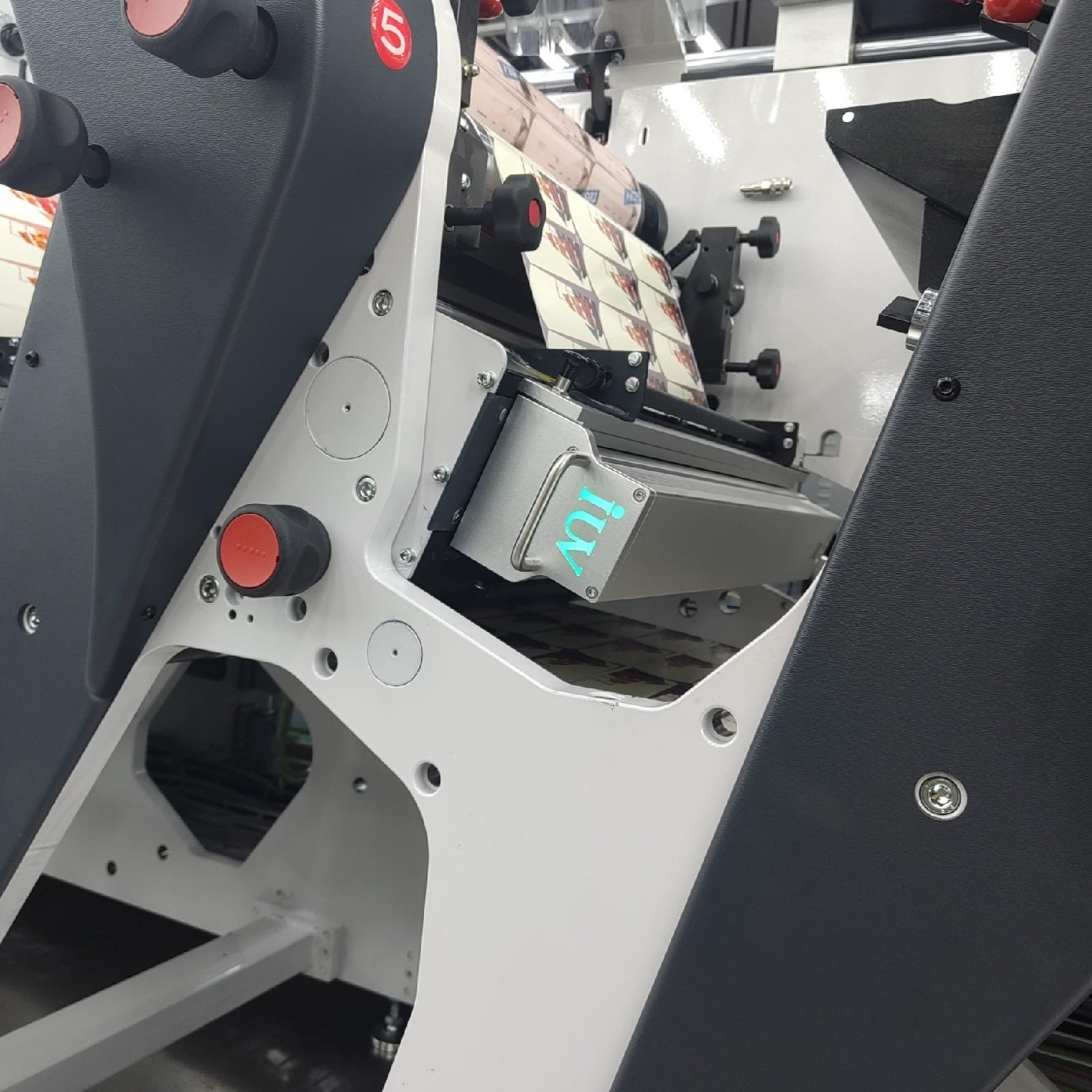
LED UV lamps are highly targeted. They emit specific wavelengths of UV light. This matches the requirements of UV inks and coatings precisely. This leads to more efficient curing. They use a fraction of the energy of mercury lamps. Their lifespan is also much longer. They are more robust and contain no hazardous mercury. This makes them safer to handle and dispose of. The reduced heat output from LED UV systems can also benefit sensitive substrates. It further minimizes the risk of warping or damage.
Conclusion: A Greener Path Forward
UV curing systems are not just an incremental improvement. They represent a fundamental shift in printing technology. By eliminating VOCs, reducing energy consumption, and enhancing product durability, they offer a clear path to a more sustainable printing industry. The increasing adoption of UV curing, especially with the efficiency of LED UV technology, demonstrates a commitment to environmental responsibility. As brands and consumers increasingly demand eco-friendly products, UV curing stands out as a powerful solution. It allows printers to deliver high-quality results while minimizing their ecological footprint. This technology is essential for the future of responsible printing.