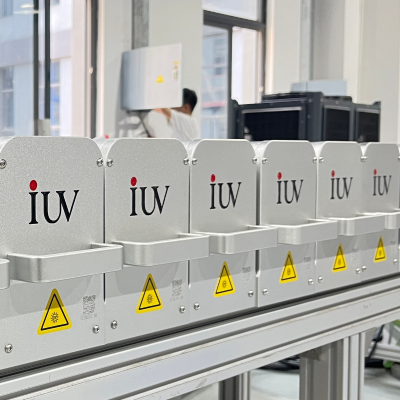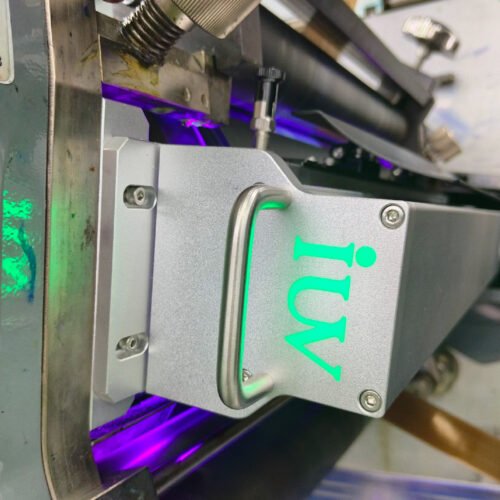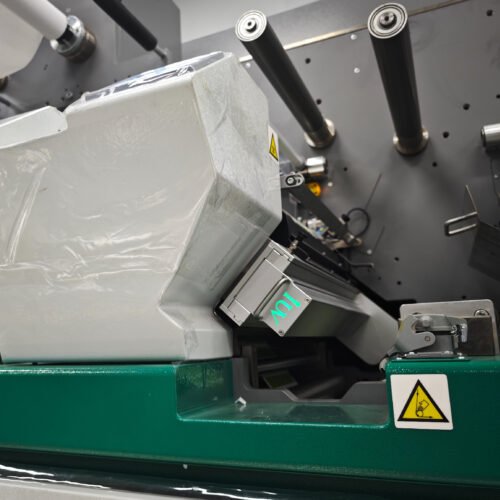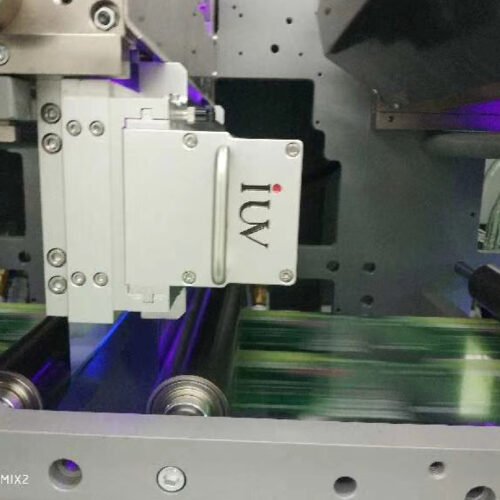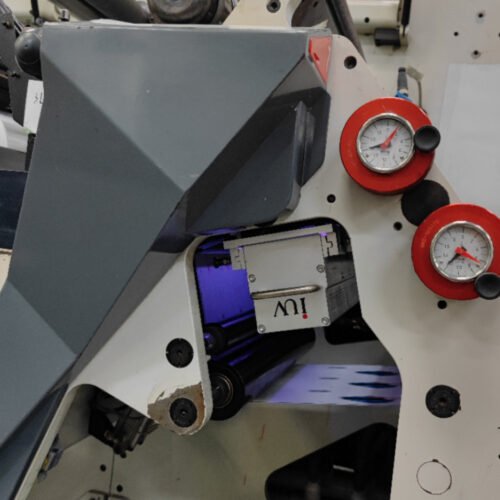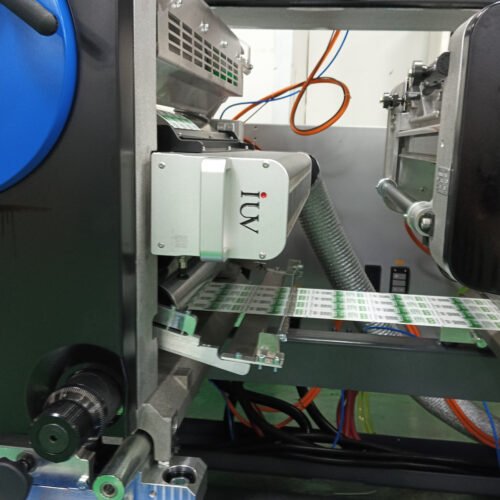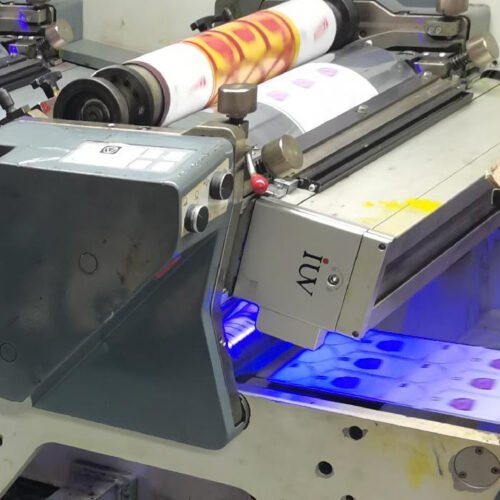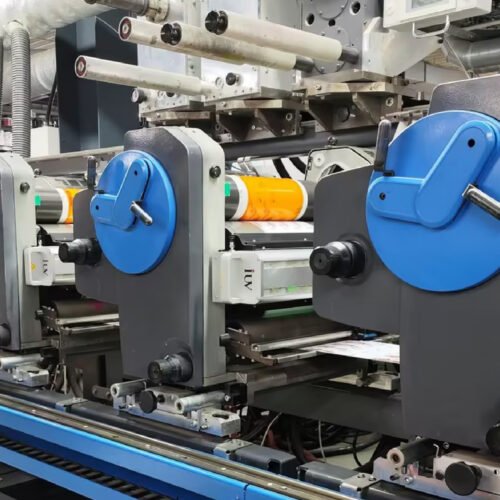
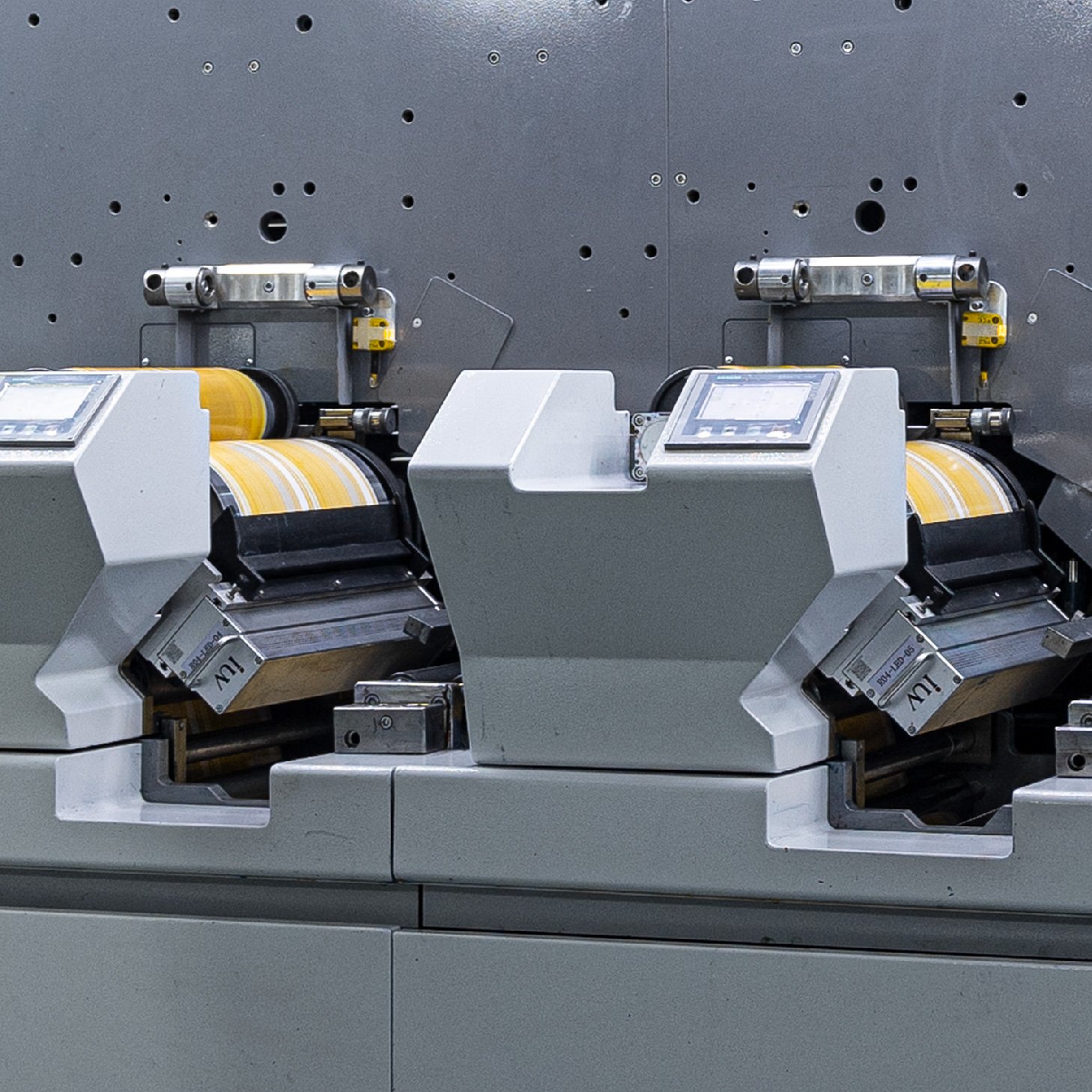
Narrow web printing demands precision. Achieving superior print quality and boosting production speeds are constant goals. One technology making a significant impact is UV curing. Specifically, LED UV curing systems are revolutionizing the narrow web sector.
This advanced technology offers a compelling advantage. It allows printers to achieve vibrant colors and sharp details consistently. The speed at which inks and coatings cure is remarkable. This directly translates to higher output on the press.
Traditional methods often involve heat or electron beam curing. These can be energy-intensive and require substantial space. LED UV curing presents a more efficient and compact alternative. Its focused spectrum of light provides rapid polymerization of UV-curable inks and coatings.
For label printers, this means enhanced performance. They can run presses at faster speeds without compromising ink adhesion or finish. The reduced heat output from LED lamps is another benefit. It allows for printing on a wider range of sensitive substrates. Think thin films and delicate papers that might warp or degrade with excessive heat.
Flexographic printing, a dominant force in narrow web, benefits immensely. Flexo presses often run at very high speeds. UV curing keeps pace with these demands. The instant cure prevents ink smudging during subsequent print stations or finishing processes. This is critical for multi-color jobs where perfect registration is key.
Offset lithographic printing also finds a place in narrow web applications. Here too, UV curing plays a vital role. It enables immediate handling of printed materials. This speeds up the post-press workflow. Imagine finished labels ready for inspection or shipping almost immediately after printing.
The enhanced durability of UV-cured inks is a major draw. Labels printed with UV inks resist scratching, abrasion, and chemical exposure. This is essential for products that will endure harsh environments or require rigorous cleaning. The longevity of the print ensures brand integrity throughout the product lifecycle.
Moreover, UV curing systems contribute to a cleaner printing environment. Unlike solvent-based inks, UV inks contain very few volatile organic compounds (VOCs). This reduces emissions and creates a healthier workspace for employees. Compliance with environmental regulations becomes more straightforward.
The precision of LED UV curing is noteworthy. These systems emit light in a very specific wavelength range. This optimizes the curing process for different ink formulations. The result is a more complete and uniform cure. This leads to superior gloss, matte finishes, and vibrant color reproduction.
Productivity gains are undeniable. The ability to print, cure, and move to the next stage without delays is a game-changer. This throughput increase directly impacts a printer’s bottom line. It allows them to take on more jobs and meet tighter deadlines.
Consider the intricate details often found on high-value labels. Sharp text and fine graphics are easily reproduced with UV curing. The ink cures in place, preventing any unwanted spread or dot gain. This meticulous detail helps brands stand out on crowded shelves.
The economic advantages extend beyond just speed. While the initial investment in UV curing equipment might seem higher, the long-term savings are significant. Reduced waste, lower energy consumption, and faster job turnaround contribute to profitability. The extended lifespan of LED lamps also minimizes replacement costs.
The versatility of UV curing is a key selling point. It’s not just about inks; UV coatings can add special effects. Think high-gloss finishes, tactile textures, or matte varnishes. These can be applied and cured instantly, adding value to the final printed product.
For converters producing labels for the food and beverage industry, safety is paramount. UV-curable inks and coatings are often formulated to be food-safe, provided they meet specific regulatory requirements. This ensures that printed materials coming into contact with food are safe for consumers.
The operational efficiency of modern presses equipped with UV curing is impressive. Automated control systems allow for precise management of lamp intensity and exposure time. This fine-tuning ensures optimal results for every print job. It also simplifies the operator’s task, reducing the potential for errors.
The growth of digital printing in the narrow web space also embraces UV curing. UV inkjet printers are increasingly popular for short runs and variable data printing. The instant curing is fundamental to the success of these high-speed digital technologies.
When evaluating UV curing systems for narrow web presses, several factors come into play. The specific application, the substrates being used, and the desired print effects are important considerations. Energy efficiency and lamp longevity are also crucial for long-term operational costs.
The environmental benefits cannot be overstated. Reduced energy use and the absence of harmful VOCs make UV curing a more sustainable choice. This aligns with the growing demand for eco-friendly printing solutions from consumers and brand owners alike.
The technology continues to evolve. Manufacturers are constantly innovating, offering more energy-efficient and powerful UV curing solutions. The focus on specific wavelength outputs for different ink chemistries ensures optimal performance and faster cure speeds.
In summary, the integration of UV curing systems, especially LED UV, is transforming narrow web printing. It empowers printers to achieve higher quality, boost productivity, and enhance the durability of their printed products. The environmental and economic advantages further solidify its position as a leading technology in the industry.