Boosting Your Print Output with Smart UV Curing
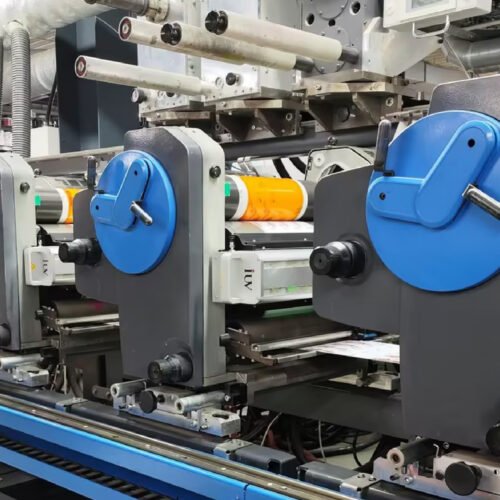
In today’s fast-paced print market, efficiency is king. Printers are constantly looking for ways to speed up production. They want to deliver high-quality jobs faster. This is where advanced UV curing systems truly shine. They offer a powerful solution for various printing applications. From narrow web labels to wider sheetfed runs, UV technology can transform your workflow.
Why UV Curing is a Game Changer
Traditional drying methods often involve heat or air. These can be slow and energy-intensive. UV curing, on the other hand, uses ultraviolet light. This light instantly solidifies inks, coatings, and adhesives. The process is incredibly fast. This means you can move printed sheets or webs straight to the next stage. There’s no waiting for drying. This dramatically reduces turnaround times.
UV curing also offers significant quality improvements. The instant solidification locks in vibrant colors. It prevents ink spread or mottling. This results in sharper images and crisper text. Coatings applied with UV cure hard and durable. They offer excellent scratch and chemical resistance. This is vital for many product labels and packaging.
LED UV vs. Traditional Mercury UV
When discussing UV curing, it’s important to distinguish between types. Traditional systems use mercury vapor lamps. These lamps are powerful. However, they also generate a lot of heat. This heat can affect heat-sensitive substrates. They consume more energy. They also have a shorter lifespan. Replacing these lamps can be costly and disruptive.
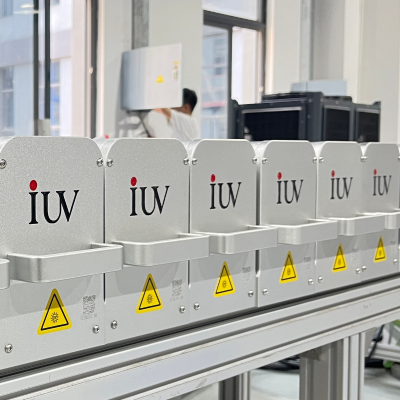
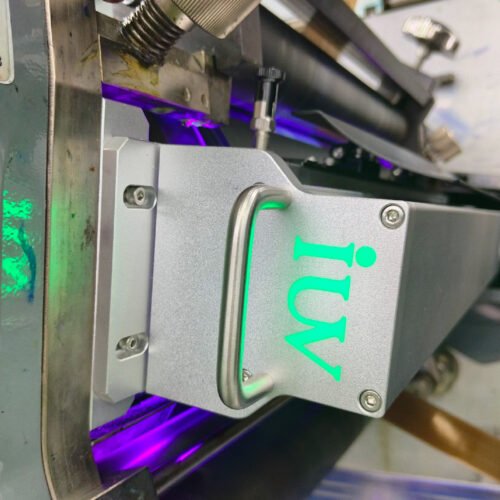
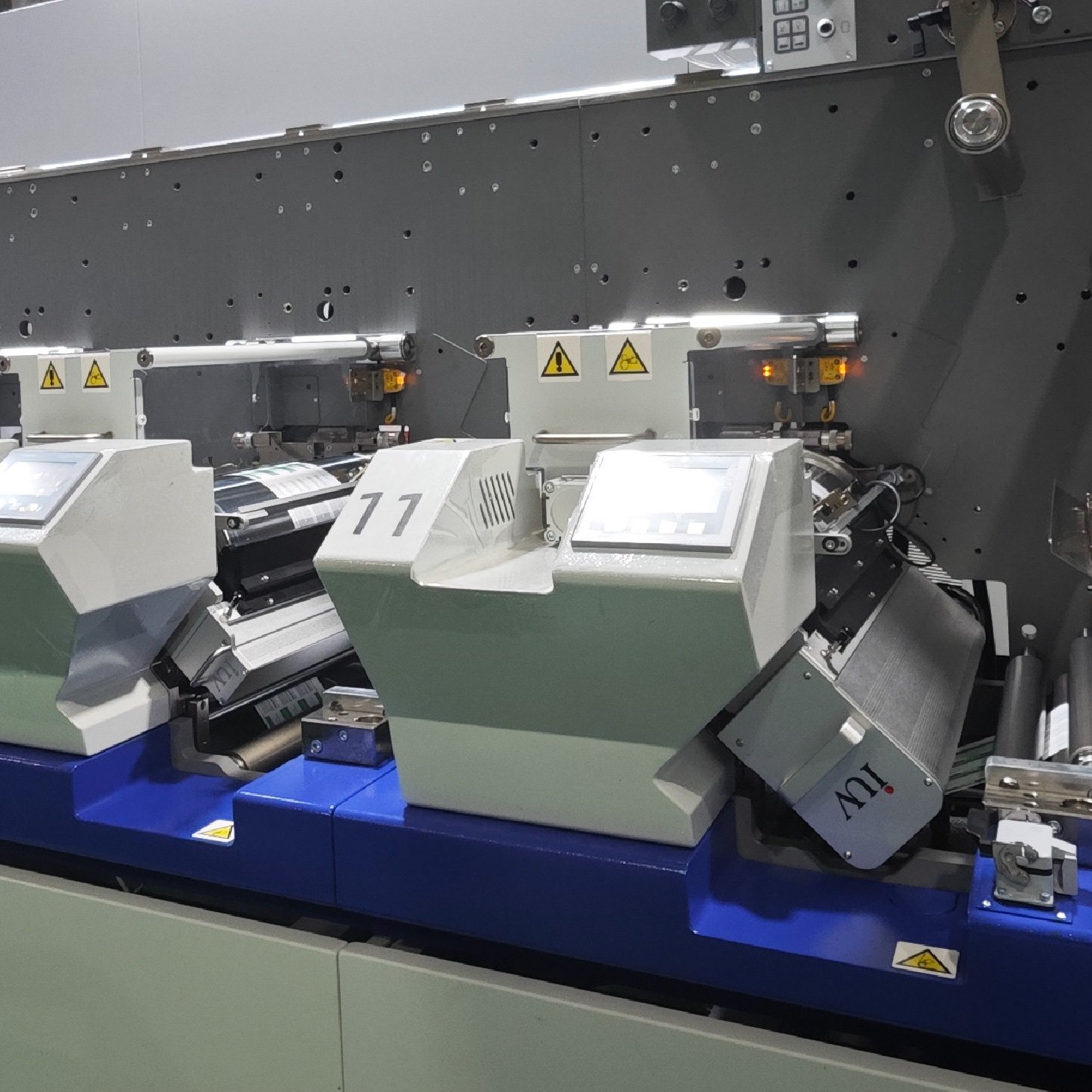
Modern printing facilities are increasingly adopting LED UV systems. LED UV lamps offer distinct advantages. They consume significantly less power. They produce very little heat. This makes them ideal for delicate or thin materials. They have a much longer operational life. This reduces maintenance and replacement costs. LED UV systems are also more environmentally friendly. They don’t contain mercury.
UV Curing in Narrow Web Label Printing
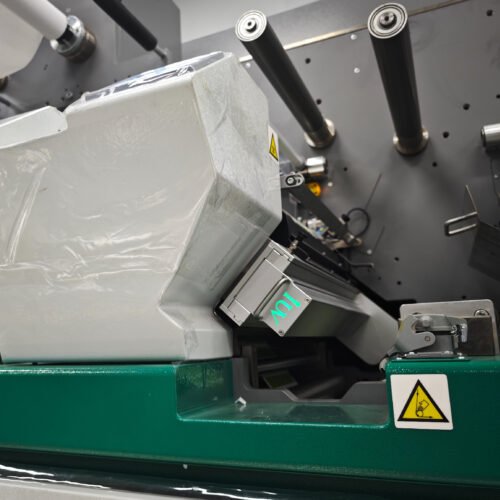
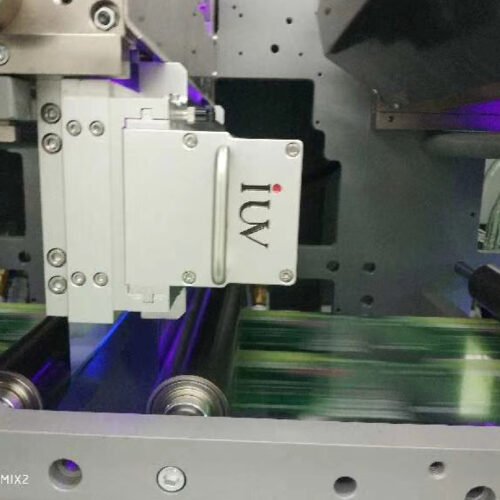
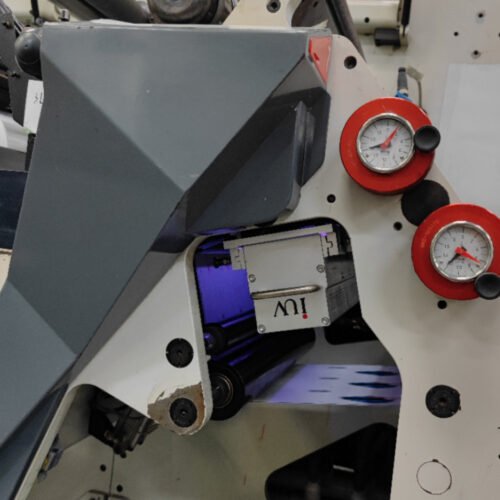
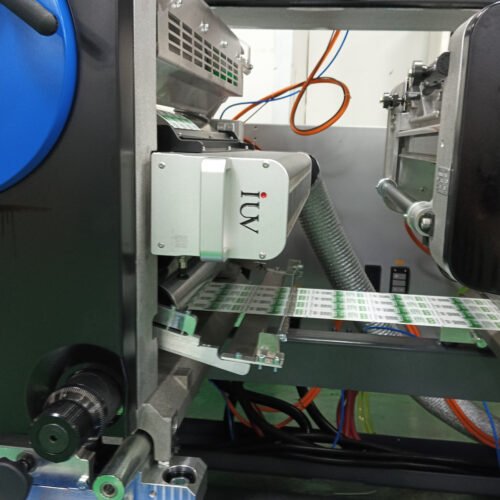
For narrow web label printers, UV curing is almost a standard. The high speeds of flexographic and digital label presses demand instant drying. UV inks and coatings cure in milliseconds. This allows for immediate rewinding or finishing. Think about the complex labels used in food and beverage. They require vibrant colors and durable finishes. UV inks provide this.
UV technology enables printers to handle a wide range of substrates. This includes films, foils, and even some papers. The low heat output from LED UV is a huge benefit here. It prevents distortion of thin plastic films. This expands the types of labels you can produce. Productivity soars as jobs move through the press without interruption.
UV Curing in Flexographic Printing
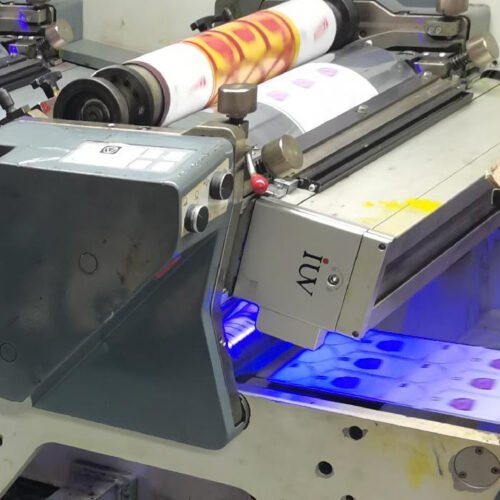
Flexography is a versatile printing process. It’s used for everything from packaging to newspapers. Incorporating UV curing into flexo workflows offers substantial benefits. UV-curable inks are available in a wide spectrum for flexo. They provide excellent adhesion to diverse substrates. This includes coated and uncoated papers, films, and foils.
The speed of flexo presses benefits immensely from UV. You can print at maximum press speeds. Jobs are ready for the next step instantly. This reduces bottlenecks in the finishing department. UV coatings add a layer of protection. They enhance the visual appeal of printed products. Think of high-gloss finishes on food wrappers. UV coatings deliver this with ease.
UV Curing in Offset (Sheetfed) Printing
Offset printing, particularly sheetfed, also benefits from UV. While offset traditionally uses heatset or conventional inks, UV offers faster drying. This means printed sheets can be handled, cut, or folded immediately. This is a major advantage for commercial printers. They often deal with tight deadlines.
UV-curable offset inks provide excellent print quality. They offer good rub resistance straight off the press. This is crucial for marketing materials, brochures, and high-end publications. UV coatings can be applied in-line. They add protection and aesthetic value. Imagine a premium business card with a spot UV gloss. This is easily achievable with UV offset systems.
Best Practices for Maximizing Productivity
To truly maximize your productivity with UV curing systems, several best practices are key.
- Choose the Right UV System: Evaluate your print applications. Consider your substrates and desired output quality. LED UV systems are often the most energy-efficient and versatile choice for many modern printers.
- Ink and Coating Selection: Work with your ink and coating suppliers. Ensure you select products specifically designed for your printing process and UV system. Proper formulation is critical for effective curing.
- Substrate Compatibility: Always test UV inks and coatings on your target substrates. Ensure good adhesion and proper curing. Some substrates may require primers or special surface treatments.
- Press Speed and UV Power: Optimize your press speeds in conjunction with the UV system’s power output. Too fast, and you might not achieve full cure. Too slow, and you lose productivity. Your UV supplier can provide guidance on optimal settings.
- Maintenance is Crucial: Regularly clean your UV lamps and reflectors. For LED systems, ensure cooling systems are functioning correctly. This ensures consistent performance and extends the life of your equipment.
- Operator Training: Ensure your press operators understand the nuances of UV curing. They need to know how to monitor cure levels. They should also be aware of safety protocols.
- Monitor Cure Verification: Implement a system for verifying that the ink or coating is fully cured. This can involve rub tests, adhesion tests, or specialized equipment. This prevents costly rework or customer complaints.
The Future is Fast and Bright
UV curing technology continues to evolve. LED UV systems are becoming more powerful and cost-effective. They offer a sustainable and efficient path for printers. Embracing these systems can lead to significant gains. You’ll see increased throughput, improved quality, and reduced waste. For any printer looking to stay competitive, investing in and properly utilizing UV curing is a smart move. It unlocks new levels of productivity and opens doors to exciting new print possibilities.