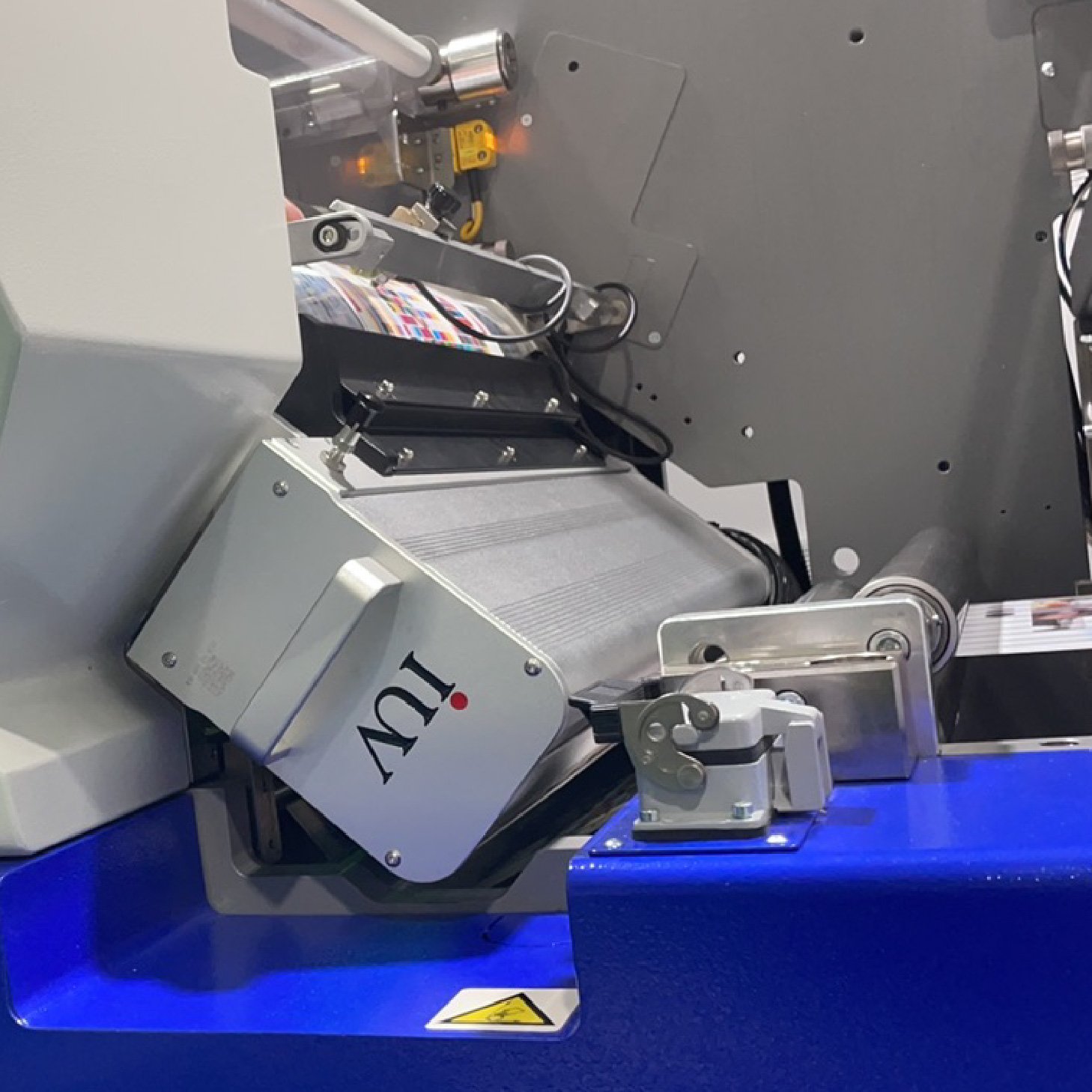
Absolutely! Here’s an SEO-optimized article comparing UV curing and traditional drying systems for the printing industry, written from the perspective of an experienced engineer and SEO copywriter.
UV Curing vs. Traditional Drying: A Deep Dive for Printers
Choosing the right drying system is a critical decision for any printing operation. It impacts speed, quality, cost, and environmental footprint. Two primary contenders dominate the landscape: UV curing systems and traditional drying systems. As a printing equipment and process engineer with a keen eye on SEO, let’s break down the pros and cons of each, focusing on applications in label, flexographic, and offset printing, especially within the narrow web sector.
Traditional drying methods, such as hot air or infrared (IR) ovens, have been the workhorses of the printing industry for decades. They rely on thermal energy to evaporate solvents or water from inks and coatings. This is a familiar process for many printers, and the initial investment can often be lower.
The Case for Traditional Drying:
- Lower Upfront Cost: Generally, the purchase price of traditional drying equipment is less than that of UV curing units. This can be a significant factor for smaller operations or those with tight capital budgets.
- Ink and Coating Versatility: Traditional systems can handle a wider range of inks and coatings, including those that aren’t formulated for UV curing. This offers flexibility if your print needs are varied and include specialty applications.
- Familiarity: Most printing professionals are well-versed in operating and maintaining traditional drying systems. Training and troubleshooting are typically straightforward.
- No Special Safety Precautions: Unlike UV systems, traditional dryers don’t emit intense UV radiation, meaning fewer stringent safety protocols regarding eye and skin exposure are required.
However, traditional drying systems come with their own set of drawbacks, particularly concerning speed and efficiency.
The Downsides of Traditional Drying:
- Slower Drying Times: Evaporation takes time. This can lead to slower press speeds, creating bottlenecks in production. You might need longer drying tunnels, increasing the physical footprint of your press.
- Higher Energy Consumption: Heating air or infrared elements consumes a considerable amount of energy, leading to higher operating costs and a larger carbon footprint.
- Ink Migration and Smudging: Incomplete drying can result in ink migration or smudging, especially on non-porous substrates. This compromises print quality and can lead to costly waste.
- Environmental Concerns: Many traditional inks and coatings contain volatile organic compounds (VOCs) that are released into the atmosphere during the drying process. This is an increasing concern due to environmental regulations and corporate sustainability goals.
- Limited Substrate Options: Some heat-sensitive or very thin substrates can be damaged by the high temperatures used in traditional drying.
Enter UV Curing: A Modern Solution
UV curing systems utilize ultraviolet light to instantly polymerize (cure) specially formulated inks, coatings, and adhesives. This process is remarkably fast and efficient, offering a compelling alternative to traditional methods. In narrow web printing, especially for labels and packaging, UV curing has become the dominant technology.
The Advantages of UV Curing:
- Instant Curing and High Speed: This is UV curing’s star feature. Inks and coatings cure almost instantaneously under UV light. This allows for much faster press speeds, directly translating to increased productivity and shorter lead times. You can print multiple colors in quick succession without worrying about inter-coat contamination.
- Exceptional Durability and Scratch Resistance: UV-cured inks and coatings form a hard, durable surface that is highly resistant to scratching, abrasion, chemicals, and fading. This is crucial for labels and packaging that need to withstand harsh environments.
- Vibrant and Crisp Print Quality: The rapid curing locks the ink in place, preventing dot gain and ensuring sharp, vibrant colors with excellent detail. This is particularly important for high-quality graphics and text.
- Wide Substrate Compatibility: UV inks and coatings can be applied to a vast array of substrates, including plastics, foils, and coated papers, many of which are challenging for traditional methods. This opens up new product possibilities.
- Lower VOC Emissions: UV inks and coatings are typically 100% solids, meaning they don’t contain solvents that need to evaporate. This results in minimal to zero VOC emissions, making UV curing an environmentally friendly option.
- Reduced Energy Consumption (Compared to Thermal): While UV lamps do consume energy, modern LED UV systems are significantly more energy-efficient than traditional hot air or IR dryers. They also generate less heat, which is beneficial for heat-sensitive substrates.
- Smaller Equipment Footprint: Due to the instant curing speed, UV curing units are much more compact than traditional drying tunnels, saving valuable floor space on the printing press.
The Trade-offs of UV Curing:
- Higher Upfront Investment: UV curing equipment, especially state-of-the-art LED systems, can represent a substantial initial investment compared to traditional dryers.
- Specialized Inks and Coatings: You must use inks and coatings specifically formulated for UV curing. This can limit your options if you need to use legacy ink systems or very specialized non-UV products.
- Safety Precautions: UV lamps emit intense radiation. Proper shielding and personal protective equipment (PPE) are necessary to protect operators’ eyes and skin from exposure.
- Lamp Maintenance and Replacement: Traditional bulbs have a lifespan and will eventually need replacement. LED UV systems, while longer-lasting, still require eventual maintenance or replacement. The cost of these components needs to be factored in.
- Potential for Over-Curing: If not properly managed, UV light can sometimes over-cure or degrade certain substrates. Careful calibration and monitoring are essential.
Focusing on Narrow Web and Specific Printing Methods:
For label printing and narrow web flexographic printing, UV curing has revolutionized the industry. The ability to achieve high-quality, durable prints at high speeds on a variety of materials is indispensable. Imagine producing complex, multi-color labels with special finishes in a single pass – that’s the power of UV.
In offset printing, particularly for packaging and commercial applications where substrate versatility and finish quality are paramount, UV curing offers significant advantages. It enables faster turnaround times and the ability to print on non-absorbent materials that are difficult for conventional offset drying.
LED UV vs. Traditional UV:
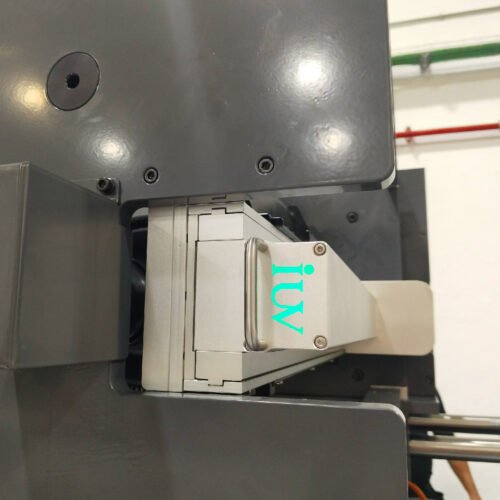
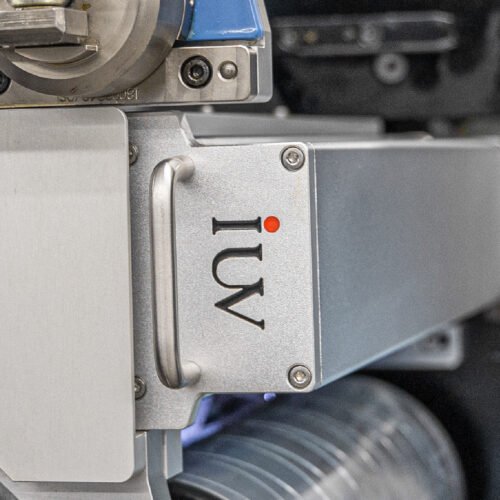
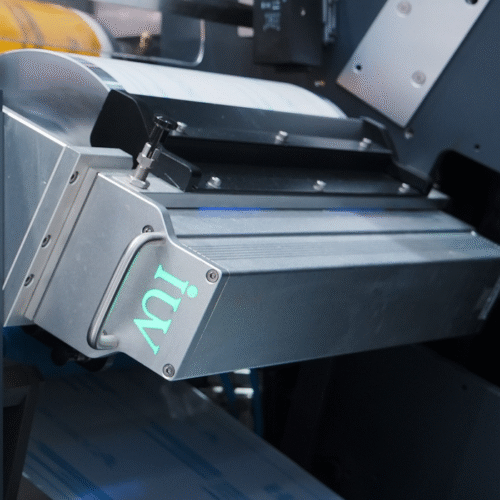
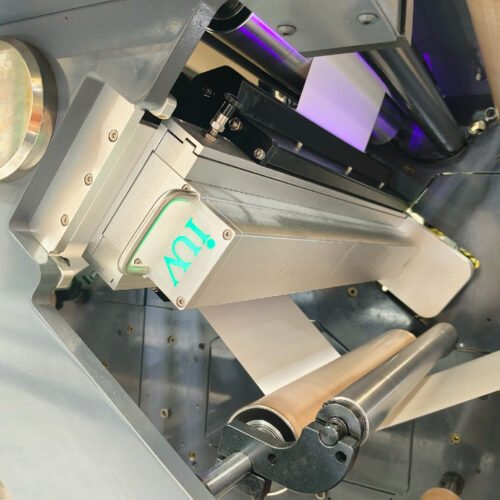
It’s important to distinguish between traditional mercury vapor UV lamps and newer LED UV systems. LED UV offers further advantages:
- Much Longer Lifespan: LEDs can last tens of thousands of hours.
- Lower Energy Consumption: They use significantly less power.
- Instant On/Off: No warm-up time needed.
- Lower Heat Emission: Better for sensitive substrates.
- No Ozone Production: A cleaner, safer operation.
- Consistent Output: Maintains consistent intensity over time.
Making the Right Choice:
The decision between UV curing and traditional drying depends on your specific production needs, budget, and substrate requirements. If speed, print quality, durability, and environmental compliance are top priorities, and you operate within label or narrow web flexo, UV curing is likely the superior choice. For operations with very limited capital, a need for extreme ink versatility, or simpler print jobs, traditional methods might still suffice.
However, the industry trend is clearly moving towards UV, especially LED UV, due to its performance benefits and increasing focus on sustainability. Evaluating your long-term production goals and considering the total cost of ownership, including ink and energy, will guide you to the most effective drying solution for your business.