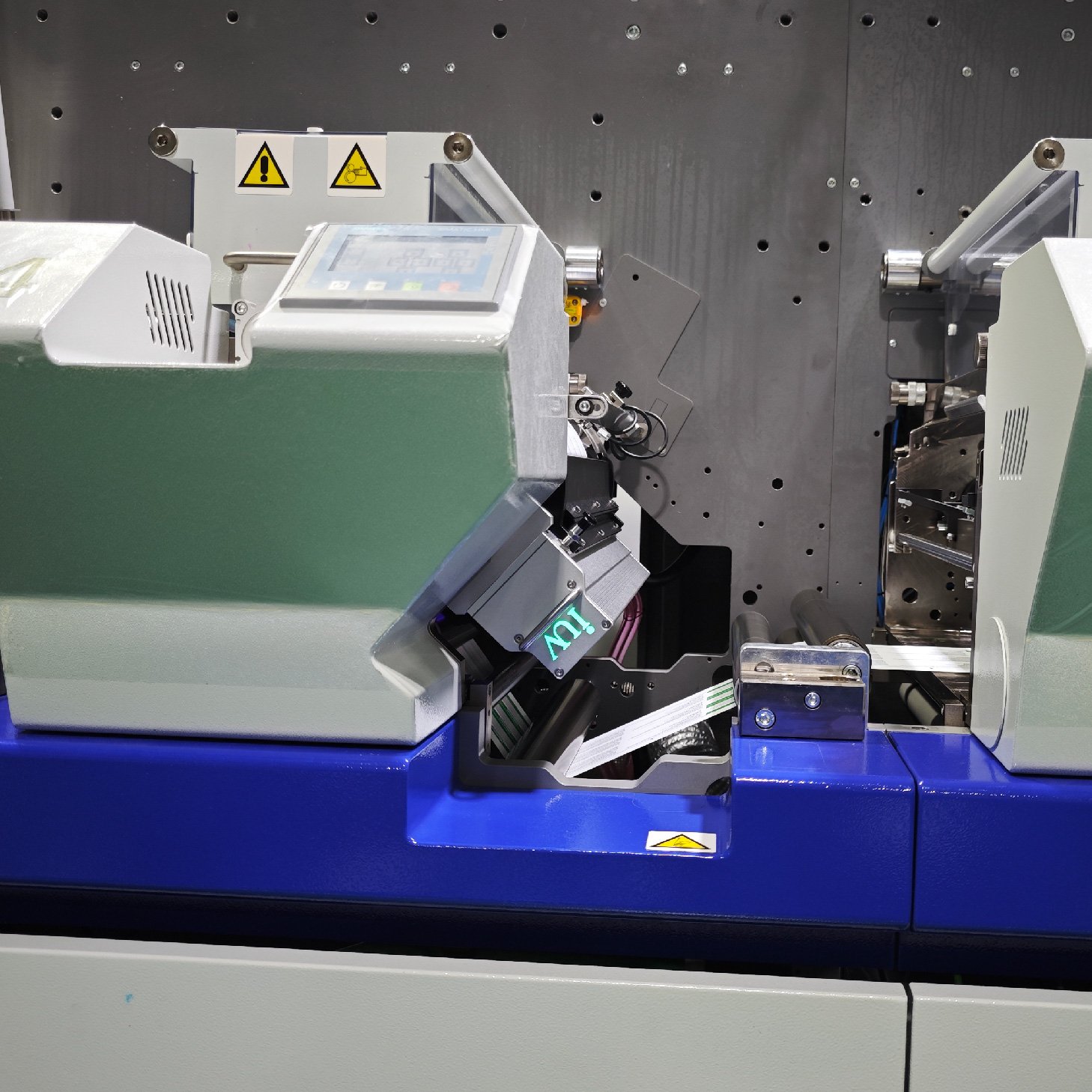
The label printing industry is undergoing a significant transformation. Traditional methods are giving way to more efficient and eco-friendly solutions. At the forefront of this shift are UV curing systems. These advanced technologies are not just an upgrade; they represent the future of sustainable label printing.
The Evolution of Label Printing
For decades, label printing relied on solvent-based or water-based inks. These inks required heat to dry. This process consumed considerable energy. It also released volatile organic compounds (VOCs) into the atmosphere. VOCs are harmful to both the environment and human health. The push for sustainability has driven innovation. Printers are actively seeking ways to reduce their environmental footprint. This is where UV curing steps in as a game-changer.
Understanding UV Curing Technology
UV curing uses ultraviolet light to instantly dry or “cure” inks, coatings, and adhesives. The process is remarkably fast. When UV light hits specially formulated inks, it triggers a photochemical reaction. This reaction causes the ink to polymerize, hardening almost instantaneously. This results in a durable, high-quality print.
There are two main types of UV curing systems used in label printing: mercury vapor lamps and LED UV systems. Mercury vapor lamps have been the industry standard for years. However, they have some drawbacks. They generate significant heat. They also have a shorter lifespan. More importantly, they consume a lot of energy.
The Rise of LED UV Systems
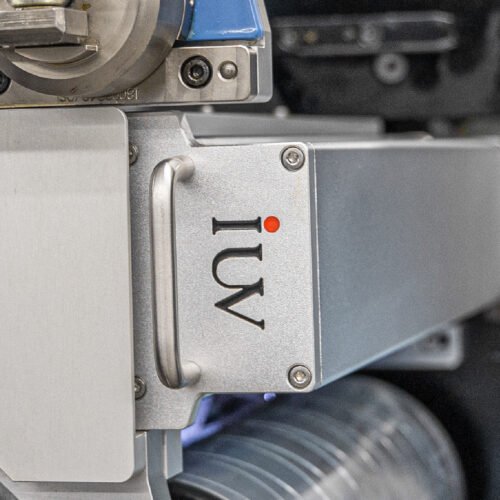
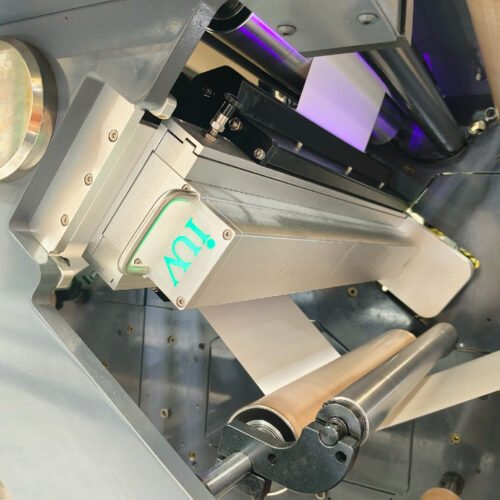
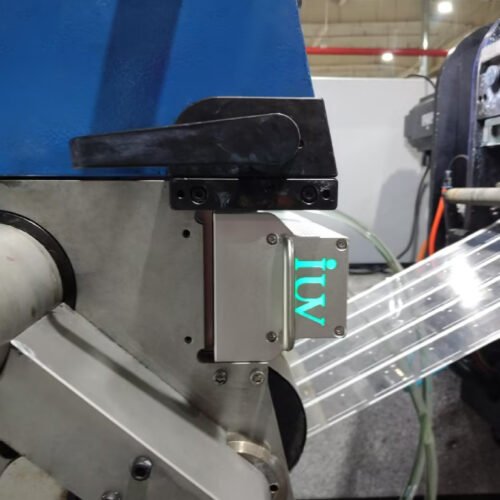
LED UV curing technology offers substantial advantages. Light Emitting Diodes (LEDs) emit UV light at specific wavelengths. This makes the curing process highly efficient. LED systems are far more energy-efficient than mercury lamps. They use a fraction of the power. This directly translates to lower operating costs for label printers.
Furthermore, LED UV lamps have a much longer lifespan. They can last for tens of thousands of hours. This reduces waste and the need for frequent replacements. Another key benefit is the lack of mercury. This makes LED systems an environmentally friendly choice. They also produce very little heat. This is beneficial for heat-sensitive substrates. It also reduces the overall energy demand of the printing press.
Sustainability Benefits in Detail
The environmental advantages of UV curing are multifaceted. Firstly, the elimination of VOCs is a major win. This improves air quality in printing facilities. It also helps printers comply with stricter environmental regulations. Many regions are actively phasing out solvent-based inks due to their VOC emissions. UV curing provides a compliant and cleaner alternative.
Secondly, the reduced energy consumption is significant. Lower energy use means a smaller carbon footprint for label production. This is increasingly important for brands. They are looking for suppliers who demonstrate a commitment to sustainability. Choosing UV curing can be a key differentiator for label printers.
Thirdly, UV inks and coatings are often more durable. This can lead to longer-lasting labels. This reduces the need for reprints or replacements. The instant curing means less waste from smudged or imperfect prints. The process also allows for printing on a wider range of materials. This includes plastics and films that might not withstand traditional drying methods.
Applications in Different Printing Processes
UV curing technology is versatile. It is widely used in various label printing methods.
- Flexographic Printing (Flexo): Flexo is a very common method for label production. UV-curable inks are a perfect match for flexo presses. They offer fast drying times between print stations. This allows for faster printing speeds. It also enables the use of multiple colors and special effects. The instant cure prevents ink transfer between stations. This leads to sharper, cleaner images. UV flexo printing is a cornerstone of modern narrow web label production.
- Offset Printing (Lithography): While traditionally associated with heatset or drying ovens, offset printing also benefits from UV curing. UV offset inks provide excellent print quality. They cure instantly, allowing for immediate handling and finishing. This is especially valuable in narrow web offset presses used for labels. It speeds up the entire production cycle.
- Digital Printing: UV inkjet printing is a rapidly growing segment. UV inkjet inks are applied directly to the substrate. They are then instantly cured by UV LEDs. This technology offers the benefits of short runs and customization. It also provides the environmental advantages of UV curing. High-quality labels can be produced without the need for plates.
The Narrow Web Advantage
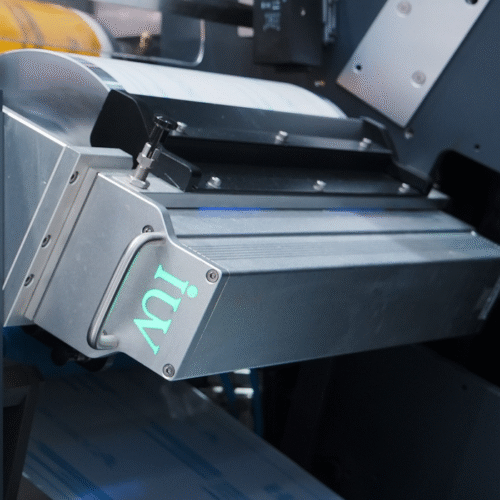
Narrow web printing is crucial for the label industry. Presses in this category are designed for producing labels and flexible packaging. They typically range from a few inches to around 20 inches wide. The integration of UV curing systems, especially LED UV, is particularly impactful here. The compact nature of LED UV units fits well on these presses. The speed of UV curing matches the high-speed output of narrow web presses. This combination optimizes efficiency and throughput for label converters.
Choosing the Right UV System
When selecting a UV curing system for label printing, several factors come into play. The type of press, the inks used, and the substrates are important considerations.
- Wavelength: Different UV lamps emit light at different wavelengths. The ink formulation must be compatible with the lamp’s output. LED systems offer specific wavelength outputs (e.g., 365 nm, 395 nm) that are optimized for UV inks.
- Irradiance: This refers to the intensity of the UV light. Higher irradiance generally leads to faster curing. It’s important to match irradiance levels with the ink’s curing requirements.
- Substrate: The material being printed on can affect curing. Some substrates absorb UV light, requiring more powerful lamps. Others are heat-sensitive, making cool-running LED systems ideal.
- Ink Formulation: Not all UV inks are created equal. They are formulated to cure under specific UV light conditions. Working with ink suppliers is key to selecting the right system.
The Future is Clear: UV Curing for Labels
The trend towards sustainable printing is undeniable. UV curing systems, particularly LED UV technology, offer a compelling solution for label printers. They reduce energy consumption. They eliminate harmful VOC emissions. They improve print quality and durability. They increase production speeds.
For flexographic and offset narrow web printing, UV curing is no longer an option; it is a necessity for staying competitive and environmentally responsible. As brands increasingly prioritize eco-friendly packaging, label printers that adopt UV curing will be well-positioned for success. The technology is mature, reliable, and offers clear benefits for both the printer and the planet. Embracing UV curing is an investment in a greener, more efficient future for label printing. The enhanced quality and versatility further solidify its role as the future standard.