UV curing systems are revolutionizing flexographic printing. They offer significant advantages for label printing and narrow web applications. Understanding how these systems work is key to optimizing your print production. Flexography is a versatile printing method. It uses raised flexible printing plates. These plates transfer ink onto the substrate. Traditional inks often require drying time. This can slow down the printing process.
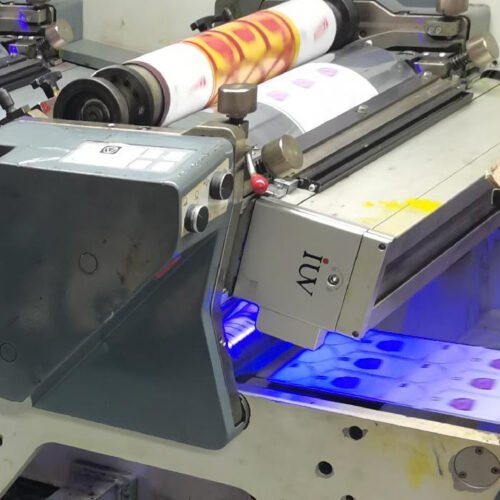
UV curing technology changes this dynamic. It uses ultraviolet light. This light instantly hardens (cures) special UV-curable inks. This rapid curing process has profound implications. It boosts productivity and improves print quality. For narrow web printing, especially in the label industry, speed and efficiency are paramount. UV curing delivers on both fronts.
In flexographic printing, ink needs to adhere well to various substrates. These can include paper, films, and foils. UV-curable inks form a durable, scratch-resistant layer upon exposure to UV light. This makes them ideal for labels that endure handling and environmental exposure. Compared to conventional inks, UV inks offer superior rub resistance and gloss. This enhances the visual appeal and longevity of printed products.
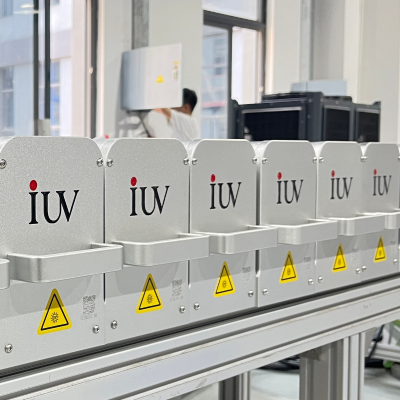
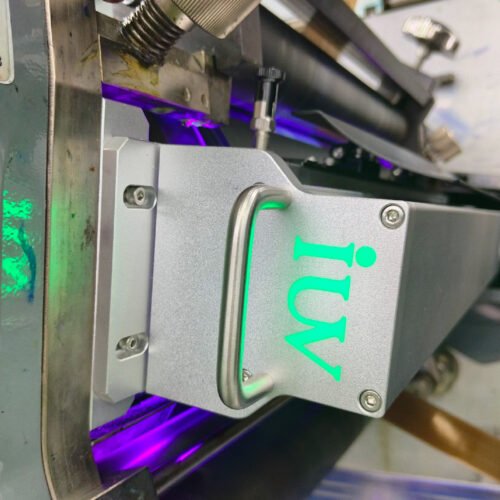
LED UV curing systems represent the latest advancement. They use Light Emitting Diodes (LEDs) to generate UV light. This is a significant improvement over older mercury vapor lamps. LED UV systems are more energy-efficient. They produce less heat, which is beneficial for heat-sensitive substrates. They also have a much longer lifespan. This reduces maintenance costs and downtime. The precise control offered by LED UV systems ensures consistent curing results.
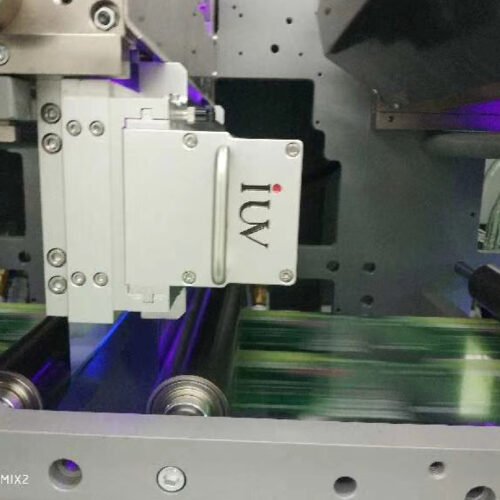
The role of UV curing in flexo is multifaceted. It directly impacts ink drying. It eliminates the need for extensive drying tunnels. This saves valuable press space. It also allows for faster printing speeds. This means more labels can be produced in the same amount of time. The immediate curing also prevents ink transfer between freshly printed layers. This is crucial for multi-color printing. It ensures sharp dot definition and vibrant color reproduction.
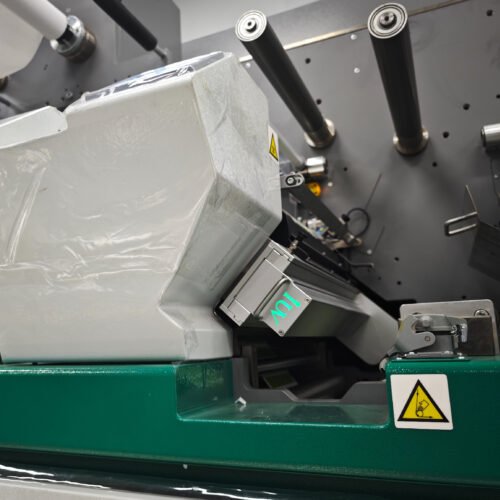
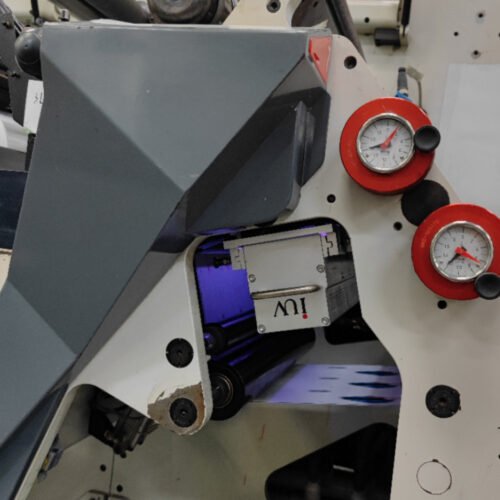
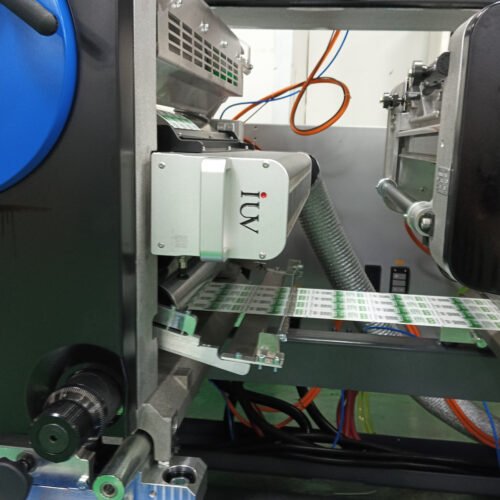
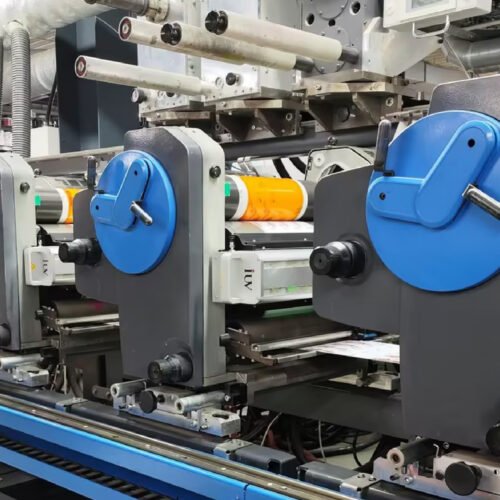
For narrow web presses, space is often at a premium. Integrating UV curing units is relatively straightforward. They are typically positioned between print stations. This allows for in-line curing of each color. This capability is essential for achieving complex, high-quality graphics on labels. Many label printers are adopting UV flexo technology. They are seeking to meet the increasing demands for premium packaging and product identification.
Beyond labels, UV curing is finding its place in other narrow web applications. This includes printing on packaging materials, security features, and specialty films. The versatility of UV-curable inks and the efficiency of UV curing systems make flexography a competitive printing method. It can even rival offset printing for certain applications.
The selection of a UV curing system depends on several factors. The type of press, the substrate, and the ink formulation are important considerations. For narrow web flexo, a compact UV system is often preferred. This ensures it fits seamlessly into the existing press configuration. The power of the UV lamps and the wavelength of the emitted light must be matched to the specific UV ink being used.
LED UV technology offers a spectrum of benefits. Its lower energy consumption translates to reduced operating costs. This is a significant factor for businesses looking to improve their bottom line. The absence of ozone generation is another environmental advantage. Mercury lamps produce ozone, which requires exhaust systems. LED UV curing eliminates this need.
The precision of LED UV curing is also noteworthy. The light output is consistent and controllable. This leads to more predictable and repeatable results. This is crucial for maintaining brand consistency across different print runs. For printers, this means fewer production issues and higher customer satisfaction.
When evaluating UV curing systems for flexographic printing, consider the following. Look at the integration capabilities with your current press. Assess the energy efficiency and operational costs. Consider the lifespan and maintenance requirements of the UV lamps or LEDs. The ability to customize curing parameters is also a valuable feature. This allows for optimization based on different jobs.
The growth of the label printing market is closely tied to advancements in printing technology. UV curing systems are at the forefront of this evolution. They enable printers to produce higher quality labels faster and more cost-effectively. The demand for visually appealing and durable labels continues to rise. UV flexo printing, powered by advanced UV curing, is well-positioned to meet this demand.
The transition to UV curing might seem complex. However, the long-term benefits are substantial. It enhances productivity, improves print quality, and expands the range of printable substrates. For narrow web flexographic printers, it’s an investment in the future. It ensures competitiveness in a dynamic market.
The understanding of UV curing is not just about the hardware. It also involves the ink chemistry and the press operation. A holistic approach is necessary for success. This includes selecting the right UV-curable inks. These inks are specifically formulated to react to UV light. Proper ink viscosity, transfer, and curing conditions are all interconnected.
The environmental impact is also a consideration. UV-curable inks are often formulated with low or zero VOCs (Volatile Organic Compounds). This is a significant advantage over some solvent-based inks. The energy efficiency of LED UV systems further contributes to a more sustainable printing process.
As technology advances, UV curing systems will continue to evolve. Innovations in LED technology promise even greater efficiency and performance. For flexographic printers, staying abreast of these developments is key. Embracing UV curing is a strategic move. It positions a business for continued success in the demanding world of label and packaging printing.
The benefits extend to the end product. UV-cured inks provide excellent adhesion. They offer superior resistance to chemicals, scuffing, and fading. This is vital for products that need to withstand harsh conditions or maintain their appearance over time. Think about food and beverage labels, cosmetic packaging, or industrial product labels. Durability and visual appeal are non-negotiable.
In conclusion, UV curing systems play an indispensable role in modern flexographic printing. They enable faster production speeds, superior print quality, and enhanced durability. For narrow web printers, especially in the competitive label market, adopting UV curing technology is a path to greater efficiency and profitability. The ongoing development of LED UV systems further solidifies its importance.