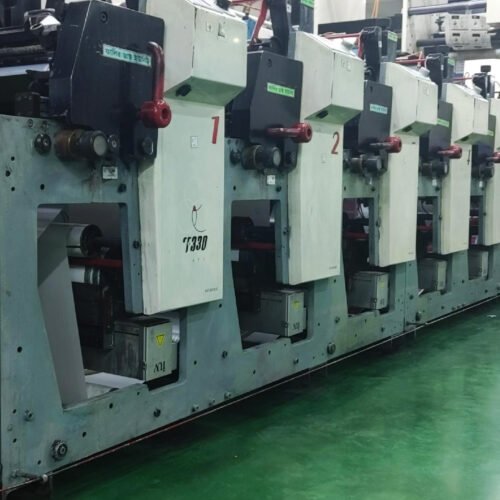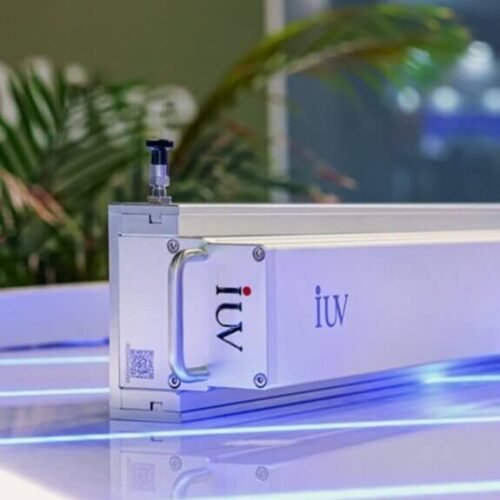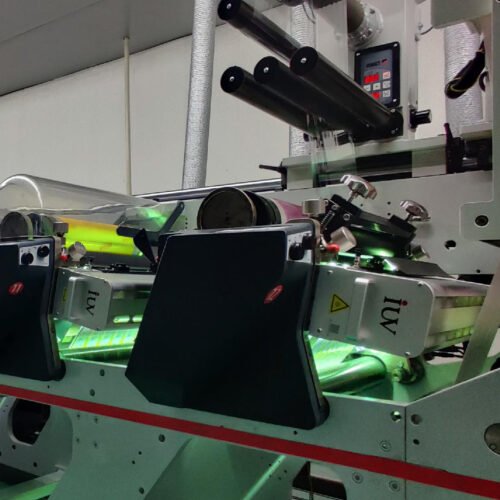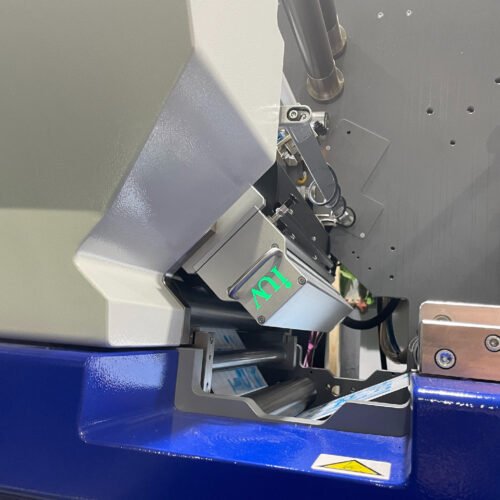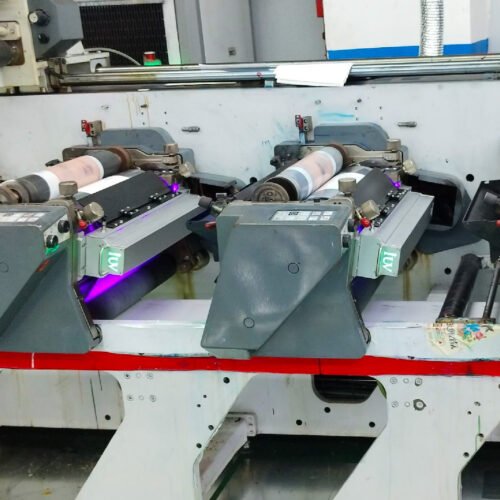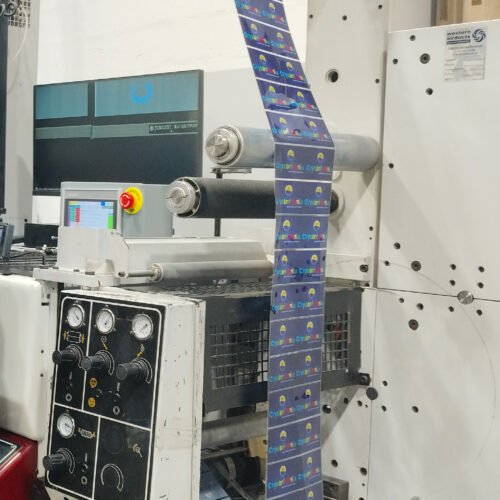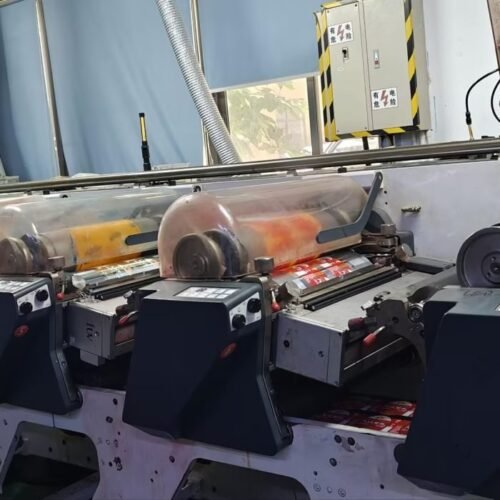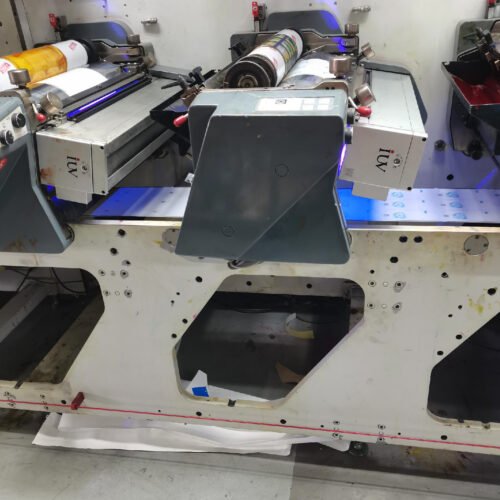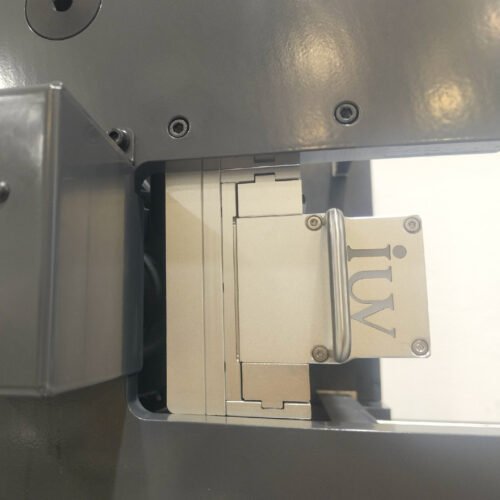
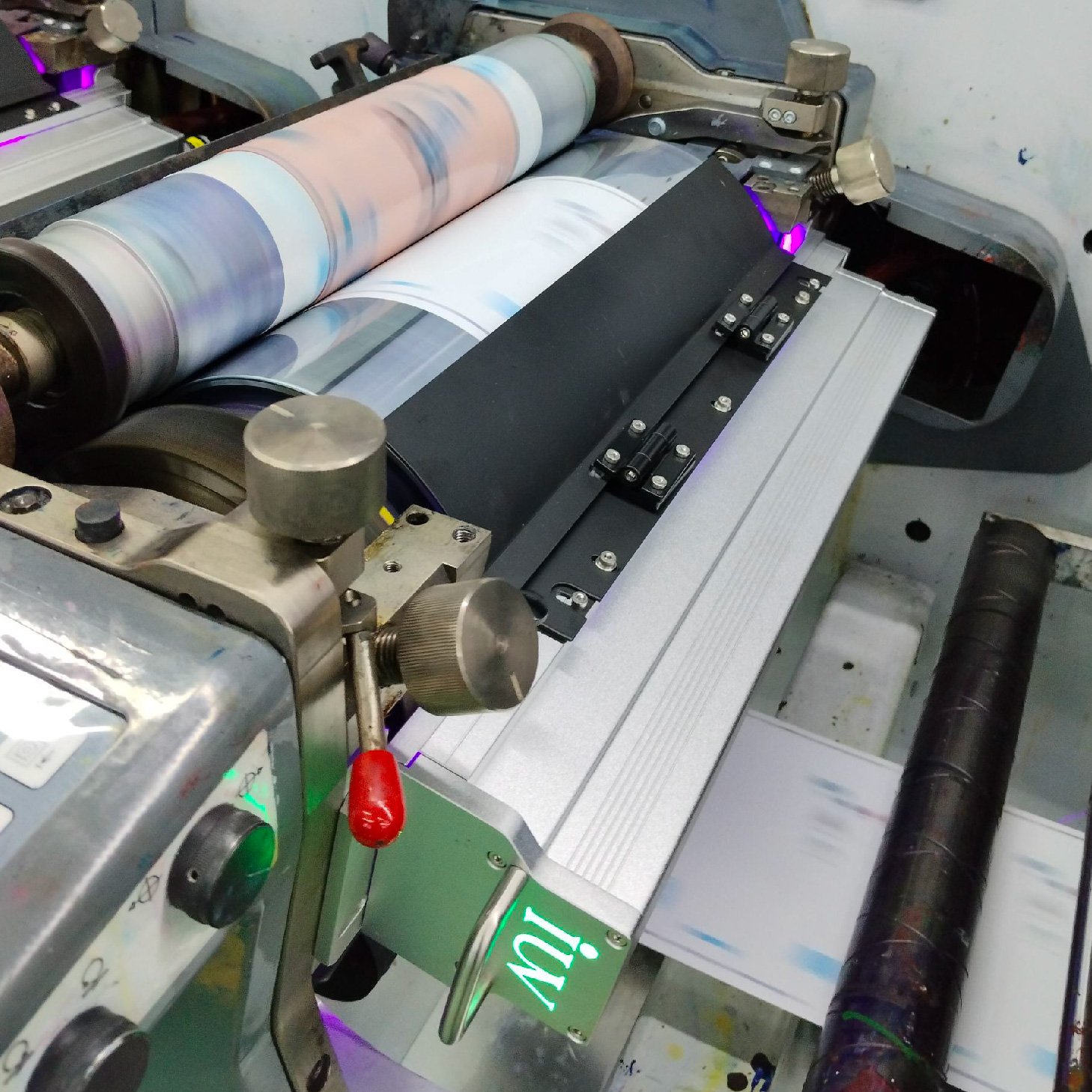
Upgrading Mark Andy flexo presses with LED UV curing systems represents a critical step in modernizing narrow web production. Traditional mercury UV lamps provide adequate curing but generate excess heat, consume high energy, and require frequent maintenance. Integrating LED UV modules enhances print consistency, reduces operational costs, and supports high-speed label, flexible packaging, and specialty printing applications. This guide outlines key considerations, installation procedures, and optimization strategies for retrofitting Mark Andy presses to achieve maximum efficiency and superior print quality.
Evaluating Press Compatibility
Before installation, assess the current press configuration, including electrical supply, web path geometry, and curing station locations. LED modules are compact compared to conventional lamps but require precise placement for uniform exposure. Evaluate the frame and mounting points to ensure the press can support the modules without affecting registration or web tension. Compatibility extends to ink systems as well; confirm that photoinitiators in existing inks match the LED wavelength to ensure complete polymerization.
Electrical and Cooling Preparations
LED UV systems operate with lower voltage than mercury lamps but need stable, dedicated circuits for consistent performance. Legacy Mark Andy presses may require electrical upgrades to accommodate these modules. Cooling systems are equally important; although LEDs emit less heat, proper airflow prevents localized temperature spikes. Install ducting or additional fans to maintain stable conditions, particularly when printing heat-sensitive substrates such as BOPP, PET, or synthetic papers.
Mechanical Integration of LED Modules
Positioning LED modules correctly above the substrate is essential for consistent curing. Adjustable brackets allow operators to fine-tune the gap between the module and web, directly influencing irradiance and polymerization quality. For multi-color wet-on-wet printing, maintain alignment across all curing stations to prevent undercured zones, gloss inconsistency, or banding. Test the press at reduced speed after installation to ensure that registration and tension are unaffected before full production runs.
Optimizing Curing Parameters
Proper curing requires balancing irradiance, dwell time, and substrate characteristics. Start with manufacturer-recommended settings, then adjust based on ink coverage, opacity, and press speed. Use UV meters to measure real-time output, ensuring uniform energy delivery across the web. For wet-on-wet color sequences, adjust each station individually to avoid interlayer contamination and maintain adhesion. Correct curing reduces dot gain, eliminates ink trapping failures, and improves overall print quality.
Control System Integration
Modern LED UV systems feature digital controls for intensity adjustment, lamp diagnostics, and operational monitoring. Integrating these controls with the press interface allows operators to fine-tune curing during production. For legacy presses, standalone controllers can link to press speed sensors, ensuring irradiance scales with web velocity. This integration guarantees consistent polymerization across varying production speeds and reduces the risk of substrate damage.
Trial Runs and Process Validation
After installation, conduct trial runs with standard and heat-sensitive substrates. Monitor key performance indicators including adhesion, gloss, dot sharpness, and color consistency. Adjust LED height, output power, and dwell time as necessary. These trials confirm that curing is uniform across different substrate types and that multi-color sequences maintain alignment and interlayer adhesion. Proper validation reduces downtime and ensures high-quality production from the first full-speed run.
Maintenance and Longevity
LED UV modules have longer lifespans than mercury lamps, but routine maintenance is necessary. Keep quartz optics free of dust and ink residue to preserve consistent irradiance. Periodically verify module output and cooling efficiency. Unlike mercury lamps, LED systems do not require warm-up, have minimal output degradation, and avoid mercury handling hazards. Scheduled maintenance ensures reliable production and extends module life, supporting continuous operation with minimal downtime.
Advantages of Retrofitting Mark Andy Presses
Upgrading Mark Andy flexo presses with LED UV curing systems brings several benefits. Energy consumption decreases due to lower heat output and efficient LED operation. Print quality improves with uniform curing, stronger adhesion, and consistent gloss across substrates. Multi-color wet-on-wet sequences become more reliable, and overall operational efficiency increases. By retrofitting existing equipment, converters extend press life, reduce maintenance costs, and achieve high-speed, high-quality production for narrow web labels and flexible packaging.
Conclusion
Retrofitting Mark Andy flexo presses with LED UV curing systems enhances narrow web production, improves print quality, and reduces operational costs. Proper assessment, electrical preparation, mechanical integration, and parameter optimization are critical to successful implementation. Trial runs and ongoing maintenance ensure consistent curing, adhesion, and gloss across diverse substrates. LED upgrades allow converters to achieve high-speed, energy-efficient operation while maintaining superior label and flexible packaging quality. Integrating modern UV LED technology positions legacy presses for current and future production demands, ensuring reliability and long-term performance.