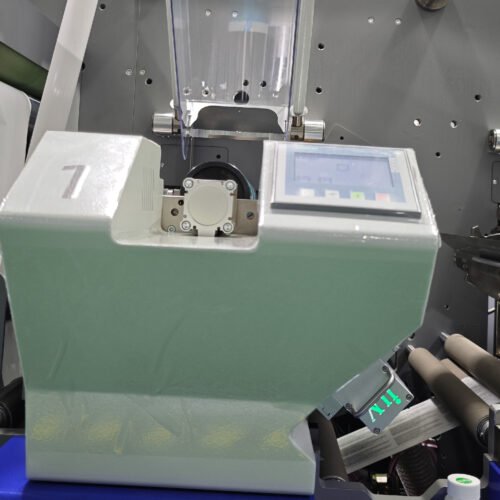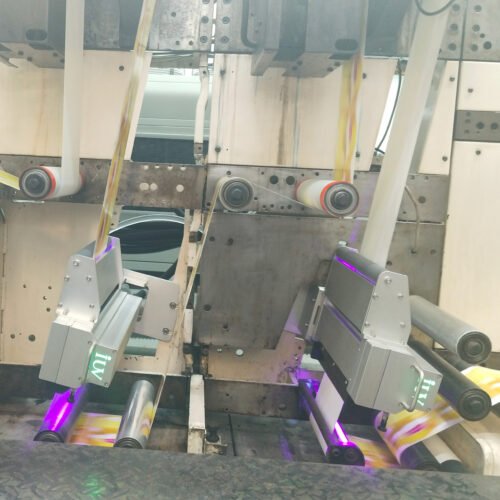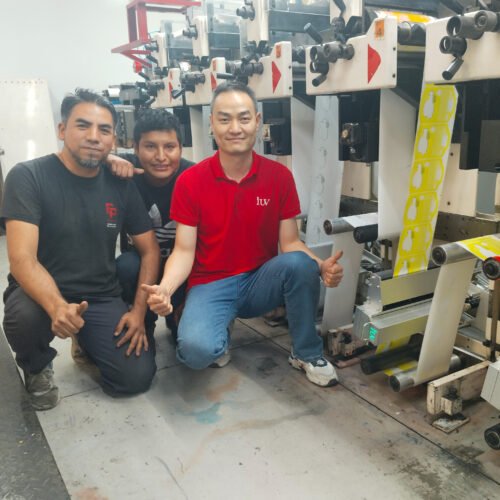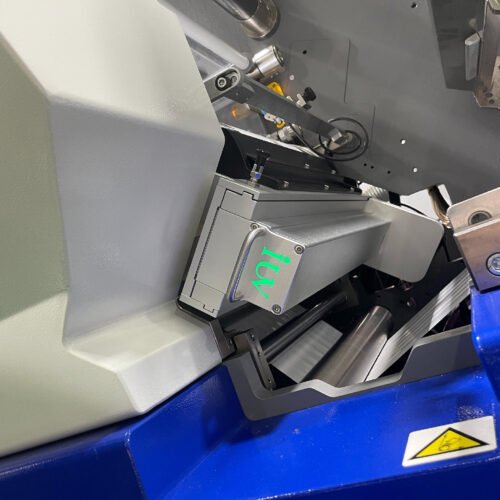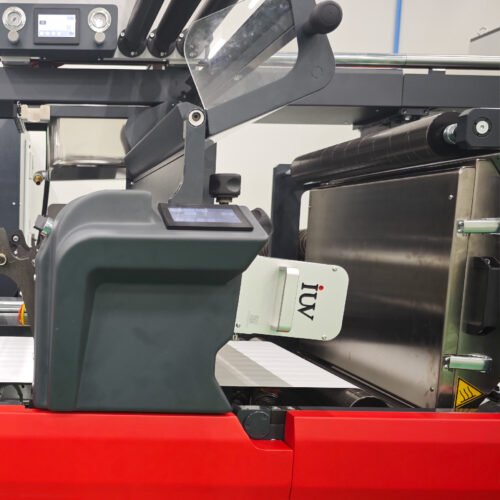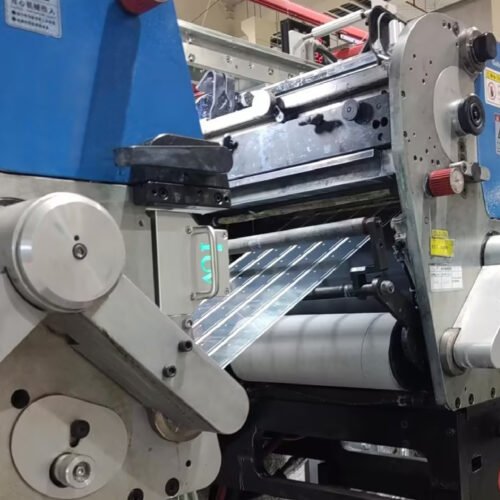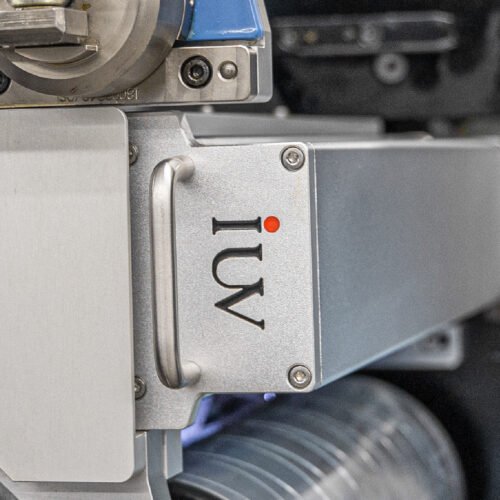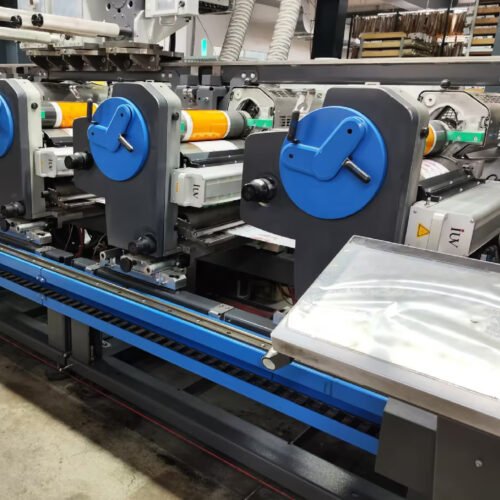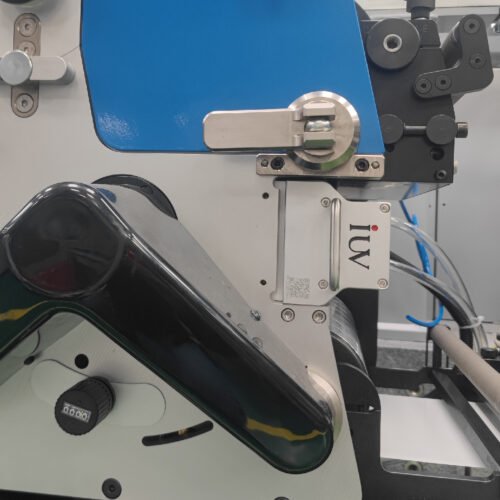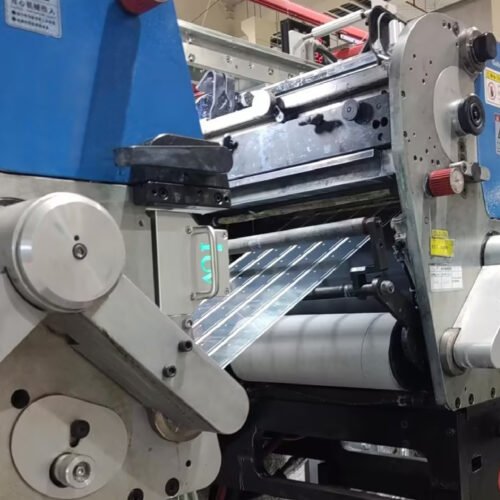
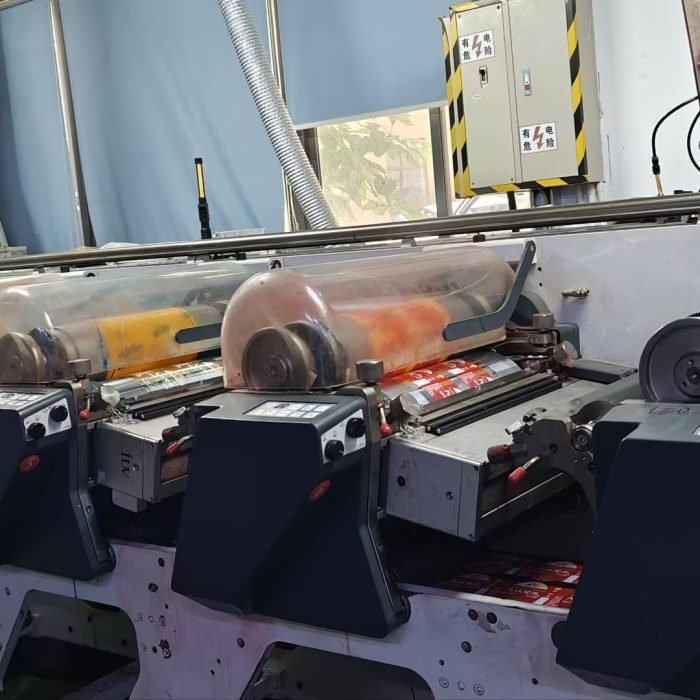
In modern narrow web label production, curing technology defines both print quality and operational efficiency. OMET press platforms are widely used in flexographic and hybrid offset environments, where consistent UV curing is essential for stable ink performance. LED UV curing lamps integrated into OMET presses provide controlled energy delivery, supporting high-speed production while maintaining precise image reproduction.
Compared with conventional mercury lamps, LED UV systems offer immediate start-up, stable spectral output, and reduced thermal impact on substrates. These characteristics make them highly suitable for label printing applications that require tight registration, sharp detail, and consistent color density across multiple print stations.
UV Curing Fundamentals in Flexographic and Offset Printing
UV curing is based on photochemical polymerization. When ultraviolet energy reaches the ink film, photoinitiators absorb photons and initiate crosslinking reactions. This process converts liquid ink into a solid structure with defined mechanical strength and chemical resistance.
In flexographic printing, ink thickness depends on anilox cell volume and plate configuration. Offset printing produces thinner ink films, but requires precise curing to maintain dot integrity. LED UV curing lamps must deliver sufficient irradiance to ensure complete polymerization across different ink thicknesses without overcuring the surface.
Stable curing conditions are critical in narrow web production, where multiple colors are printed in sequence. Each layer must be partially or fully cured at the correct stage to support proper ink trapping and interlayer adhesion.
Integration of LED UV Lamps in OMET Press Layouts
OMET press designs often include modular curing positions that allow flexible integration of LED UV lamps. These lamps are typically installed after each print unit to provide interstation curing or at the end of the press for final curing. Proper placement ensures that ink layers are stabilized before the next color is applied.
Interstation LED curing is especially important in multi-color wet-on-wet flexographic printing. Controlled partial curing prevents ink spreading while maintaining enough surface activity for the next layer to adhere. Final curing units deliver full energy dose to complete polymerization across all layers.
The compact design of LED modules allows easy retrofitting into existing OMET press configurations. This flexibility enables printers to upgrade from conventional UV systems without major structural modifications.
Irradiance Control and Energy Optimization
LED UV curing lamps provide adjustable irradiance, allowing operators to match energy output to specific production conditions. Peak irradiance, measured in W/cm², determines how quickly the ink surface polymerizes. Total energy dose, measured in mJ/cm², ensures complete curing through the entire ink film.
In high-speed narrow web printing, exposure time is limited. As press speed increases, LED intensity must be adjusted to maintain the required energy dose. OMET press control systems often allow synchronization between press speed and LED output, ensuring consistent curing across different production runs.
Uniform irradiance across the web width is essential for maintaining print quality. Uneven energy distribution can cause localized curing defects, leading to gloss variation or adhesion issues. Proper alignment and calibration of LED modules ensure consistent energy delivery across the entire substrate.
Anilox Selection and Ink Film Behavior
Anilox roll selection directly influences curing requirements. Higher cell volumes deposit thicker ink films, which require greater energy to achieve full polymerization. Lower volumes used for fine screen printing require more controlled exposure to avoid overcuring.
In OMET press operations, different print units may use different anilox specifications. Matching LED UV output to each unit ensures that every ink layer receives the appropriate energy. This balance prevents issues such as brittle surfaces, poor intercoat adhesion, or incomplete curing.
Ink formulation also plays a critical role. LED-compatible inks are designed to respond efficiently to narrowband UV energy. Proper selection of photoinitiators ensures that the curing process is both fast and uniform, supporting high-resolution label production.
Substrate Compatibility in Label Printing
Label production involves a wide range of substrates, including paper, polypropylene, polyethylene, and specialty films. Each substrate interacts differently with UV energy and ink chemistry. LED UV curing lamps offer advantages when processing heat-sensitive materials due to their low infrared output.
Film substrates require adequate surface treatment to achieve proper adhesion. Corona treatment increases surface energy, improving ink wetting and bonding. LED curing must then provide sufficient energy to create a durable polymer network without damaging the substrate.
Paper substrates may absorb part of the ink, affecting curing dynamics. Adjusting LED intensity ensures that sufficient energy reaches the remaining ink layer for complete polymerization. In OMET press configurations, this flexibility supports consistent performance across diverse materials.
Supporting High-Speed Narrow Web Production
High-speed production demands rapid and reliable curing. LED UV lamps respond instantly, eliminating warm-up time and allowing presses to start and stop without delay. This improves overall production efficiency and reduces material waste during setup.
In multi-color label printing, stable curing between stations prevents ink transfer and maintains image clarity. LED systems provide consistent output over long production runs, supporting repeatable results and minimizing variation between batches.
The ability to control curing energy precisely allows operators to optimize performance for different job requirements. Whether printing fine graphics or heavy ink coverage, LED UV curing lamps maintain consistent polymerization and print quality.
Maintenance and Long-Term Performance
LED UV curing systems require less maintenance compared to traditional UV lamps. However, regular inspection remains important to ensure optimal performance. Cleaning optical windows prevents contamination from reducing energy transmission. Monitoring cooling systems ensures that diode temperature remains within the specified range.
Over time, LED output may gradually decrease. Measuring irradiance with appropriate instruments allows operators to detect changes and adjust settings accordingly. Maintaining stable output ensures consistent curing and prevents quality issues.
In OMET press environments, reliable curing performance supports continuous production and reduces downtime. Proper maintenance extends the lifespan of LED modules and ensures consistent print results.
Achieving Consistent Print Quality with LED UV Technology
LED UV curing lamps integrated into OMET presses provide a stable and efficient solution for modern label production. By delivering controlled energy, supporting diverse substrates, and maintaining consistent output, these systems enhance print quality and operational efficiency.
When curing parameters are properly optimized, ink films achieve strong adhesion, high gloss, and excellent durability. Multi-color sequences maintain accurate registration and clean trapping, resulting in high-definition labels suitable for demanding applications.
The combination of precise irradiance control, compatibility with advanced ink systems, and adaptability to different substrates makes LED UV curing an essential component in narrow web flexographic and offset printing.