Narrow web label production requires precise control over ink transfer, curing consistency, and substrate handling. As print speeds increase and substrates become more diverse, curing systems play a decisive role in determining final print quality. Modern UV curing solutions integrated into high-performance presses provide the energy required to achieve stable polymerization, strong adhesion, and consistent visual results across complex label designs.
In flexographic and offset-based narrow web environments, curing performance directly affects color density, gloss uniformity, and resistance to abrasion and chemicals. Advanced UV curing systems, such as those used in Nilpeter press configurations, are designed to meet these requirements while maintaining production efficiency and operational stability.
UV Curing Principles in Narrow Web Flexo and Offset Applications
UV curing relies on photochemical reactions initiated by ultraviolet energy. When UV radiation reaches the ink film, photoinitiators absorb energy and generate reactive species that trigger crosslinking. This process transforms liquid ink into a solid film with defined mechanical and chemical properties.
In flexographic printing, ink layers are controlled by anilox volume and plate design. Offset printing produces thinner and more uniform ink films. These differences require precise adjustment of curing energy to ensure complete polymerization. Insufficient curing leads to weak adhesion and surface defects, while excessive energy may cause brittleness or substrate deformation.
Modern UV curing systems offer adjustable irradiance and consistent spectral output, allowing printers to match curing conditions with ink chemistry and substrate type. This level of control is essential in narrow web production, where multiple substrates and ink systems are processed within short production cycles.
Integration of UV Curing Systems in Nilpeter Press Platforms
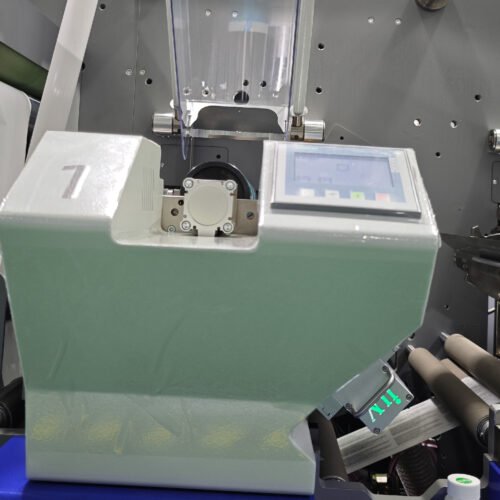
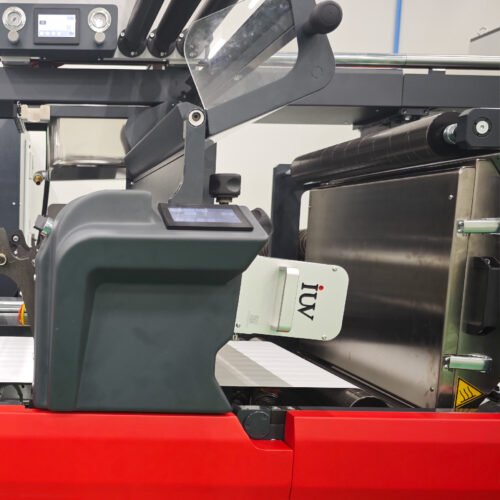
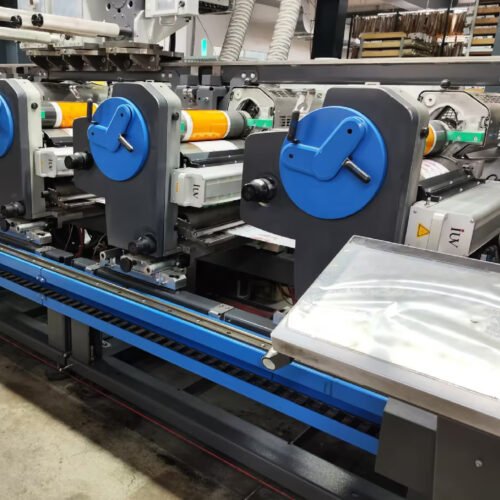
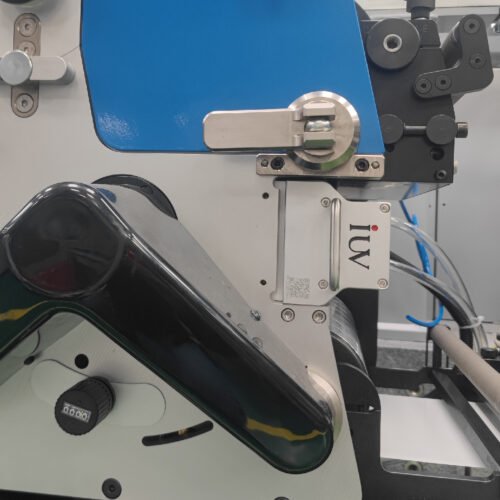
Nilpeter narrow web presses are widely recognized for their modular design and flexibility in handling both flexographic and offset printing units. UV curing systems are integrated at strategic points within the press to support multi-color wet-on-wet printing and ensure stable ink fixation between stations.
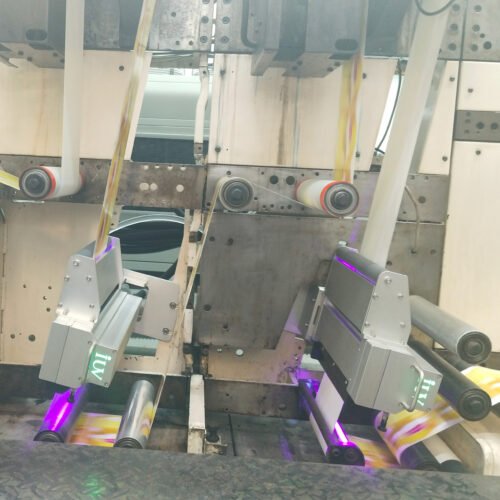
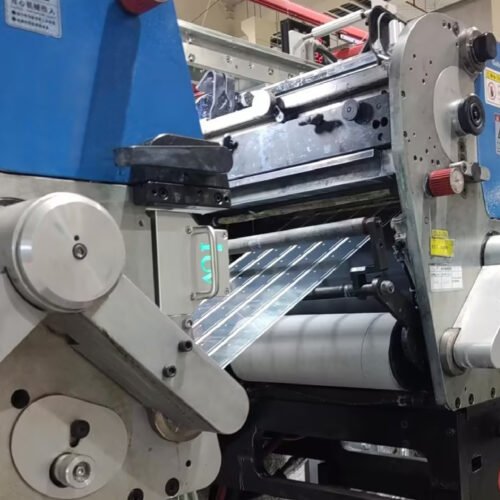
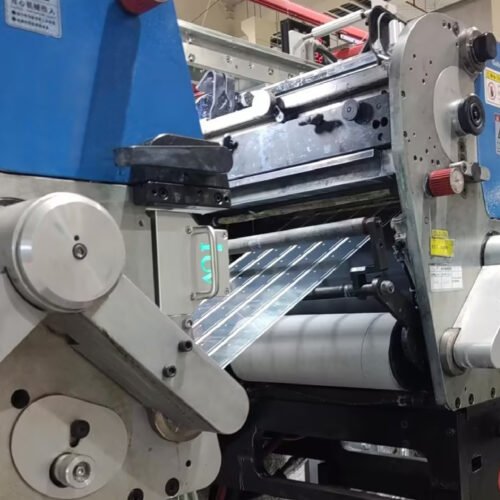
Interstation curing is often applied to partially cure ink layers before the next color is printed. This stabilizes the image and prevents ink transfer or dot distortion. Final curing units complete the polymerization process, ensuring that the printed label meets durability and performance requirements.
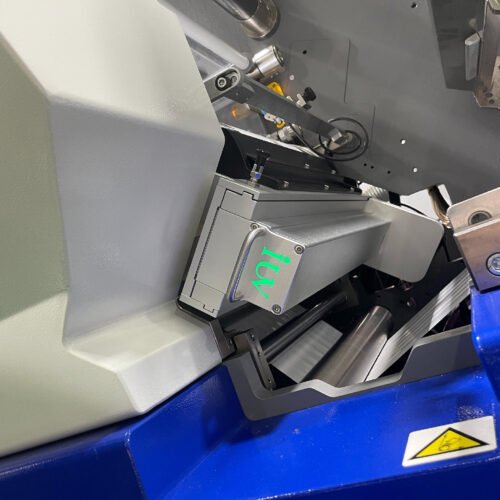
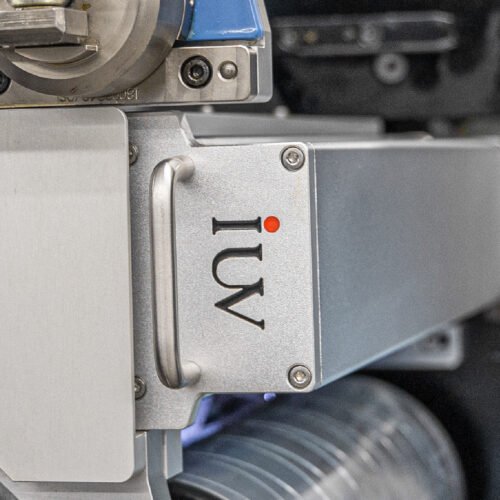
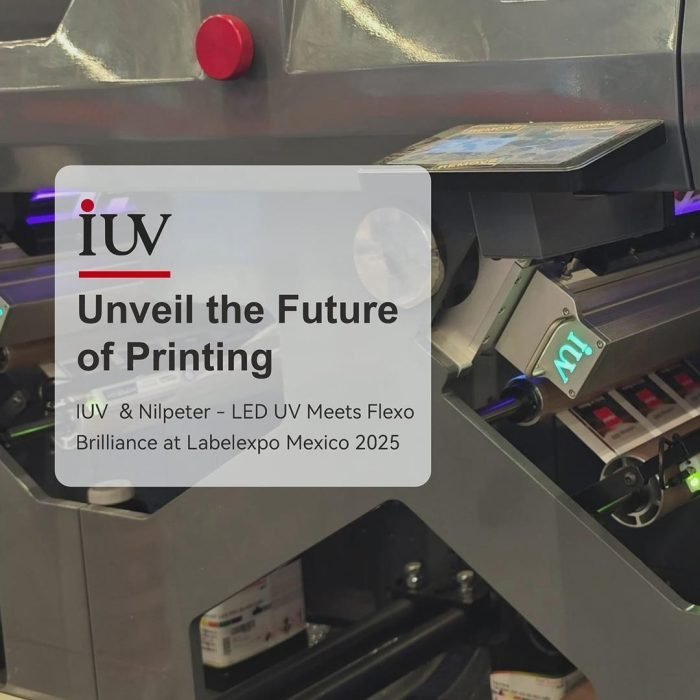
The integration of LED UV modules alongside conventional UV lamps allows operators to select the most suitable curing method for each application. LED modules provide instant on-off capability and reduced heat generation, while conventional UV systems deliver broad-spectrum energy for inks that require deeper penetration.
Enhancing Print Quality Through Controlled Energy Delivery
Print quality in narrow web production depends heavily on uniform energy distribution across the web. Variations in irradiance can lead to uneven curing, resulting in color inconsistency, gloss variation, or adhesion failure. Advanced UV curing systems used in Nilpeter presses are engineered to deliver consistent energy across the entire print width.
Precise control of irradiance allows operators to adjust curing conditions based on ink coverage, substrate type, and press speed. High-density areas may require higher energy doses, while lighter coverage areas benefit from balanced exposure to prevent overcuring. Maintaining this balance ensures sharp image reproduction and consistent color across the label.
Stable energy delivery also supports fine detail reproduction in high-resolution graphics. In narrow web label printing, small text, barcodes, and intricate designs require accurate dot retention. Proper curing prevents dot gain or deformation, preserving image clarity throughout the production run.
Substrate Compatibility and Adhesion Performance
Modern label production involves a wide range of substrates, including coated papers, films, and specialty materials. Each substrate presents unique challenges in terms of surface energy, absorption, and thermal sensitivity. UV curing systems must be configured to accommodate these variations while maintaining strong ink adhesion.
Film substrates such as polypropylene and polyethylene require surface treatment to improve wettability. UV curing must then provide sufficient energy to achieve strong chemical bonding without causing thermal distortion. Paper substrates, on the other hand, may absorb part of the ink, requiring adjustments in curing energy to ensure complete polymerization.
In Nilpeter press environments, the combination of precise ink transfer and controlled curing ensures reliable adhesion across diverse materials. This consistency is essential for labels that must withstand handling, environmental exposure, and long-term storage.
Supporting High-Speed Production Efficiency
Efficiency in narrow web printing is closely linked to curing performance. High-speed production requires rapid polymerization without compromising quality. UV curing systems integrated into Nilpeter presses are designed to operate at elevated line speeds while maintaining consistent output.
LED UV technology contributes to efficiency by providing instant start-up and eliminating warm-up time. This reduces downtime and allows for quick job changes. Conventional UV systems complement this by delivering high energy levels where deeper curing is required.
Optimized curing reduces waste by minimizing defects such as smearing, offsetting, or incomplete curing. This leads to higher yield and improved productivity, which are critical factors in competitive label production environments.
Maintenance and Long-Term Reliability
Consistent print quality depends on the long-term reliability of curing systems. Regular maintenance ensures that UV lamps and LED modules continue to deliver stable irradiance. Cleaning reflectors and protective windows prevents energy loss caused by contamination, while monitoring system performance helps detect early signs of degradation.
LED UV modules offer long operational life and stable output over time. This reduces the frequency of component replacement and contributes to predictable curing performance. Conventional UV lamps require periodic replacement but provide reliable performance when properly maintained.
In Nilpeter press operations, maintaining curing system performance is essential for sustaining high-quality output and minimizing production interruptions.
Conclusion
Advanced UV curing systems play a central role in enhancing print quality in modern narrow web production. Through precise energy control, effective integration within press configurations, and compatibility with diverse substrates, these systems support consistent polymerization and reliable adhesion. In Nilpeter press environments, the combination of LED and conventional UV technologies provides flexibility and efficiency, enabling high-speed production without compromising quality. By maintaining optimal curing conditions and aligning them with ink and substrate characteristics, printers achieve stable, high-performance label production across a wide range of applications.