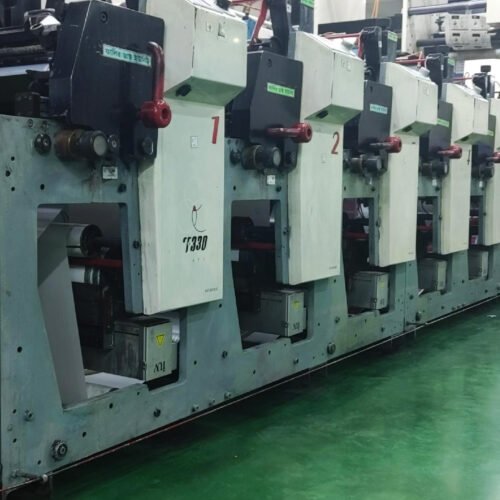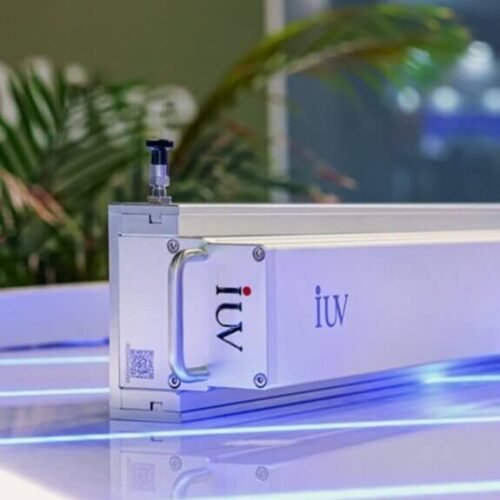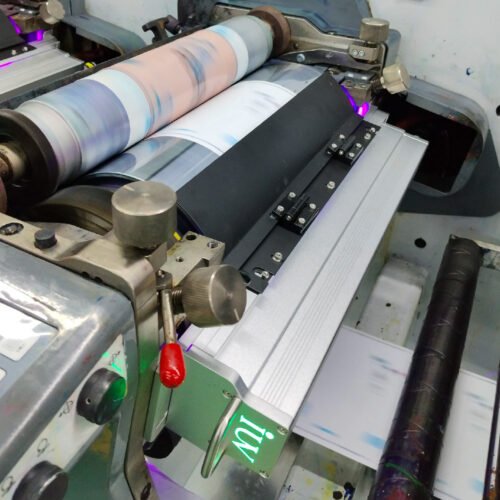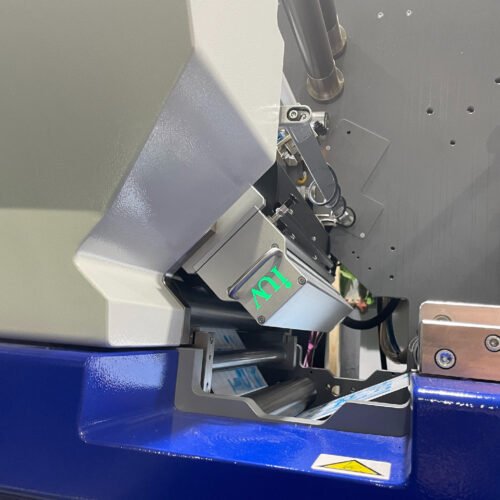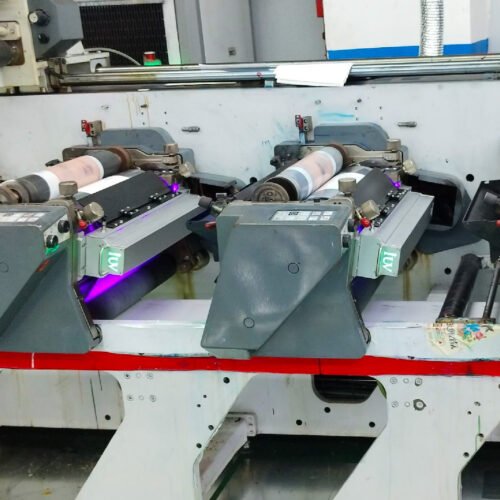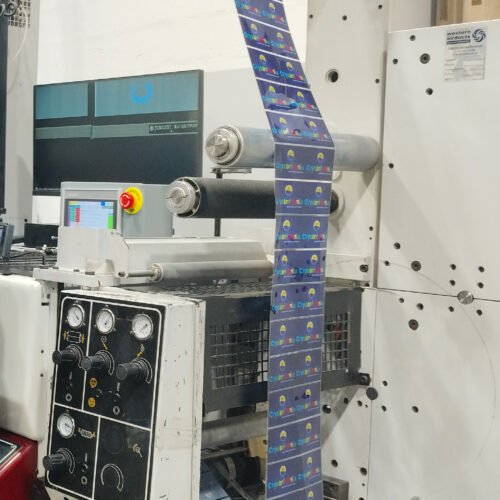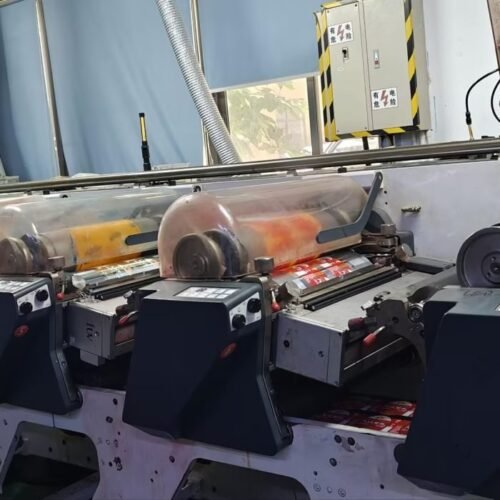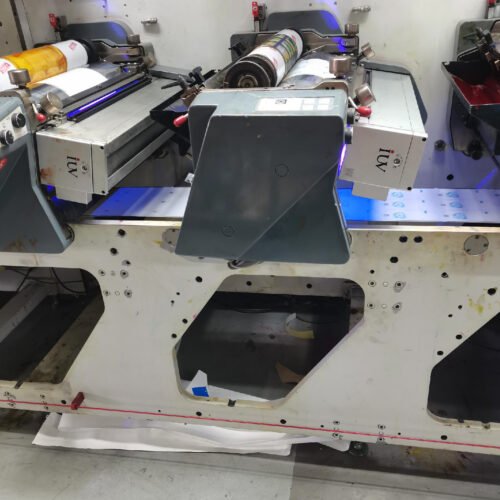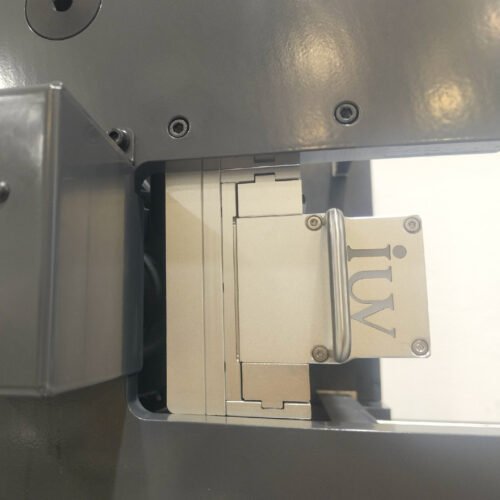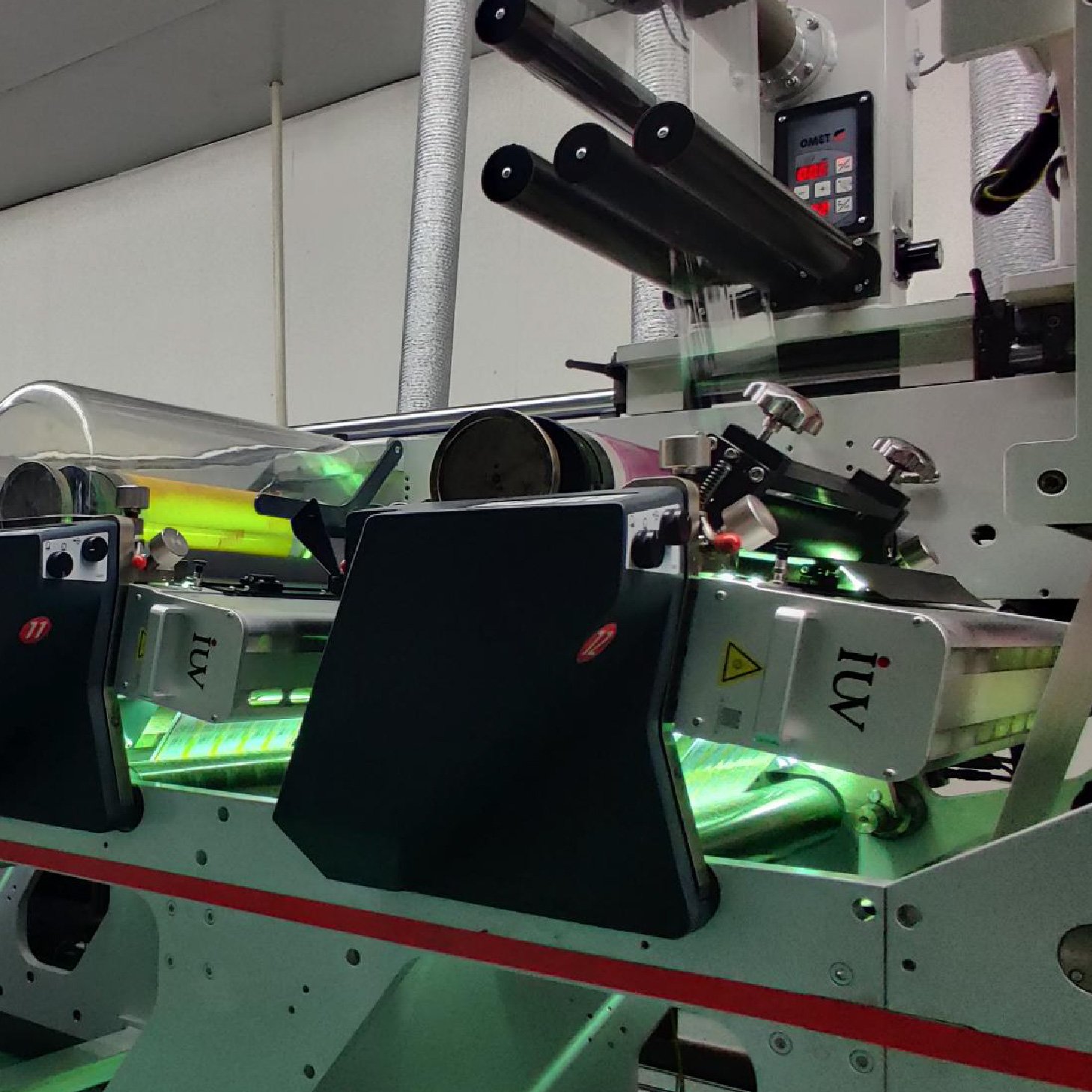
Ensuring consistent curing in LED UV flexographic label printing systems remains a central challenge for converters aiming to maintain high-quality output. Variations in UV irradiance, substrate characteristics, and ink formulation can all impact polymerization, adhesion, and surface finish. Addressing these factors requires careful assessment of press configuration, LED module placement, and operational parameters. Narrow web flexo presses, commonly used for labels, demand precise control to achieve uniform curing across multi-color sequences and varying substrate types.
Understanding LED UV Irradiance Profiles
LED modules emit light within a narrow spectral range, typically centered around 365–405 nm, which directly interacts with photoinitiators in UV inks. Unlike mercury lamps, LEDs produce less heat but require accurate positioning and uniform coverage. Inconsistent irradiance across the web width can lead to undercured zones, gloss variations, and adhesion failures. Mapping irradiance profiles using UV meters enables operators to identify hotspots and low-output areas, allowing for adjustments in LED height, angle, and intensity to achieve uniform curing.
Substrate-Related Challenges
Substrates in narrow web label production vary from coated papers to BOPP, PET, and synthetics. Each material has different thermal sensitivity, surface energy, and optical properties, affecting UV absorption and curing efficiency. Heat-sensitive substrates are particularly vulnerable to overexposure, which can cause distortion or adhesive failure. Maintaining consistent curing requires adjusting dwell time, irradiance, and module spacing to accommodate substrate differences while ensuring complete polymerization of the ink layer.
Ink Formulation and Photoinitiator Matching
LED UV inks contain photoinitiators specifically designed for the LED wavelength range. Misalignment between the photoinitiator absorption spectrum and LED output results in incomplete curing, poor adhesion, or reduced chemical resistance. High-opacity inks, metallics, or fluorescent colors absorb and scatter UV light differently, making uniform curing more complex. Selecting inks with photoinitiators compatible with the press’s LED output and testing across full web width ensures optimal polymerization and consistent print quality.
Multi-Color Wet-on-Wet Considerations
Flexographic presses frequently employ multi-color wet-on-wet printing, where each ink layer must cure sufficiently before the next is applied. Insufficient curing in early layers can cause ink trapping failures, dot gain, and interlayer contamination. Adjusting LED intensity for each station, considering ink thickness and substrate transparency, is critical. Proper alignment and calibration prevent over- or under-curing, ensuring precise color reproduction and consistent adhesion throughout the label run.
Mechanical and Thermal Factors
Mechanical issues such as web tension, roll alignment, and module mounting can influence curing uniformity. Uneven tension can lead to variations in the LED-to-substrate distance, affecting irradiance exposure. Additionally, thermal management is essential, as localized heating from densely packed LEDs or adjacent stations can cause substrate deformation. Optimizing airflow, cooling systems, and press maintenance ensures stable operating conditions that support consistent curing performance.
Monitoring and Feedback Systems
Real-time monitoring of LED output and press conditions enhances curing consistency. Digital controls allow operators to adjust intensity, detect lamp degradation, and respond to production fluctuations. UV meters placed across the web width provide immediate feedback on irradiance uniformity, while integrating these measurements with press speed ensures stable curing under variable production conditions. Implementing feedback systems reduces waste, increases yield, and supports long-term quality control.
Troubleshooting Common Inconsistencies
Common inconsistencies include banding, gloss variation, poor adhesion, and incomplete polymerization. Addressing these issues often requires systematic evaluation of LED output, ink compatibility, substrate type, and press setup. Adjusting LED height, replacing worn modules, recalibrating ink metering, or modifying web path geometry can resolve most curing irregularities. Regular inspection and maintenance, combined with process documentation, enable operators to identify recurring issues and implement preventive strategies.
Process Optimization Strategies
Optimizing LED UV curing in flexographic label printing involves a combination of mechanical, electrical, and chemical adjustments. Standardizing module positions, calibrating output for each substrate and ink combination, and maintaining stable web tension are essential. Operators should also conduct periodic verification runs to monitor curing uniformity, adhesion, and gloss across all press speeds. These practices enhance efficiency, reduce downtime, and ensure reliable production in high-speed narrow web operations.
Conclusion
Curing consistency in LED UV flexographic label printing is critical for achieving high-quality, reproducible output. By addressing irradiance uniformity, substrate variability, ink formulation, multi-color wet-on-wet sequencing, and mechanical stability, converters can minimize defects and maintain superior print performance. Real-time monitoring, calibration, and preventive maintenance support long-term reliability, enabling high-speed narrow web flexo presses to deliver precise, consistent results. Integrating these strategies ensures optimal polymerization, adhesion, and overall label quality, positioning LED UV technology as a reliable solution for modern flexographic operations.