The modern printing landscape demands versatility. Printers are constantly asked to produce vibrant graphics on an ever-widening array of substrates—from delicate, heat-sensitive films to complex laminated structures. Traditional curing methods, particularly those relying on mercury-arc lamps or thermal processes, often hit a hard wall when confronted with these materials. Excessive heat causes film distortion, substrate scorching, and adhesive failure, forcing shops to turn away profitable work or maintain inefficient parallel production lines. The emergence of genuine Cold-Cure LED-UV technology represents a paradigm shift. It is a key that unlocks a vast library of previously problematic materials, transforming operational constraints into competitive advantages across label, flexographic, and offset printing.
The Physics of “Cold-Cure”: Why Minimal Heat Changes Everything
At its core, the expanded compatibility stems from a fundamental difference in energy delivery. Traditional mercury UV lamps emit a broad spectrum of light, including a significant portion of infrared (IR) radiation. This IR energy converts to intense radiant heat upon striking the substrate surface, often raising temperatures by 50°C or more. This heat is the primary enemy of material integrity.
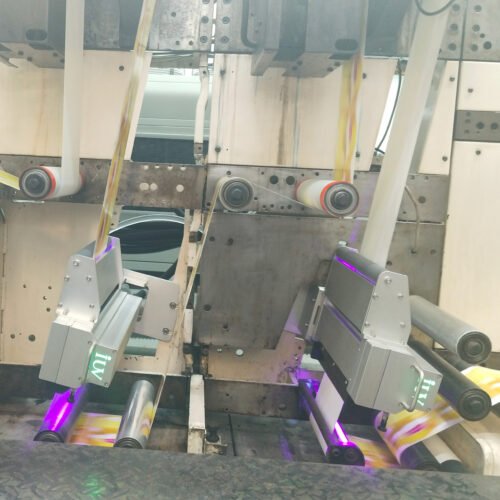
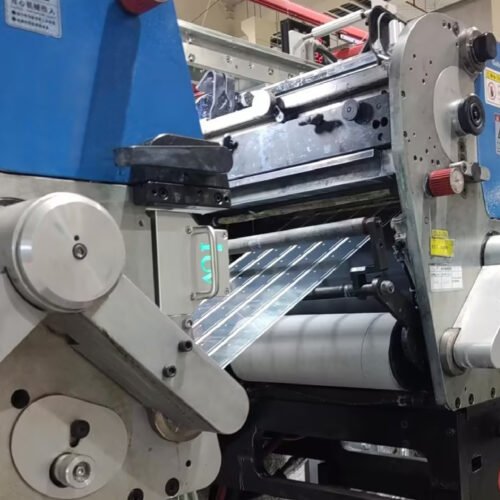
Authentic Cold-Cure LED-UV systems are engineered to emit a concentrated peak of ultraviolet light (commonly at 365nm, 385nm, or 395nm) with negligible IR output. The “cold” descriptor is literal; the radiative heat load on the material is drastically reduced. Advanced systems can limit temperature rise to under 10°C. This breakthrough means printers can now confidently run ultra-thin polyethylene (PE) films, polypropylene (PP), unsupported vinyl, and sensitive pressure-sensitive label stocks without fear of shrinkage, warping, or delamination. It redefines the boundaries of what is printable.
Targeted Applications: Solving Real-World Printing Challenges
The practical value of this technology materializes differently across each printing segment, directly addressing long-standing bottlenecks.
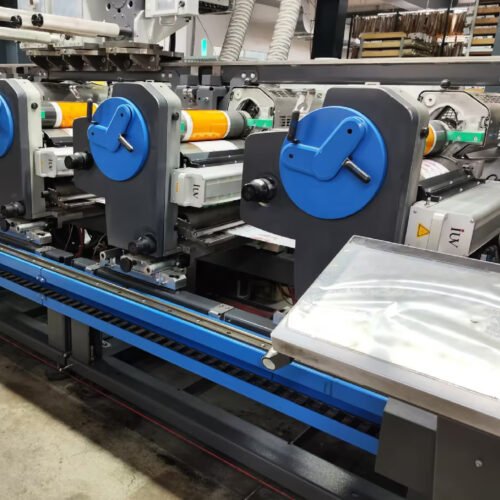
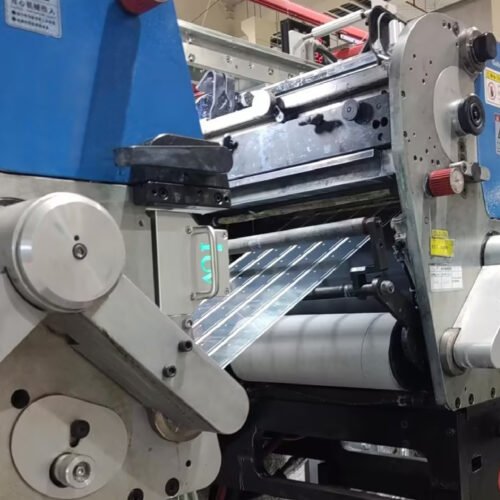
In narrow-web label printing, brands seek eye-catching designs on flexible packaging. Cold-Cure LED-UV makes printing on films as thin as 30 microns routine. It is indispensable for shrink sleeves, where heat would create a “memory” effect and ruin the final container shape. Perhaps most critically, it enables the safe and reliable curing of inks and coatings on temperature-sensitive medical and pharmaceutical labels, where material integrity and patient safety are paramount.
For flexographic packaging, compatibility extends to thicker ink layers and multi-material structures. Printing on pre-laminated composites is a classic challenge. The heat from a mercury lamp can reactivate the laminating adhesive, causing layers to separate. Cold-cure technology eliminates this risk entirely, allowing secure, high-quality printing on finished composite boards and films. It also permits the use of heavy ink deposits for achieving opacity on dark substrates without the bubbling or cracking caused by rapid thermal expansion and contraction.
In sheet-fed offset, the benefits are twofold. First, it unlocks the ability to print directly on plastic cards, synthetic papers, and foil-laminated boards that would warp under conventional UV or IR heat. Second, it facilitates the instant curing of demanding specialty coatings and varnishes. Printers can apply textured, soft-touch, or high-gloss finishes that cure immediately without compromising the underlying stock—a crucial capability for high-value commercial prints, luxury packaging, and premium book covers.
The Critical Synergy: Spectral Tuning and Ink Partnership
Material compatibility is not just about temperature; it is a precise synergy between light and chemistry. Early adoption hurdles often stemmed from using traditional UV inks, formulated for the broad spectrum of mercury lamps, under early LED wavelengths like 395nm.
Today’s best practice involves strategic collaboration. Leading Cold-Cure LED-UV systems often utilize 385nm or 365nm peak wavelengths. These shorter wavelengths offer deeper penetration and better activation of a wider range of photoinitiators found in modern “hybrid” or LED-optimized inks. The actionable advice for any printer is clear: partner closely with your ink supplier. Specify that you are implementing a cold-cure LED system and request formulations optimized for your target wavelength. Conduct thorough pre-production testing for adhesion, flexibility, and chemical resistance on your exact target substrate. This step is non-negotiable for ensuring flawless production runs.
Intelligent Control: The Engine for Consistent, Scalable Compatibility
True, reliable compatibility requires unwavering consistency. This is where intelligent, data-driven control systems become indispensable. Parameters like irradiance (peak power density) and UV dose (total energy delivered) must be precisely managed and repeatable for every job, on every material.
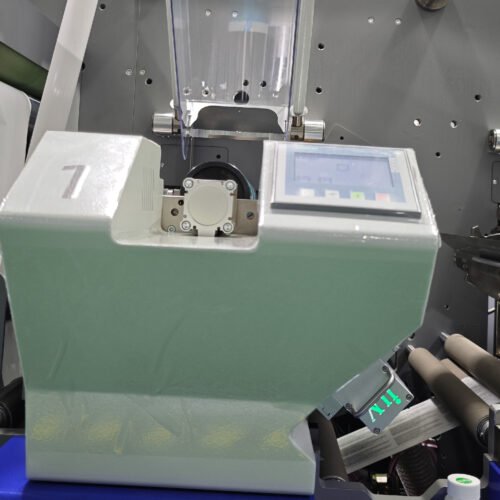
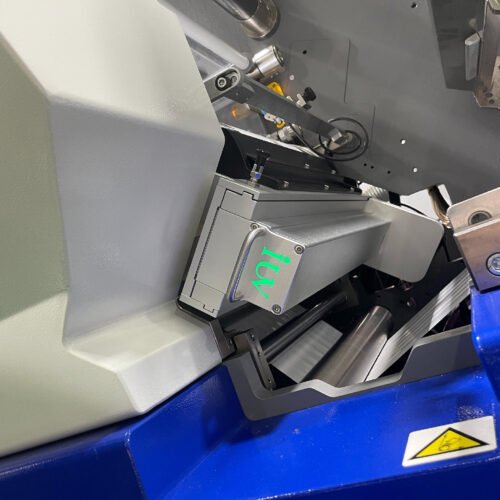
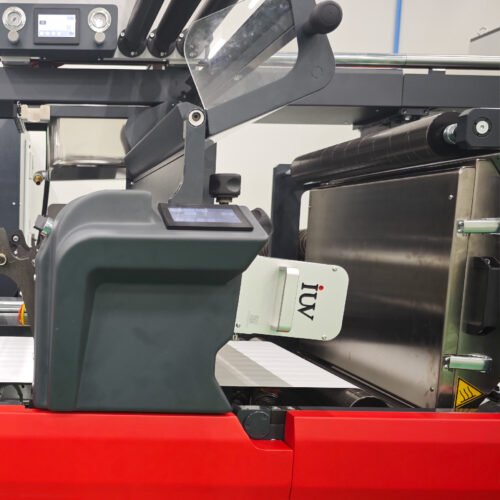
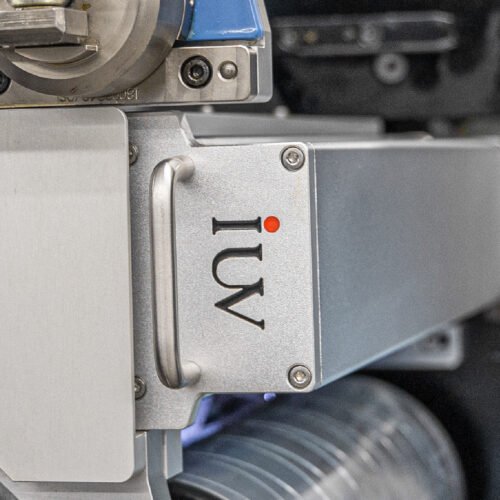
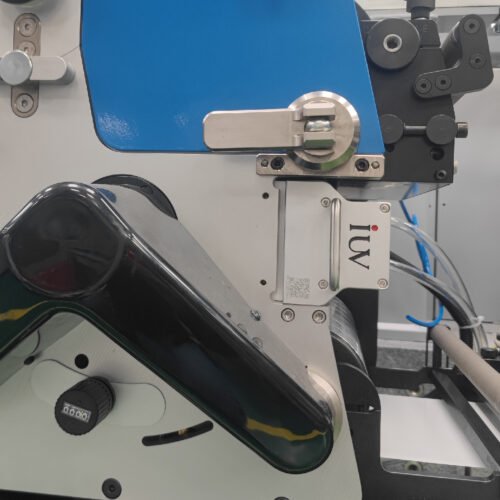
Advanced systems, such as those developed by IUV, automate this precision. They dynamically adjust UV power output in real-time based on live line speed data, ensuring the correct dose is delivered whether running at 100 m/min or 300 m/min. Features like automatic web-width detection are transformative for both compatibility and sustainability. The system activates only the LED arrays directly over the printed image, preventing unnecessary exposure and any potential edge-heating on sensitive raw substrate material.
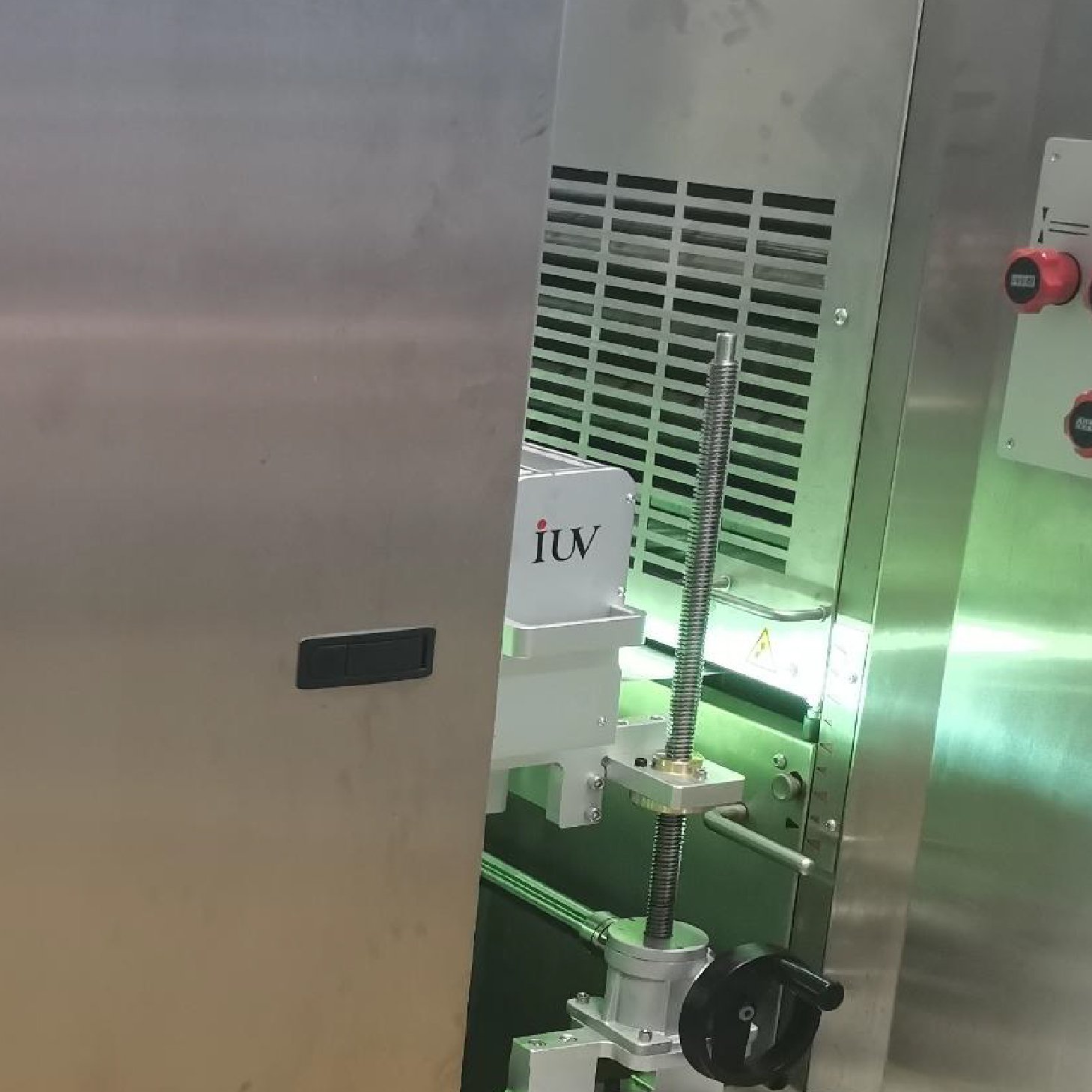
Furthermore, robust thermal management is foundational. Integrated cooling subsystems—combining efficient liquid cooling for the LED chipsets with targeted air flow—maintain optimal operating temperatures. This ensures stable light output over continuous, long production runs, guaranteeing that the first label and the ten-thousandth label receive identical, perfect curing on even the most delicate films.
A Strategic Pathway to Growth and Differentiation
Implementing Cold-Cure LED-UV technology is a strategic investment in business growth, not merely a technical upgrade. The journey begins with an honest assessment: identify the substrates you currently reject or the high-value markets you cannot serve. Then, collaborate with technology partners who demonstrate deep expertise in the interplay of optics, thermal dynamics, and print chemistry.
Evaluate systems based on verified spectral performance, thermal management design, and the sophistication of their control software. Consider the compelling long-term return on investment (ROI): the ability to win a broader range of high-margin work, the drastic reduction in spoilage from heat-related defects, and the significant savings in energy consumption. For example, comparative analyses show that switching from traditional mercury UV to intelligent LED-UV systems can reduce related energy costs by over 70%.
For the forward-thinking printer, material limitations are becoming a choice. By mastering Cold-Cure LED-UV technology, you transform your operation from a service constrained by substrates into a agile solutions provider. You gain the capability to confidently say “yes” to virtually any material challenge a client presents. In an industry fiercely competing on innovation, quality, and service, this expanded material compatibility is the ultimate competitive edge, paving the way for sustainable growth and market leadership.