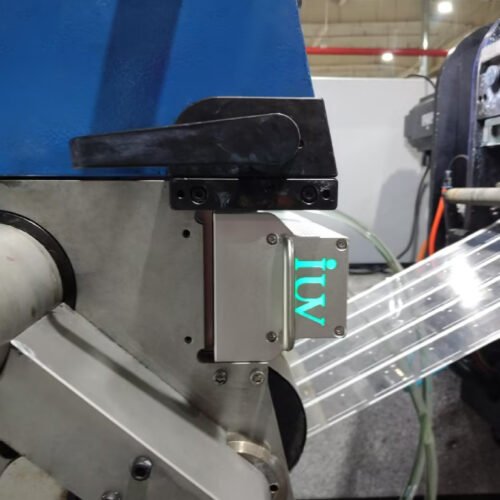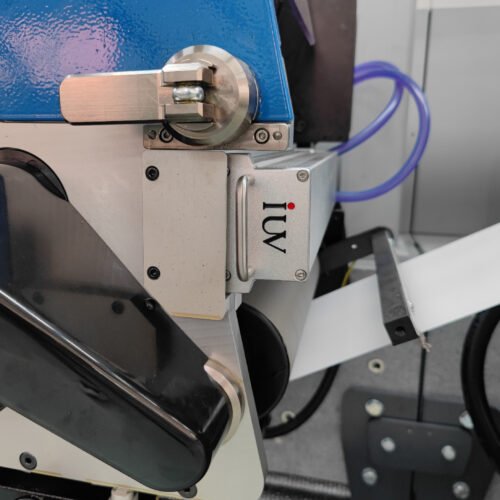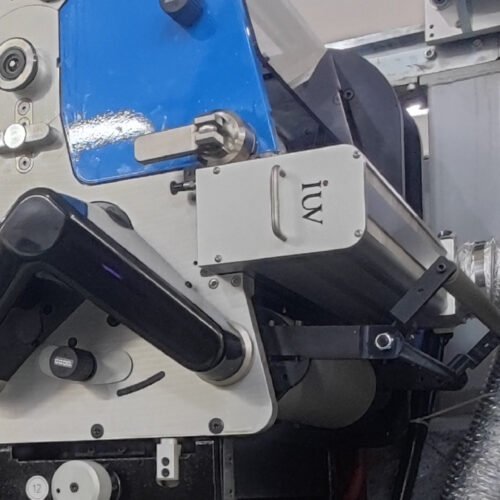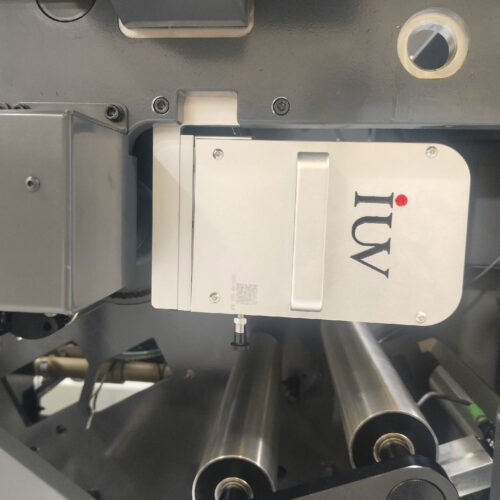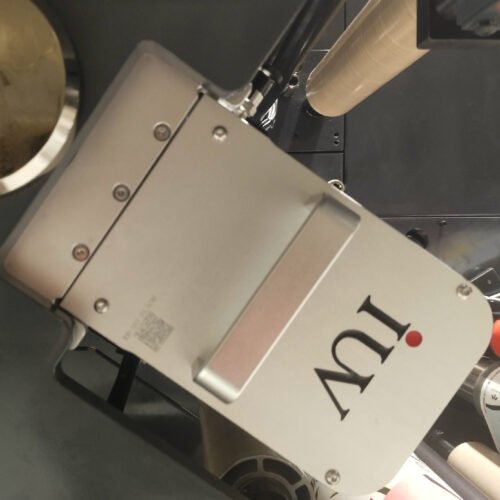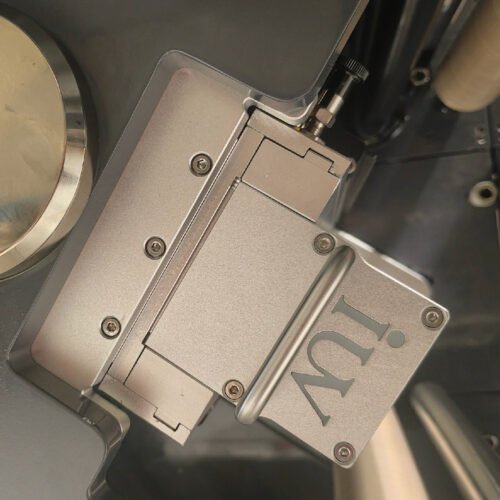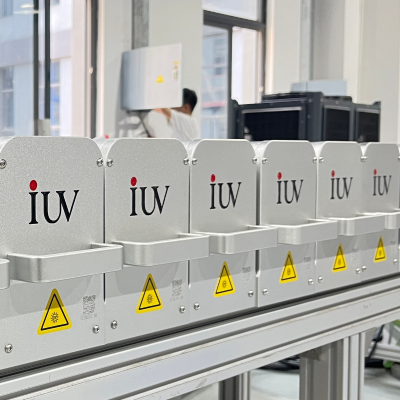
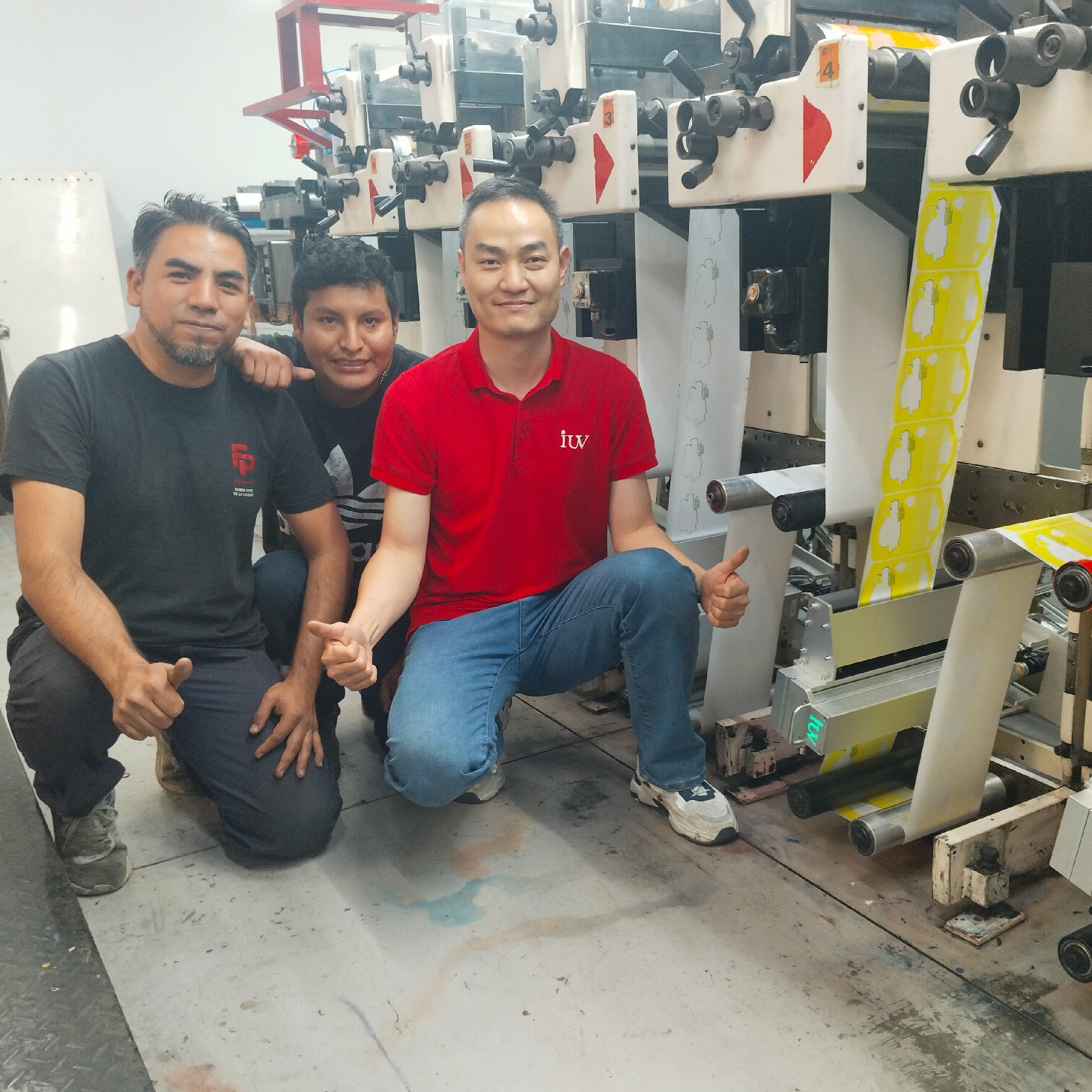
Retrofitting LED UV curing systems onto existing flexographic presses has become an increasingly common strategy for label printers aiming to improve production efficiency, reduce energy consumption, and expand the range of substrates and inks they can handle. Unlike a full press replacement, retrofitting involves integrating LED UV units into the existing press architecture while ensuring stable curing performance, minimal substrate distortion, and consistent print quality. Success in these projects requires a comprehensive engineering approach that considers optical design, thermal management, press mechanics, ink chemistry, and operational workflow.
Evaluating Press Compatibility and Layout Constraints
The first step in any retrofit project is assessing press compatibility. This includes measuring available space, verifying web path accessibility, and evaluating clearance around print stations. LED UV units typically have lower heat output and a smaller footprint than traditional mercury lamps, but physical installation still requires careful alignment to avoid interfering with existing anilox rollers, impression cylinders, chill rollers, and web handling systems.
Many retrofits must also consider the position of existing control panels, electrical circuits, and safety interlocks. Ensuring that LED UV units can be installed without major structural modifications reduces downtime and avoids costly mechanical changes. In narrow web flexographic presses, even a few millimeters of misalignment can result in uneven curing or shadowing effects.
Electrical and Power Requirements
LED UV retrofit projects require a detailed review of electrical capacity and distribution. LED UV arrays draw different currents than traditional mercury systems and often require constant current drivers to maintain irradiance consistency. Engineers must verify that existing power supplies can handle additional load or plan for dedicated circuits. Integration with press control systems is also essential to allow operators to adjust intensity, monitor performance, and trigger interlocks automatically.
In multi-station presses, careful zoning of power delivery can improve overall curing uniformity and prevent localized overheating of power drivers. Retrofitting without addressing electrical design may lead to flicker, inconsistent cure, or early failure of LEDs.
Optimizing Lamp Placement and Reflector Geometry
Curing uniformity depends heavily on the relative placement of LED arrays to the web and the geometry of reflectors or secondary optics. Retrofits should aim for a consistent distance from the substrate, with careful attention to lamp angle, height, and lateral coverage. This ensures even irradiance across the web width and minimizes hotspots that can cause substrate shrinkage or gloss inconsistencies.
Reflector geometry also influences energy delivery efficiency. Engineers often work with modular reflectors or diffusers to redistribute light and avoid localized over- or under-exposure. Proper placement is particularly critical in narrow web flexo presses where even minor irradiance variations can lead to under-cured areas on dense colors or coatings.
Thermal Management and Substrate Considerations
Even though LED UV systems emit less heat than traditional lamps, thermal management remains a critical engineering concern. Existing presses may have web tension, chill rollers, or drying zones calibrated for conventional curing. Introducing a new heat source—even a low-temperature one—can alter substrate behavior, leading to shrinkage, curling, or dimensional instability.
Retrofitting engineers often evaluate airflow patterns, heat sinks, and cooling rolls to maintain stable web temperatures. Materials such as PET, PP, or PE are particularly sensitive in narrow web configurations, and uneven heating can compromise ink adhesion or coating performance. Optimizing thermal profiles ensures that the substrate remains flat and that energy delivery is uniform.
Integrating with Existing Ink and Coating Systems
LED UV curing requires ink and coating formulations compatible with the spectral output of the lamps. Retrofitting a press often entails reviewing existing inks, varnishes, or laminates to ensure they crosslink properly under LED wavelengths. Some inks designed for mercury UV may not cure efficiently with LEDs, particularly in thicker deposits or opaque whites.
Process engineers should collaborate with ink suppliers to confirm recommended exposure doses, ink rheology, and adhesion characteristics. Matching film thickness, ink viscosity, and anilox volume is essential to avoid incomplete cure, surface tack, or delamination. Integration of LED curing into the existing press workflow must balance throughput with adequate polymerization time.
Web Handling and Tension Control
Web handling is one of the most overlooked factors in retrofitting. LED UV curing can expose hidden weaknesses in tension control, roller alignment, and substrate stability. Web flutter, edge wandering, or misalignment can cause uneven curing, gloss variation, or edge defects.
Engineers often install tension monitoring systems, additional chill rollers, or stabilizing guides to ensure consistent contact with the curing lamp. In narrow web flexo presses, precise control is particularly important because minor variations across the web width can affect multiple labels simultaneously.
Safety and Operational Considerations
Safety remains a top priority when retrofitting LED UV systems. Although LEDs emit less heat and lack the hazardous mercury of traditional lamps, they produce intense ultraviolet light that can be harmful to eyes and skin. Engineering designs should incorporate interlocks, shielding, and operator training to prevent exposure.
Operational considerations include maintaining easy access for lamp maintenance, module replacement, and optical cleaning. Press operators must understand how LED intensity, dwell time, and lamp position affect cure consistency. Clear documentation and training are essential to avoid mistakes that could compromise print quality or safety.
Performance Verification and Calibration
Once installed, retrofitted LED UV units require thorough performance verification. This includes measuring irradiance uniformity across the web, validating cure depth, and confirming adhesion and gloss characteristics. Engineers may use radiometers, dosimeters, or test prints to calibrate the system and ensure that energy delivery matches production requirements.
Regular monitoring is recommended to maintain curing stability over time. In multi-station configurations, each LED module may behave differently due to optical alignment or aging effects. Implementing a standardized measurement routine reduces variability and ensures predictable print quality.
Case Study: Narrow Web Label Presses
In practice, many label printers have successfully retrofitted existing narrow web presses with LED UV modules. Integration with mechanical partners like Nilpeter enables precise placement and minimal disruption to the press. Retrofitting allows operators to expand their substrate range, reduce thermal stress on sensitive materials, and increase uptime by eliminating warm-up cycles and lamp replacement downtime.
Experience shows that retrofits are most successful when the project addresses electrical, mechanical, thermal, optical, and ink system considerations together. Neglecting any one factor can compromise curing uniformity, adhesion, or surface quality.
Conclusion
Retrofitting LED UV curing systems onto existing flexo presses is a complex but highly rewarding engineering project. Achieving optimal curing performance requires a holistic approach encompassing lamp placement, optical design, thermal management, web handling, electrical integration, and ink compatibility. Narrow web label presses are particularly sensitive to these factors, and proper engineering ensures consistent adhesion, uniform gloss, and stable production. By systematically addressing each variable, printers can modernize existing equipment, improve process control, and expand their capability with LED UV technology.