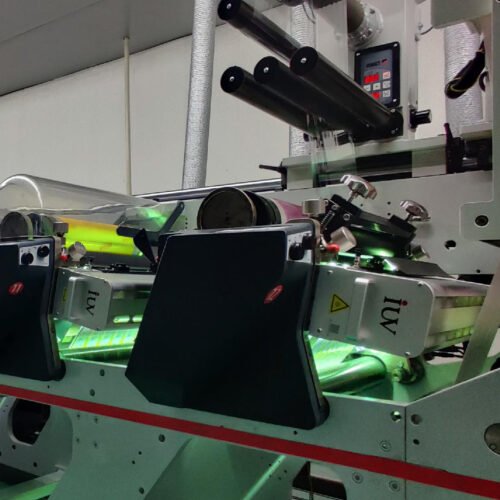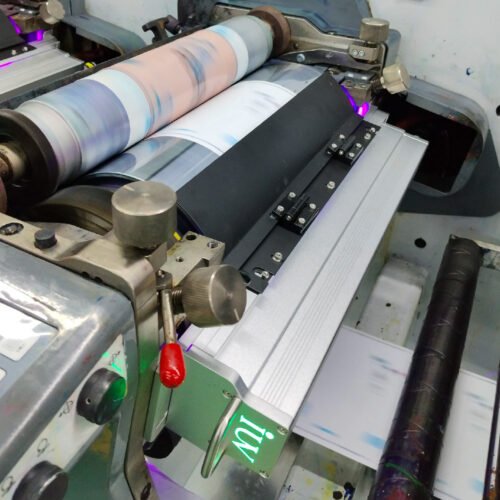
Achieving consistent ink curing in narrow web LED UV flexo presses is a critical factor in maintaining high print quality and production efficiency. Variability in curing across the web can result in uneven gloss, ink adhesion issues, and compromised durability of labels, particularly when using low migration or specialty inks designed for food contact or sensitive applications. The root causes of uneven curing are often multifactorial, involving both the UV system and press configuration, as well as the interaction between ink formulation and substrate characteristics.
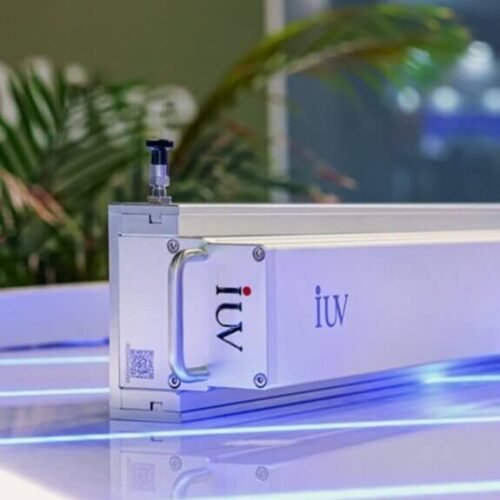
One of the primary considerations in optimizing curing uniformity is the spectral match between the LED emitters and the ink photoinitiators. Insufficient overlap can lead to partial polymerization in certain ink zones, manifesting as sticky or under-cured areas. Equally important is the optical and thermal design of the LED modules, as non-uniform irradiance profiles across the web width can exacerbate localized under- or over-curing. Engineers must evaluate reflector geometry, lens alignment, and the spacing between LEDs and the substrate, as well as consider the impact of multiple lamp banks in tandem to achieve a homogeneous energy distribution.
Substrate variability also plays a significant role in curing behavior. Differences in coating, porosity, or moisture content can affect light absorption and heat dissipation, resulting in variations in ink crosslinking. High-performance narrow web presses often run at high speeds, amplifying the impact of even small substrate inconsistencies. Process engineers must therefore consider pre-treatment procedures and ink-substrate compatibility during both the design and retrofitting stages of LED UV integration.
Thermal management is another critical element in achieving uniform curing. LED UV systems generate localized heat, which can influence ink viscosity, substrate expansion, and press component stability. Proper heat sinking, forced-air cooling, and monitoring of press surface temperatures are necessary to maintain consistent curing conditions, particularly when retrofitting existing flexo presses that were originally designed for conventional mercury or metal halide UV lamps. Improper thermal control can lead to uneven polymerization, press downtime, and increased maintenance requirements.
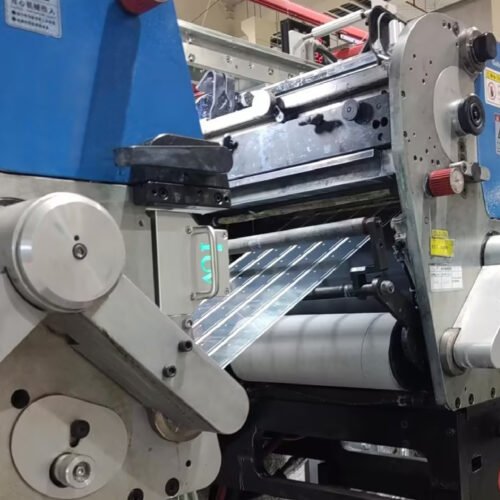
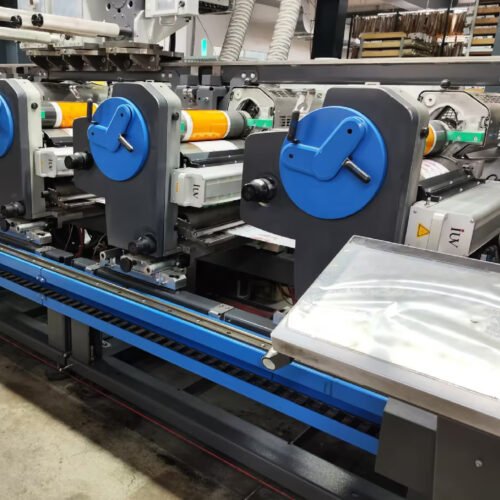
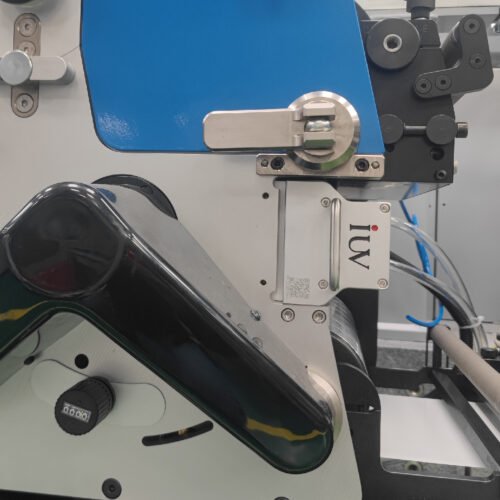
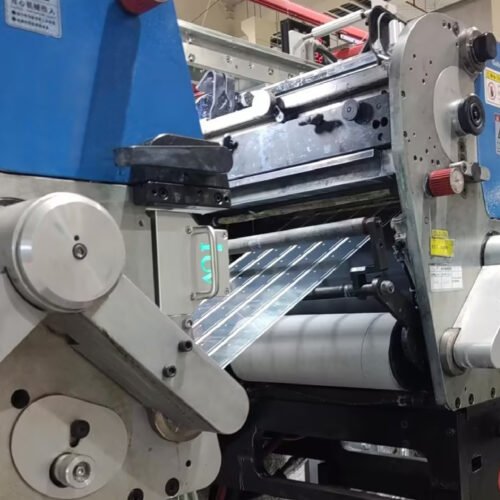
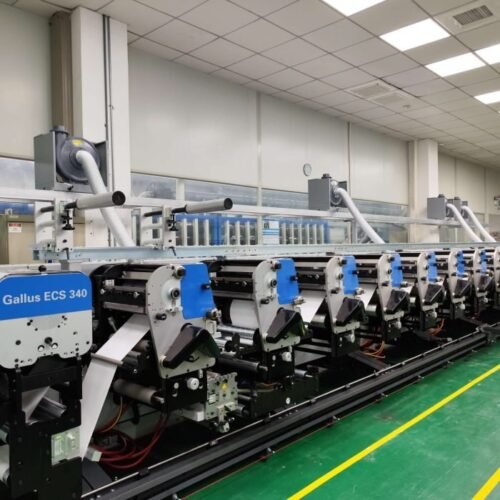
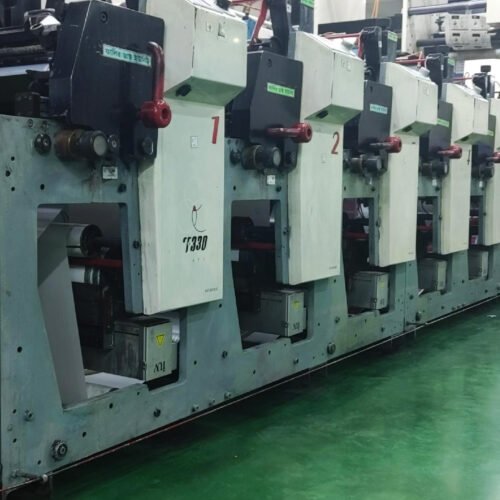
Retrofit integration of LED UV systems introduces additional considerations, including lamp positioning, web tension, and press nip configuration. Achieving consistent curing across multiple color stations requires precise alignment and synchronization of LED banks, as well as careful calibration of lamp power and exposure time relative to the substrate and ink type. Any mechanical variations in the press, such as slight deviations in cylinder diameter or impression roll pressure, can directly impact curing uniformity and must be addressed during system commissioning and routine maintenance.
From a production standpoint, achieving uniform curing has direct implications on operational efficiency. Inadequate curing can necessitate slower press speeds, increased post-curing, or higher ink consumption, while over-curing can lead to substrate distortion, excessive gloss variation, or brittleness in flexible packaging labels. Implementing real-time monitoring of curing performance, through in-line sensors or offline testing of adhesion and hardness, allows engineers to make data-driven adjustments and maintain optimal process stability.
Ultimately, optimization of ink curing uniformity in narrow web LED UV flexo presses requires a holistic approach that considers the interplay between LED system design, ink chemistry, substrate characteristics, thermal management, and press mechanics. By addressing these factors systematically, engineers can improve product quality, reduce waste, and maintain consistent performance across varying production conditions, ensuring that narrow web operations meet both technical and regulatory requirements.