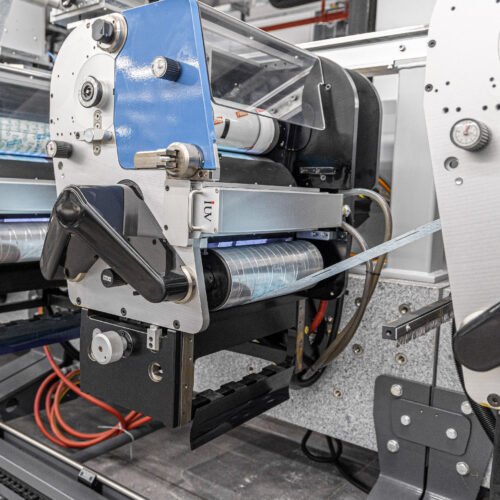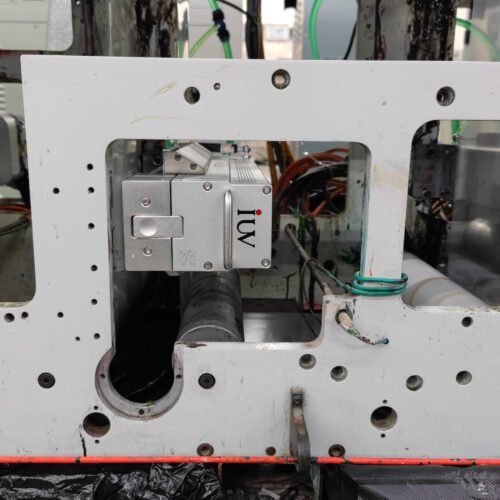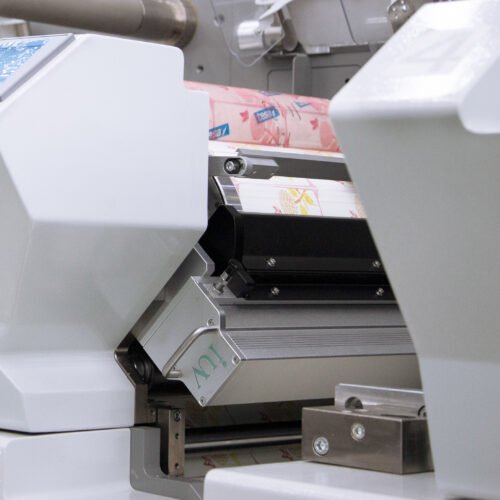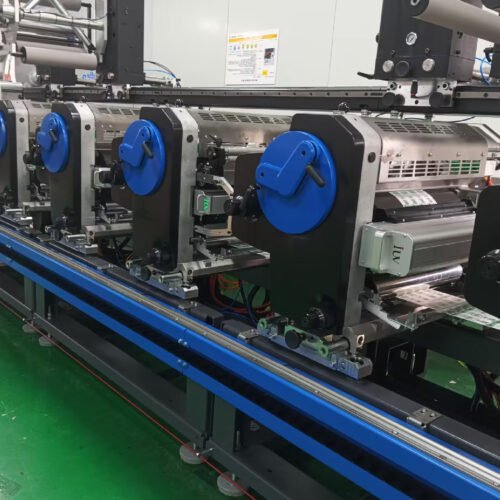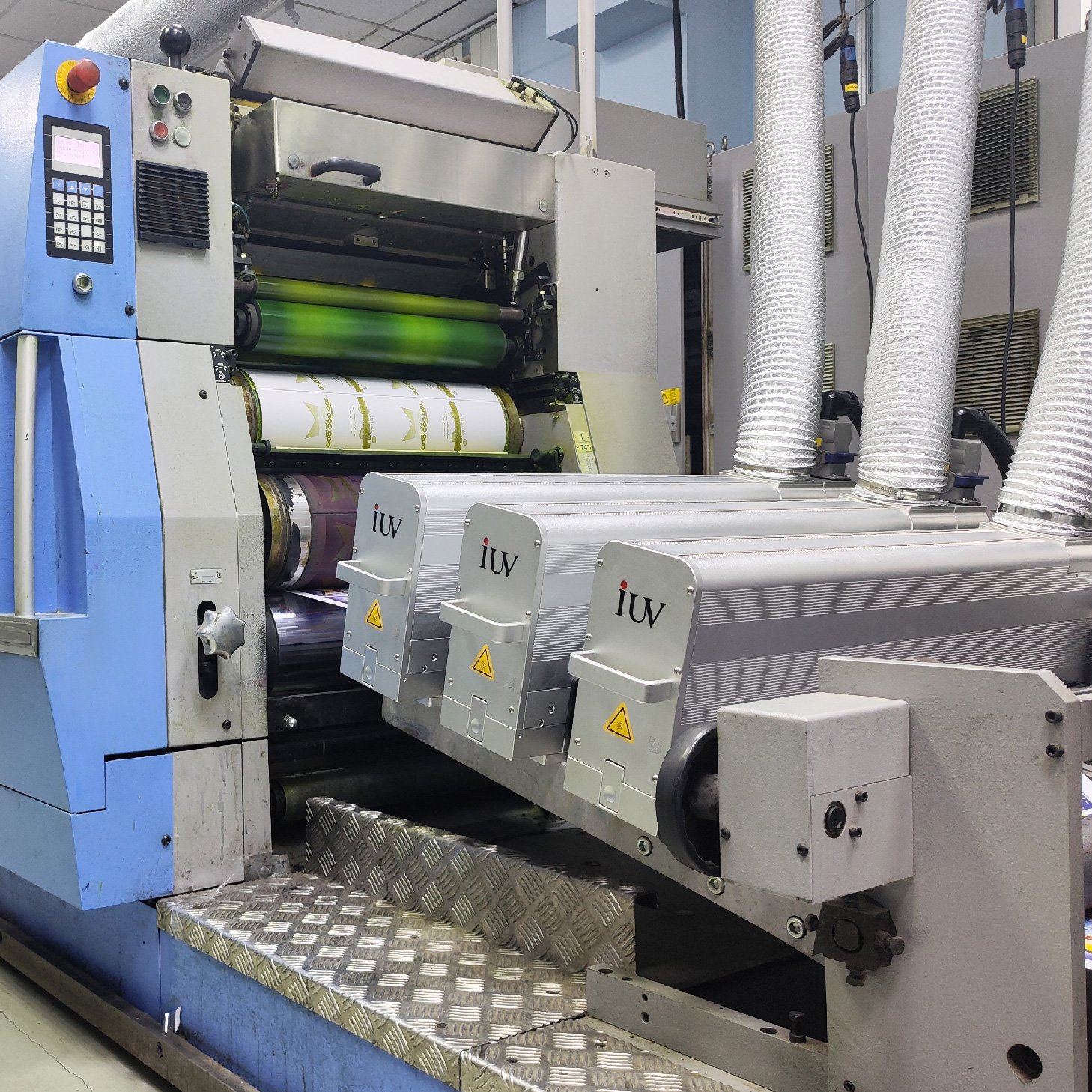
The printing industry is in a constant state of evolution. One of the most significant shifts we’re witnessing is the widespread adoption of UV curing systems. This transition from traditional solvent-based inks to UV-curable inks offers a wealth of benefits for printers across various sectors, from label production to narrow web applications. Understanding these advantages is key to staying competitive and delivering superior results.
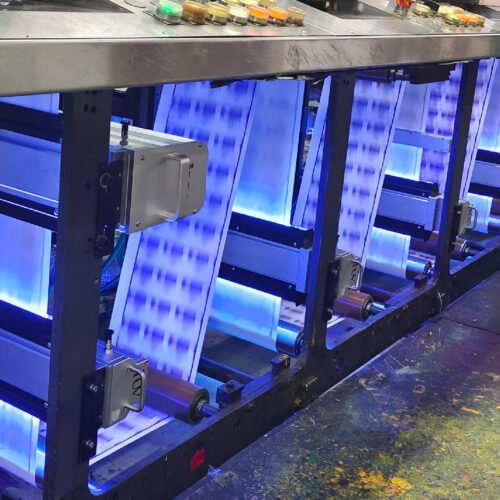
UV curing technology harnesses the power of ultraviolet light to instantly dry or cure inks and coatings. Unlike solvent inks, which rely on evaporation to dry, UV inks contain photoinitiators. When exposed to UV light, these photoinitiators trigger a rapid chemical reaction, transforming the liquid ink into a solid, durable film. This process is remarkably fast, often taking mere seconds or even fractions of a second.
Why the Shift? The Compelling Advantages of UV Inks
The move towards UV curing isn’t just a trend; it’s a strategic decision driven by tangible benefits. For label printers, the ability to achieve vibrant, scratch-resistant finishes is paramount. UV inks excel at this, providing excellent color saturation and a high gloss or matte finish that truly makes labels pop. This enhanced aesthetic appeal is crucial in a market where visual impact directly influences consumer purchasing decisions.
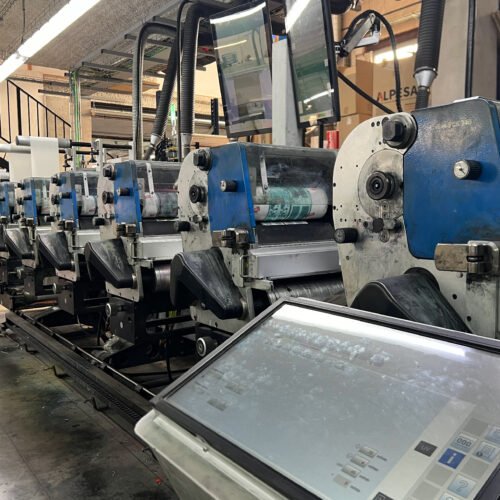
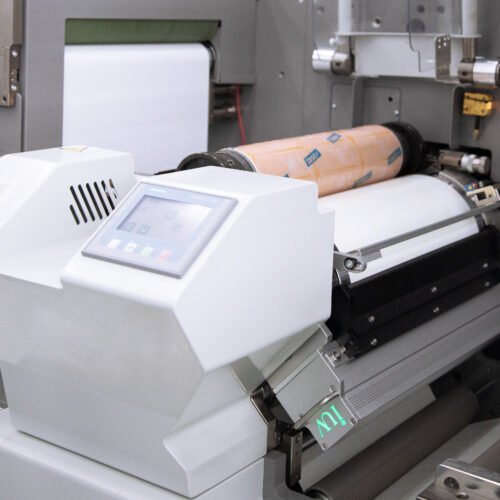
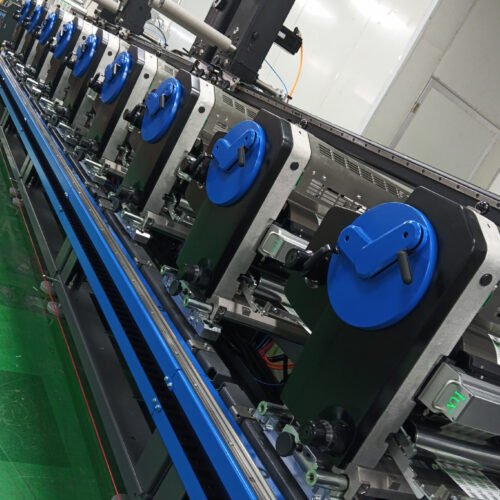
In the realm of flexographic printing, particularly for narrow web applications like packaging and labels, UV curing offers significant advantages. The speed of UV drying allows for faster press speeds, directly translating to increased productivity and throughput. This means more labels or packaging components can be produced in the same amount of time, boosting operational efficiency and profitability. Furthermore, the instant drying nature of UV inks reduces the risk of ink smudging or offsetting, leading to cleaner prints and fewer production errors.
Offset printing, traditionally known for its quality and versatility, also benefits immensely from UV curing. UV offset inks provide immediate drying on the substrate, eliminating the need for extensive drying times or anti-offset powders. This not only speeds up the finishing process but also contributes to a cleaner print environment by reducing airborne particles. The result is sharper images, more consistent color reproduction, and a more efficient workflow.
The Technology Behind the Brilliance: LED UV vs. Traditional UV Lamps
Within the landscape of UV curing, a notable advancement is the rise of LED UV technology. Traditionally, UV curing relied on mercury vapor lamps. While effective, these lamps generate significant heat, consume more energy, and have a shorter lifespan. They also emit a broader spectrum of UV light, which can sometimes be detrimental to heat-sensitive substrates.
LED UV curing systems, on the other hand, offer a more energy-efficient and environmentally friendly alternative. LEDs emit a very specific wavelength of UV light, precisely tailored to cure the ink formulation. This targeted approach results in faster, more efficient curing. Furthermore, LEDs produce very little heat, making them ideal for printing on a wide range of delicate materials, including thin films and certain plastics, without causing distortion or damage.
The reduced heat output also means less strain on the printing press and the surrounding environment. Energy consumption is significantly lower compared to mercury vapor lamps, leading to substantial cost savings on electricity bills. The lifespan of LED lamps is also considerably longer, reducing maintenance downtime and the frequency of bulb replacements, further enhancing the overall cost-effectiveness of the system.
Addressing the Transition: Overcoming Hurdles and Embracing Opportunities
The transition from solvent inks to UV inks might seem daunting, but the benefits far outweigh the initial challenges. One of the primary concerns often revolves around ink costs. While UV inks may have a higher upfront price point per liter, their efficient transfer rates and the elimination of VOCs (Volatile Organic Compounds) often lead to overall cost savings. Solvent inks also require expensive ventilation and disposal systems due to their volatile nature. UV inks, being virtually VOC-free, significantly reduce or eliminate these compliance costs and environmental burdens.
Another aspect to consider is substrate compatibility. While solvent inks can penetrate and bond with porous substrates, UV inks cure on the surface. This means careful selection of UV ink formulations and an understanding of the substrate’s surface energy are important for optimal adhesion. However, advancements in UV ink technology have led to formulations that adhere excellently to a vast array of materials, including plastics, foils, and coated papers, commonly used in narrow web printing.
For printers involved in flexography and offset printing, embracing UV curing opens up new markets and enhances their ability to meet customer demands. The ability to print on non-absorbent materials, achieve faster turnaround times, and produce durable, high-quality graphics is a significant competitive advantage. This technology empowers businesses to offer innovative solutions and stand out in a crowded marketplace.
The Future is Bright (and Cured): A Look Ahead
The continued development of UV curing technology, particularly LED UV, promises even greater efficiencies and capabilities for the printing industry. As ink manufacturers develop new formulations optimized for specific LED wavelengths, printers can expect even faster curing speeds and enhanced performance characteristics. The environmental benefits, coupled with the economic advantages of increased productivity and reduced waste, make UV curing an undeniable choice for the future of printing.
For label printers, flexographic operations, offset printers, and those in narrow web printing, the message is clear: the transition to UV curing systems is not just about adopting new technology; it’s about embracing a smarter, more efficient, and more sustainable way of printing. By understanding the nuances of UV curing and leveraging the power of LED technology, printers can position themselves at the forefront of innovation, delivering exceptional quality and value to their clients. The future of print is, indeed, illuminated by UV.