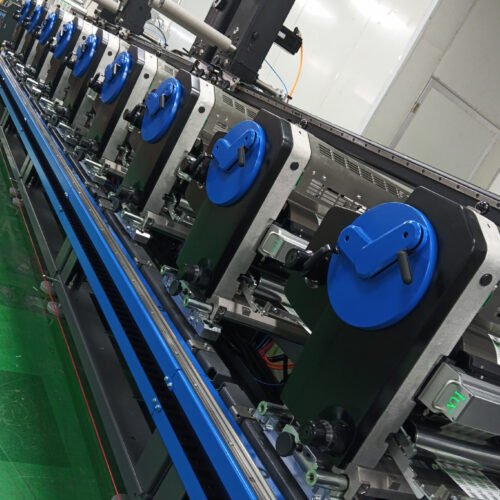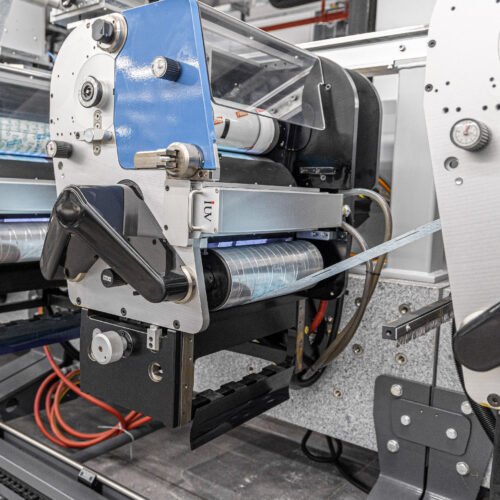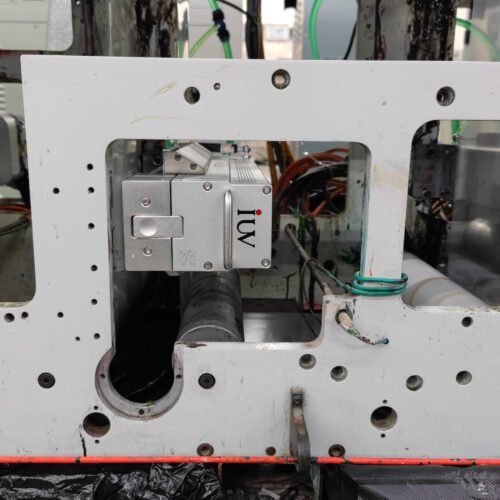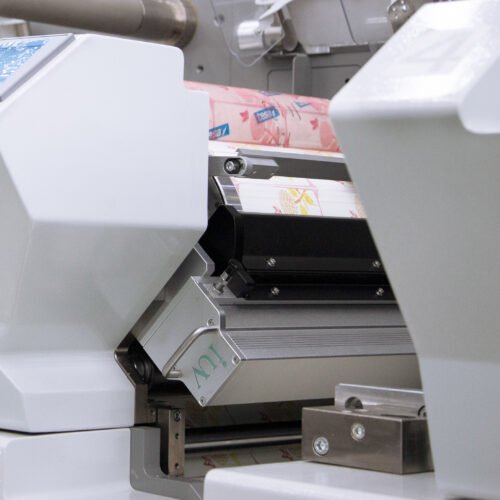
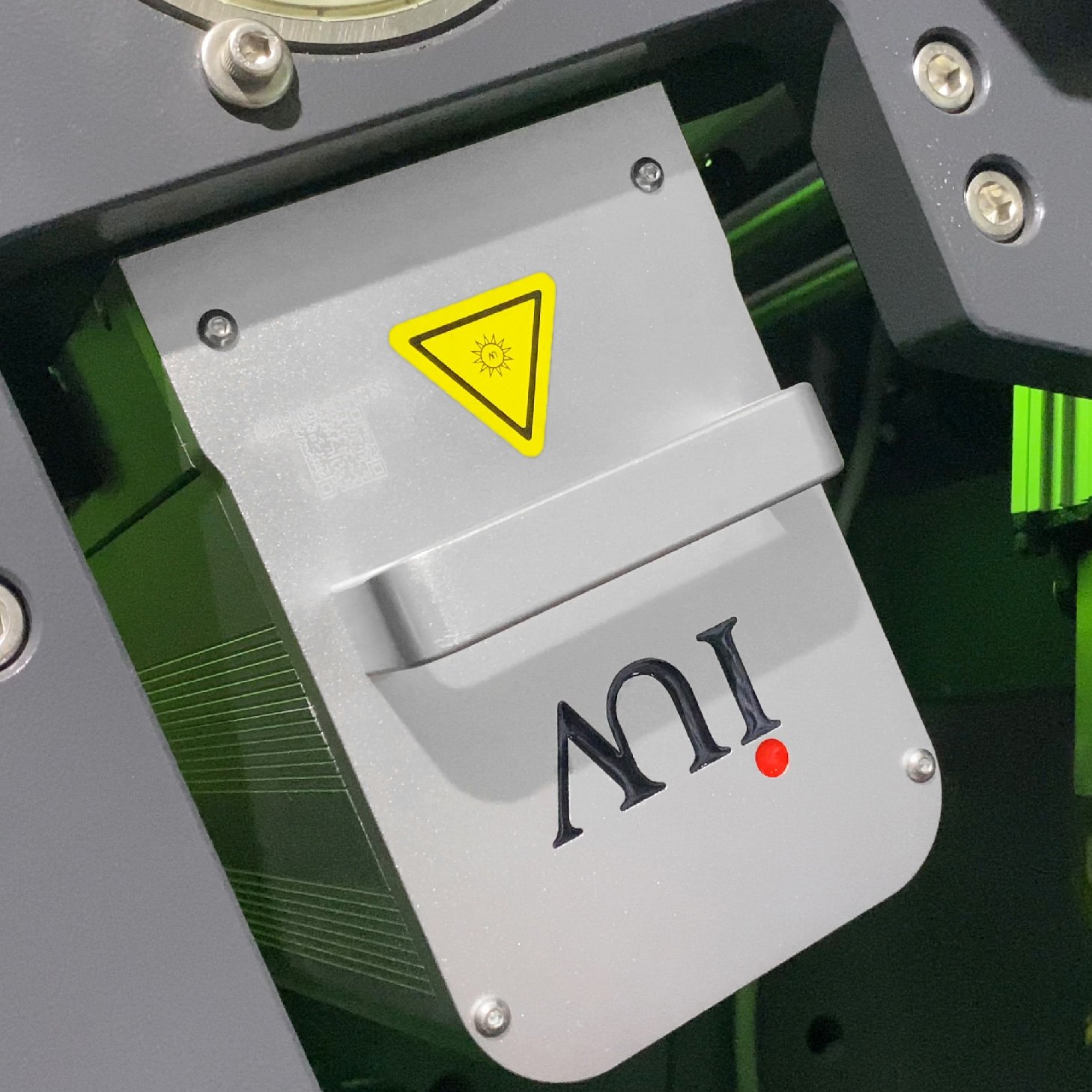
LED curing systems have revolutionized printing during the past decade, offering faster processing times, reduced energy consumption, and environmentally friendly operation. These systems are particularly vital in applications like label printing, flexography, plate-making, and narrow-web printing, where precise and efficient curing of inks and coatings is essential. Despite their advantages, LED UV curing units can encounter problems that impact print quality, process efficiency, and equipment longevity. This guide explores common issues faced with LED curing in different printing sectors and provides practical solutions to troubleshoot and optimize performance.
Understanding LED UV Curing in Printing
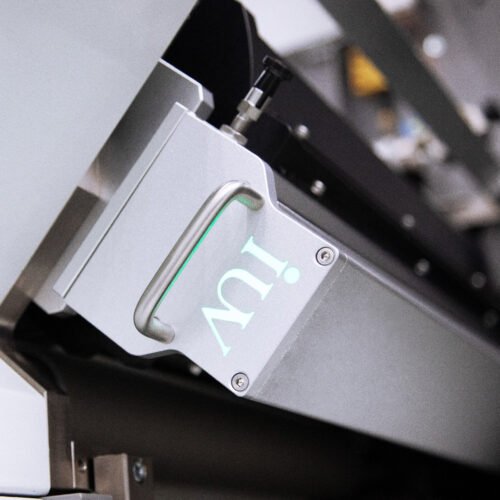
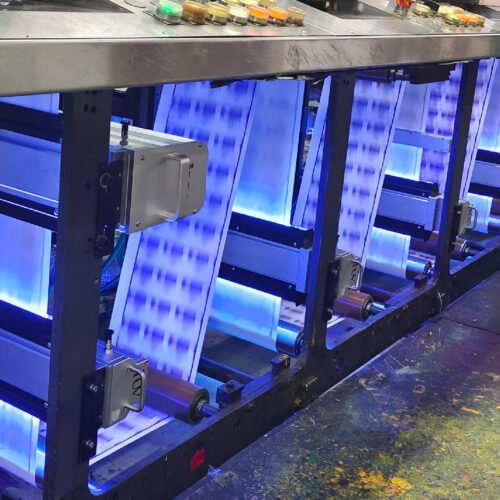
LED UV curing technology uses ultraviolet light-emitting diodes to quickly and efficiently cure inks, coatings, and adhesives. Unlike traditional mercury vapor lamps, LEDs emit narrow-band UV light, which is more energy-efficient and generates less heat. This makes them ideal for delicate substrates in label and flexible packaging printing. LED curing units are often designed for specific applications like flexographic presses, narrow-web presses, or label printers, ensuring precise energy delivery tailored to the process.
Common Issues in LED Curing Systems
1. Inconsistent Curing or Under-Curing
One of the most prevalent issues is insufficient or uneven curing, leading to issues such as tackiness, smudging, or poor adhesion. This problem often stems from:
- Low irradiance output due to LED aging or malfunction
- Incorrect distance between LED modules and printed substrate
- Insufficient dwell time or exposure energy
- Contaminated or degraded reflective surfaces
Fixes:
- Regularly calibrate and maintain the LED modules, replacing aging LEDs.
- Adjust the LED head distance to optimize energy transfer without causing overheating.
- Increase exposure time or energy dosage for difficult substrates.
- Clean reflectors and lenses to ensure maximum light transmission.
2. Overcuring and Embrittlement
Overexposure to UV light can cause inks and coatings to become brittle, peel, or discolor. This often results from excessive energy settings or prolonged exposure times.
Fixes:
- Fine-tune curing parameters, reducing energy levels when high UV doses aren’t necessary.
- Use UV sensors to monitor real-time irradiance and auto-adjust the output.
- Select inks and coatings formulated for LED UV systems, which tend to be less prone to embrittlement.
3. Equipment Overheating
Though LED systems generate less heat than traditional lamps, excessive heat can still damage components or distort substrates.
Fixes:
- Ensure proper airflow and cooling systems are functional.
- Avoid operating the LED modules at maximum capacity continuously.
- Implement intermittent curing modes or short duty cycles to reduce heat buildup.
4. Blocked or Damaged LEDs
LED failure manifests as dark spots or uneven UV coverage, affecting print consistency and quality.
Fixes:
- Schedule routine inspections to identify defective modules early.
- Replace damaged LEDs or entire LED arrays promptly.
- Use high-quality LED components and reputable suppliers to reduce failure rates.
Optimizing LED Curing for Different Printing Technologies
Label Printing and Narrow Web Printing
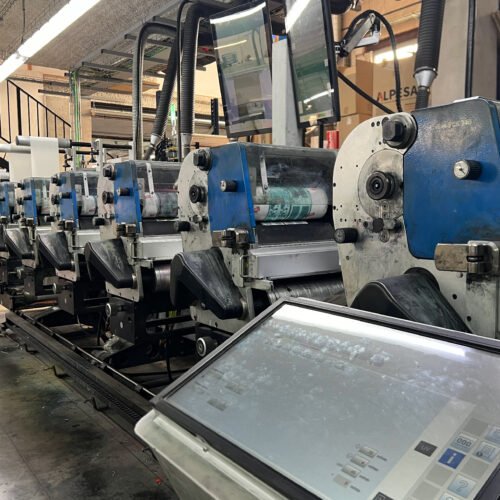
In label and narrow-web applications, detailed designs require precise curing. Excessive energy can cause distortion or inhibit proper adhesion. Conversely, insufficient curing results in poor durability.
Tips:
- Use integrated UV sensors for real-time monitoring.
- Maintain optimal distance between LED heads and printed substrates.
- Adjust curing intensity based on ink type and substrate material.
Flexography and Plate Marking
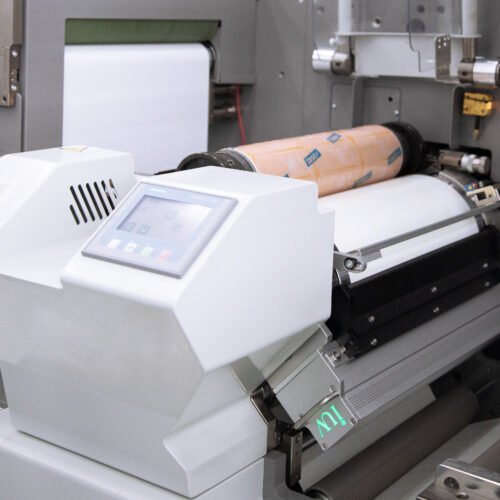
Flexo printing demands consistent curing to prevent plate washout and ensure color sharpness. Damaged LEDs can result in inconsistent ink coverage or print defects.
Tips:
- Regularly inspect LED alignment and condition.
- Maintain clean printing environments to prevent dust buildup on optical components.
- Fine-tune energy dosage for different inks and substrates to prevent over- or under-curing.
UV Curing in Plate-Making
Curing in plate-making environments relies heavily on reliable UV sources. Any disruption can affect plate quality and imaging accuracy.
Tips:
- Regularly calibrate UV intensity and wavelength distribution.
- Replace aging LEDs to prevent uneven exposure and plate flaws.
- Maintain consistent process parameters for best results.
Tips for Maintaining and Enhancing LED UV Curing Systems
- Routine Maintenance: Schedule regular cleaning of reflectors, lenses, and cooling components. Dust and debris can significantly diminish UV output.
- System Calibration: Use UV radiometers and sensors to measure irradiance regularly, ensuring output remains within specified parameters.
- Component Monitoring: Keep track of LED lifespan indicators and replace components proactively before failure impacts production.
- Process Adjustment: Continuously review curing parameters relative to ink and substrate changes, optimizing energy exposure accordingly.
- Training and Documentation: Ensure operators are trained on system-specific parameters and troubleshooting procedures. Keep detailed records for predictive maintenance.
Future Trends in LED UV Curing
As LED technology continues to develop, expect enhancements like higher output LEDs, smarter sensor integrations, and more customizable curing profiles. These innovations aim to reduce downtime, improve print quality, and expand application versatility across more substrates and printing processes.
Final Thoughts
LED curing systems are a powerful tool within modern printing operations, especially for demanding label, flexo, and narrow-web applications. While they offer numerous benefits, understanding their limitations and common issues is key to maintaining optimal performance. Regular troubleshooting, calibration, and system upgrades ensure reliable operation and high-quality output, keeping your production line running smoothly. Embrace proactive maintenance and stay updated with the latest advancements to maximize your LED UV curing system’s potential in your printing environment.