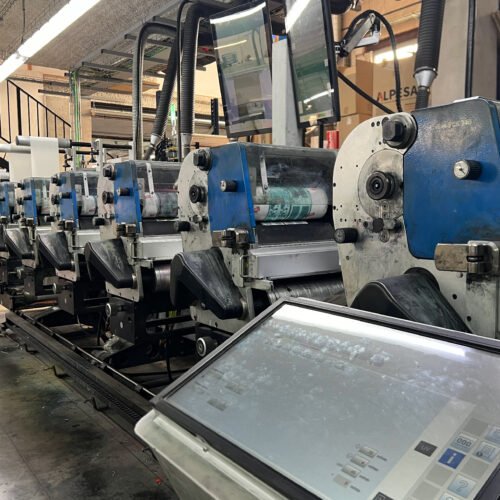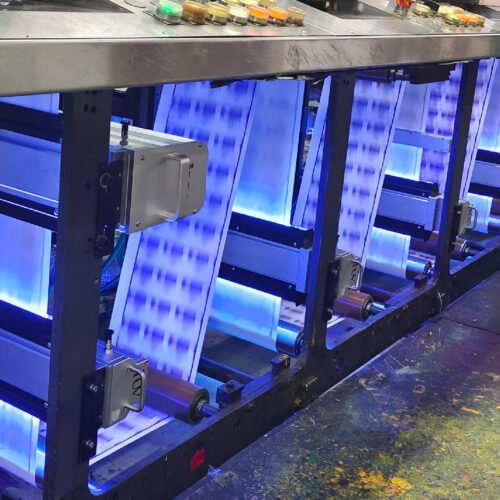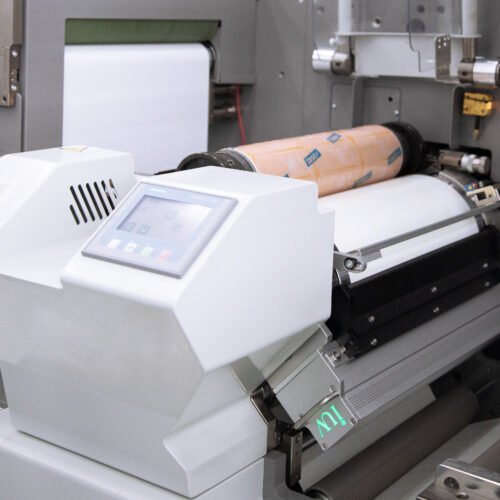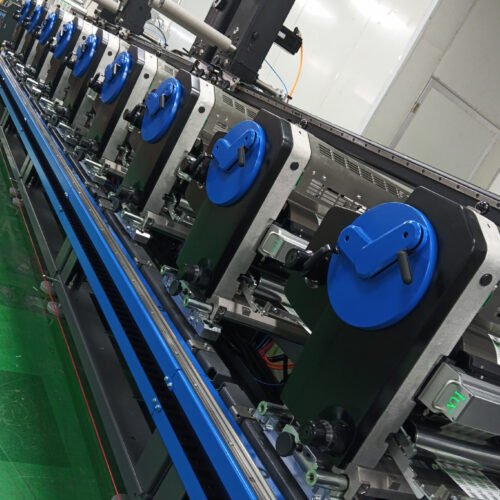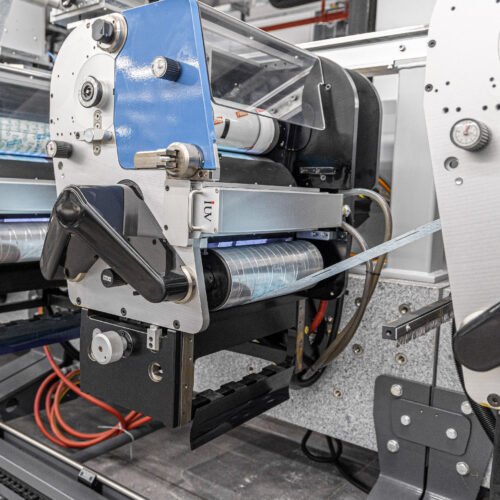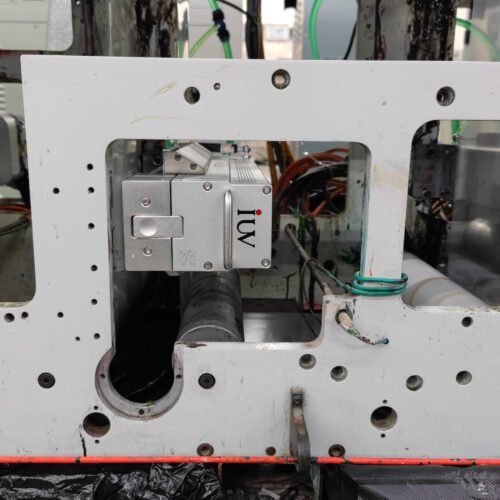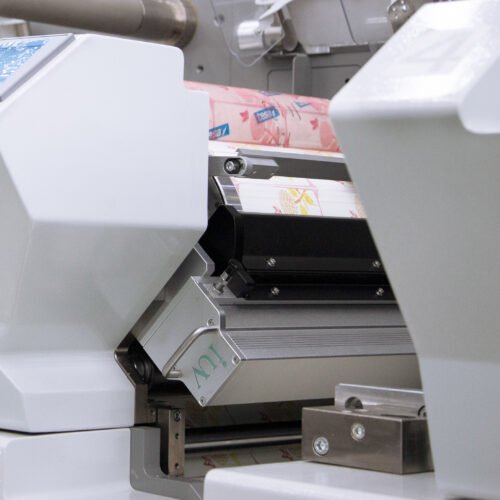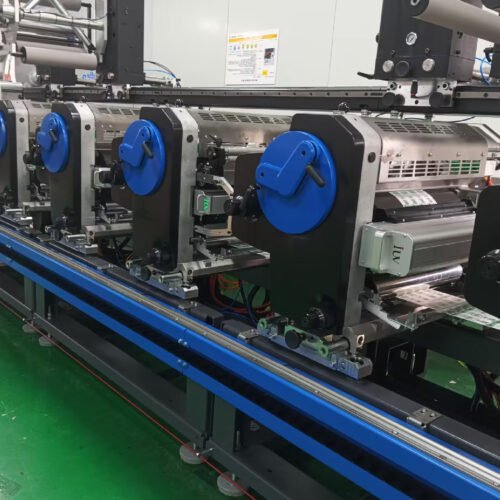
In the fast-evolving world of printing technology, UV curing systems stand out as game-changers, especially within the realm of various printing processes such as flexographic, letterpress, and narrow-width printing. Innovations in UV curing are revolutionizing how images and designs are produced, enhancing productivity, quality, and environmental sustainability. As the industry advances, understanding these cutting-edge developments becomes essential for printers aiming to stay ahead in a competitive market.
The Rise of LED UV Curing Technology
One of the most significant breakthroughs in recent years is the adoption of LED UV curing systems. Unlike traditional mercury-vapor lamps, LED UV systems generate high-intensity UV light with lower energy consumption and a much longer lifespan. This shift offers multiple advantages, including reduced operational costs and decreased downtime for lamp replacements.
LED UV systems deliver instant on/off capabilities, enabling printers to start and stop curing processes quickly, which is highly advantageous for short-run and variable data printing. Moreover, they produce less heat, making them suitable for delicate substrates such as flexible films, vinyls, and thin cartons. This non-heat approach minimizes distortion and warping, reducing waste and rework.
Enhanced Curing Efficiency and Color Accuracy
Innovations in UV curing systems also include improvements in curing speed and color fidelity. Advanced UV LED modules can cure inks and coatings almost instantaneously, allowing higher production speeds without sacrificing quality. In the context of label printing—especially during the production of complex, multi-color labels—this rapid curing preserves vibrant colors and sharp details, meeting stringent industry standards.
Furthermore, modern UV curing systems employ sophisticated sensor technology to monitor and adjust curing parameters in real time. This ensures consistent ink adhesion, prevents undercuring or overcuring, and maintains color accuracy across large print runs.
Flexo and Letterpress Printing: UV Curing’s New Frontier
Flexographic printing, widely used for packaging and labels, benefits greatly from UV curing enhancements. UV-curable inks offer excellent adhesion to a variety of substrates, including polypropylene, polyethylene, and other plastics. The ability to instantly cure prevents smudges, reduces print defects, and speeds up overall production cycles.
Similarly, letterpress and traditional relief printing have embraced UV curing to increase efficiency. UV inks and coatings exhibit excellent abrasion resistance and durability, making them perfect for applications demanding long-lasting prints—such as product packaging, specialty labels, and decorative items.
Innovative UV systems also help in expanding creative possibilities within these processes. They facilitate the use of textured, metallic, and specialty inks that require rapid curing with minimal dot gain.
Narrow-Width Printing and Precision
Narrow-width printing—used mainly for specialty labels, promotional items, and specialty packaging—demands precision and high-quality output. UV curing technology supports this niche by enabling fine detail reproduction and sharp image quality.
Recent advances include multi-LED array systems tailored for narrow-format presses. These arrays provide uniform curing across small, detailed areas, avoiding issues like uneven curing and ink spreading. This consistency ensures that even complex, detailed graphics are rendered crisply, which is essential for premium label and tag production.
Environmental Benefits of UV Curing
Increasingly, sustainability influences the development of UV curing systems. LED UV technology significantly reduces energy consumption compared to traditional mercury vapor lamps. The absence of mercury and other toxic substances aligns with environmental regulations and green manufacturing practices.
Additionally, UV curing produces minimal volatile organic compounds (VOCs), leading to improved indoor air quality and safer working environments. Many systems now incorporate environmentally friendly features like low-heat emissions, which enable the use of eco-sensitive materials and reduce cooling requirements.
Challenges and Future Trends
Despite its many benefits, UV curing technology faces ongoing challenges, such as ensuring uniform curing for complex geometries and managing the initial investment costs. Nevertheless, continuous research and development focus on improving LED efficiency, developing new ink formulations, and integrating smarter control systems.
Future innovations will likely include more flexible, adaptable UV systems capable of handling diverse substrates and challenging print applications. The integration of IoT-enabled sensors and analytics will provide real-time process monitoring, further optimizing curing quality and reducing waste.
Embracing the latest breakthroughs in UV curing technology positions printing companies at the forefront of innovation. For label, flexo, letterpress, and narrow-width printing, these advancements translate into faster production times, superior print quality, and more sustainable operations. As UV curing systems continue to evolve, printers who adopt these innovations will unlock new creative possibilities and competitive advantages that define the future of printed packaging and labels.