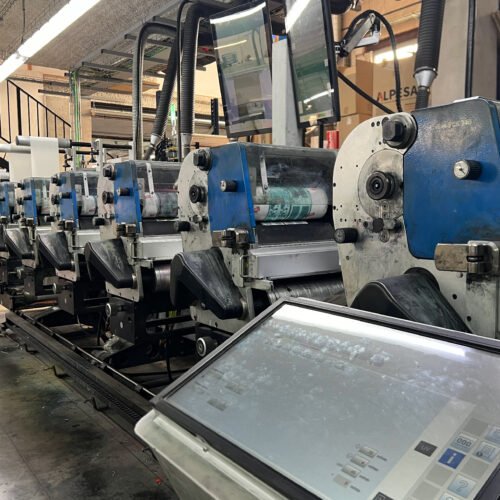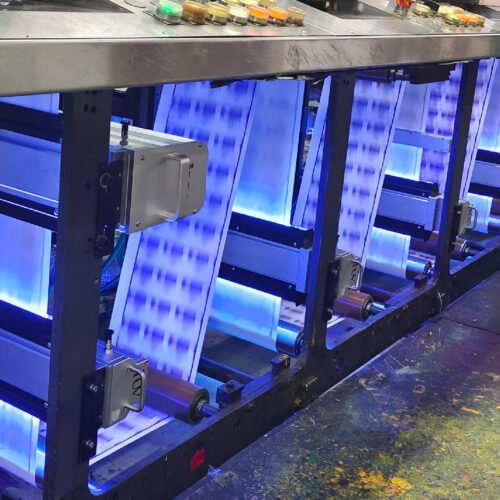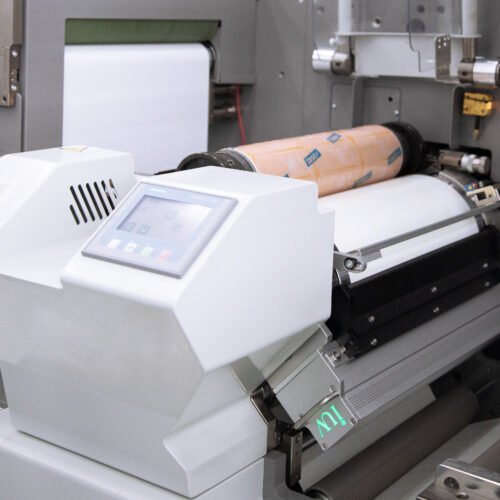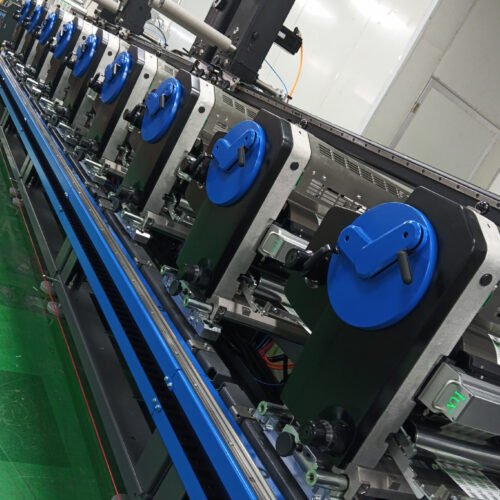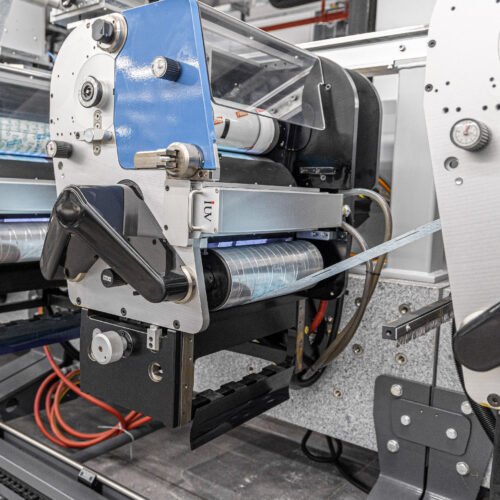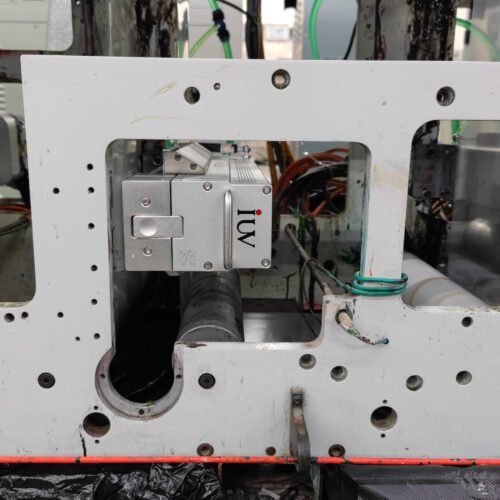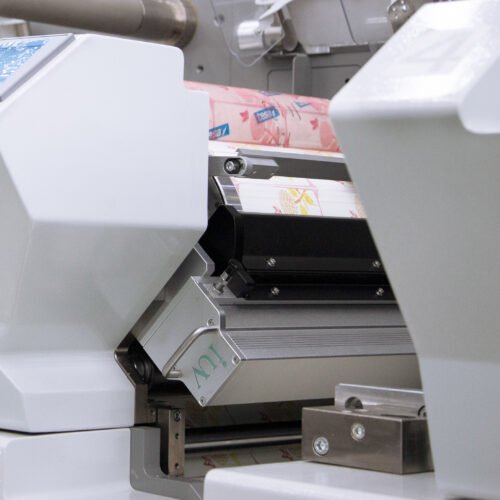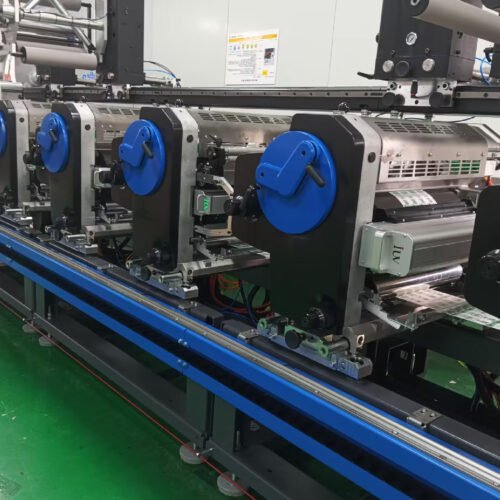
In the competitive landscape of modern printing, achieving optimal performance through ink formulation is vital. When paired with UV curing systems, especially LED UV technology, ink performance reaches new heights. For various applications like label printing, flexography, gravure, and narrow-web formats, understanding and optimizing ink formulations ensures consistent, vibrant, and durable results.
The Importance of Ink Optimization in UV Curing Systems
UV curing systems revolutionize the printing process by offering quick, efficient drying with minimal energy consumption. The choice and formulation of inks play a critical role in maximizing the benefits of these systems. Properly formulated inks enable better adhesion, reduced curing time, and improved resistance to environmental factors. Especially in label, flexo, gravure, and narrow-web printing, tailored ink formulations maximize efficiency and product quality.
Tailoring Ink Formulations for Different Printing Techniques
Different printing methods demand specific ink characteristics. For label printing, flexible inks that adhere well to various substrates are essential. Flexography requires inks with high elasticity and quick curing properties to maintain process speed. Gravure printing benefits from inks with fine pigment dispersion and low viscosity. Narrow-web printing presses for labels and packaging demand inks that cure rapidly while preserving high-resolution details.
The Role of UV LED Curing in Modern Printing
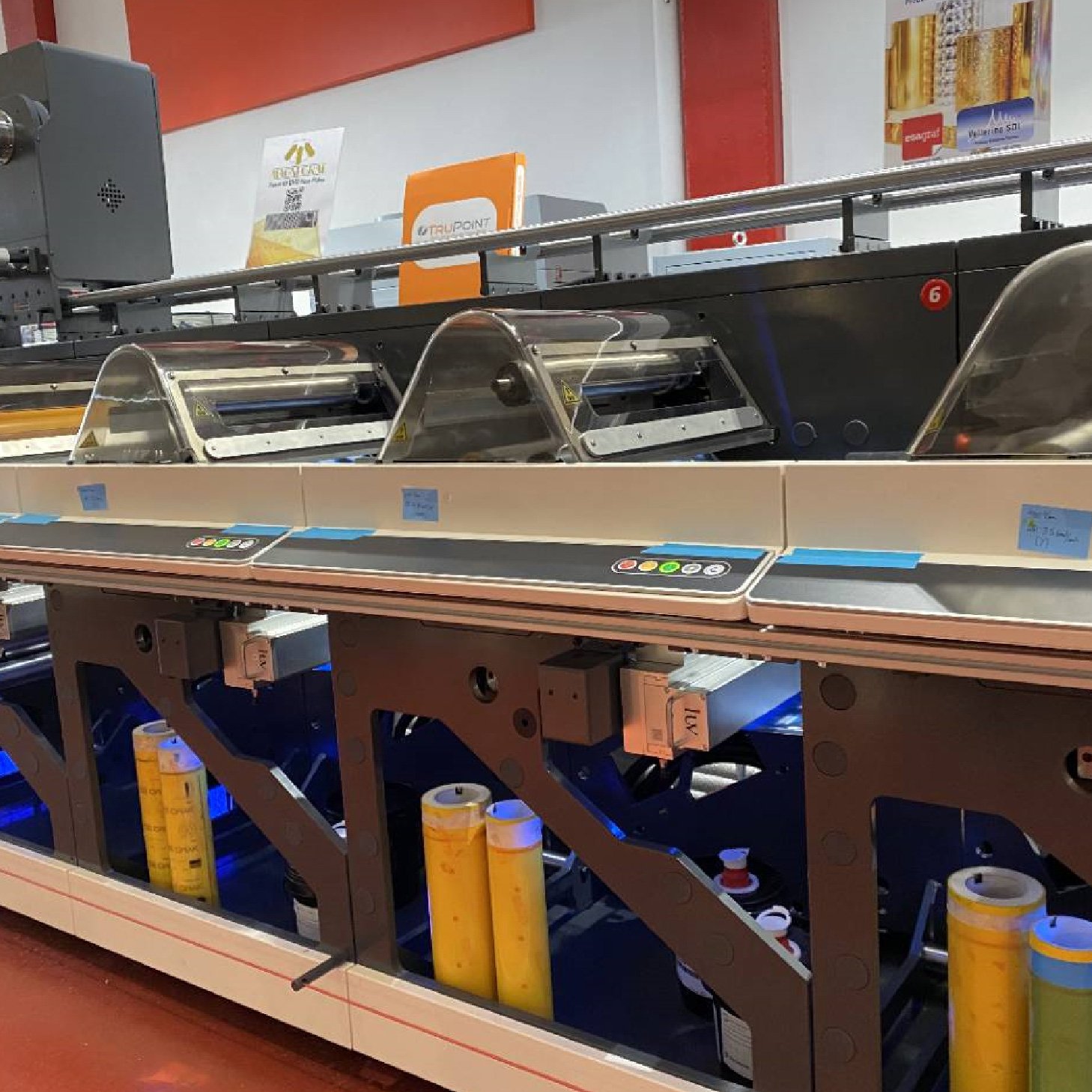
Switching from traditional UV lamps to LED UV curing provides numerous advantages. LED UV systems operate at specific wavelengths, reducing energy consumption and heat generation. This allows for printing on heat-sensitive substrates, expanding design possibilities. Additionally, LED UV lamps have longer lifespans, lower maintenance costs, and faster start-up times, making them increasingly popular.
Optimizing Ink Formulations for LED UV Curing
To leverage LED UV curing systems effectively, inks need specific adjustments:
- Photoinitiators: Selecting photoinitiators compatible with LED wavelengths ensures rapid curing. These compounds absorb LED light effectively, initiating polymerization quickly.
- Pigments and Dyes: Use pigments that do not hinder light penetration. Fine, evenly dispersed pigments enhance color vibrancy without compromising cure speed.
- Resins and Monomers: Opt for resins with high reactivity to UV light and low viscosity to promote uniform spreading and curing.
- Additives: Incorporate stabilizers, anti-skinning agents, and flow modifiers to improve shelf life and print quality.
These adjustments result in inks that cure thoroughly at high speeds, providing consistent quality across substrates.
Achieving Maximum Performance in Label and Narrow-Web Printing
Labels often require high-quality, durable prints that withstand exposure to moisture, chemicals, and handling. Optimized UV inks with a suitable balance of flexibility and hardness meet these demands. When formulated correctly, such inks resist chipping, fading, and environmental stressors.
In narrow-web printing, the focus is on detail and precision. High-resolution images, fine lines, and small text necessitate inks with excellent flow properties and rapid cure times. Proper formulation minimizes smudging and offset, ensuring sharp, vibrant labels.
Enhancing Flexo and Gravure Printing with UV Ink Optimization
Flexographic and gravure presses benefit from inks designed for swift curing and strong adhesion. Flexo inks should be flexible, adhering well to various substrates like plastics, foils, and paper. Gravure inks require high pigment concentrations and good flow to produce consistent, high-resolution images.
Incorporating UV curable formulations enables faster press speeds, reducing production time. The ability to cure inks instantly at the point of print improves throughput and minimizes downtime.
Environmental Benefits and Cost Savings
Switching to UV LED curing with optimized inks offers environmental advantages. Reduced VOC emissions, lower energy consumption, and less waste align with sustainability goals. By developing inks that cure efficiently at lower energy levels, printers can reduce operational costs while maintaining top print quality.
Future Trends in Ink and UV Curing Technology
The evolution of ink formulations will continue alongside advancements in LED UV systems. Innovations aim for even faster curing, broader substrate compatibility, and improved color consistency. As LED technology becomes more refined, inks will incorporate more sensitive photoinitiators, enabling ultra-rapid curing and expanded palette options.
Final Considerations for a Successful Transition
When optimizing ink formulations for UV curing, especially LED systems, it’s essential to consider substrate compatibility, curing speed, use environment, and end-user requirements. Conducting thorough testing and adjustments ensures performance and durability meet industry standards. Developing a close collaboration with ink suppliers and equipment manufacturers can further streamline this process, leading to higher quality, efficient, and sustainable printing operations.
Achieving maximum performance in UV curing-based printing hinges on precise ink formulation tailored to the specific characteristics of each printing process. With continued innovation and attention to detail, printers can unlock new levels of quality, efficiency, and environmental responsibility.