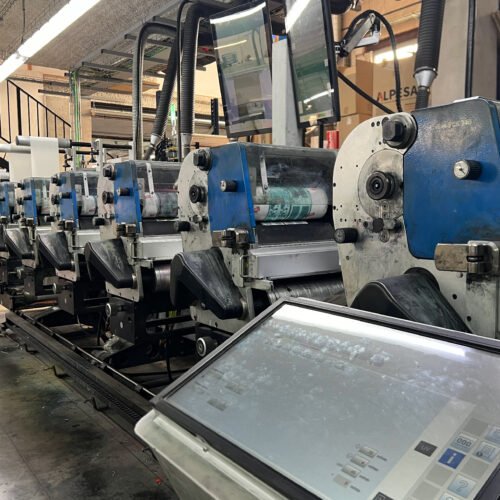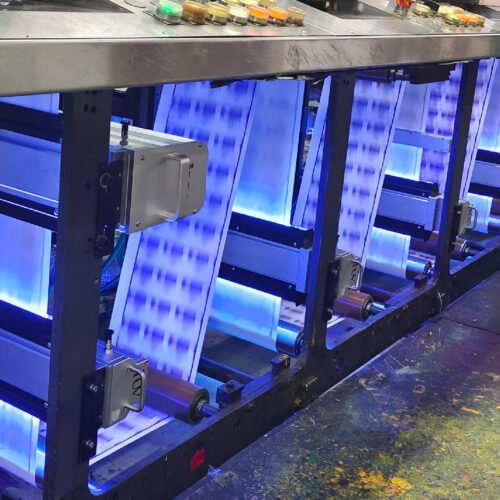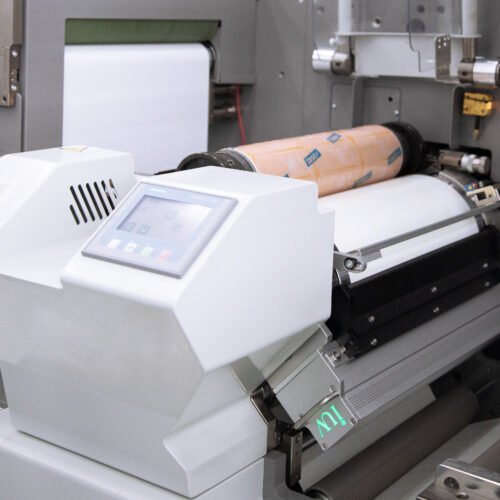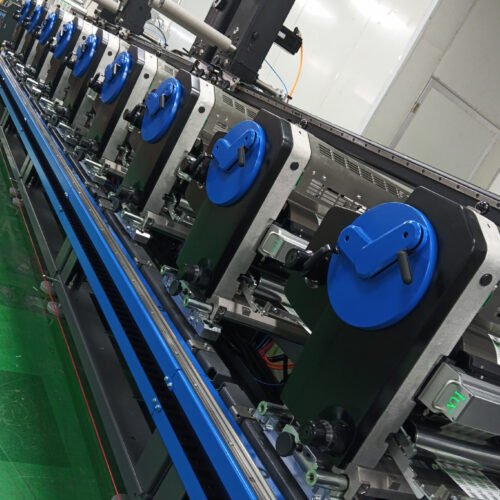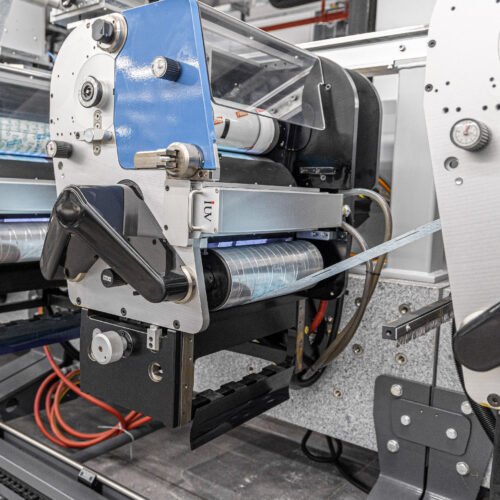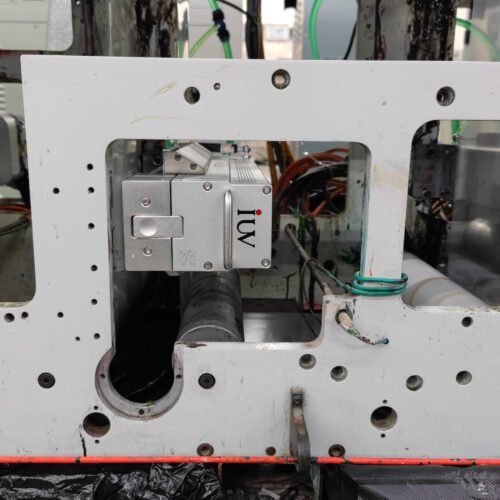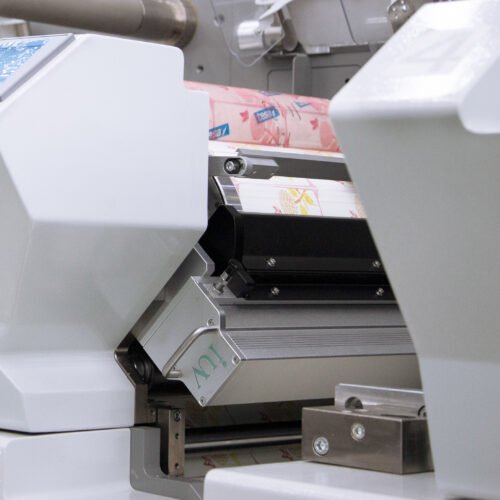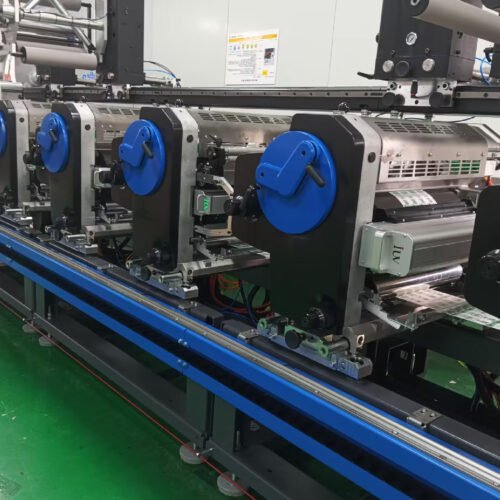
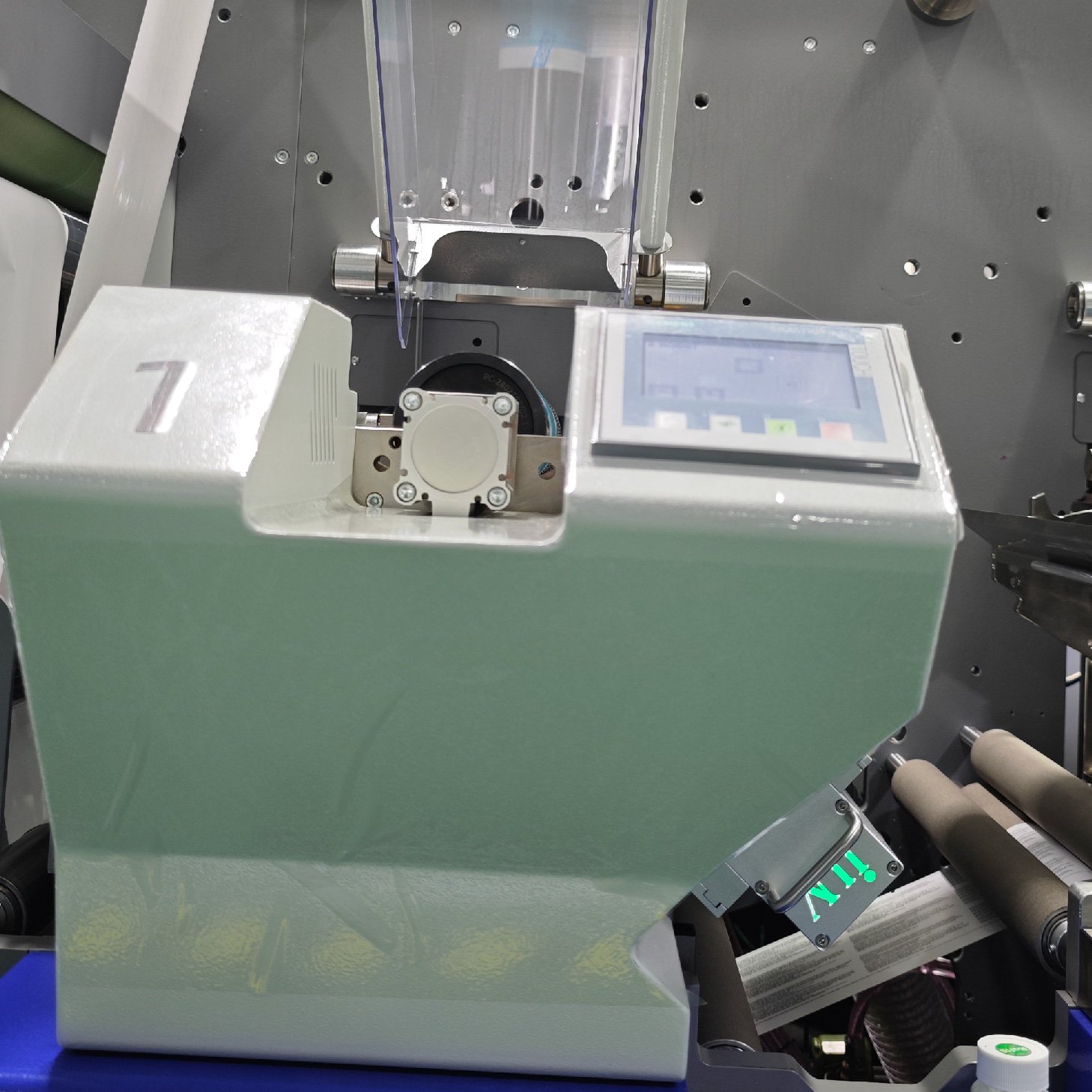
In today’s competitive printing industry, achieving high-quality output with efficient processes is paramount. LED curing systems have emerged as a game-changer, especially in niche fields like label printing, flexography, and narrow-width printing. Their silent operation, energy efficiency, and ability to enhance print quality make them an essential technology for modern print houses. This article explores how LED UV curing technology improves various printing processes, focusing on its role in quality enhancement and operational efficiency.
The Advantages of LED UV Curing Technology in Printing
LED curing systems operate using light-emitting diodes that produce ultraviolet light at specific wavelengths. Unlike traditional mercury vapor lamps, LEDs offer several advantages:
- Energy Efficiency: Significantly less power consumption, leading to lower operational costs.
- Instant On/Off Capability: No warm-up time needed, unlike conventional UV lamps.
- Long Lifespan: LEDs last many times longer, reducing maintenance frequency.
- Cool Curing: Minimal heat generation preserves substrate quality and prevents warping.
- Environmentally Friendly: No mercury or hazardous chemicals involved.
These benefits translate into more reliable curing, improved productivity, and better print quality across various substrates.
Enhancing Label and Narrow-Width Printing
Label printing demands sharp, vibrant images with precise color matching. The unique demands of flexible packaging, wine labels, and other narrow-width jobs require specialized curing solutions.
LED UV systems provide rapid curing at high speeds, maintaining color fidelity and reducing smudges. Their ability to instantly cure inks and coatings minimizes dot gain, preserves finer details, and enhances overall label clarity. Additionally, the cool curing environment prevents deformation or shrinkage of sensitive label substrates, securing consistent results.
For narrow-width prints, LED curing ensures more uniform exposure, eliminating streaks, and producing smooth, glossy finishes. This consistency results in better adhesion of inks and coatings, extending the durability of the printed labels against wear, moisture, and chemicals.
Advancing Flexography with LED Curing
Flexographic (flexo) printing benefits greatly from LED curing technology. Flexo presses often utilize fast-drying inks that need quick curing to keep pace with high production speeds. Traditional UV systems frequently faced challenges like uneven cure, substrate heat damage, and limited flexibility.
LED UV curing technology addresses these issues:
- Faster Curing Time: Allows for higher press speeds without sacrificing print quality.
- Reduced Heat Impact: Protects delicate substrates like thin films or specialty papers.
- Consistent curing across the print bed: Ensures uniform ink adhesion and color accuracy.
- Lower maintenance and downtime: Longer lamp life and simplicity in system design.
Switching to LED curing improves overall process reliability, reduces waste, and results in sharper, more vibrant print images with accurate color reproduction. This enhances the visual impact and shelf appeal of flexo-printed products.
Gel Plate Printing and LED UV Curing
Gel plate printing, often associated with artistic and craft printing, benefits from LED UV curing when using specialty inks and coatings. The quick curing process ensures vibrant, durable finishes suitable for both artistic projects and small production runs. Since gel plates and related substrates are sensitive to heat, LED’s low-temperature curing preserves their integrity and detail.
The instant cure also reduces process time, allowing artists and printers to produce multiple layers swiftly, maintaining sharpness and color vibrancy. The use of LED UV curing opens new possibilities for textured, high-detail designs that demand precise color fidelity and durability.
The Benefits in Coatings and Overprint Technologies
LED UV systems play a vital role in applying clear coats, varnishes, or specialty finishes with precision. Their ability to cure instantly ensures that coatings remain flexible, glossy, or matte as desired, without prolonged exposure to heat, which can cause cracking or distortion.
In overprint applications, LED curing guarantees perfect adhesion between different layers, reducing issues like layer separation or lengthening production times. Fine control over curing parameters results in sharp, high-quality finishes that enhance the aesthetic appeal of printed products—most notably packaging.
Impact on Sustainability and Operational Efficiency
Sustainability has become essential in the current printing landscape. LED UV curing systems are inherently greener, reducing energy consumption and eliminating hazardous waste associated with traditional UV lamps. Their lower heat output also allows for curing on heat-sensitive substrates, broadening the range of printable materials.
From an operational perspective, LED curing systems reduce downtime, increase throughput, and lower maintenance efforts. These systems frequently pay for themselves through energy savings and increased production capacity, especially when running across long shifts or high-volume jobs.
How LED Curing Influences Print Quality
The primary contribution of LED curing technology to print quality lies in its precision and reliability. Rapid curing prevents ink spreading, dot gain, and smudging while preserving detail. Additionally, the consistent energy output reduces variability from batch to batch, ensuring color consistency and sharpness.
In label and narrow-width printing, this translates to cleaner edges, brighter colors, and enhanced durability. In flexography, the uniform cure produces more vibrant images with an extended lifespan. For artistic and craft projects, pristine detail and quick turnaround are the standards.
Future Outlook: The Growing Role of LED UV Technology
As LED UV curing systems continue to evolve, their applications will likely expand further. Innovations in wavelength tuning, system integration with digital workflows, and further energy reductions will make LED solutions even more attractive. For the print industry, adopting this technology promises upgraded quality, efficiency, and sustainability.
Understanding how LED curing drives improvements across various printing techniques enables printers to make informed decisions. Whether handling labels, flexo outputs, or specialty projects, LED UV systems stand out as the silent engine behind better print quality and more efficient production lines.
In conclusion, incorporating LED UV curing technology into print workflows results in a notable boost in quality. Its advantages—speed, consistency, eco-friendliness, and gentle curing—align with the demands of modern, high-speed printing. As more printers recognize the value, LED curing will become an industry standard that quietly powers the best results in label printing, flexography, and beyond.