Enhancing Print Durability on Synthetic Materials Using LED Curing Systems
In modern printing, especially when working with synthetic materials, achieving high durability and vibrant color quality remains a persistent challenge. The advent of LED curing systems has revolutionized this domain, offering significant benefits over traditional UV curing methods. This technology not only boosts productivity but also ensures print longevity, which is crucial for label printing, flexographic processes, and narrow-web applications.
Understanding LED Curing Technology in Printing
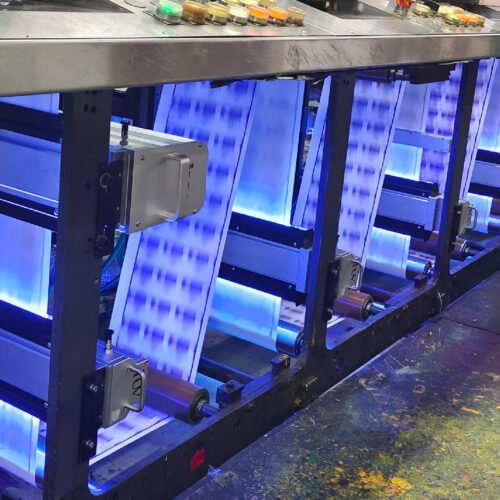
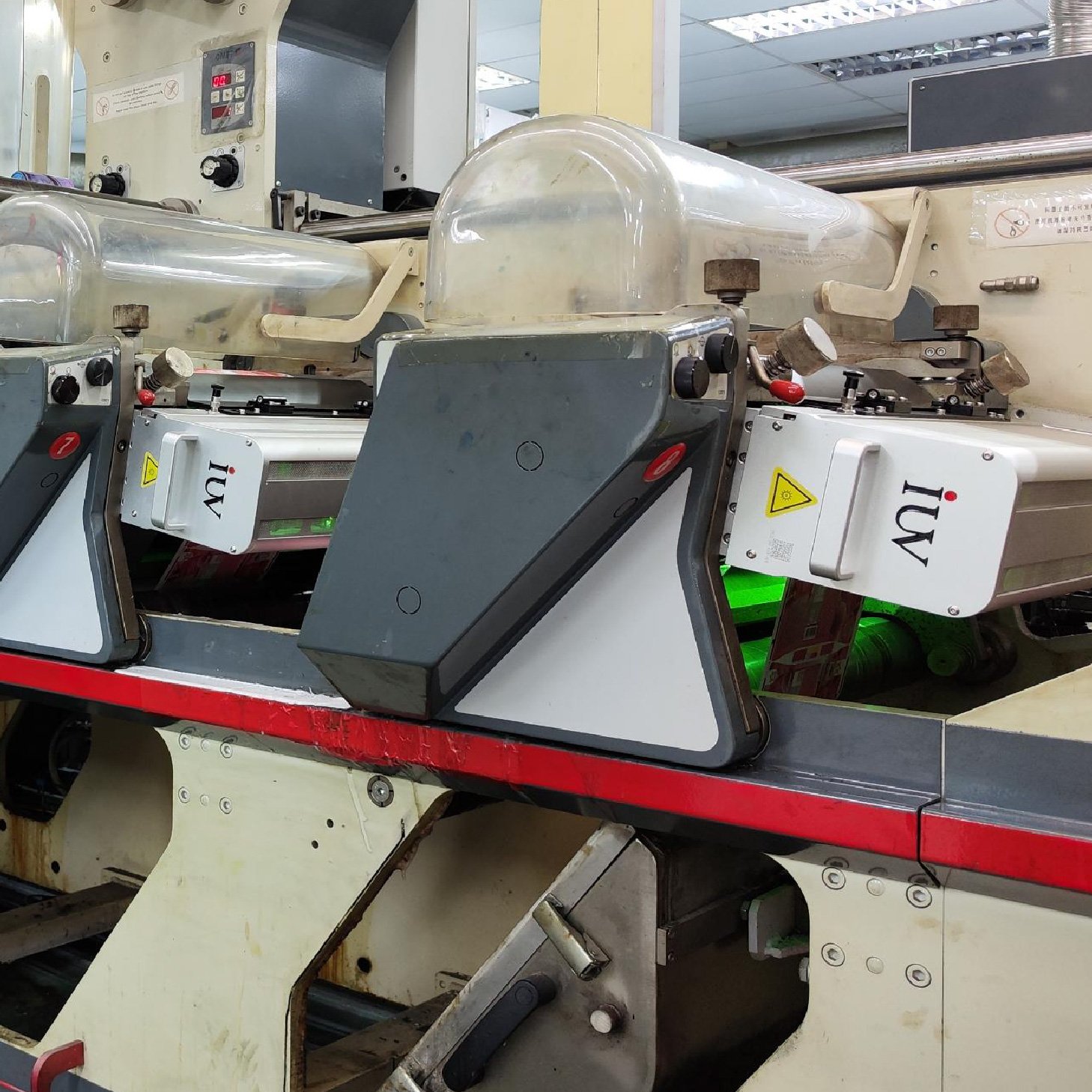
LED (Light Emitting Diode) curing systems utilize specific wavelengths of light to instantly polymerize inks, coatings, and adhesives. Unlike traditional mercury vapor lamps, LEDs emit a narrow spectrum of UV light, which allows for precise control over the curing process. This specificity translates into faster curing times, reduced energy consumption, and less heat generation during operation.
The Role of LED UV in Print Durability
Print durability is vital for products exposed to environmental elements, handling, or long-term storage. Synthetic materials such as PET, PVC, and polycarbonate are often used in label and flexible packaging applications. These surfaces require a curing system that can produce a strong, resistant ink film.
LED UV systems excel in this area by providing uniform curing across the substrate, resulting in enhanced adhesion and flexibility of printed images. This ensures the print remains vibrant and intact over time, even under harsh conditions like UV exposure, moisture, and abrasion.
Advantages of LED UV Over Conventional UV
- Energy Efficiency and Lower Heat Output: LED systems consume less power and produce minimal heat, protecting heat-sensitive substrates during printing. This is particularly beneficial for label and narrow-web printing, where substrate warping can compromise quality.
- Instant On and Curing: LEDs reach full intensity almost immediately upon powering up, reducing setup and production times. Rapid curing enhances throughput, vital for high-volume jobs.
- Longer Lifespan and Lower Maintenance: LED lamps last significantly longer than traditional UV bulbs, reducing downtime and maintenance costs. This reliability makes LED systems a cost-effective investment.
- Eco-Friendly and Safer Operations: With no mercury content and lower energy needs, LED systems are better for the environment and safer for operators, aligning with sustainable manufacturing goals.
Application in Label and Flexographic Printing
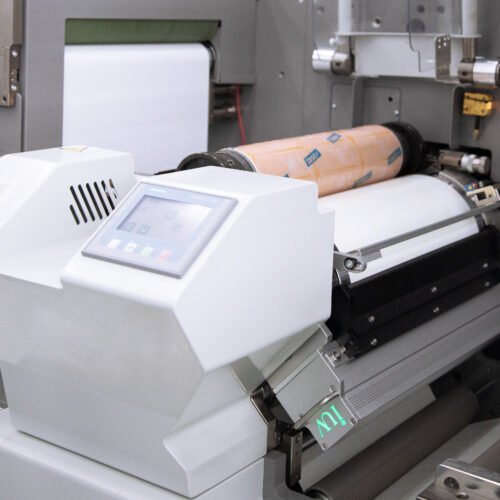
In label printing, especially on synthetic roll stocks, durability and color vibrancy are non-negotiable. LED curing provides a comprehensive solution by ensuring that inks and adhesives bond effectively to synthetic surfaces. Flexographic printers benefit from this technology through improved adhesion for solvent and UV inks, which enhances the resilience of labels in demanding environments.
Narrow Web and Specialty Printing
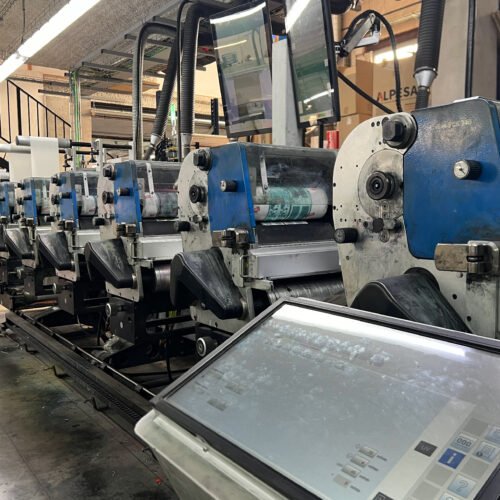
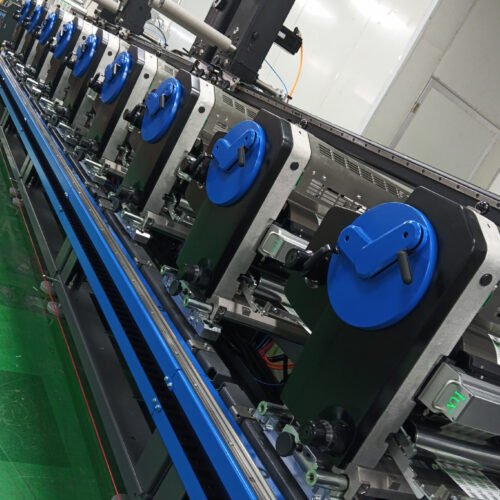
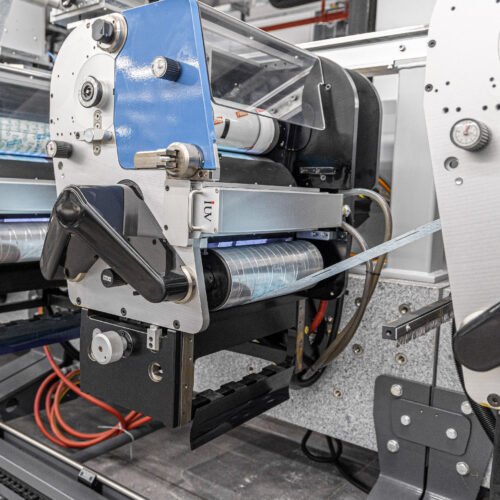
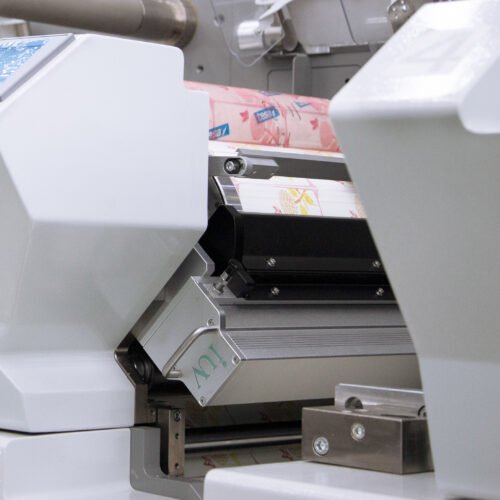
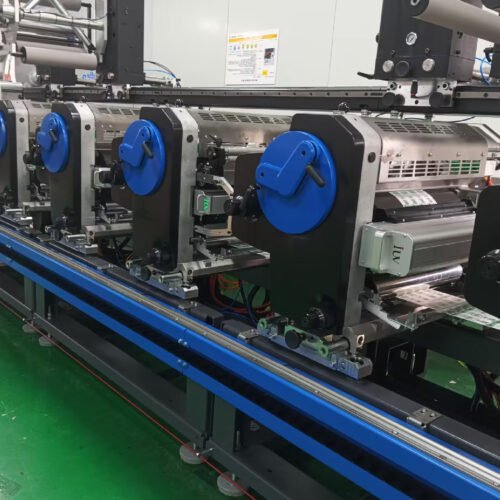
Narrow web presses often cater to high-precision jobs such as product labels, pharmaceutical labels, and decorative packaging. The compact size of LED curing units allows their integration into narrow-web presses, enabling detailed work with quick turnaround times.
Furthermore, LED UV systems facilitate the use of specialty inks and coatings that require precise curing. The result is a sharp, durable print that withstands handling, exposure, and time.
Print Durability on Synthetic Materials: Key Considerations
When aiming for durable prints on synthetic substrates, it’s essential to:
- Select inks formulated for UV LED curing: Not all inks are compatible with LED technology. Specialized UV LED inks ensure optimal curing and adhesion.
- Optimize curing parameters: Adjustting energy levels and exposure time is critical. Insufficient curing leads to delamination and early wear, while over-curing can cause substrate distortion or ink cracking.
- Surface preparation: Proper cleaning and surface treatment of synthetic materials boost ink adhesion and overall durability.
- Post-curing processes: In some cases, additional curing steps or protective coatings are necessary to maximize lifespan.
Benefits of Combining LED Curing with Specialized Inks and Coatings
The synergy between LED UV systems and advanced inks/coatings unlocks high-performance results:
- Resistance to scratching, chemicals, and UV exposure.
- Greater flexibility in design and color vibrancy.
- Reduced curing time, increasing production efficiency.
- Lower energy consumption, aligning with sustainability goals.
Future Outlook: Innovations and Trends
As LED UV technology advances, expect even more compact, energy-efficient, and versatile systems. Integration with digital printing, automation, and smart sensors will open new opportunities for highly customized and durable printing solutions on synthetic materials.
Emerging ink formulations specifically designed for LED curing will further enhance adhesion and resistance, broadening the scope of applications. The focus on eco-friendly materials and processes also aligns with global sustainability initiatives.
Conclusion
Implementing LED curing systems in printing on synthetic materials leads to significant improvements in print durability, efficiency, and environmental impact. Whether in label printing, flexography, or narrow-web applications, the precise control and fast curing offered by LED UV technology assure high-quality, long-lasting results. As this technology continues to evolve, it will remain at the forefront of innovative printing solutions for synthetic substrates, delivering performance that meets the demands of modern packaging and branding.