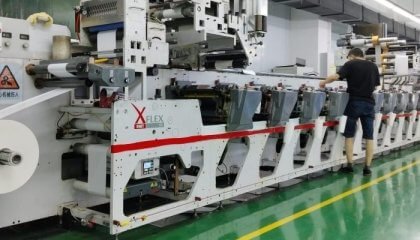
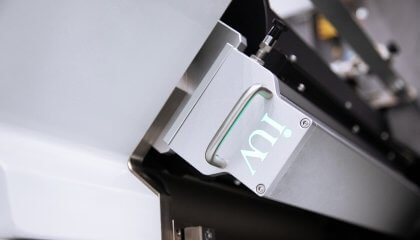
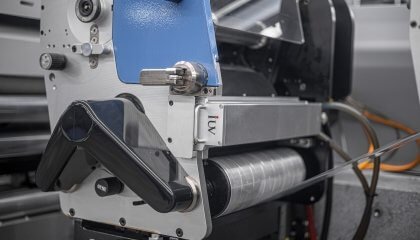
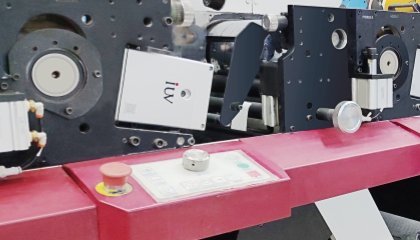
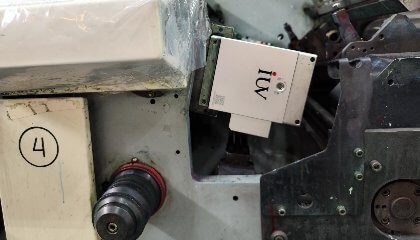
In the fast-evolving world of label printing, technology plays a crucial role in determining production efficiency, product quality, and environmental sustainability. One of the most significant advancements in recent years is the transition to LED UV curing systems. As printers look to enhance their operations, upgrading to LED UV curing presents a powerful solution. However, this transition requires careful consideration of several key factors to ensure a smooth integration and optimal results. This article explores these considerations, specifically in the context of label presses, flexographic printing, and narrow-web printing.
1. Understanding LED UV Curing Technology
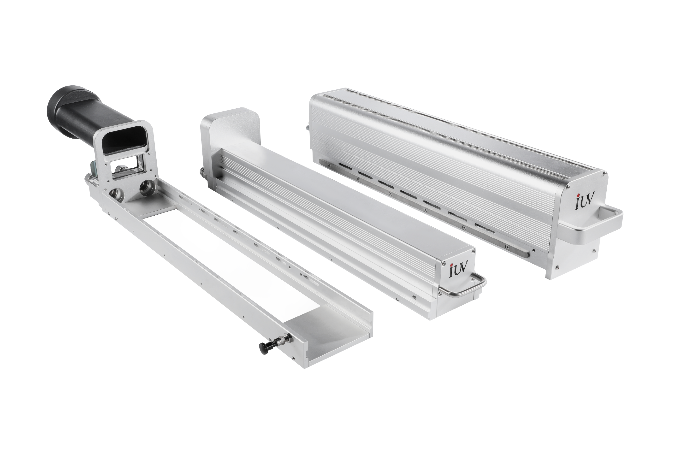
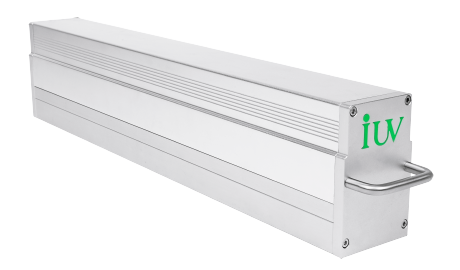
Before delving into the specifics of upgrading to LED UV curing for label presses, it’s essential to understand the basics of this technology. LED UV curing uses light-emitting diodes (LEDs) to emit ultraviolet light, which cures or hardens UV-sensitive inks on substrates during the printing process. Unlike traditional mercury vapor lamps, LED UV curing systems offer several advantages, including faster curing times, lower energy consumption, and less heat generation. These features make LED UV curing an attractive option for label printing, particularly for flexographic and narrow-web applications.
2. Benefits of LED UV Curing for Label Presses
Upgrading to LED UV curing for label presses provides multiple advantages:
2.1 Faster Curing Times
LED UV curing systems are known for their rapid curing capabilities, significantly reducing drying times compared to traditional UV curing systems. This translates to higher production speeds and increased throughput, which is crucial in today’s competitive label printing market.
2.2 Energy Efficiency
LED lamps consume less energy than traditional mercury vapor lamps, leading to lower power consumption and reduced operating costs. This is particularly beneficial for businesses looking to cut energy expenses and enhance their sustainability efforts.
2.3 Superior Print Quality
The LED UV curing process helps achieve a high-quality finish on a wide range of substrates. Since the ink is immediately cured as it is printed, there is less risk of smudging or misregistration, resulting in sharper and more consistent prints.
2.4 Reduced Heat Emission
LED UV systems generate significantly less heat compared to traditional UV systems. This feature is especially beneficial when printing on heat-sensitive materials or when operating in tight or enclosed spaces. It minimizes the risk of warping or distortion of substrates, ensuring a smoother printing process.
2.5 Environmental Benefits
LED UV curing is more environmentally friendly than traditional systems. It emits less ozone, requires no mercury, and reduces overall emissions. Furthermore, the long lifespan of LED bulbs reduces waste, making the technology a sustainable option for label printers.
3. Key Considerations When Upgrading to LED UV Curing
While the benefits of LED UV curing are clear, there are several factors that must be carefully considered before making the transition. These include the type of printing press, the nature of the substrates, and the cost implications.
3.1 Compatibility with Existing Label Presses
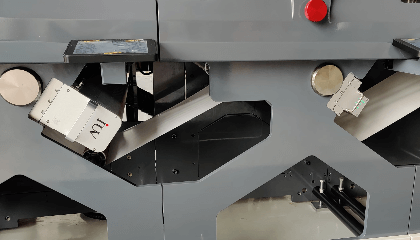
Not all label presses are initially designed to work with LED UV curing systems. When considering an upgrade, it’s essential to determine if the existing press is compatible with LED UV lamps. This may involve modifications to the press, such as installing new UV curing units or adjusting the ink curing system. It’s also important to assess the press’s ability to handle the increased curing speeds and the possible changes in tension or print speed.
3.2 Ink and Substrate Compatibility
LED UV curing is most effective when used with UV-sensitive inks designed specifically for LED curing. These inks differ from conventional UV inks in terms of their chemical composition and curing requirements. As a result, it’s important to ensure that the ink formulations used on the label press are compatible with the LED UV curing system. Additionally, certain substrates may be more or less responsive to LED UV curing. It’s crucial to test different materials, especially with narrow-web and flexo applications, to ensure that the curing process doesn’t affect the quality or durability of the print.
3.3 Installation and Maintenance Costs
Upgrading to LED UV curing involves both initial installation costs and ongoing maintenance expenses. While the long-term savings in energy and maintenance can offset the initial investment, the upfront costs may still be significant. When planning the upgrade, it’s essential to factor in the costs associated with replacing existing UV lamps, potential equipment modifications, and any necessary training for operators. Regular maintenance of the LED UV curing units is also necessary to ensure consistent performance and longevity.
3.4 UV Exposure and Health and Safety Considerations
LED UV curing systems emit ultraviolet light, which can pose health risks if not properly shielded. Proper safety measures, including UV protective shields and safety training for operators, must be implemented to minimize the risk of UV exposure. Additionally, unlike traditional UV lamps, LED UV systems produce very little ozone, but it’s still important to maintain proper ventilation to ensure a safe working environment.
3.5 Print Speed and Curing Depth
One of the key considerations when upgrading to LED UV curing for label presses is the impact on print speed and curing depth. LED UV curing systems work best at specific print speeds, and it’s important to ensure that the press can operate within the optimal range. Additionally, LED curing may not be as effective on thicker ink layers compared to traditional mercury vapor UV systems. Printers must assess their specific production needs to determine if LED UV curing is suitable for their applications.
4. Flexographic Printing and LED UV Curing
Flexographic printing, which is widely used for label production, is an ideal candidate for LED UV curing due to the need for high-speed production and the desire for durable, high-quality labels. In flexo printing, the ink is transferred from a relief plate to the substrate. The immediate curing of the ink via LED UV ensures that the label design is crisp, vibrant, and resistant to fading.
However, the type of anilox roll, the substrate, and ink chemistry must all be carefully matched with the LED UV system to optimize the printing results. Flexo printers should also consider the potential need for upgrades to ink delivery systems or press components to ensure compatibility with LED UV curing.
5. Narrow-Web Printing and LED UV Curing
Narrow-web printing, a common method for label production, can greatly benefit from the speed and efficiency of LED UV curing. Narrow-web presses, typically used for smaller labels and packaging, require precise ink control and fast curing. LED UV curing helps narrow-web printers meet these demands while also minimizing substrate distortion and ensuring high-quality prints.
In this context, it’s crucial to select a curing system that offers precise control over the amount of energy delivered to the substrate. This control helps maintain the integrity of the print and minimizes issues such as over-curing or under-curing, both of which can negatively affect print quality.
6. Conclusion
Upgrading to LED UV curing for label presses offers numerous advantages, including faster curing times, improved print quality, energy savings, and environmental benefits. However, to successfully integrate this technology, label printers must consider factors such as compatibility with existing equipment, ink and substrate requirements, installation and maintenance costs, and safety precautions. Flexographic and narrow-web label presses, in particular, stand to benefit from LED UV curing due to the high-speed production and premium-quality results it enables. By carefully evaluating these key considerations, printers can make an informed decision and maximize the benefits of LED UV curing in their operations.