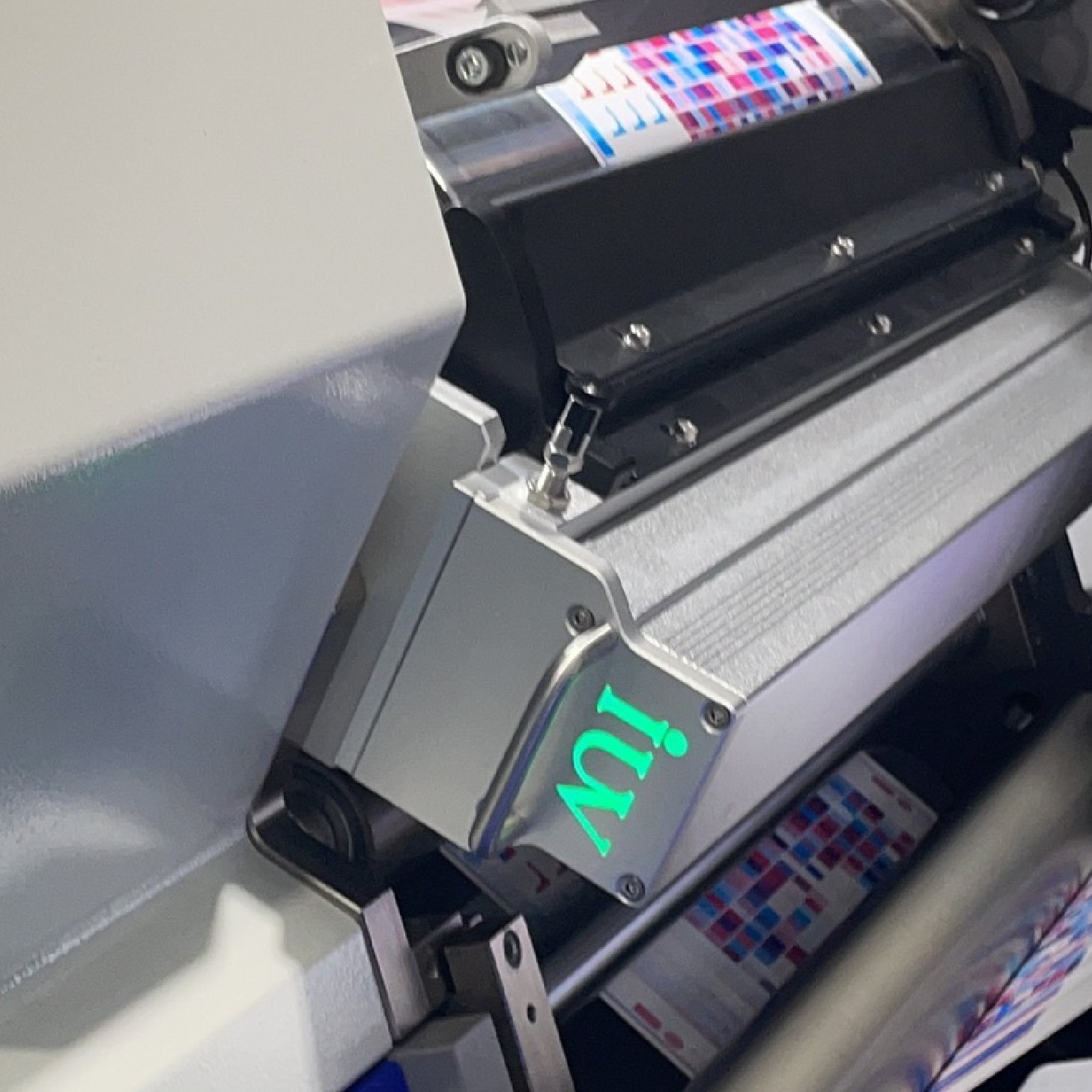
Integrating UV Curing Systems into Existing Flexographic Presses
In the ever-evolving world of print technology, the ability to adapt and innovate is essential. For flexographic printing, integrating UV curing systems offers significant advantages in terms of print quality, speed, and sustainability. With growing demand for high-quality, durable labels and packaging, the adoption of UV curing technology in existing flexographic presses is becoming increasingly important. In this article, we’ll explore how UV curing systems enhance flexographic printing, focusing on LED UV curing, the benefits for narrow-web printing, and the seamless integration into current operations.
Understanding UV Curing in Flexographic Printing
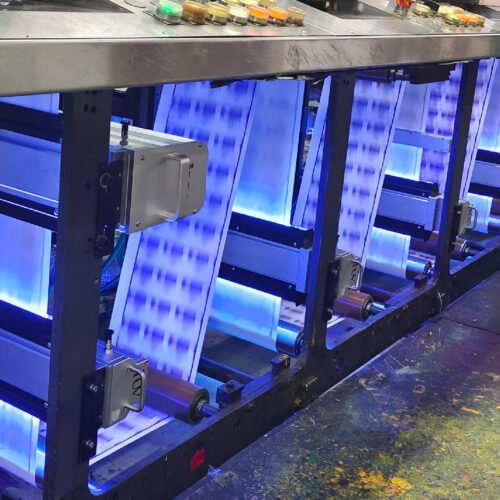
UV curing is a process where ultraviolet light is used to cure or dry the ink instantly as it is printed. Unlike traditional drying methods that rely on heat or air to evaporate solvents, UV curing uses the chemical reaction caused by UV light to harden the ink almost immediately. This process eliminates the need for long drying times, allowing for faster production speeds and improved efficiency.
In flexographic printing, where high-speed printing and precise image reproduction are crucial, integrating UV curing systems can lead to a significant reduction in production time. The fast curing time also results in less risk of smudging or color migration, ensuring that each print maintains its sharpness and clarity.
LED UV Curing: The Future of Flexographic Printing
Traditional UV curing systems have been around for decades, but recent advances in LED UV technology have taken this process to new heights. LED UV curing systems use light-emitting diodes (LEDs) instead of traditional mercury vapor lamps to cure the ink. These systems offer numerous benefits over conventional UV curing systems.
One of the primary advantages of LED UV curing is its energy efficiency. LED lights consume far less power compared to mercury vapor lamps, which not only reduces energy costs but also lowers the environmental impact of the printing process. Additionally, LED UV systems generate less heat, making them suitable for a broader range of substrates, including heat-sensitive materials.
Moreover, LED UV curing systems have a longer lifespan than traditional lamps, reducing maintenance costs and downtime. This is especially important for narrow-web and label printing, where press uptime is critical to meeting production deadlines. The ability to cure inks instantly with LED UV systems leads to faster turnaround times and more efficient workflows.
Benefits of UV Curing for Narrow-Web and Label Printing
In narrow-web printing, often used for label and packaging applications, the need for precise and high-quality prints is paramount. UV curing technology provides several benefits in this domain.
1. Enhanced Print Quality: UV inks are typically more vibrant and offer better adhesion to various substrates. This results in sharper images, richer colors, and more durable prints. For packaging and labeling, where aesthetics are critical, UV-cured prints deliver a superior finish that is both glossy and highly resistant to wear.
2. Faster Drying Times: The instantaneous drying of UV inks eliminates the need for additional drying stations or drying time in the production process. This helps streamline workflows, particularly in high-volume label printing, where speed and efficiency are essential.
3. Compatibility with Specialty Substrates: UV curing works well with a wide variety of substrates, including non-porous materials such as plastics, films, and foils. This compatibility is especially important in the label and packaging industries, where brands often require unique substrates to achieve specific looks or functional properties.
4. Environmentally Friendly: UV inks generally contain fewer volatile organic compounds (VOCs) compared to solvent-based inks. The use of LED UV curing systems further enhances the environmental benefits by reducing energy consumption and eliminating the need for mercury vapor lamps.
How to Integrate UV Curing Systems into Existing Flexo Presses
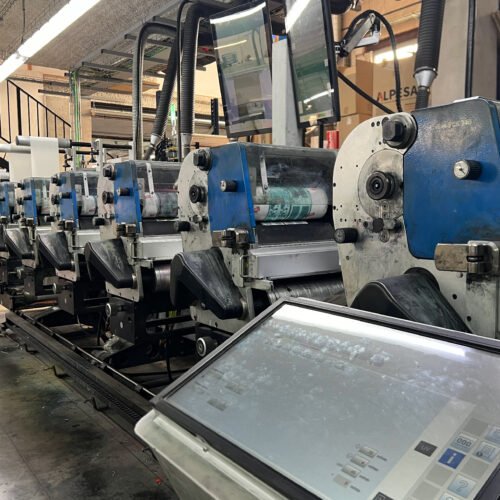
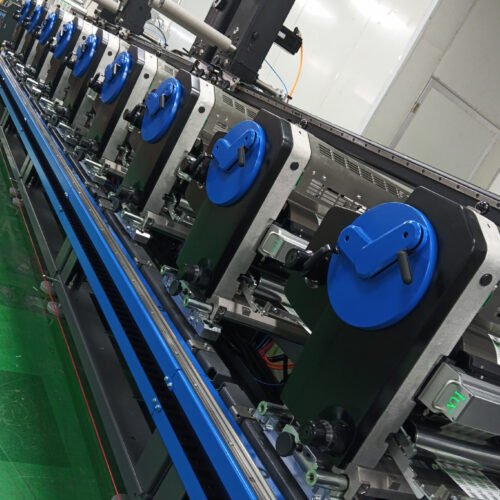
Integrating UV curing technology into an existing flexographic press is a highly feasible process that requires careful planning and the right equipment. Several key steps are involved in ensuring a smooth transition.
1. Assessing the Existing Press Setup: Before integrating UV curing systems, it’s important to evaluate the current press setup. This includes understanding the types of inks being used, the types of substrates, and the overall print volume. Flexographic presses that already have some form of curing system, such as hot-air dryers, may require only minor modifications to accommodate UV curing.
2. Choosing the Right UV Curing System: The choice of UV curing system largely depends on the specific needs of the print job. LED UV systems, for instance, offer energy efficiency, while traditional UV systems may still be suitable for larger runs or more diverse applications. It’s important to select a system that can handle the specific substrates, inks, and speed requirements of your print operations.
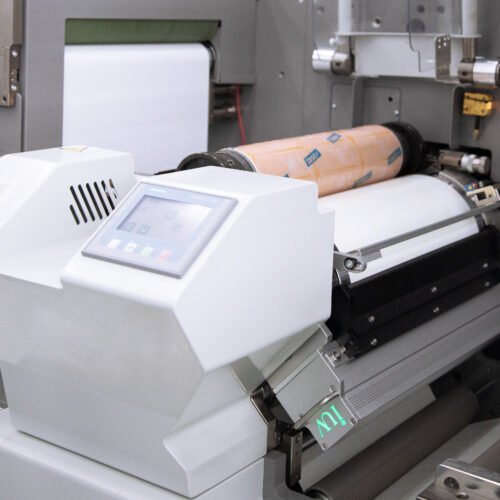
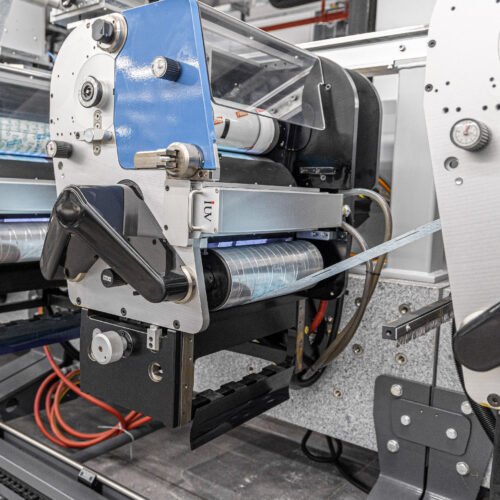
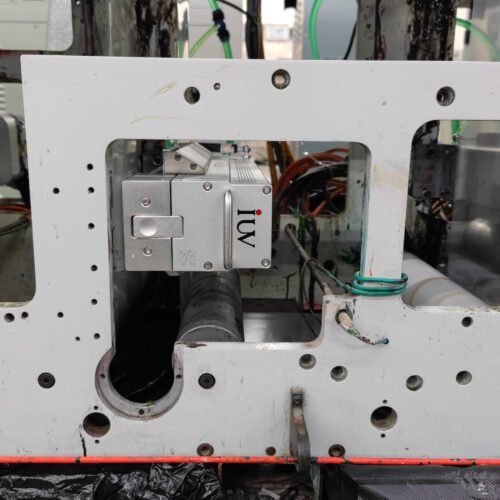
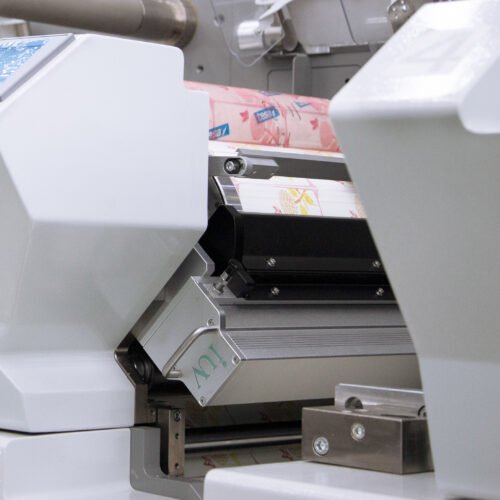
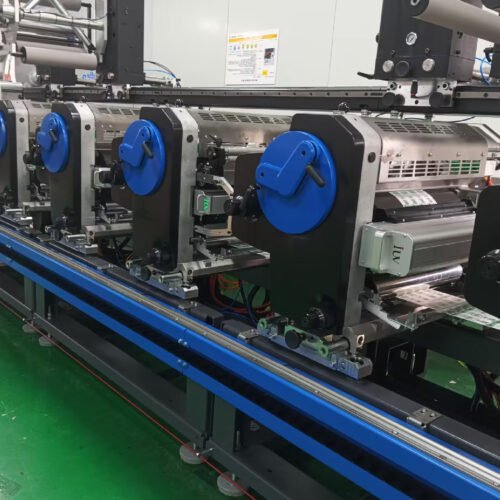
3. Modifying the Press: The press itself will need to be equipped with UV curing units, which are typically mounted close to the print stations. These units should be designed to fit the existing layout of the press without obstructing workflow or adding excessive maintenance demands. In many cases, retrofit kits are available to help integrate UV curing units with minimal disruption.
4. Training and Calibration: Once the UV curing system is installed, the next step is proper calibration and operator training. Flexographic presses with UV curing require precise control over exposure times and ink formulations. Operators must be trained on how to adjust settings for optimal curing and ensure that ink adhesion remains consistent across different substrates.
Conclusion
Integrating UV curing systems into existing flexographic presses is a smart move for printers looking to enhance print quality, reduce production time, and increase sustainability. The advantages of LED UV curing—such as energy efficiency, faster curing, and better substrate compatibility—make it an ideal choice for the fast-paced world of narrow-web and label printing. By carefully selecting the right system and ensuring a smooth integration process, printers can realize significant improvements in both operational efficiency and product quality. With the increasing demand for high-quality labels and packaging, the ability to incorporate UV curing into flexographic presses will continue to be a game-changer in the printing industry.