Upgrading your printing operation with LED curing technology can bring significant advantages. This guide focuses on what label printers, flexographic printers, offset printers, and narrow web converters need to understand. We’ll explore the benefits and challenges of incorporating these advanced systems into your current setup.
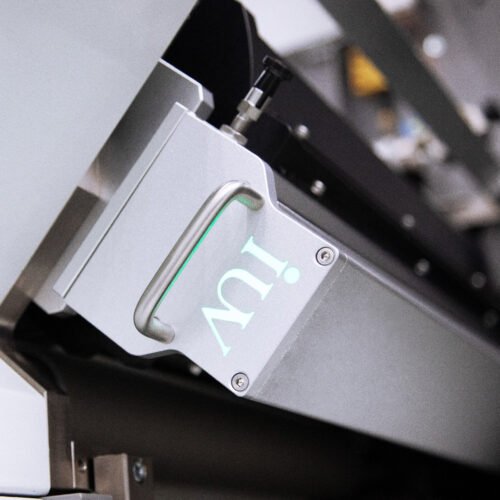
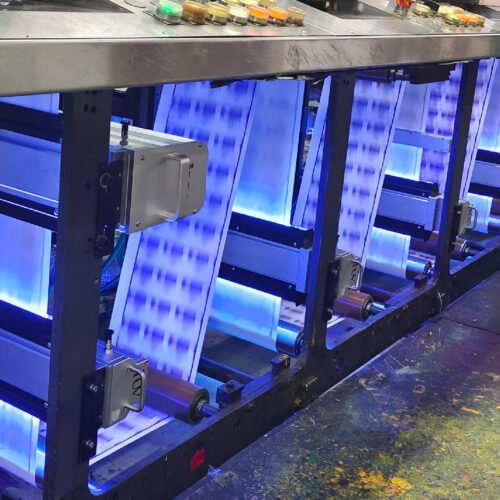
LED UV curing offers a more energy-efficient and environmentally friendly alternative to traditional mercury vapor lamps. This technology uses light-emitting diodes (LEDs) to produce UV light. These diodes have a much longer lifespan and produce less heat than older lamp technologies. This means lower operating costs and a more stable printing environment.
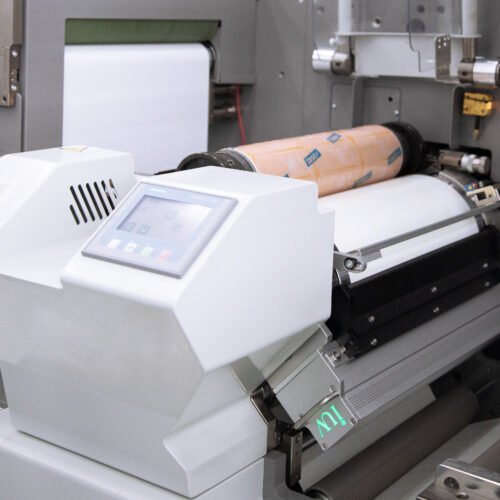
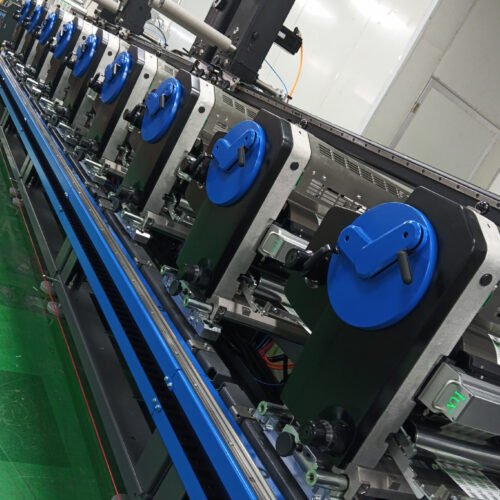
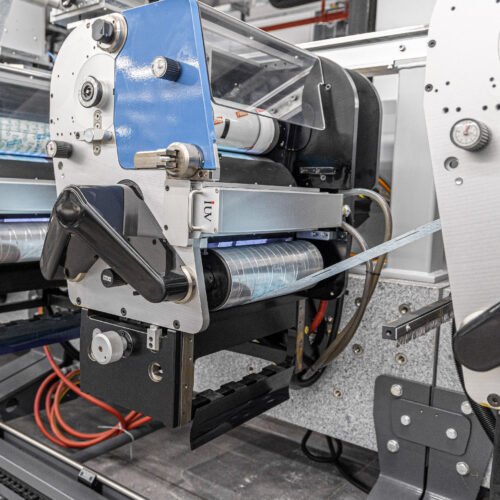
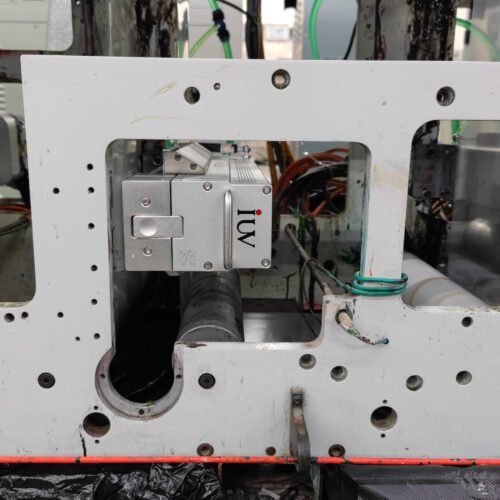
For label printers, the transition to LED curing can streamline production. Many modern label presses are designed with LED curing in mind. However, retrofitting older presses is also a viable option. The key is to ensure compatibility. This involves checking the available space for the LED arrays and the power requirements.
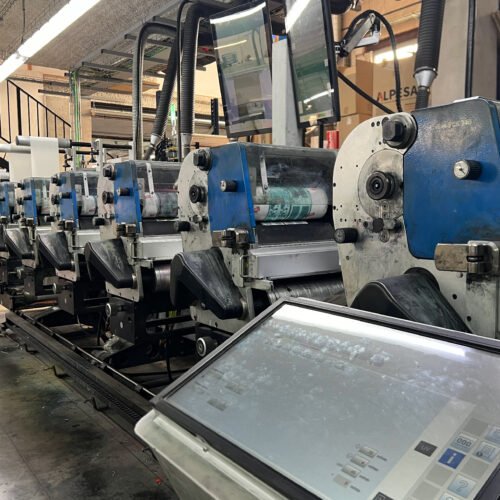
Flexographic printing, widely used for labels and flexible packaging, benefits greatly from LED curing. Flexo inks formulated for LED curing dry instantly. This allows for faster press speeds. It also reduces the risk of ink smudging or transfer. This is particularly important for high-volume label production.
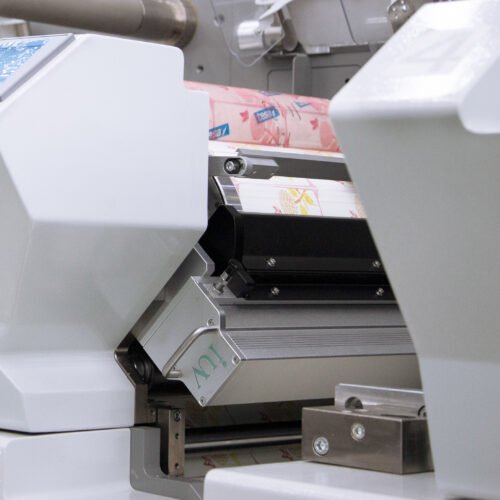
Offset printing, while traditionally using different curing methods, can also integrate LED UV systems. For narrow web offset presses, this upgrade can improve turnaround times. It also opens up possibilities for printing on a wider range of substrates. Some substrates may not withstand the heat generated by conventional curing methods. LED curing’s low heat output makes these materials printable.
Understanding UV curing itself is fundamental. UV light initiates a photochemical process. This process causes inks, coatings, and adhesives to polymerize and harden rapidly. LED UV curing systems emit specific wavelengths of UV light. These wavelengths must match the photoinitiators in your UV-curable inks and coatings. This is a critical factor for successful curing.
When considering the integration of LED curing systems, several technical aspects require careful evaluation. The spectral output of the LED lamps must align with the spectral sensitivity of your inks. This ensures efficient curing. Different LED systems emit light at varying wavelengths, typically in the UVA range (365 nm, 385 nm, 395 nm, 405 nm). Your ink supplier can advise on the best wavelength for their products.
Power density is another important consideration. This refers to the amount of UV energy delivered to the substrate per unit area. Higher power density generally leads to faster curing. However, it also requires careful management to avoid overheating the substrate or the printing unit. The distance between the LED lamps and the substrate is crucial for achieving optimal power density.
Cooling is essential for LED curing systems. While LEDs produce less heat than mercury lamps, they still generate heat. Effective cooling systems, often integrated into the LED lamp head, prevent overheating and maintain consistent performance. This is vital for the longevity of the LEDs themselves.
Space limitations on existing printing lines can be a challenge. LED curing units are often more compact than traditional drying units. However, careful measurement and planning are necessary. Ensure there is adequate space for installation, maintenance, and any necessary ventilation.
Electrical infrastructure is also a key factor. LED curing systems have different power requirements than older technologies. You may need to upgrade your electrical supply or install dedicated circuits. Consult with an electrician to assess your current capacity and potential needs.
The cost of transitioning to LED curing is an investment. However, the long-term savings in energy consumption, lamp replacement, and reduced waste can be substantial. The initial outlay for LED systems, inks, and potential press modifications should be weighed against these operational benefits.
Ink formulation is paramount. Not all UV-curable inks are compatible with LED curing. You will likely need to switch to inks specifically designed for LED UV curing. These inks contain photoinitiators that are activated by the specific wavelengths emitted by LED lamps. Your ink supplier is your best resource for identifying suitable products.
Substrate compatibility is another area where LED curing shines. The lower heat output of LED systems allows for printing on heat-sensitive materials like thin films, certain plastics, and even some papers. This expands the range of applications for your printing business.
Maintenance of LED curing systems is generally simpler than with mercury lamps. LEDs have a much longer operational life, often tens of thousands of hours. This significantly reduces downtime associated with lamp changes. Cleaning the lamp heads periodically ensures optimal performance.
Safety protocols remain important. While LED UV light is generally considered safer than mercury vapor due to its narrower spectrum and lower intensity, proper eye protection is still recommended. Ensure operators are trained on safe handling and operation of the new curing systems.
When retrofitting an existing printing line, a phased approach can be beneficial. You might start by converting one or two printing units to LED curing. This allows your team to gain experience and evaluate the performance before a full conversion.
Consulting with equipment manufacturers and system integrators is highly recommended. They can provide expert advice on system selection, integration, and potential modifications to your existing press. Their experience can help avoid costly mistakes.
The environmental benefits of LED curing are undeniable. Reduced energy consumption leads to a smaller carbon footprint. The absence of mercury in LED lamps eliminates hazardous waste disposal concerns associated with traditional lamps. This aligns with increasing demands for sustainable printing practices.
In summary, integrating LED curing systems into your existing printing lines offers a pathway to enhanced efficiency, improved print quality, and greater substrate versatility. By carefully considering ink compatibility, spectral output, power requirements, and potential press modifications, label, flexo, offset, and narrow web printers can successfully make this technological leap. The long-term advantages in operational cost, environmental impact, and production capability make LED curing a compelling upgrade for the modern printing industry.