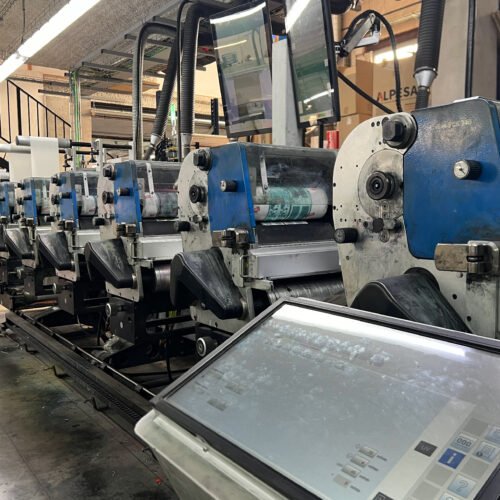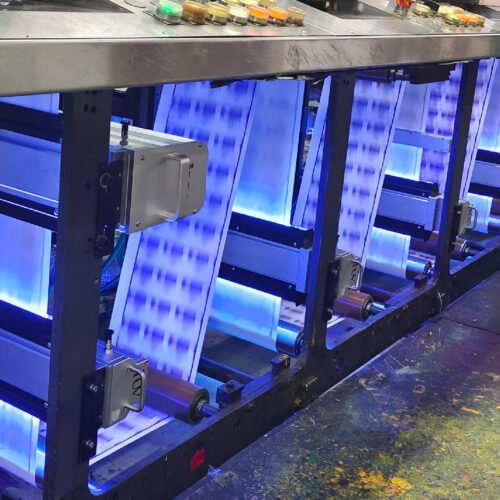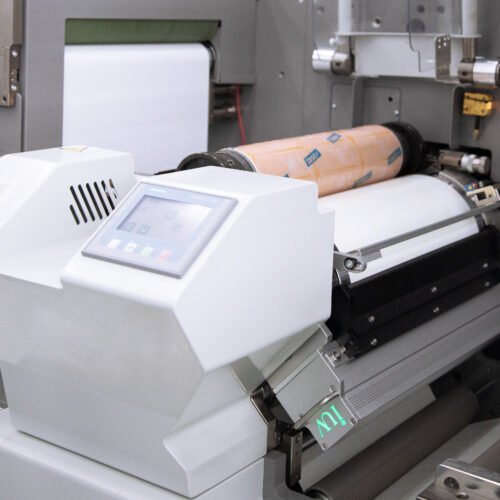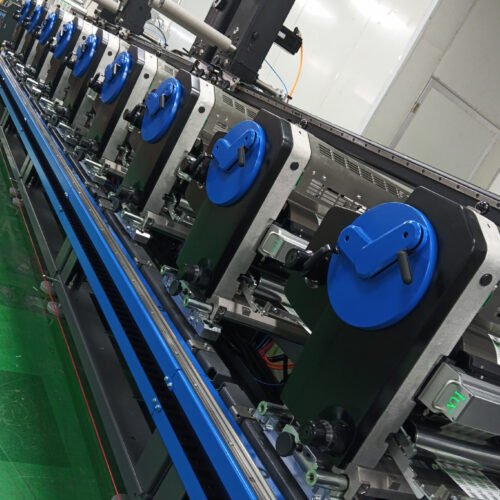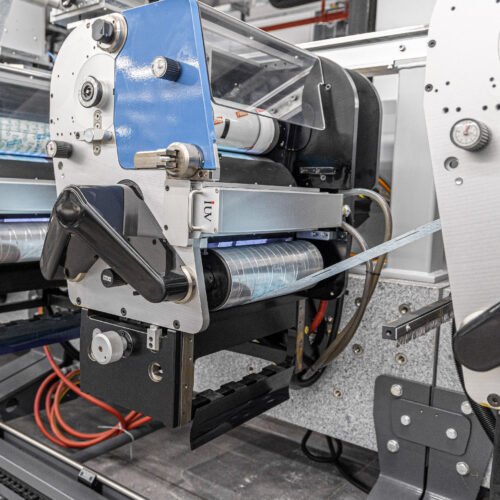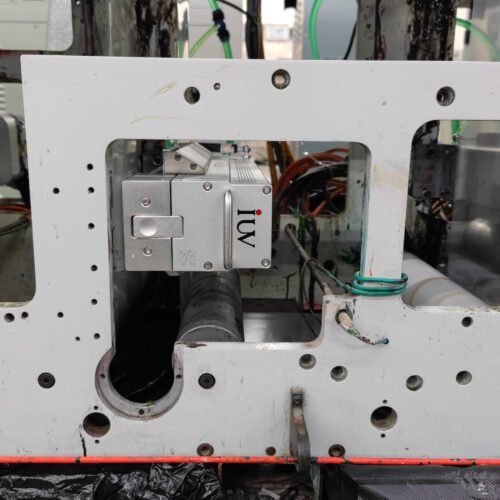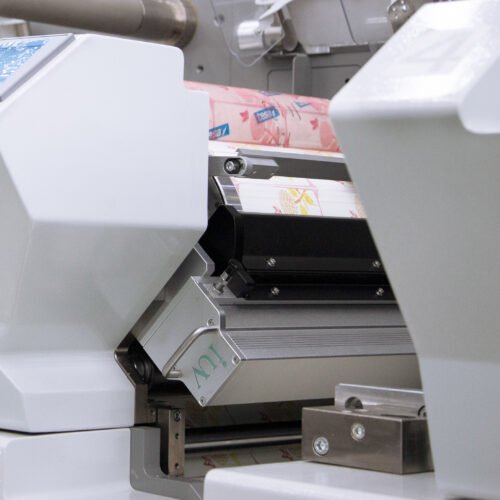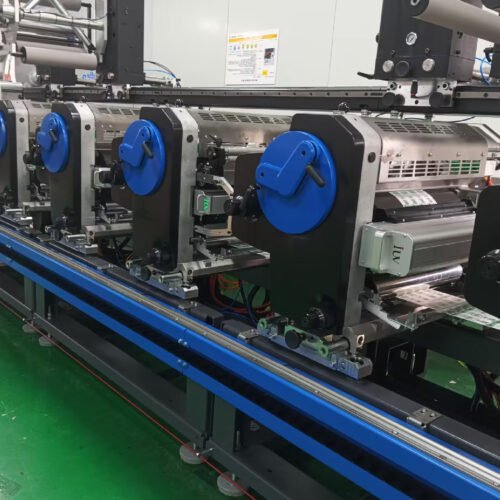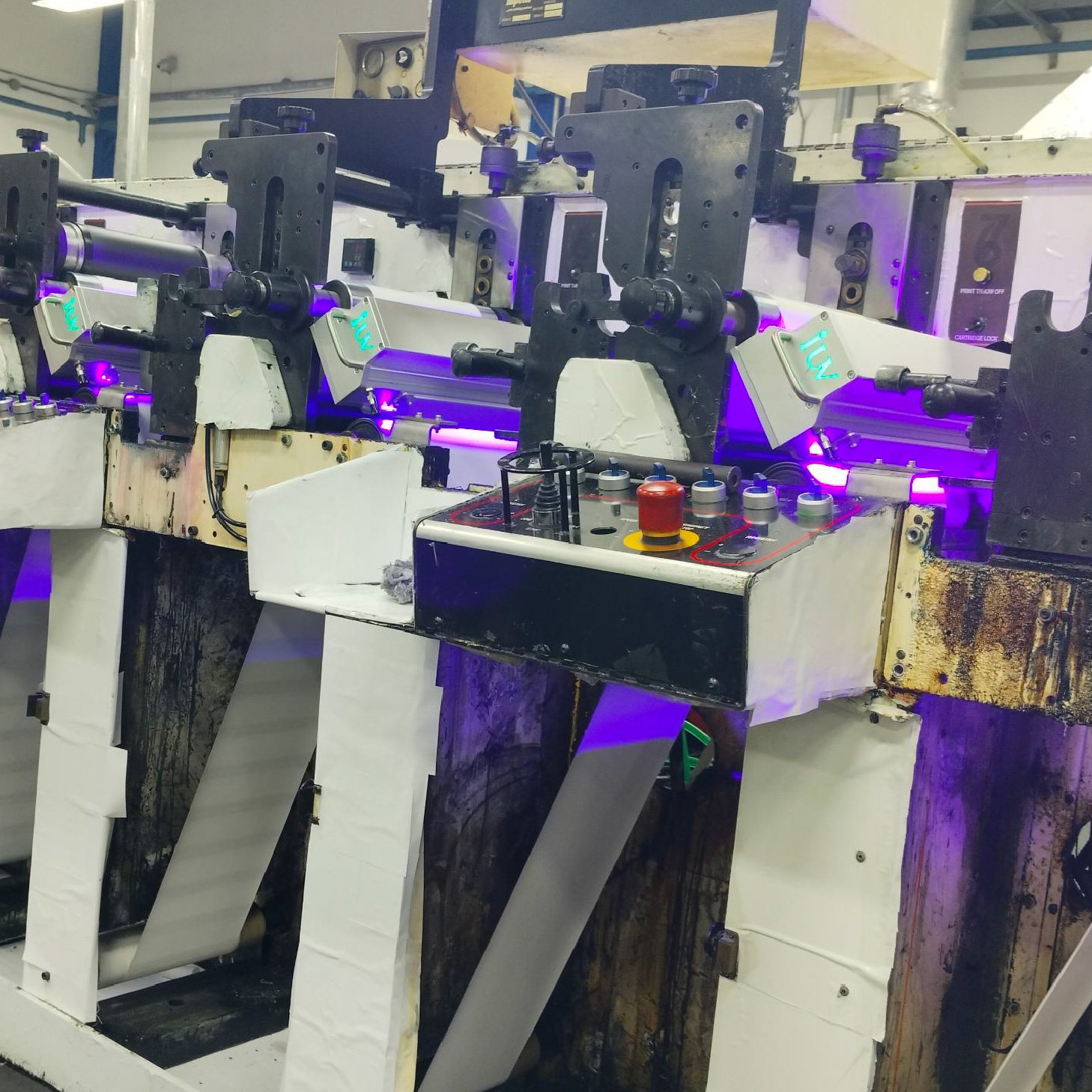
The world of printing has evolved rapidly over the last few decades, with new technologies making it possible to achieve higher quality and efficiency. One of the most innovative developments is the combination of digital printing and flexographic (flexo) printing technologies, enhanced by UV curing systems. This hybrid approach is particularly valuable in narrow web label printing, offering a balance of flexibility, speed, and print quality. In this article, we will explore how hybrid printing works, focusing on the integration of digital and flexo printing with UV curing systems, as well as the advantages it brings to the label printing industry.
Understanding Hybrid Printing Technology
Hybrid printing merges two powerful printing methods: digital and flexographic printing. Each of these methods has its own strengths and ideal use cases, but when combined, they allow printers to benefit from the best of both worlds.
- Digital Printing: Known for its ability to produce high-quality prints with minimal setup time, digital printing allows for more flexibility in design changes, short runs, and variable data printing. It is especially beneficial for customized labels and small production batches.
- Flexographic Printing: A traditional printing method, flexography is ideal for large volume runs. Flexo printing uses flexible relief plates to transfer ink onto the substrate, allowing for excellent color reproduction and speed. It’s typically used for packaging, including labels, flexible packaging, and corrugated boxes.
By combining both methods, printers can leverage the high-quality, flexible capabilities of digital printing and the speed, efficiency, and cost-effectiveness of flexo printing. This synergy becomes even more powerful when coupled with UV curing technology.
The Role of UV Curing in Hybrid Printing
UV curing plays a crucial role in enhancing the capabilities of both digital and flexo printing. UV inks are specially formulated to cure (dry) under ultraviolet light, which rapidly hardens the ink onto the substrate, creating a durable, smudge-resistant finish.
- Faster Drying Times: UV curing systems eliminate the need for long drying times typical of conventional inks. This is particularly beneficial in high-speed printing environments, where minimizing downtime is critical to maintaining efficiency.
- Improved Print Durability: UV-cured prints are more resistant to scratching, fading, and environmental factors like moisture or chemicals. This makes UV-cured prints ideal for labels that need to withstand rough handling, such as those used on products in harsh environments or for outdoor use.
- Better Color Precision: UV inks provide vibrant, sharp colors with high gloss and excellent contrast. This is important in label printing, where clear and attractive designs are essential for brand recognition.
- Sustainability: UV curing systems, especially with LED UV technology, are more energy-efficient compared to traditional drying methods. LED UV curing consumes less power, produces less heat, and results in fewer emissions, contributing to a more sustainable printing process.
Narrow Web Label Printing and Hybrid Solutions
Narrow web printing refers to printing on narrow rolls of substrate, which is ideal for producing high-quality labels, tags, and other small-format packaging. The use of hybrid printing solutions in narrow web label printing is particularly advantageous for companies looking to combine the precision of digital printing with the speed and efficiency of flexo.
- Customization with Digital Printing: Digital printing excels in creating unique, customized labels. It allows for full-color printing without the need for costly plate changes. This is especially useful for small or variable data runs, such as product batches with unique barcodes, expiration dates, or personalized labels.
- Cost-Effectiveness with Flexo: For longer runs, flexo printing is highly efficient and cost-effective. It can handle large volumes of labels in a short time, maintaining consistent quality throughout the production run. Hybrid solutions integrate digital and flexo capabilities, allowing for efficient production of both small runs and larger volumes without sacrificing quality or speed.
- Seamless Integration of Digital and Flexo: The combination of digital and flexo printing with UV curing technology creates a versatile production line capable of handling a wide range of materials, including paper, film, and synthetic substrates. This integration allows printers to offer more diverse products while maintaining high standards of quality and reliability.
Key Benefits of Hybrid Printing Systems
The integration of digital and flexo printing with UV curing systems offers several key benefits for label printing companies. These benefits include:
- Enhanced Flexibility: Hybrid printing systems can easily switch between digital and flexo printing, allowing companies to produce a wide variety of products without the need for extensive reconfiguration. This flexibility is especially important for businesses that handle short-run jobs and a variety of materials.
- Higher Efficiency: The combination of UV curing and hybrid printing minimizes downtime and improves overall efficiency. Faster curing times and streamlined workflows mean printers can complete jobs quicker, which translates to shorter lead times and increased productivity.
- Cost Savings: Although hybrid printing systems may have a higher initial cost, the long-term savings are significant. Reduced waste, faster turnaround times, and less need for multiple presses mean lower operational costs. Additionally, printers can produce a wider range of products with fewer setup changes, further driving down costs.
- Superior Print Quality: The ability to combine the high-resolution output of digital printing with the precise color matching and fast production speeds of flexo results in superior print quality. This is particularly important for labels, where color consistency and sharpness are vital for brand identity.
Conclusion
Hybrid printing solutions that combine digital and flexo technologies with UV curing systems are revolutionizing the label printing industry. By leveraging the strengths of both digital and flexo printing, and enhancing them with UV curing, printers can achieve faster production speeds, superior print quality, and greater flexibility. This hybrid approach is ideal for narrow web label printing, where customization, efficiency, and cost-effectiveness are crucial. With the added benefits of sustainability and improved durability, hybrid printing systems offer an exciting future for the label printing industry.
As companies continue to adopt these advanced technologies, they will be able to meet the growing demand for high-quality, versatile labels while staying competitive in an ever-evolving market.