Achieving uniform print quality across a diverse range of materials is a significant challenge in modern printing. From glossy labels to matte packaging, each substrate presents unique absorption and surface properties. Traditional drying methods often struggle to keep pace, leading to inconsistent ink adhesion, variable color density, and even migration issues. This is where advanced UV curing systems, particularly those employing LED technology, offer a transformative solution. They bring a new level of reliability and predictability to print operations, regardless of the material being used.
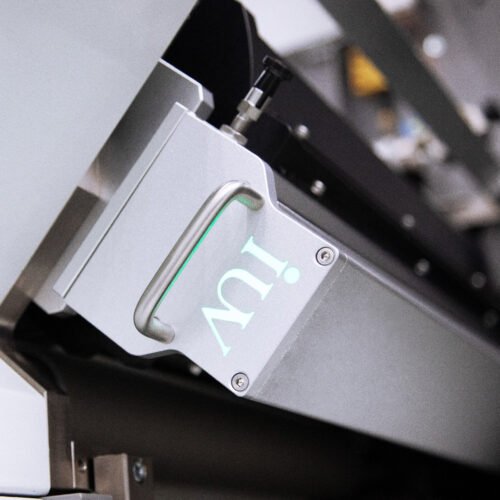
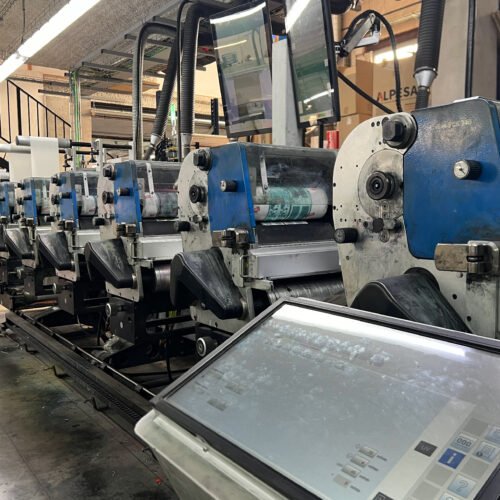
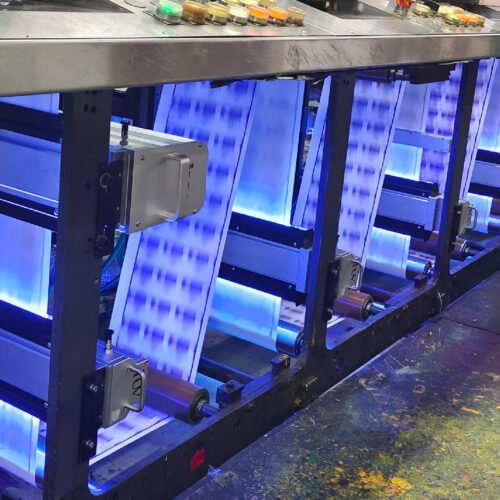
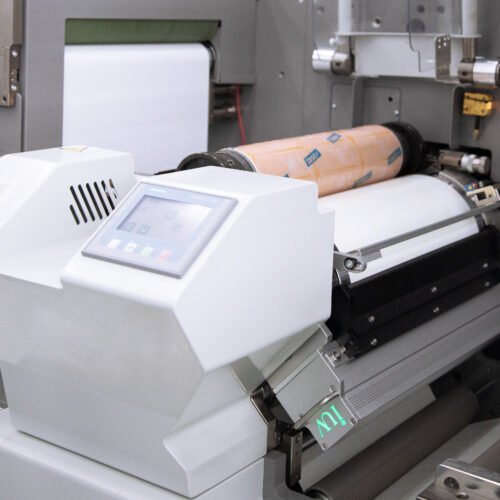
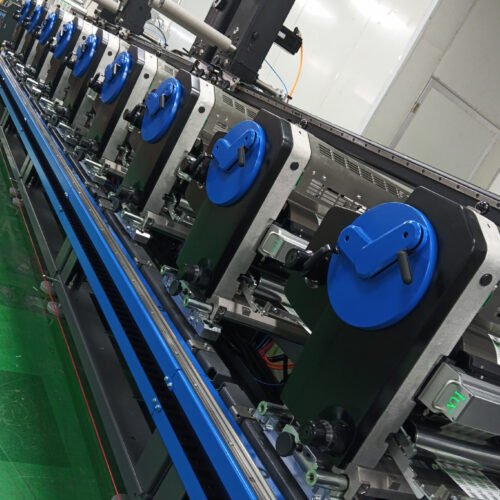
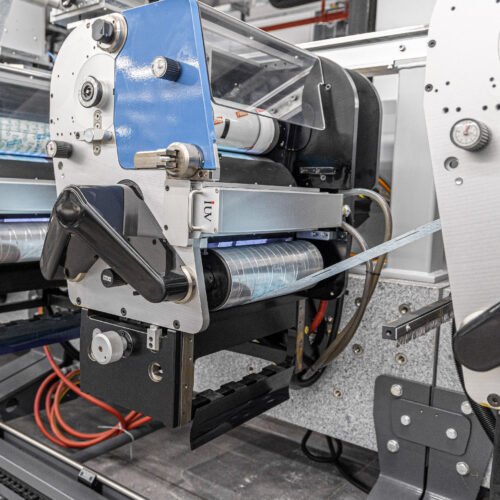
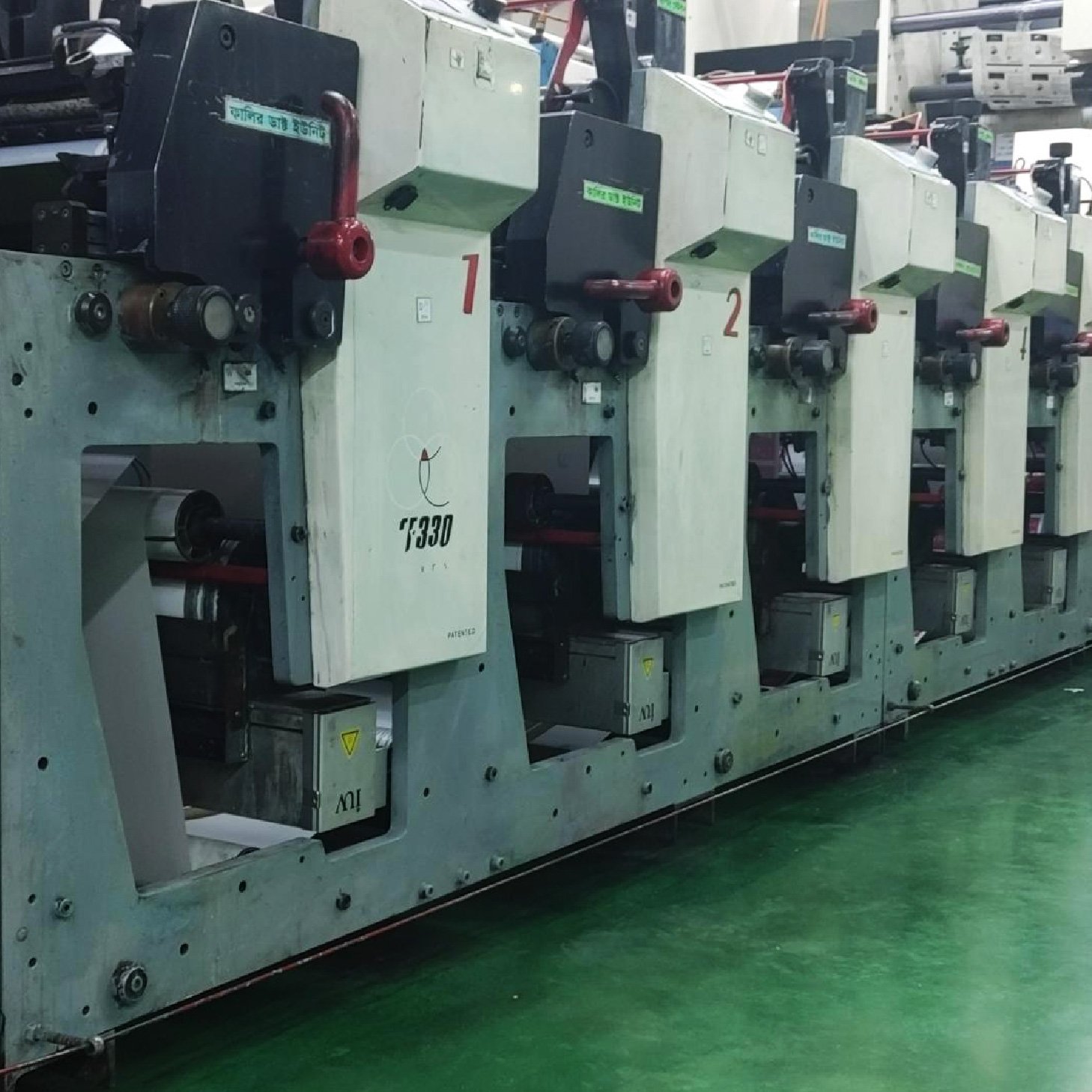
In the realm of narrow web printing, where efficiency and precision are paramount, UV curing has become a cornerstone technology. Flexographic printing, a dominant force in this sector, relies heavily on rapid ink setting to achieve sharp, vibrant results. Without effective curing, inks can remain wet, leading to smudging, offsetting onto the next layer of material, or even contamination of subsequent printing stations. LED UV curing systems address this head-on. They emit a precise spectrum of UV light that instantly polymerizes specially formulated UV-curable inks and coatings. This rapid, on-demand curing means inks are dry and permanent the moment they pass through the curing unit.
The benefit of this instant polymerization is its uniformity. Unlike heat-set or air-dry systems that rely on evaporation, UV curing is a chemical process. The light energy directly initiates a chain reaction within the ink’s photoinitiators, causing it to solidify. This chemical transformation is remarkably consistent. Whether the ink is applied to a standard paper label, a challenging polyethylene film, or a robust vinyl, the curing process itself is largely independent of the substrate’s porosity or temperature. This inherent consistency is a game-changer for print providers.
Consider label printing. Labels are produced on an astonishing variety of materials. Think of the difference between a simple paper label for a wine bottle and a durable, weather-resistant label for an outdoor equipment manufacturer. Paper absorbs ink differently than a smooth, non-porous plastic. Yet, with LED UV curing, the ink cures to its full hardness and adhesion property on both. This means the print will have the same resilience, color vibrancy, and resistance to scuffing and chemicals, whether it’s on a flexible film or a more absorbent paper. This level of substrate independence simplifies production planning and reduces the need for costly substrate-specific ink formulations or drying adjustments.
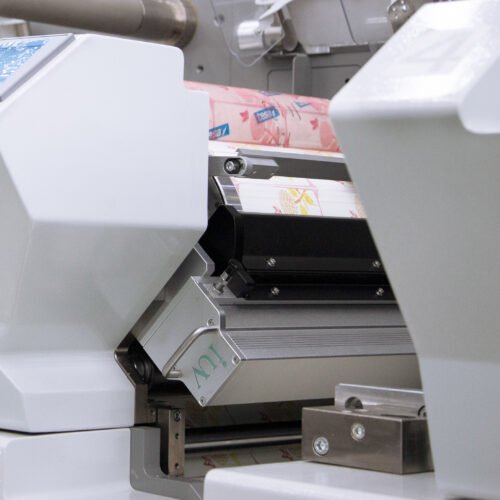
Offset printing, often referred to as lithography, also benefits immensely from UV curing, especially in narrow web applications where space and speed are critical. Traditional offset inks require significant drying time, often involving large ovens or extended cooling periods. UV-offset inks, when cured with UV systems, solidify instantly. This allows for faster press speeds, immediate handling of printed sheets, and the ability to apply overprint varnishes or other finishing layers without smearing the base ink. The consistency of UV curing ensures that the final print layer has uniform gloss or matte properties, and that colors remain true, irrespective of slight variations in paper stock or coating.
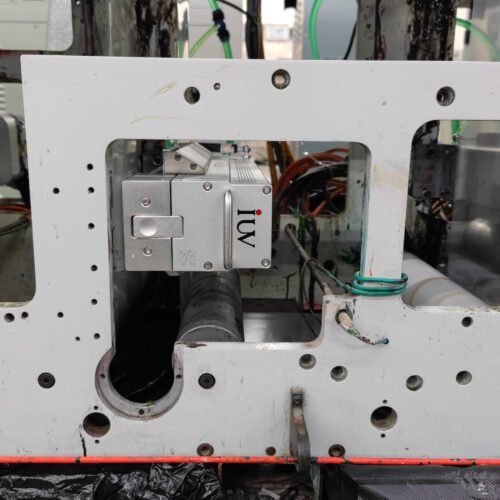
The development of LED UV curing technology has further amplified these benefits. Unlike traditional mercury-vapor lamps, LEDs offer a highly controlled, narrow-bandwidth emission spectrum. This means the energy is delivered precisely where it’s needed for efficient photoinitiation, minimizing wasted energy and heat. This is particularly important for heat-sensitive substrates like thin films or certain plastics. LED systems generate significantly less heat than their older counterparts, reducing the risk of substrate distortion or degradation. This temperature stability contributes directly to consistency, as the substrate remains dimensionally stable throughout the printing and curing process.
Furthermore, LED UV curing systems are known for their longevity and reliability. They have a much longer operational life compared to mercury lamps and reach full power instantly, without the warm-up period required by older technologies. This operational consistency translates to more predictable uptime and less variability in the curing process over the lifespan of the lamp. For printers, this means fewer unexpected downtime events and a more stable production environment.
The ink formulation plays a vital role, of course. UV-curable inks are designed with specific photoinitiators and monomers that react to the UV light. When a printer switches between different substrates, the LED UV system’s consistent output ensures that the curing process remains effective for a wide range of these formulations. This allows for greater flexibility in choosing inks that best suit the desired aesthetic and performance characteristics of the final printed product, without compromising the integrity of the cure.
In essence, LED UV curing systems provide a robust, repeatable method for solidifying inks and coatings. They remove many of the variables associated with substrate properties and environmental conditions that plague traditional drying methods. This results in a print quality that is not only high but also remarkably consistent, job after job, and across the widest spectrum of materials. This consistency reduces waste, improves throughput, and ultimately leads to more satisfied customers who receive flawlessly printed products every time.