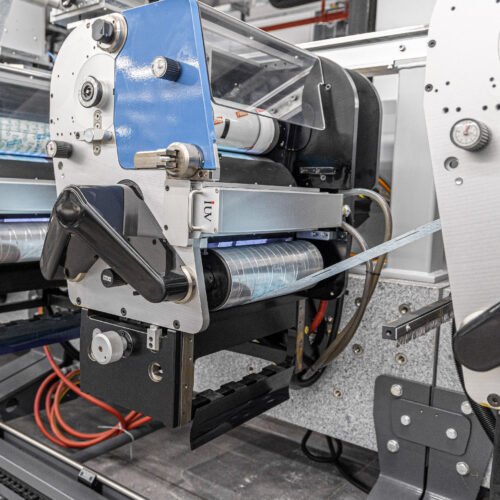
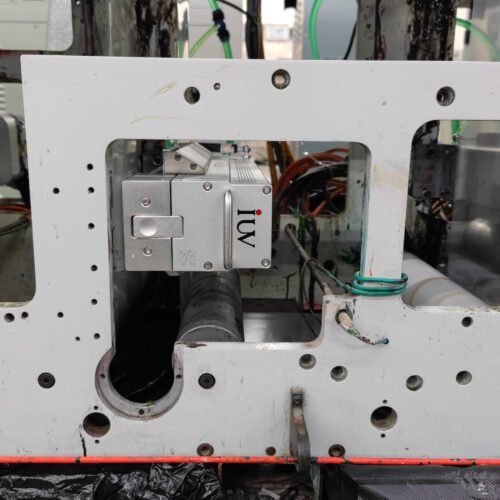
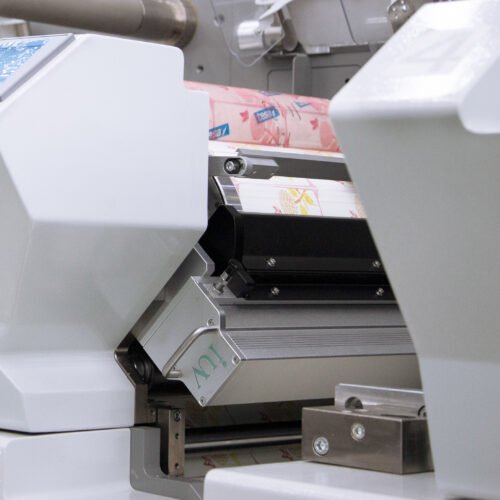
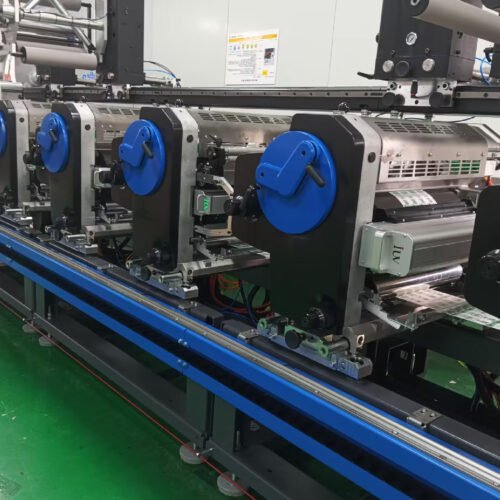
In modern printing, achieving vibrant colors and high gloss finishes is crucial for delivering high-quality products. Whether it’s for labels, flexible packaging, or other printed materials, UV curing technology has become a game-changer in the industry. Specifically, UV curing systems, including LED UV curing, play a vital role in enhancing color stability and gloss, ensuring that prints not only look appealing but also maintain their integrity over time.
The Role of UV Curing in Printing
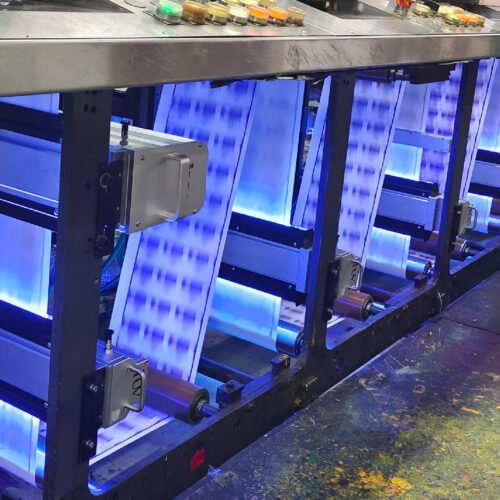
UV curing refers to a process where ultraviolet light is used to rapidly cure or dry ink or coatings. Unlike traditional air-drying methods, UV curing uses a photochemical reaction that instantly solidifies the ink or coating once exposed to UV light. This rapid curing process helps to prevent issues like smudging or fading, ensuring that the print quality remains intact throughout production and after delivery to the customer.
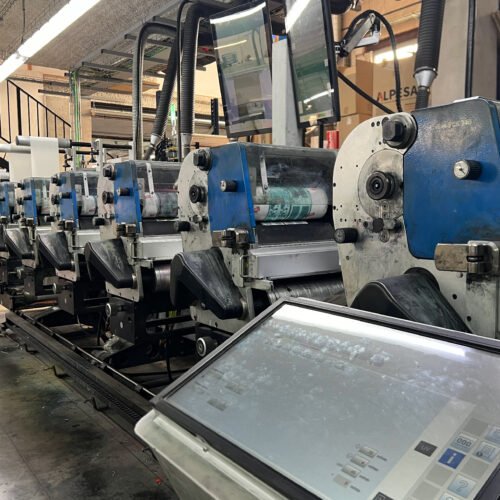
UV curing systems are commonly used in various printing methods, such as label printing, flexographic printing, letterpress printing, and narrow web printing, all of which benefit from the enhanced properties provided by UV light.
Benefits of UV Curing for Color Stability
One of the most significant advantages of UV curing systems is the improvement in color stability. In traditional printing, inks can take hours or even days to fully cure, during which time the colors may shift due to environmental factors, such as humidity and temperature. In contrast, UV curing systems provide an instant and uniform curing process, which locks in the colors and prevents any post-production color changes.
UV inks are designed to react to UV light, forming a durable, rigid film on the printed material. This chemical reaction ensures that the ink pigments are tightly bound, preventing them from shifting or migrating, which is particularly important for achieving consistent color accuracy in high-speed, high-volume production.
For label printing and flexographic printing, color stability is crucial, as these applications often require the reproduction of brand colors with high precision. The instant curing action of UV systems ensures that these colors stay true, even when exposed to environmental stressors, such as sunlight or abrasion. This is particularly beneficial in markets like food and beverage, where labels need to maintain their appearance throughout the product’s shelf life.
Enhancing Gloss with UV Curing Systems
In addition to color stability, UV curing technology also enhances the gloss of printed materials. The cured ink forms a smooth, hard surface that reflects light, resulting in a glossy finish. This finish not only improves the aesthetic appeal of printed products but also adds a layer of protection to the print surface.
In flexographic printing, where inks are applied directly to a substrate like plastic or paper, UV curing helps achieve a high gloss finish that elevates the visual quality of packaging. High-gloss finishes are essential for products that are sold on retail shelves, as they attract attention and convey a sense of premium quality.
UV curing systems provide more than just a glossy finish; they also improve durability. The hardness of UV-cured inks creates a more resilient surface, resistant to scratches, smudges, and other forms of wear. For applications like narrow web printing, where high-quality printing is needed for smaller packaging or labels, UV curing systems ensure that the print remains sharp, glossy, and intact even through handling and use.
The Advantages of LED UV Curing
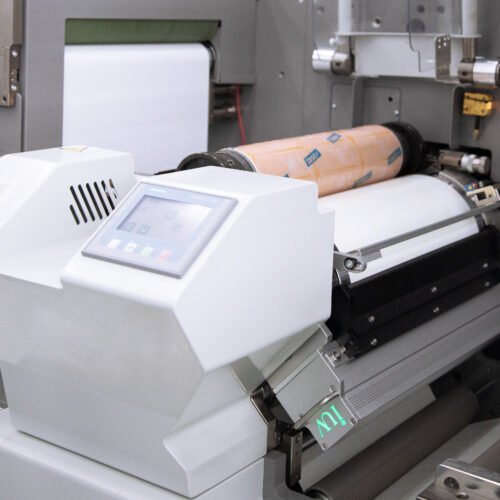
Among the various types of UV curing systems available, LED UV curing has gained significant popularity in recent years. LED UV curing offers several distinct advantages over traditional mercury-based UV systems.
- Energy Efficiency: LED UV systems use less energy compared to traditional UV lamps, making them a more environmentally friendly and cost-effective option for printers. The ability to cure inks with lower energy consumption helps reduce overall production costs.
- Instant On/Off Operation: LED UV lamps turn on and off instantly, unlike mercury-based lamps, which take time to warm up or cool down. This results in greater operational efficiency and less downtime.
- Longer Lifespan: LED UV lamps have a much longer lifespan than traditional UV lamps, which reduces maintenance costs and downtime associated with lamp replacement.
- Lower Heat Generation: LED UV systems generate less heat compared to mercury-based UV lamps, making them suitable for curing heat-sensitive substrates. This is particularly important for narrow web printing or flexographic printing on substrates like thin films or delicate papers, which could warp or degrade under excessive heat.
- Consistency and Precision: LED UV curing systems provide more consistent and precise curing, which translates to better color consistency and gloss. For high-end applications, like label printing, where precision is key, LED UV ensures that every print job maintains the same high-quality finish.
UV Curing and Flexographic Printing
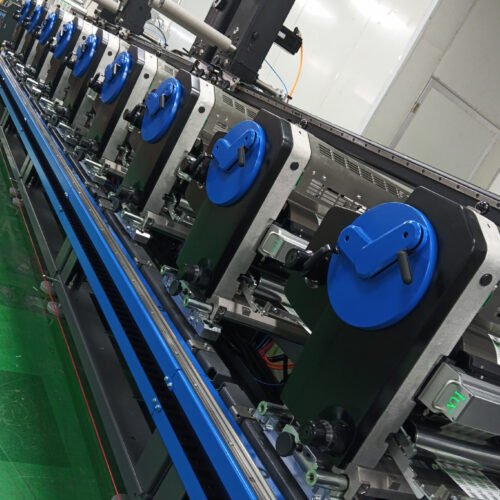
Flexographic printing has long been a go-to method for high-speed, high-volume printing, particularly in the packaging industry. With the advent of UV curing, flexographic printing has undergone significant improvements. The ability to cure inks instantly means that printers can achieve superior color quality and gloss without waiting for inks to air-dry.
This is especially important in flexible packaging, where vibrant colors and high gloss are often essential to the product’s visual appeal. UV curing ensures that these features are maintained throughout the entire production process and the lifespan of the packaging, providing both aesthetic and functional benefits.
UV Curing in Narrow Web Printing
In narrow web printing, which is typically used for small labels, tags, and flexible packaging, the precision and speed of UV curing are invaluable. Narrow web printers can produce high-quality prints at fast speeds, with excellent color accuracy and gloss, all while minimizing the risk of ink smearing or fading. The compact nature of narrow web printers makes them ideal for shorter runs and high-quality output, with UV curing offering a fast, effective way to meet these demands.
Conclusion
UV curing technology has revolutionized the printing industry by offering numerous advantages in terms of color stability and gloss. From label printing to flexographic printing, UV curing systems, particularly LED UV systems, have improved both the aesthetic quality and durability of printed materials. Whether you are printing high-end packaging, labels, or narrow web products, UV curing ensures vibrant colors and a glossy finish that not only attracts consumers but also enhances the long-term value of the printed products. As the printing industry continues to evolve, the role of UV curing systems in improving color stability and gloss remains crucial to delivering high-quality printed products.