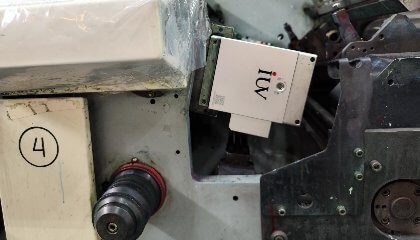
Introduction to UV Curing Technologies in Modern Printing
The printing industry continues to evolve rapidly, driven by demands for faster production, higher quality outputs, and environmentally friendly operations. Among these advancements, UV curing systems have emerged as game-changers. Their ability to eliminate volatile organic compounds (VOCs) from the printing process offers significant benefits in terms of environmental impact, worker safety, and finished product quality. By integrating UV curing, especially LED UV technology, various printing methods such as flexible, flexographic, gravure, and narrow-web printing can achieve VOC-free environments efficiently.
The Fundamentals of UV Curing in Printing
UV curing involves exposing inks, coatings, or adhesives to ultraviolet light, which instantly polymerizes the material, transforming it from a liquid to a solid. Unlike traditional solvent-based curing methods, UV curing systems do not rely on solvents that release VOCs into the environment. This results in cleaner production lines, less hazardous waste, and reduced emissions.
The traditional UV lamps utilize mercury vapor, which, although effective, pose environmental and health concerns. Recent advancements have shifted focus toward LED UV technology, offering a more sustainable, energy-efficient, and versatile solution. Let’s explore how these systems enable VOC-free printing environments across different printing techniques.
LED UV Technology: The Key to Eco-Friendly Printing
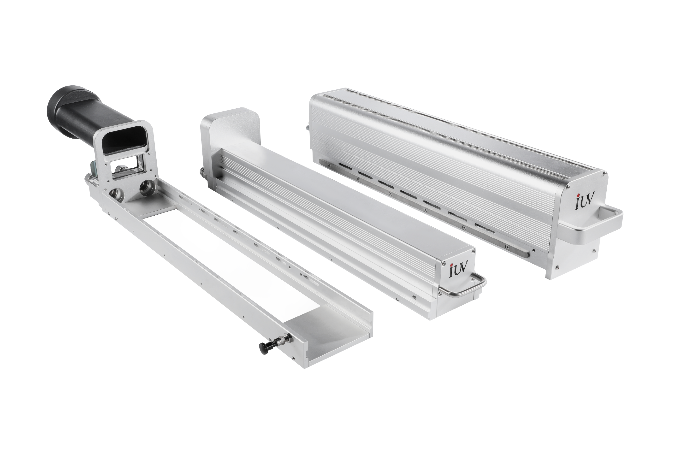
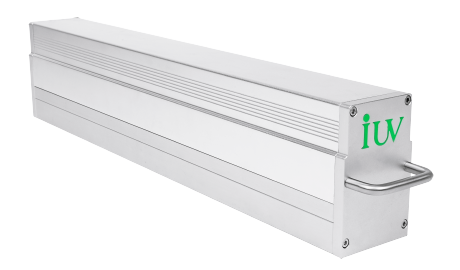
LED UV curing systems stand out due to their rapid curing times, lower energy consumption, and negligible ozone emissions. Their instant on/off capability simplifies process control, enabling precise curing tailored to various substrates and ink types.
LED UV systems emit specific wavelengths of ultraviolet light, which are absorbed effectively by specially formulated inks and coatings. This targeted curing reduces unnecessary energy waste and minimizes the generation of VOCs, as the process eliminates solvent evaporation entirely.
Furthermore, LEDs have a longer lifespan and require less maintenance than traditional mercury lamps, lowering operational costs and environmental burdens. They are a crucial component for converting conventional printing lines into VOC-free and eco-friendly facilities.
Application in Label Printing
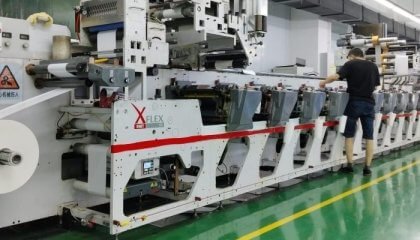
Label printing demands high-quality graphics, durability, and fast turnaround times. UV curing systems, especially LED UV, play a vital role in enabling environmentally friendly label production.
In UV-cured label printing, inks are formulated to cure rapidly without solvents, ensuring vibrant colors and excellent adhesion. This process reduces spray emissions of VOCs and volatile smog-forming compounds. Implementing LED UV curing allows for instant curing on a variety of label substrates, including flexible films and paper, with minimal energy use.
The dry ink layer achieved through UV curing improves print clarity and longevity, making LED UV the ideal choice for sustainable label manufacturing. This approach supports brands seeking greener packaging options while maintaining high standards of quality.
Flexographic Printing and VOC-Free Solutions
Flexography, a prevalent method for packaging and labels, benefits enormously from UV curing. Traditional flexo relies on solvent-based inks or drying techniques, which often emit VOCs. Transitioning to UV-curable inks and LED UV systems dramatically reduces or eliminates these emissions.
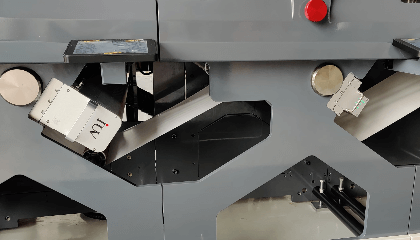
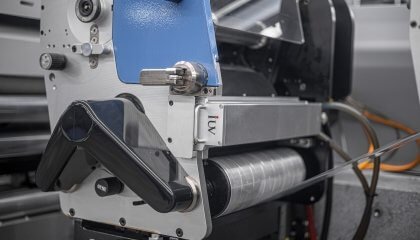
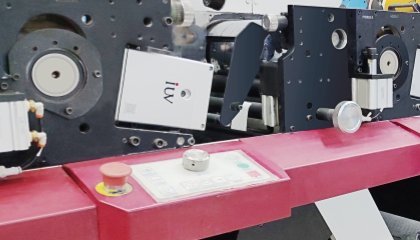
LED UV curing in flexo press setups provides instantaneous drying, facilitating high-speed production and gel-free images. Moreover, the rapid curing minimizes ink spread, resulting in crisp, sharp graphics—crucial for brand consistency.
The shift to UV LED curing also allows for a broader range of substrates, including plastics, films, and foils, to be cured without VOC off-gassing. This transition supports a safer working environment and helps meet stringent environmental regulations.
Gravure and Narrow Web Printing
Gravure printing, often used for high-volume packaging and decorative printing, can incorporate UV-curable inks for environmental benefits. Traditional solvent-based gravure inks release VOCs during the drying phase, contributing to pollution and health risks.
LED UV curing offers an innovative alternative. The instant polymerization of UV inks eliminates VOC emissions and reduces energy costs. Since LED UV systems operate at lower temperatures, they also minimize substrate deformation—an asset when printing on heat-sensitive materials.
Narrow web printing, used for specialty products, labels, and promotional items, benefits tremendously from LED UV technology. Its precision and quick cure times accelerate workflows and diminish environmental footprints. Moreover, the ability to cure various substrates directly correlates with an expansion of eco-friendly product offerings.
Broader Benefits of UV Curing for Environmental Compliance
Deploying UV curing systems across printing sectors delivers several key advantages:
- VOC Reduction: Eliminates or significantly reduces solvent emissions, aligning with environmental standards and reducing regulatory burdens.
- Improved Workplace Safety: Less exposure to hazardous fumes creates safer environments for operators.
- Waste Minimization: Faster curing reduces over-ink wastage and the need for drying racks, streamlining waste disposal.
- Energy Efficiency: LED UV systems consume less power than traditional UV lamps, lowering carbon footprint.
- Substrate Flexibility: Curing on a wide range of materials without VOC off-gassing enhances design versatility.
These benefits aid printers in advancing sustainable practices while delivering high-quality, compliant products.
Overcoming Challenges and Maximizing Benefits
Transitioning to LED UV technology requires an understanding of substrate compatibility, ink formulation, and process adjustments. Working with suppliers to develop suitable inks and optimizing curing parameters ensures the best results.
Investing in LED UV curing systems also includes considering initial capital costs against long-term savings accrued through energy efficiency, maintenance, and regulatory compliance. The shift is not merely an environmental upgrade; it’s a strategic move toward future-proofing production lines.
Conclusion: Pioneering a VOC-Free Future in Printing
The integration of UV curing systems, particularly LED UV technology, marks a pivotal shift towards environmentally sustainable printing. Across label, flexographic, gravure, and narrow-web printing, these systems enable VOC-free environments by transforming traditional processes with instant curing, lower emissions, and safer operations.
As the industry continues to prioritize sustainability, embracing UV curing innovation stands out as a strategic opportunity. It not only improves ecological impact but also enhances product quality, operational efficiency, and compliance with strict environmental standards—setting the stage for a greener, cleaner printing future.