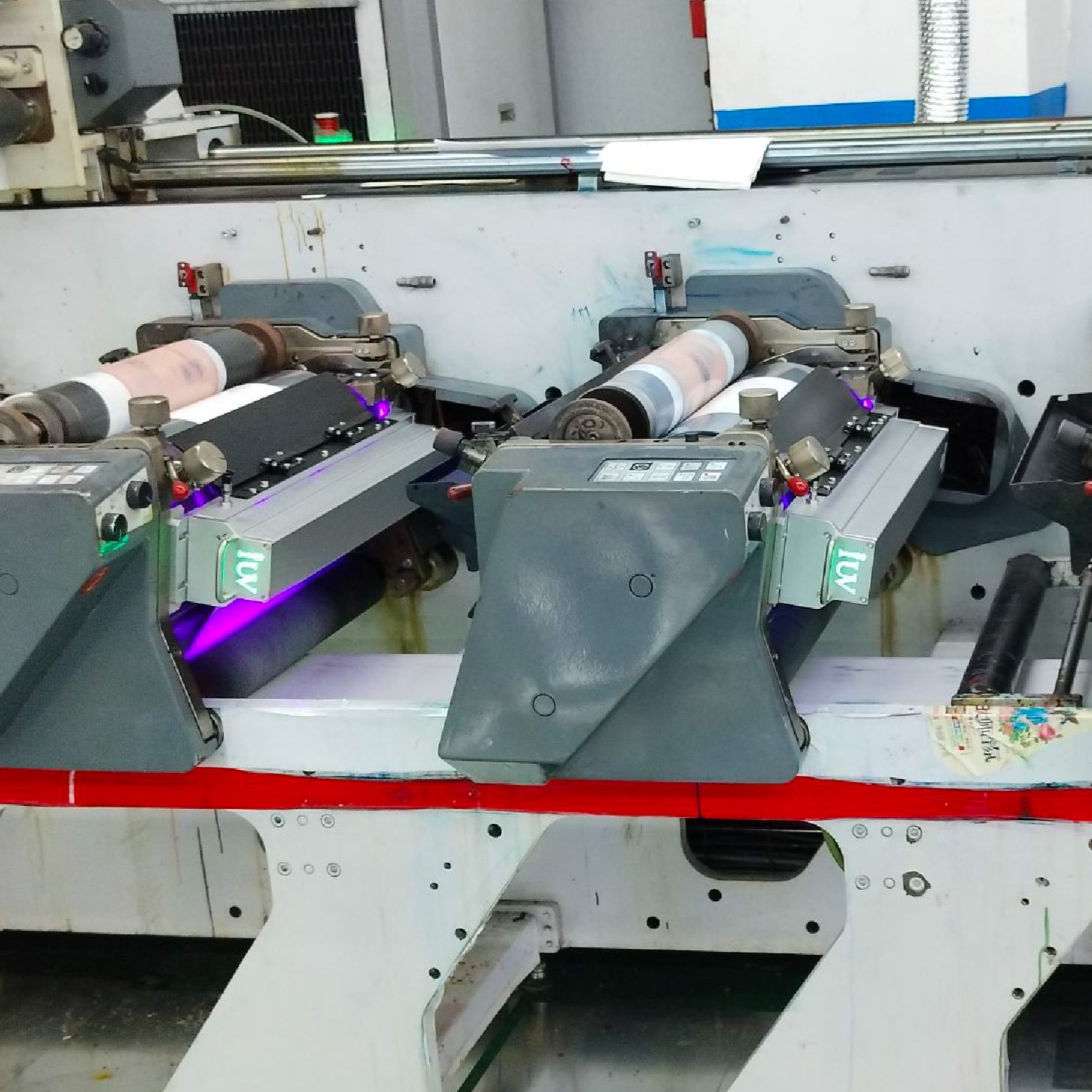
The label printing industry is all about speed and efficiency. Brands need their products on shelves fast. This puts immense pressure on printers to deliver high-quality labels with rapid turnaround times. Achieving this requires optimizing every step of the production process. One of the most impactful areas for improvement lies in the curing technology used for inks and coatings. For decades, traditional UV curing systems have been the go-to. However, the landscape is rapidly changing, and LED UV curing systems are emerging as powerful allies for printers aiming for quicker production cycles, especially in narrow web applications.
Narrow web printing, the workhorse for many label and flexible packaging applications, benefits significantly from advancements that reduce downtime and increase press speeds. Traditionally, mercury-vapor lamps were the standard for UV curing. While effective, they come with a host of limitations that directly hinder faster turnaround. These lamps generate substantial heat, requiring cooling systems and longer waiting periods before handling or finishing. They also have a finite lifespan, necessitating frequent and costly replacements. Furthermore, their spectral output can be inconsistent, impacting cure quality and requiring adjustments.
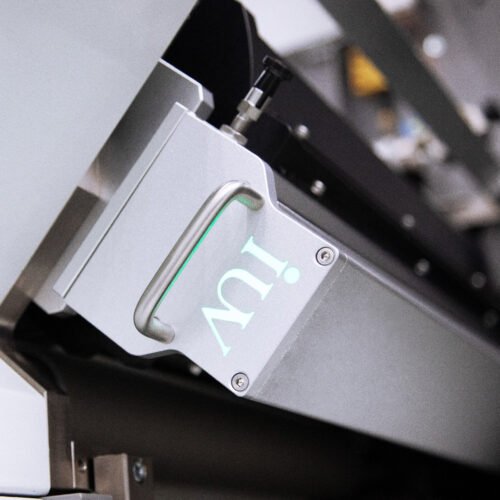
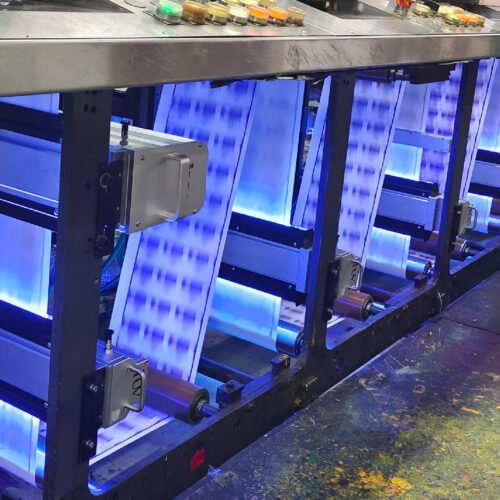
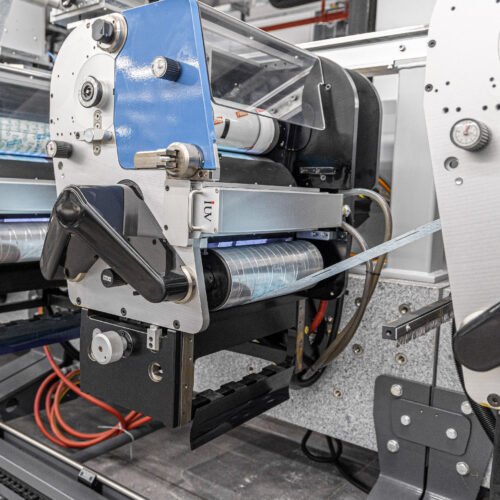
This is where LED UV curing systems offer a revolutionary alternative. Light Emitting Diodes (LEDs) produce UV light in a much more controlled and efficient manner. Unlike mercury lamps, which emit a broad spectrum of UV light, LEDs are designed to emit light within specific, narrow wavelengths. This targeted emission means more of the energy is directly used for curing, leading to faster and more thorough polymerization of UV-curable inks and coatings. This efficiency translates directly into the ability to run presses at higher speeds.
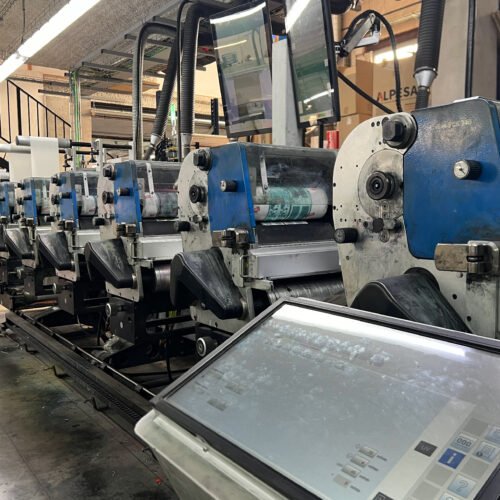
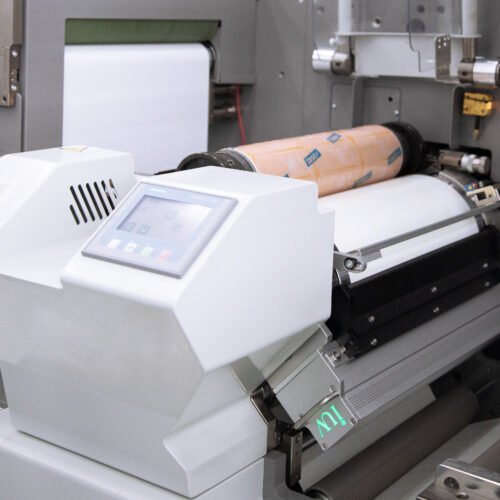
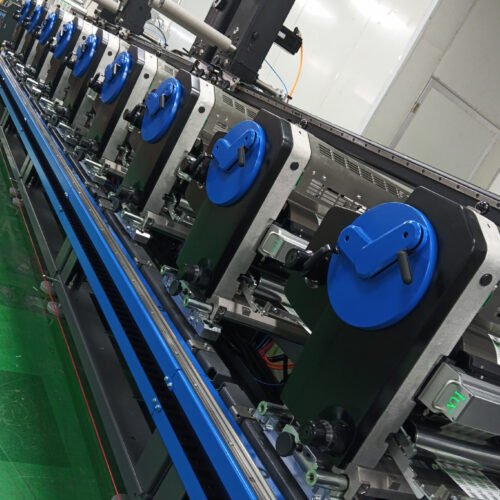
Consider the impact on flexographic printing, a dominant technology in narrow web label production. Flexo presses are designed for high-speed operation. However, the curing process can often become the bottleneck. With traditional UV, printers might have to limit press speed to ensure proper ink and coating cure. The heat generated by mercury lamps can also cause substrate distortion, particularly with sensitive materials like thin films or certain papers, leading to registration issues and further slowdowns. LED curing systems, on the other hand, generate very little heat. This “cool curing” allows for the use of a wider range of substrates without fear of warping or shrinkage. It also eliminates the need for extensive, energy-intensive cooling systems, simplifying press design and reducing overall operational costs.
The immediate benefit of faster curing with LEDs is the ability to handle printed webs sooner. This means quicker transitions to downstream processes such as lamination, die-cutting, or slitting. Instead of waiting for a traditionally cured ink to sufficiently harden, an LED-cured substrate is ready for the next step almost instantly. This dramatically reduces the time a job spends on the press and its associated equipment, leading to higher throughput and the capacity to take on more orders within the same timeframe. For label printers facing tight deadlines, this speed advantage is invaluable.
Beyond speed, the consistency of LED curing plays a crucial role in reducing waste and rework, both of which contribute to longer turnaround times. Mercury lamps degrade over time, and their UV output can fluctuate. This inconsistency can lead to under-cured or over-cured areas, impacting print quality, adhesion, and rub resistance. Printers might then need to rerun jobs or perform costly repairs. LED systems, however, offer a stable and consistent output throughout their much longer lifespan. This reliability ensures that each label is cured to the same high standard, reducing the likelihood of defects and the need for reprints. This predictability is a significant factor in achieving consistently fast production schedules.
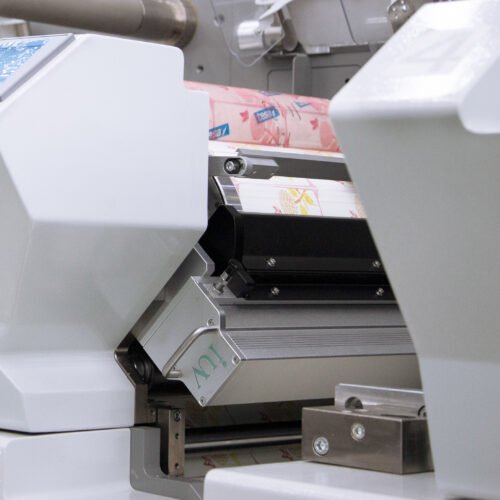
Offset printing, or sheetfed offset, used for certain types of labels and packaging, also sees benefits. While narrow web is primarily flexo, wider web offset presses sometimes produce labels. Here, the reduced heat from LEDs is also advantageous, allowing for faster stacking of printed sheets without the need for anti-offset powders or extensive cooling, which can slow down the finishing process.
The energy efficiency of LED curing systems is another factor that indirectly supports faster production. They consume significantly less power than their mercury-vapor counterparts. This reduction in energy consumption lowers operating costs, allowing printers to invest savings back into other areas of their business, potentially acquiring more high-speed printing equipment or improving workflow automation. While not a direct speed boost on the press itself, cost savings can fuel growth and the capacity for faster overall project completion.
The longevity of LED lamps is a game-changer for maintenance and scheduling. Mercury lamps typically last 1,000-2,000 hours and require careful handling and disposal. LED systems, conversely, can last 20,000 hours or more and are generally more robust. This drastically reduces the frequency of lamp replacement, minimizing unexpected downtime and the labor associated with this maintenance task. Less time spent on lamp changes means more time spent printing, directly impacting turnaround speed.
Implementing LED curing often involves a slight learning curve. Inks and coatings are specifically formulated for LED wavelengths. However, once a printer transitions to LED-compatible materials, the benefits in terms of cure speed, efficiency, and consistency become readily apparent. The precision of LED curing allows for thinner ink films to achieve full cure, which can also contribute to faster drying and better print definition, especially in high-speed applications.
In conclusion, for label printers, particularly those in the narrow web flexo sector, the adoption of LED UV curing systems is a strategic move toward achieving faster turnaround times. By offering efficient, consistent, and cool curing, LEDs enable higher press speeds, reduce substrate issues, accelerate downstream processing, minimize waste, and decrease maintenance-related downtime. This technology directly addresses the industry’s critical need for speed and reliability, allowing printers to meet demanding client schedules and enhance their competitive edge in the dynamic label market.