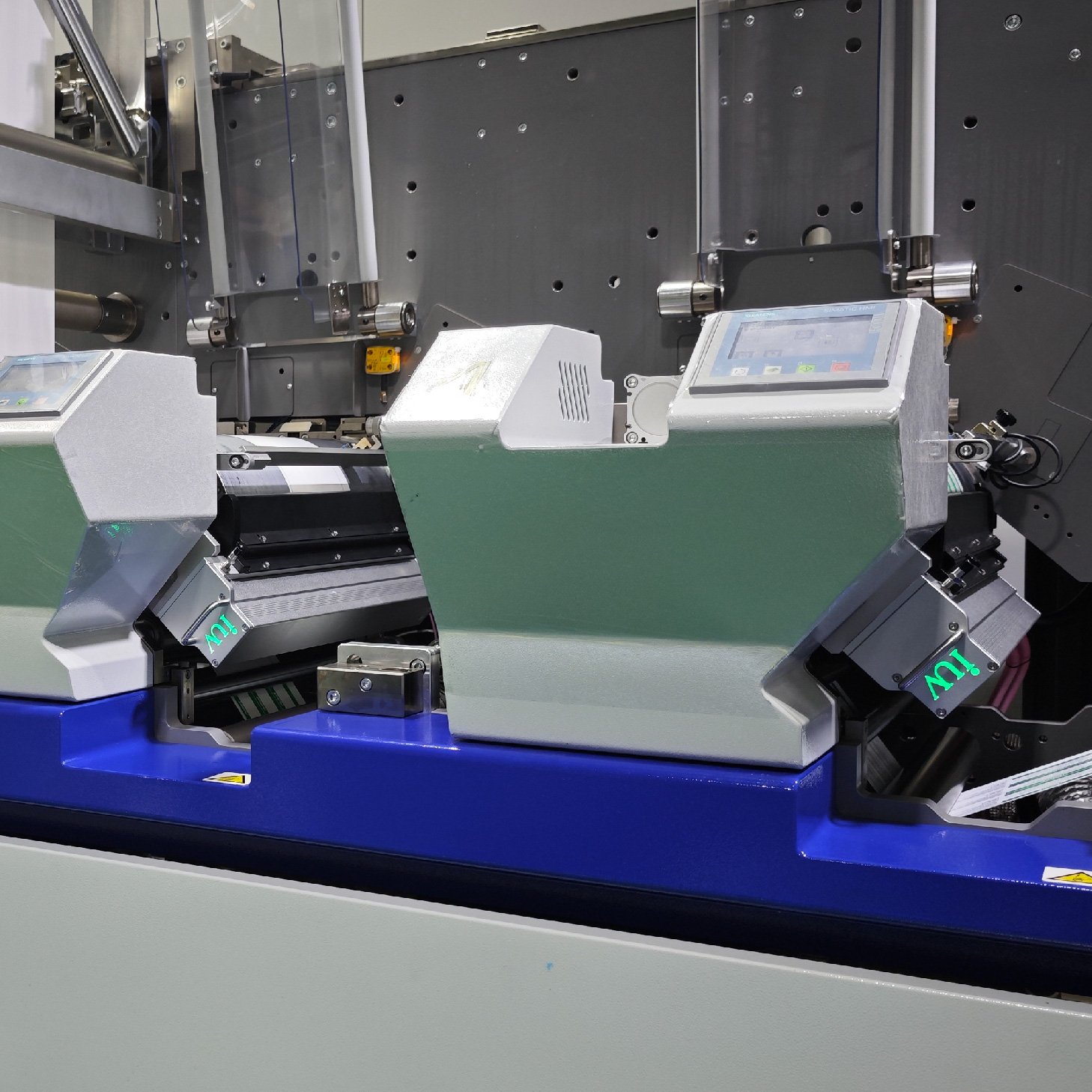
Exploring the Role of UV Curing Systems in High-Speed Label Production
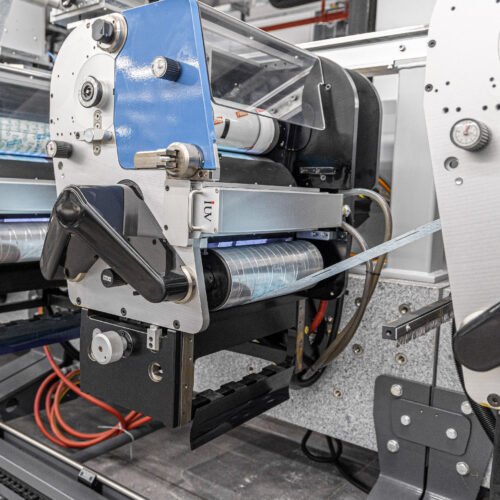
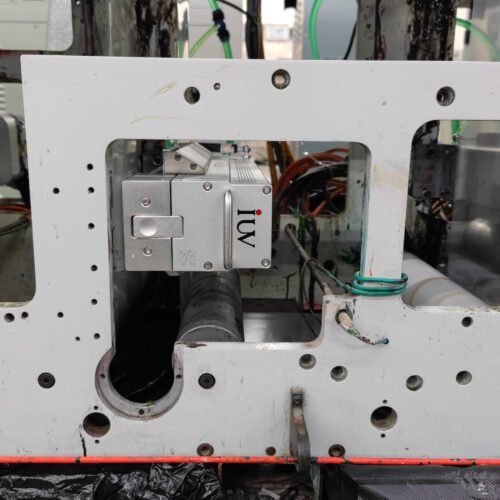
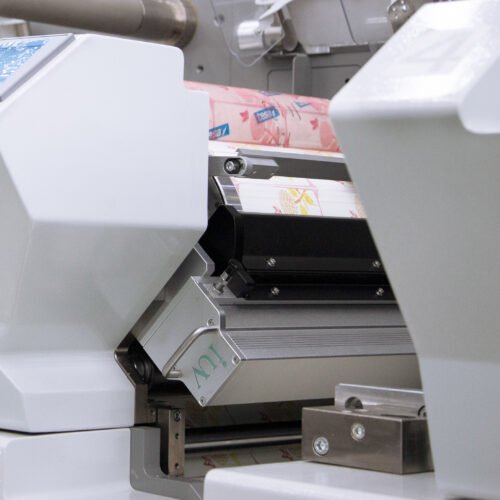
In the fast-paced world of high-speed label production, technology continues to advance, pushing the boundaries of speed, quality, and efficiency. Among these innovations, UV curing systems have emerged as a crucial element, especially in the context of UV flexo printing, narrow-web printing, and flexographic label printing. These systems are designed to instantly dry or cure inks using ultraviolet light, offering significant benefits in speed and consistency. In this article, we’ll delve into the role of UV curing systems in high-speed label production, with a focus on LED UV curing technology and its growing importance in the industry.
What is UV Curing in Label Printing?
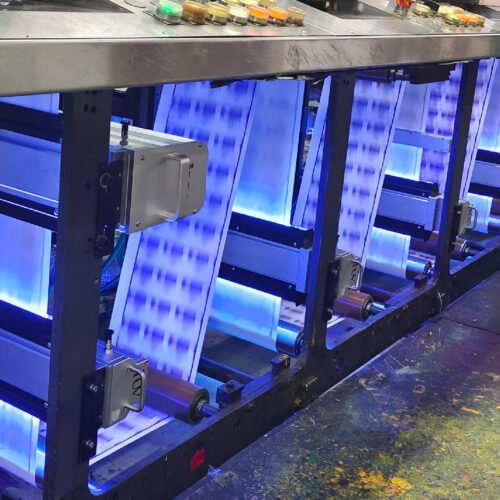
UV curing refers to the process of using ultraviolet light to rapidly cure or dry inks, coatings, and adhesives in the printing process. Unlike traditional drying methods that rely on heat or air, UV curing instantly hardens inks and coatings as soon as they are exposed to UV light. This process is especially useful in high-speed printing environments like label production, where quick turnarounds and high volumes are essential.
In label printing, UV curing is particularly favored because it enhances the performance and durability of printed labels. UV-cured inks are resistant to smudging, scratching, and fading, ensuring that the labels maintain their appearance and functionality over time. Moreover, UV curing systems reduce waste by eliminating the need for drying ovens, making the process more energy-efficient.
The Role of UV Curing Systems in High-Speed Label Production
High-speed label printing demands not only high-quality output but also the ability to meet tight deadlines. UV curing systems address these requirements by offering several key benefits:
- Increased Speed: UV curing significantly accelerates the drying process, which is a critical factor in high-speed label printing. Traditional drying methods can take longer, slowing down production speeds. UV curing, on the other hand, instantly hardens the ink, allowing for faster production cycles and increased throughput.
- Enhanced Quality: UV-cured inks provide a high-quality finish that is resistant to fading and abrasion. This is especially important for labels that will be exposed to harsh conditions, such as outdoor environments or products that require high levels of durability. Additionally, UV curing can produce sharper details and brighter colors, which are essential for eye-catching label designs.
- Eco-friendly: With growing environmental concerns, UV curing offers a more sustainable alternative to traditional drying methods. It eliminates the need for solvent-based inks and reduces energy consumption, making it an attractive option for companies looking to minimize their environmental footprint.
- Versatility in Substrates: UV curing works on a variety of substrates, including plastic, foil, paper, and more. This versatility allows label manufacturers to offer a wide range of label types, from food and beverage labels to industrial labels, all while maintaining high quality and durability.
LED UV Curing Systems: The Future of Label Printing
The shift from traditional UV lamps to LED UV curing systems has been one of the most notable developments in the label printing industry in recent years. LED UV curing offers several advantages over traditional mercury vapor lamps, making it a popular choice for modern high-speed label production.
- Energy Efficiency: LED UV systems consume significantly less power than traditional UV lamps. This not only reduces energy costs but also contributes to a more environmentally friendly printing process.
- Longer Lifespan: LED UV lamps have a much longer lifespan than mercury vapor lamps, which reduces maintenance costs and downtime. This makes LED UV systems more cost-effective over the long term.
- Instant Start-Up: Unlike traditional UV lamps, LED UV systems reach full intensity almost instantly, allowing for faster setup times and fewer delays in production.
- Lower Heat Emission: LED UV curing systems produce less heat compared to traditional UV lamps. This reduces the risk of warping or distortion in sensitive substrates, such as thin films or heat-sensitive materials.
- Higher Precision and Control: LED UV curing provides better control over the curing process, ensuring that the ink is properly cured without overexposing it. This results in a more consistent and accurate print quality.
UV Flexo Printing and Narrow-Web Printing
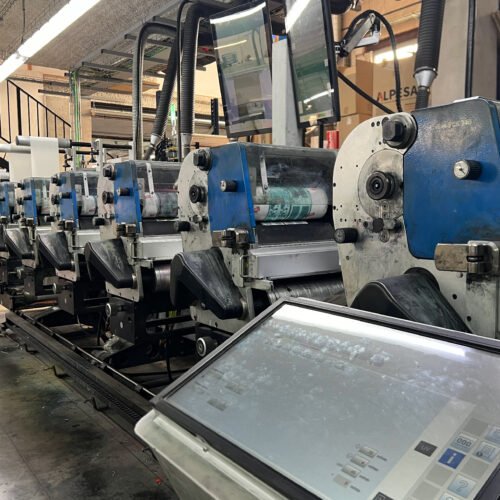
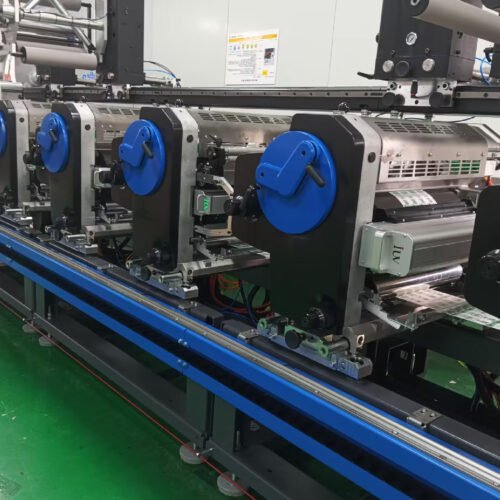
In the context of high-speed label production, UV flexo printing is one of the most commonly used methods. Flexographic printing, also known as flexo, is a form of rotary printing that uses flexible plates to transfer ink to various substrates. UV flexo printing utilizes UV inks, which are cured instantly by UV light.
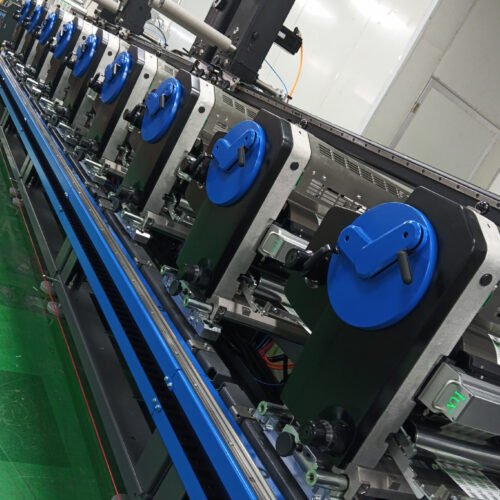
Flexo printing is particularly well-suited for narrow-web printing, where the labels are printed on a small width of material. This method is highly efficient for producing large volumes of labels at high speeds, making it ideal for applications like product packaging, shipping labels, and promotional materials.
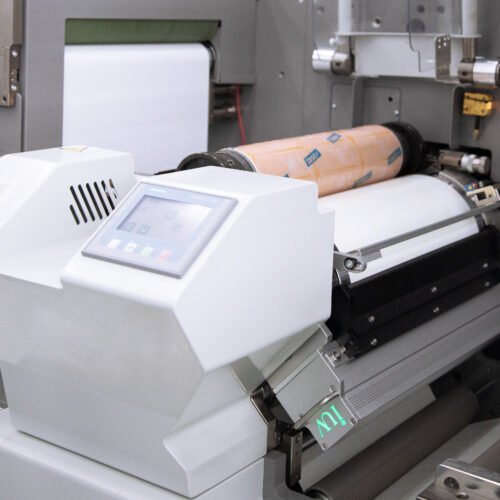
By integrating UV curing systems into flexo presses, manufacturers can achieve faster drying times, sharper print quality, and greater ink adhesion, all of which are essential in high-speed production environments.
The Benefits of UV Curing in Flexographic Label Printing
UV curing in flexographic label printing offers several distinct advantages:
- Sharp, High-Quality Prints: UV inks cure quickly and remain on the surface of the substrate, producing crisp, vibrant, and durable prints. This is particularly important for brands that want their labels to stand out on the shelf.
- Less Drying Time: With UV curing, there’s no need for additional drying time, reducing production cycles and increasing throughput.
- Improved Adhesion: UV inks adhere well to a variety of substrates, including non-porous materials, ensuring that labels stay intact throughout the life of the product.
- Enhanced Color Accuracy: UV curing allows for precise control of ink application, which leads to more accurate color reproduction, even for complex designs or gradients.
Conclusion
UV curing systems, especially LED-based technologies, have revolutionized high-speed label production. These systems provide significant improvements in speed, quality, and efficiency, making them indispensable in the modern printing landscape. As demand for faster, more durable, and eco-friendly labels continues to grow, UV curing will play a central role in shaping the future of the label printing industry.
By adopting UV curing systems, manufacturers can not only enhance the quality of their labels but also reduce production time, lower energy consumption, and improve overall operational efficiency. The combination of LED UV curing technology with advanced flexographic and narrow-web printing techniques positions the label printing industry for continued growth and innovation in the years to come.