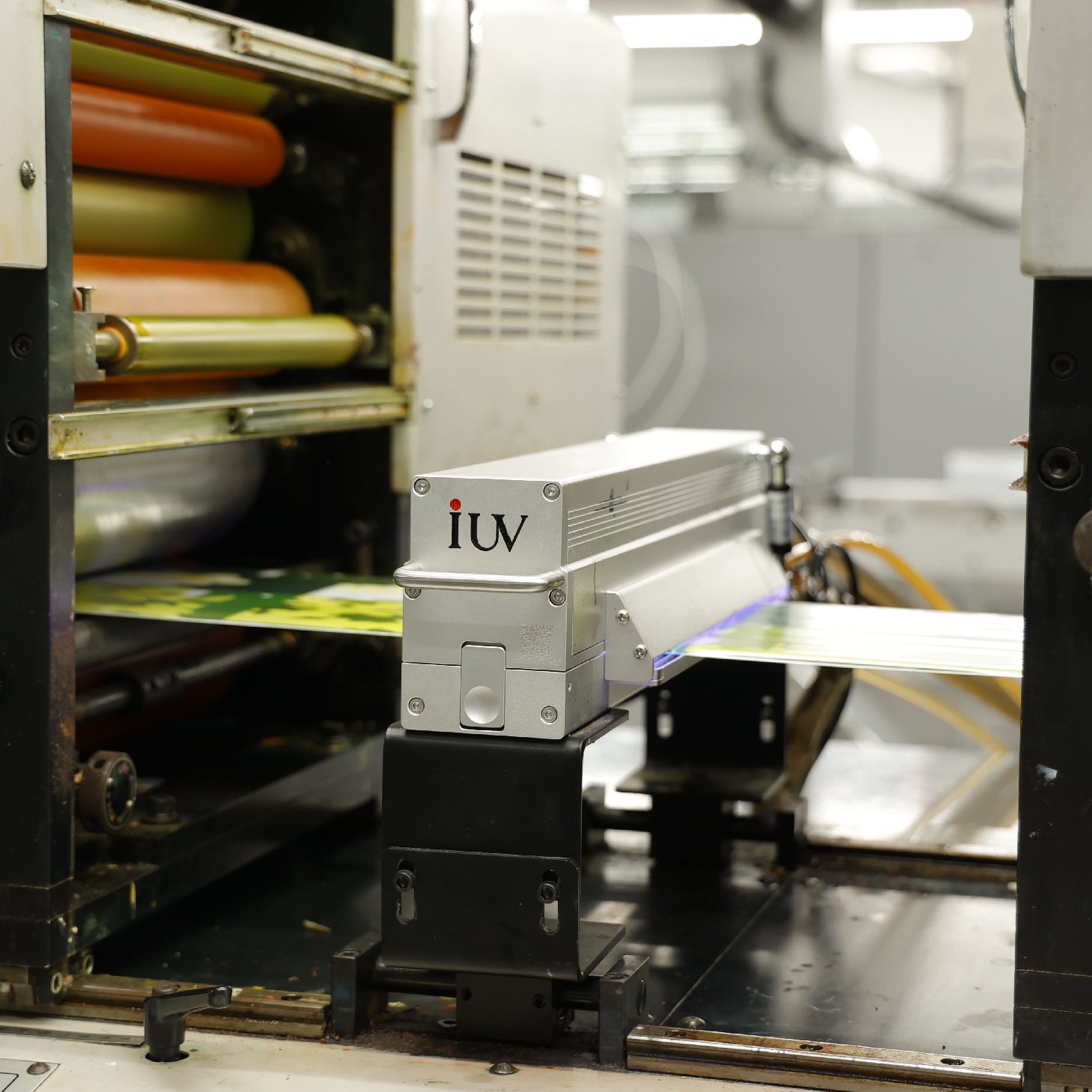
Harnessing the Green Advantage of UV Curing Systems in Modern Printing
In today’s competitive printing industry, innovation and sustainability are more than just trends—they’re essential to staying ahead. The transition toward eco-friendly practices is driven not only by environmental responsibility but also by operational efficiency. UV curing systems, particularly LED UV technology, offer substantial advantages across various printing segments, including label printing, flexographic printing, and narrow-width presses. Their role in promoting energy savings and sustainable operations positions them as a smart choice for printers seeking to combine performance with responsibility.
The Shift to UV Curing Systems in Printing
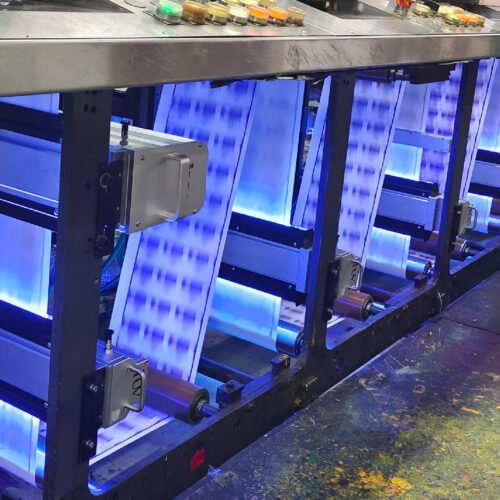
UV curing involves using ultraviolet light to instantly dry or cure inks, coatings, and adhesives. When UV light interacts with specially formulated inks, rapid polymerization occurs, resulting in fast-drying, durable prints. Traditional UV curing systems utilized mercury vapor lamps, which consumed significant energy and contained hazardous materials. Modern advancements have introduced LED UV systems, offering a cleaner, more energy-efficient alternative.
The Sustainability Edge of LED UV Technology
LED UV systems bring multiple benefits that directly impact sustainability initiatives:
- Lower Energy Consumption: LED UV lamps consume significantly less power than traditional mercury-based lamps. This reduction translates into decreased operational costs and a reduced carbon footprint.
- Instant On/Off: Unlike traditional lamps that require warm-up times, LED UV sources turn on and off instantly. This efficiency minimizes unnecessary energy use, especially during pauses or when presses are idle.
- Longer Lifespan: LEDs have a substantial lifespan, often exceeding 20,000 hours, reducing waste and the need for frequent replacements.
- Absence of Hazardous Materials: Eliminating mercury and other toxic substances makes LED UV systems safer for operators and the environment.
- Lower Heat Generation: Reduced heat output means less energy needed to manage thermal effects on substrates and inks, thus further conserving energy.
Impact on Label and Narrow-Width Printing
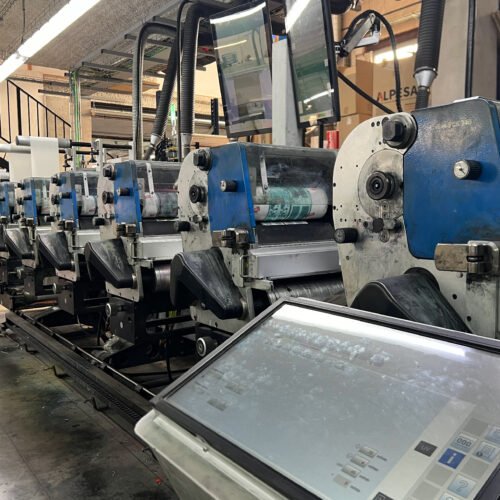
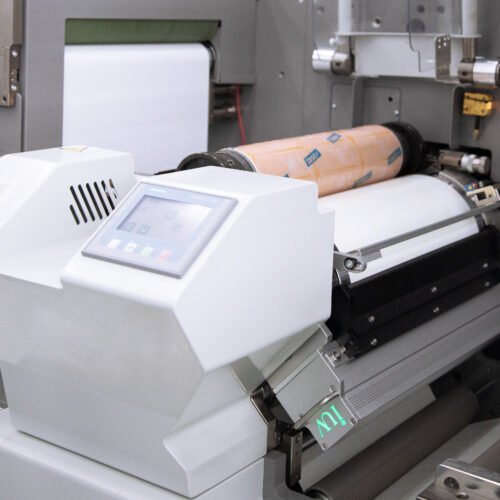
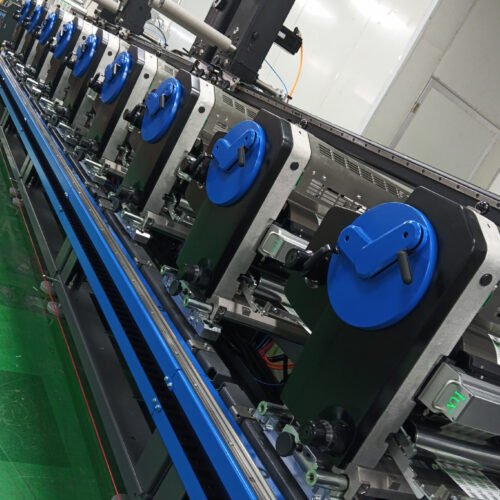
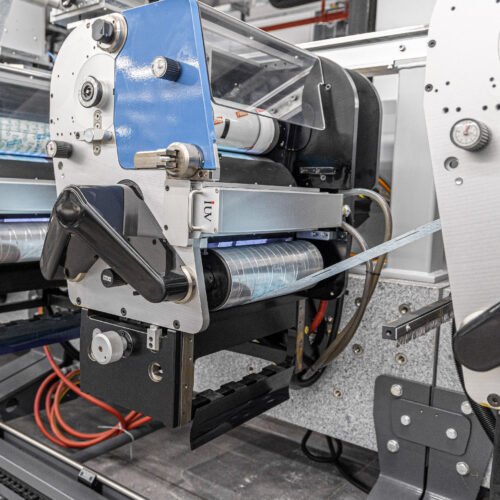
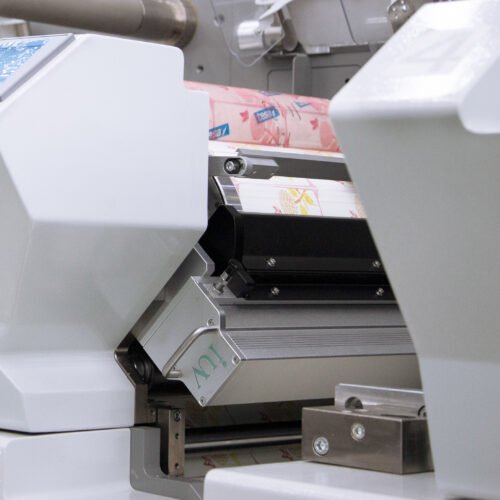
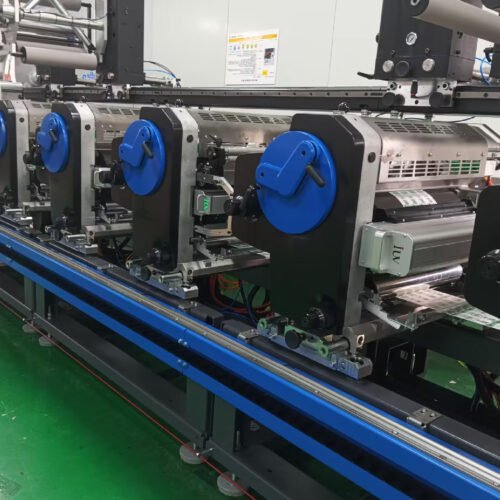
Label printing is a key industry where UV curing systems shine. Precise, vibrant, and quick-drying inks are essential for high-quality labels. Using LED UV enables rapid processing with minimal energy use. Additionally, narrow-width presses benefit from LED UV’s compact design and energy efficiency, making them excellent for producing specialty, short, or customized runs.
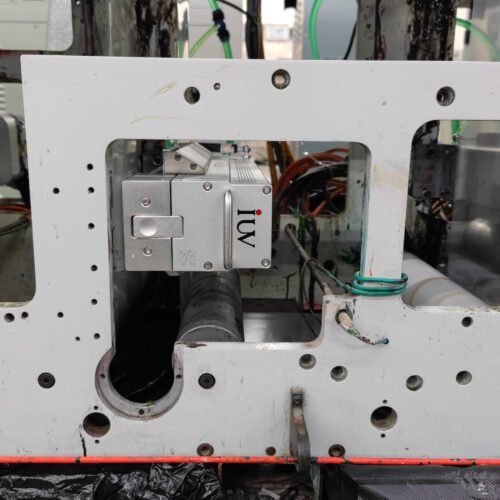
In narrow-format printing, space and energy are valuable. LED UV modules are smaller, lighter, and easier to integrate, which results in reduced machine footprint and power consumption. This synergy supports sustainable manufacturing practices without sacrificing productivity or print quality.
Flexographic and Plate-Based Printing with UV
Flexographic printing, widely used for packaging, offers high-speed production and excellent print quality. When paired with UV curing—especially LED UV—it can deliver sharp images and durable finishes while maintaining low energy usage. The rapid curing process on plate and sleeve-based systems ensures faster turnaround times.
UV-curable inks in flexography adhere well to various substrates, including films, foils, and plastics. LEDs’ ability to cure at lower temperatures protects delicate substrates and saves energy. This makes LED UV systems particularly advantageous in converting existing flexo operations into greener workflows.
Enhancing Sustainability with UV Ink Technology
UV inks formulated for LED curing systems have evolved to be more eco-friendly. They often contain fewer volatile organic compounds (VOCs), emit less odor, and dry instantly, reducing energy consumption further. Unlike solvent-based inks, UV inks do not require extensive ventilation or waste disposal measures, contributing to a smaller environmental footprint.
Additionally, many UV inks are specially designed for sustainability, featuring water-based formulations or bio-based polymers. These innovations complement the energy benefits of LED UV systems, creating a comprehensive, green printing operation.
Productivity Gains and Waste Reduction
Energy-efficient UV curing directly correlates with increased productivity. Faster curing means quicker turnaround, fewer defective prints, and reduced material waste. LED UV’s instant curing ability eliminates the need for lengthy drying processes, allowing printers to accelerate workflows.
Minimized material waste further enhances sustainability efforts. Since LED UV processes produce fewer emissions and allow for precise curing, companies can better control ink usage and reduce scrap. This efficiency contributes to environmentally responsible manufacturing while elevating margins.
Future Trends in UV Curing
The adoption of LED UV systems continues to grow, driven by strict environmental regulations and customer demand for sustainable products. Manufacturers are investing in advanced LED UV sources that provide even broader spectral curing capabilities, faster speeds, and finer control.
Research explores combining LED UV with digital workflow technologies, enabling more flexible and eco-conscious production lines. As ink formulations improve and integration becomes more seamless, the green benefits of LED UV curing will extend across the entire supply chain.
Making the Switch: Practical Considerations
Businesses considering transitioning to LED UV curing systems should evaluate current workflows and substrate needs. Factors such as heat-sensitive materials, speed requirements, and budget constraints influence the choice of equipment.
Investing in LED UV technology may involve initial costs, but the long-term savings in energy, maintenance, and environmental compliance typically outweigh these. Moreover, adopting such systems signals a commitment to sustainability that resonates with customers and regulatory bodies alike.
Final Thoughts
The shift toward energy-efficient UV curing systems aligns with the broader industry movement toward sustainable, eco-friendly printing. LED UV technology offers tangible benefits, including reduced energy consumption, lower emissions, higher productivity, and safer working conditions. As the printing industry continues to evolve, embracing these innovations will be instrumental in establishing a greener, more profitable future.
By harnessing the capabilities of UV curing—especially LED UV—print providers can meet the demands of quality, speed, and sustainability in today’s competitive landscape. This green advantage is not just an upgrade; it’s a strategic move toward responsible growth.